Childhood Weakness and Delayed Milestones: Signs of Neuromuscular Disease
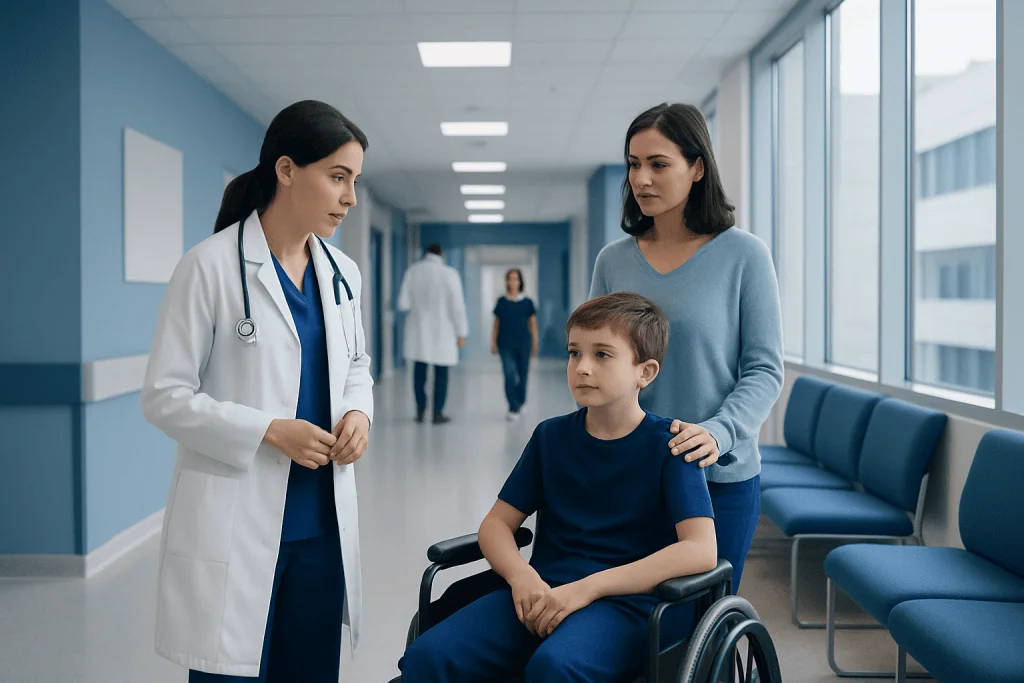
Persistent weakness, delayed sitting or walking, frequent falls, and trouble climbing stairs can be early signs of a neuromuscular disorder. These conditions may affect muscles, peripheral nerves, motor neurons, or the neuromuscular junction.
Key Takeaways
- Persistent weakness, delayed sitting or walking, frequent falls, and trouble climbing stairs can be early signs of a neuromuscular disorder.
- These conditions may affect muscles, peripheral nerves, motor neurons, or the neuromuscular junction.
- Diagnosis often includes a detailed developmental history, physical examination, blood tests, imaging, nerve or muscle studies, and genetic testing.
- Treatment depends on the cause and may include physical therapy, respiratory support, nutrition support, medications, and assistive devices.
- A child with weakness, loss of skills, breathing problems, or trouble swallowing should be assessed promptly by a qualified doctor.
Neuromuscular disease in children refers to conditions that affect the nerves, muscles, or the connection between them, often leading to weakness and delayed motor milestones. Early recognition can help families access diagnosis, therapies, and supportive care that improve daily function and quality of life.
Overview
Childhood weakness and delayed milestones can have many causes, but one important group is neuromuscular disease in children. This term describes disorders that affect the muscles, the nerves that control them, the motor neurons in the spinal cord, or the communication point between nerve and muscle. When any part of this system is affected, a child may have difficulty developing normal strength, balance, and movement.
Parents and caregivers are often the first to notice that a child seems “floppy,” tires easily, struggles to lift the head, sits later than expected, or has trouble walking, running, or climbing stairs. In some children, weakness is present from infancy. In others, it becomes more noticeable over time as the child grows and physical demands increase.
Neuromuscular conditions include a wide range of disorders, such as muscular dystrophies, spinal muscular atrophy, congenital myopathies, peripheral neuropathies, and disorders of the neuromuscular junction. Some are inherited, while others may develop for different reasons. Not every child with delayed motor skills has a neuromuscular disorder, but persistent or unexplained weakness deserves careful medical assessment.
Early diagnosis matters because it can clarify the cause, guide treatment, support development, and help families plan care. Even when a condition cannot be cured, therapy and multidisciplinary support can often improve comfort, mobility, breathing, nutrition, and participation in everyday life.
Symptoms and Early Signs
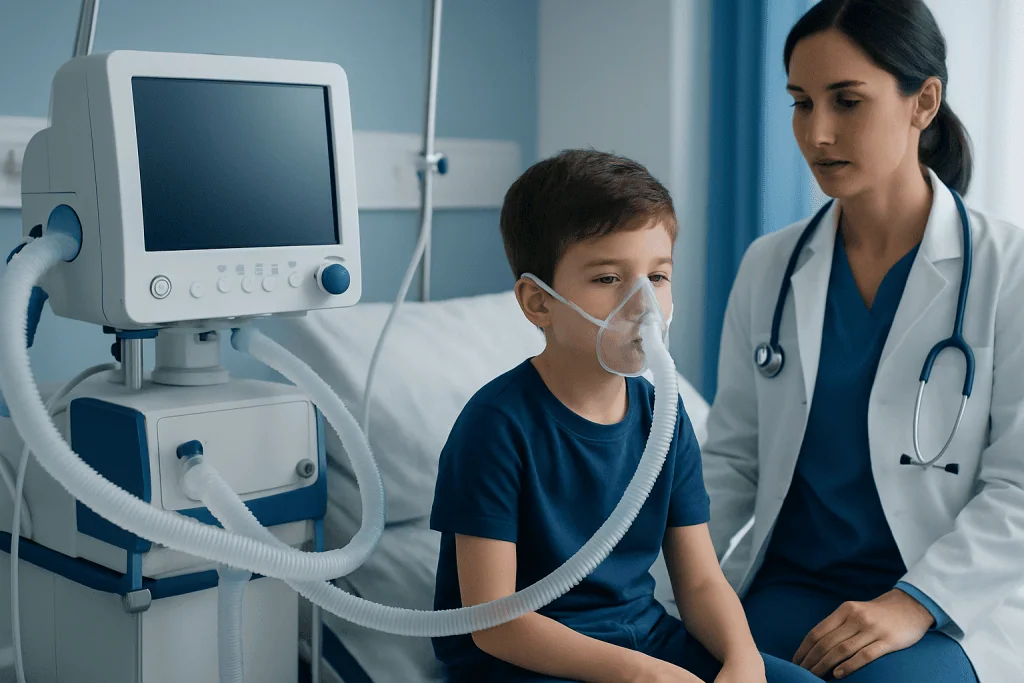
The signs of neuromuscular disease in children vary depending on the specific disorder and the child’s age. A baby may feel unusually floppy, have a weak cry, poor feeding, or trouble lifting the head during tummy time. An older infant may be late to roll, sit, crawl, or pull to stand. In toddlers and school-age children, common concerns include frequent falls, difficulty rising from the floor, toe walking, trouble climbing stairs, reduced stamina, or an unusual gait.
Weakness may affect the hips and shoulders first, making it hard for a child to run, jump, lift objects, or hold the arms up for long. Some children also have muscle cramps, enlarged calf muscles, stiffness, or joint tightness. Others may appear less active than peers or avoid sports because movement feels tiring or difficult.
Neuromuscular disease can involve more than movement alone. Depending on the condition, a child may have swallowing difficulty, nasal or weak speech, drooping eyelids, breathing problems during sleep, poor weight gain, scoliosis, or reduced reflexes. Some children lose skills they previously had, which is especially important to bring to a doctor’s attention.
- Delayed sitting, standing, or walking
- Frequent falls or clumsiness beyond what is expected for age
- Difficulty getting up from the floor or climbing stairs
- Floppiness, low muscle tone, or poor head control
- Tiring easily with play or walking
- Breathing, feeding, or swallowing difficulties
Causes and Risk Factors
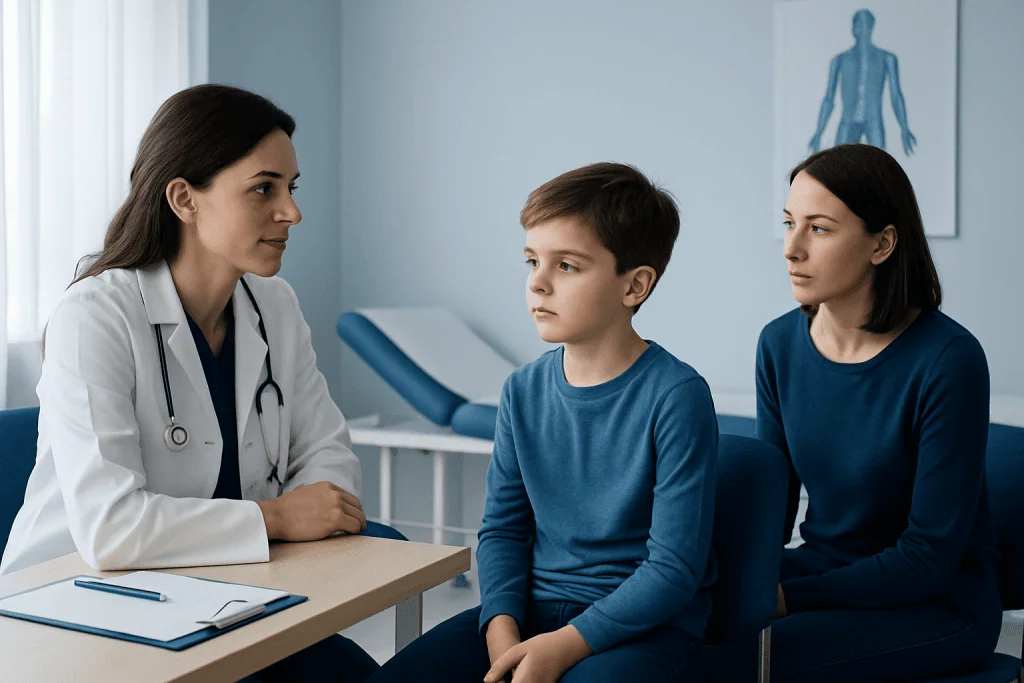
Neuromuscular disease in children is not a single illness. It is a broad category that includes inherited and non-inherited conditions. In many cases, the cause is genetic, meaning a change in a gene affects how muscles or nerves develop or function. This can happen even when there is no known family history, because some genetic changes arise for the first time in a child or are passed on silently through generations.
Doctors often group these disorders by the part of the motor system that is affected. Muscle disorders include muscular dystrophies and congenital myopathies. Motor neuron disorders include spinal muscular atrophy. Peripheral nerve disorders include hereditary neuropathies. Neuromuscular junction disorders affect the signaling between nerve and muscle, such as congenital myasthenic syndromes.
Risk factors depend on the condition. A family history of muscle disease, unexplained childhood weakness, early use of wheelchairs, or infant deaths may increase suspicion of an inherited disorder. Consanguinity in the family can also raise the likelihood of certain recessive conditions. However, many affected children have no obvious risk factors.
It is also important to remember that weakness and delayed milestones are not always caused by a primary neuromuscular disorder. Nutritional deficiencies, endocrine disorders, metabolic disease, brain injury, genetic syndromes, and some inflammatory or infectious conditions may cause similar symptoms. Because the possible causes overlap, professional evaluation is essential.
How Doctors Make the Diagnosis
Diagnosis begins with a detailed history and physical examination. The doctor asks when concerns started, whether the child met early milestones on time, and if symptoms are stable, improving, or getting worse. Family history is very important, as are questions about feeding, breathing, sleep, falls, exercise tolerance, and whether the child has lost any previously acquired skills.
On examination, the clinician looks at muscle tone, strength, reflexes, posture, gait, joint mobility, and coordination. The pattern of weakness can offer important clues. For example, weakness mainly in the hips and shoulders may suggest a muscle disorder, while reduced reflexes and sensory changes may point toward a nerve problem. The doctor also checks for scoliosis, contractures, and signs of breathing muscle weakness.
Tests are chosen based on the child’s symptoms and examination findings. Blood tests may include creatine kinase, which can be elevated in some muscle diseases. Genetic testing is increasingly central because it can confirm many inherited conditions. Additional studies may include nerve conduction studies, electromyography, muscle MRI, sleep studies, breathing tests, or occasionally a muscle biopsy.
Diagnosis may involve a team that includes a pediatric neurologist, geneticist, rehabilitation specialist, pulmonologist, cardiologist, dietitian, and speech or physical therapist. This team approach helps not only in naming the condition but also in understanding how it affects the child’s overall health and development.
Treatment Options and Supportive Care
Treatment depends on the exact diagnosis. Some neuromuscular conditions now have disease-specific therapies, while others are managed mainly with supportive care. The main goals are to preserve strength and mobility, prevent complications, support breathing and nutrition, and help the child take part in daily life, school, and play as fully as possible.
Rehabilitation is a key part of care. Physical therapy can help maintain flexibility, posture, and functional movement, while occupational therapy supports daily activities such as dressing, writing, and play. Speech and language therapists may help with feeding, swallowing, and communication when these are affected. In children with mobility limitations, braces, standing devices, walkers, or wheelchairs can improve independence and safety.
Some children need respiratory support, especially during sleep, if breathing muscles are weak. Nutritional support may be needed when chewing or swallowing is difficult or when energy needs change. In selected cases, doctors may discuss physical therapy and rehabilitation, genetic testing, or specialized respiratory and orthopedic interventions as part of ongoing care.
Because neuromuscular conditions can affect several body systems, regular follow-up is important. Depending on the disorder, monitoring may include heart checks, lung function testing, bone health assessment, and scoliosis screening. Families benefit from practical education, emotional support, and coordinated care plans that adapt as the child grows.
Prevention, Self-care, and Daily Living
Many inherited neuromuscular disorders cannot be prevented. However, early recognition and consistent care can reduce complications and support the best possible function. Families should follow the child’s therapy plan, attend regular specialist visits, and keep vaccinations and routine health care up to date unless the child’s doctor advises otherwise.
At home, energy conservation can make a difference. Children often benefit from balanced activity with rest breaks, rather than pushing through exhaustion. Safe exercise recommended by the care team may help maintain flexibility and participation without overstraining weak muscles. Stretching, posture support, and good seating or sleep positioning may also be useful.
Nutrition is another important area. If a child has difficulty chewing, swallowing, or gaining weight, a dietitian and speech therapist can suggest safer textures and feeding strategies. Families should also watch for signs of nighttime breathing problems, such as poor sleep, morning headaches, snoring, or unusual daytime sleepiness, and report them to the doctor.
Genetic counseling may help families understand inheritance patterns and future family planning options. School support can also be important, including accommodations for fatigue, mobility needs, writing difficulties, or access within the classroom. Near the end of the diagnostic and treatment journey, some families seek multidisciplinary care at centers such as Acibadem International, where JCI-accredited hospitals care for international patients with pediatric neurological and neuromuscular conditions.
When to See a Doctor
A child should be seen by a doctor if weakness is persistent, unexplained, or affecting normal development. Delayed motor milestones, frequent falls, trouble running compared with peers, or difficulty rising from the floor are all reasons to arrange an assessment. Parents should also seek advice if a baby seems very floppy, has poor head control, or struggles with feeding.
Prompt medical attention is especially important if a child is losing skills they once had. Skill regression can include no longer walking as well, becoming unable to climb stairs, weaker hand use, or worsening speech or swallowing. These changes deserve evaluation even if they seem gradual.
Urgent medical care is needed for breathing difficulty, bluish lips, choking, repeated aspiration, severe swallowing problems, or marked weakness that appears suddenly. Sudden weakness has many possible causes and should not be assumed to be a chronic neuromuscular condition. It is safest to have it assessed immediately.
If a neuromuscular disorder is suspected, the child may be referred to a pediatric neurologist for further testing. Early specialist review can help clarify the diagnosis, connect the family with therapies, and identify treatments or monitoring that may make a meaningful difference over time.
Frequently asked questions
What is neuromuscular disease in children?
Neuromuscular disease in children refers to conditions that affect the muscles, nerves, motor neurons, or the connection between nerves and muscles. These disorders can lead to weakness, delayed motor milestones, fatigue, and sometimes feeding or breathing difficulties.
Can delayed walking mean a child has a neuromuscular disorder?
Delayed walking can be one sign, but it does not always mean a child has a neuromuscular disease. Some children walk later for non-serious reasons, while others may have orthopedic, developmental, or neurological causes that need evaluation.
Are neuromuscular diseases inherited?
Many pediatric neuromuscular disorders are genetic, but not all are inherited in the same way. Some run in families, while others result from a new genetic change in the child with no previous family history.
How are these conditions diagnosed?
Doctors diagnose these disorders using the child’s history, physical examination, and selected tests such as blood tests, genetic testing, nerve and muscle studies, or imaging. The exact testing plan depends on the child’s symptoms and the suspected condition.
Can neuromuscular disease in children be treated?
Treatment depends on the specific disorder. Some conditions have targeted therapies, while many are managed with supportive care such as physical therapy, respiratory support, nutrition guidance, and assistive devices.
What symptoms need urgent medical attention?
Breathing problems, choking, severe swallowing difficulty, bluish lips, or sudden worsening weakness should be assessed urgently. These symptoms can signal complications that need prompt medical care.
References
- World Health Organization
- American Academy of Pediatrics
- National Institute of Neurological Disorders and Stroke
- Centers for Disease Control and Prevention
- Muscular Dystrophy Association
This article is for general information only and is not a substitute for professional medical advice. Please consult a qualified doctor about your individual situation.
Joint and spine care in Turkey — expert assessment & treatment
JCI-accredited · board-certified surgeons · reply within 24h
Add us as a Preferred Source to see more of our trusted health content across Google Search, AI Overviews and Discover.

Pediatrics
Complete healthcare for infants, children and adolescents across all sub-specialties.
232 specialists in this unit