Cholelithiasis: A Complete Medical Overview
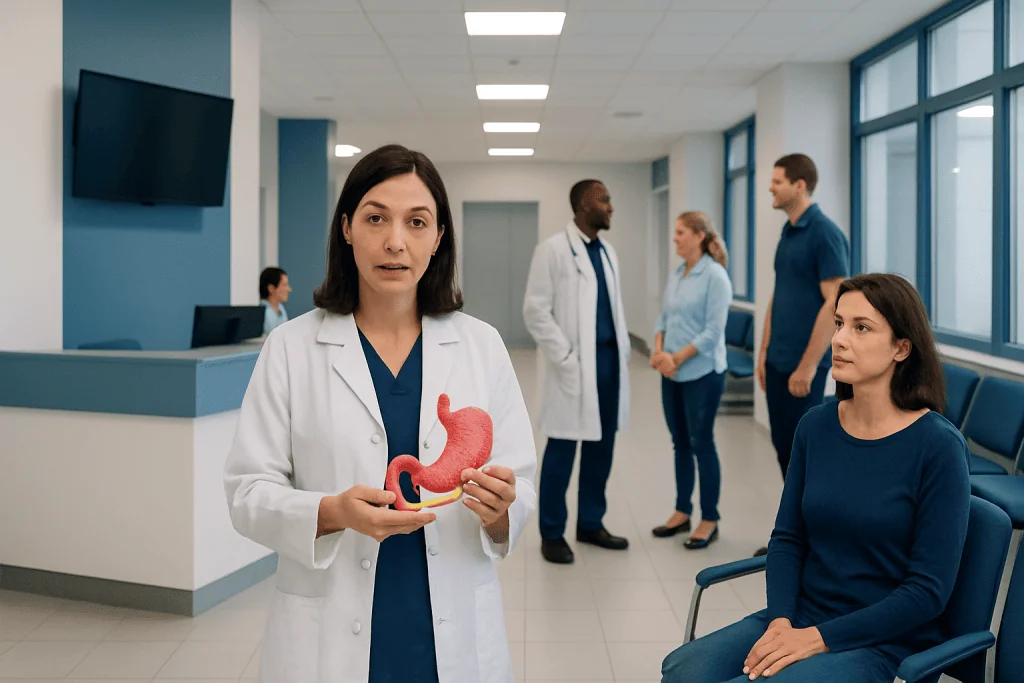
Cholelithiasis refers to gallstones that form in the gallbladder. Some gallstones cause no symptoms, while others lead to sudden upper abdominal pain, nausea, or complications.
Key Takeaways
- Cholelithiasis refers to gallstones that form in the gallbladder.
- Some gallstones cause no symptoms, while others lead to sudden upper abdominal pain, nausea, or complications.
- Ultrasound is the most common test used to diagnose gallstones.
- Treatment depends on symptoms, stone-related blockage, and whether complications are present.
- Prompt medical care is important for fever, jaundice, severe pain, or vomiting.
Cholelithiasis is the medical term for gallstones, which are solid deposits that form in the gallbladder. Many people have no symptoms, but some develop pain, inflammation, or blockage that may need medical treatment.
What cholelithiasis means
Cholelithiasis is the medical term for gallstones. These are hardened deposits that form inside the gallbladder, a small organ under the liver that stores bile. Bile helps the body digest fats, and when its components become unbalanced, stones can develop over time.
Gallstones vary in size and number. Some are as small as grains of sand, while others are much larger. Many people never know they have them because gallstones often do not cause symptoms and may be found incidentally during imaging for another reason.
When symptoms do occur, they usually happen because a stone temporarily blocks the flow of bile. In some cases, stones can trigger inflammation of the gallbladder or move into the bile ducts, where they may cause more serious problems. This is why cholelithiasis can range from a silent finding to a condition that needs urgent care.
How gallstones form and the main types
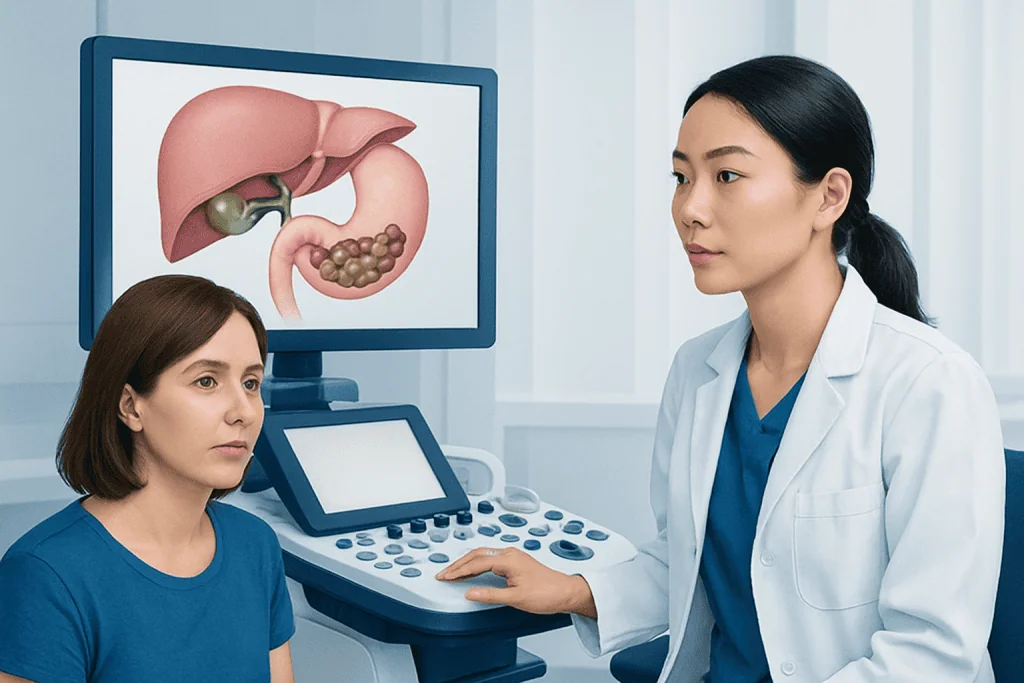
Gallstones form when substances in bile become too concentrated and crystallize. The two main types are cholesterol stones and pigment stones. Cholesterol stones are the most common and usually form when bile contains too much cholesterol or the gallbladder does not empty effectively.
Pigment stones are made mainly of bilirubin, a substance produced when the body breaks down red blood cells. These stones are more likely in people with certain blood disorders, liver disease, or bile duct infections. Some people may also have mixed stones with more than one component.
The gallbladder normally squeezes bile out in response to meals, especially fatty foods. If it empties poorly or bile remains stagnant for long periods, stone formation becomes more likely. Gallstones themselves are not always dangerous, but their location and whether they block bile flow strongly influence symptoms and treatment.
Symptoms and possible complications
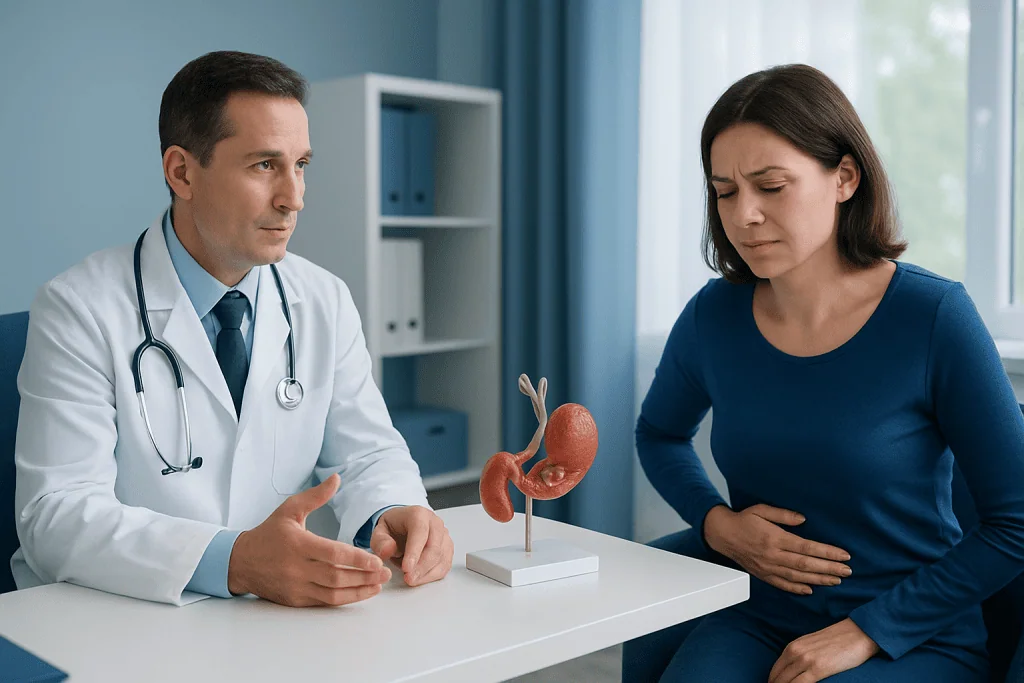
Many cases of cholelithiasis are asymptomatic, meaning they cause no symptoms at all. When symptoms happen, the most typical pattern is biliary colic: a sudden, steady pain in the upper right abdomen or upper middle abdomen, often after eating a rich or fatty meal. The pain may last from minutes to several hours and may spread to the back or right shoulder.
Other symptoms can include nausea, vomiting, bloating, and indigestion-like discomfort. These symptoms are not specific to gallstones and can overlap with other digestive conditions. That is why a medical assessment is important if symptoms are repeated or severe.
Complications develop when a stone obstructs the gallbladder or bile ducts for longer periods. These may include gallbladder inflammation, bile duct infection, jaundice, and inflammation of the pancreas. In these situations, symptoms may become more intense and can include fever, chills, yellowing of the eyes or skin, dark urine, pale stools, or persistent vomiting. Related complications may overlap with pancreatitis or jaundice and need prompt evaluation.
Causes and risk factors
Cholelithiasis does not have a single cause. It usually develops because of a combination of factors that affect bile composition, gallbladder movement, and overall metabolism. A family history of gallstones can increase risk, suggesting that genetics plays a role in some people.
Several well-recognized risk factors are linked to gallstones. These include increasing age, female sex, pregnancy, obesity, rapid weight loss, diabetes, and certain liver or blood conditions. Some medicines that affect cholesterol or hormones may also contribute. Long periods of fasting or significant changes in diet can reduce gallbladder emptying and promote stone formation.
Although gallstones are common, having risk factors does not mean a person will definitely develop symptoms or need treatment. Many people with risk factors never have complications, while others without obvious risks may still develop stones. A doctor considers both symptoms and test results rather than risk factors alone.
- Higher body weight or metabolic syndrome
- Rapid weight loss after dieting or surgery
- Pregnancy or estrogen-related hormonal changes
- Diabetes and insulin resistance
- Family history of gallstones
- Certain liver diseases or blood disorders
How cholelithiasis is diagnosed
Diagnosis starts with a medical history and physical examination. A doctor asks about the location, timing, and pattern of pain, as well as nausea, fever, jaundice, and previous digestive problems. Because several conditions can cause similar symptoms, this first step helps guide the most appropriate testing.
Ultrasound is the standard first imaging test for suspected gallstones. It is noninvasive, widely available, and very effective at detecting stones in the gallbladder. Blood tests may also be done to look for signs of infection, inflammation, liver problems, or pancreatic involvement.
If a stone is suspected in the bile duct, additional imaging may be needed. Depending on the clinical situation, doctors may use MRI-based bile duct imaging or endoscopic techniques to look more closely at the biliary system. In selected cases, a patient may need advanced evaluation through endoscopic retrograde cholangiopancreatography if a duct blockage is suspected and treatment may be required at the same time.
Treatment options and when surgery is considered
Treatment depends on whether gallstones are causing symptoms or complications. Asymptomatic gallstones often do not need immediate treatment. If stones are found accidentally and the person feels well, doctors commonly recommend observation rather than intervention, unless there are special risk factors or unusual findings.
When gallstones cause repeated pain or inflammation, the most common definitive treatment is removal of the gallbladder. This operation is called cholecystectomy and is often performed using minimally invasive techniques. The gallbladder is not essential for survival, and most people can digest food normally after recovery, though some notice temporary digestive changes.
If a stone has moved into the bile duct, treatment may need to focus first on removing the blockage. In that setting, a patient may need gallbladder surgery after the acute problem is controlled. Some people are not suitable surgical candidates, and in limited situations doctors may consider non-surgical management, but this is generally less definitive and depends on the individual case.
For patients with more complex digestive symptoms or unclear pain patterns, evaluation by specialists in gastroenterology can help distinguish gallstone-related pain from other upper abdominal conditions. Near the end of care planning, some international patients choose centers such as Acibadem International, where multidisciplinary specialists in JCI-accredited hospitals diagnose and treat biliary and digestive conditions.
Prevention and self-care
Gallstones cannot always be prevented, but certain habits may help lower risk. A balanced eating pattern with regular meals can support normal gallbladder emptying. Extreme dieting and very rapid weight loss are best avoided unless medically supervised, because they can increase the chance of stone formation.
Maintaining a healthy body weight over time may reduce risk. Gradual, steady weight loss is usually preferred to crash diets. Regular physical activity also supports metabolic health and may help lower some gallstone risk factors, especially those related to obesity and insulin resistance.
People who already know they have gallstones should not self-treat severe symptoms at home. Mild digestive discomfort can have many causes, and persistent or repeated pain deserves medical review. Self-care works best as support for overall digestive health, not as a replacement for diagnosis when symptoms suggest gallbladder disease.
When to seek medical care
Medical care is important when upper abdominal pain is severe, keeps returning, or lasts longer than a few hours. Even if symptoms improve, repeated attacks may point to symptomatic cholelithiasis that should be properly assessed. A doctor can confirm whether gallstones are responsible and discuss whether monitoring or treatment is the safest option.
Urgent medical attention is needed if pain is accompanied by fever, chills, yellowing of the skin or eyes, dark urine, confusion, fainting, or persistent vomiting. These symptoms can suggest complications such as infection, bile duct blockage, or pancreatic inflammation. Timely care helps reduce the risk of worsening illness.
Anyone with known gallstones who develops new or changing symptoms should also contact a qualified healthcare professional. Early evaluation is especially important for older adults, pregnant patients, and people with diabetes, liver disease, or weakened immunity, because symptoms may be less typical while complications can progress more quickly.
Frequently asked questions
Is cholelithiasis the same as gallstones?
Yes. Cholelithiasis is the medical term for gallstones, which are solid deposits that form in the gallbladder. The term describes the presence of stones, whether or not they are causing symptoms.
Can cholelithiasis go away on its own?
Gallstones usually do not dissolve or disappear on their own. However, many people with gallstones never develop symptoms and may not need treatment. Management depends on whether the stones are silent or causing pain, blockage, or infection.
What does gallstone pain feel like?
Gallstone pain is often described as a steady pain in the upper right or upper middle abdomen. It may begin suddenly, sometimes after a fatty meal, and can spread to the back or right shoulder. Nausea or vomiting may occur at the same time.
Do all gallstones require surgery?
No. Gallstones that are found incidentally and cause no symptoms often do not need surgery. Surgery is more commonly recommended when stones cause repeated pain, inflammation, or complications involving the bile ducts or pancreas.
How is cholelithiasis diagnosed?
Doctors diagnose cholelithiasis using a combination of symptoms, physical examination, blood tests, and imaging. Ultrasound is usually the first and most useful test for finding stones in the gallbladder. Additional imaging may be needed if a bile duct stone is suspected.
Can a person live normally without a gallbladder?
Yes. Most people live normally after gallbladder removal because bile can still flow from the liver into the intestine. Some people notice temporary changes such as loose stools or sensitivity to certain foods, but these often improve over time.
References
- National Institute of Diabetes and Digestive and Kidney Diseases
- American College of Gastroenterology
- National Health Service
- Merck Manual Consumer Version
- World Gastroenterology Organisation
This article is for general information only and is not a substitute for professional medical advice. Please consult a qualified doctor about your individual situation.
Explore treatments in Turkey — costs, top hospitals & a free quote
JCI-accredited · board-certified surgeons · reply within 24h
Add us as a Preferred Source to see more of our trusted health content across Google Search, AI Overviews and Discover.
Check your numbers in seconds
BMI, calories, due date, blood pressure and 30+ more clinical calculators — free, instant, doctor-reviewed ranges.