Choosing a Hospital for Neurological Sleep Testing: What Patients Should Look For
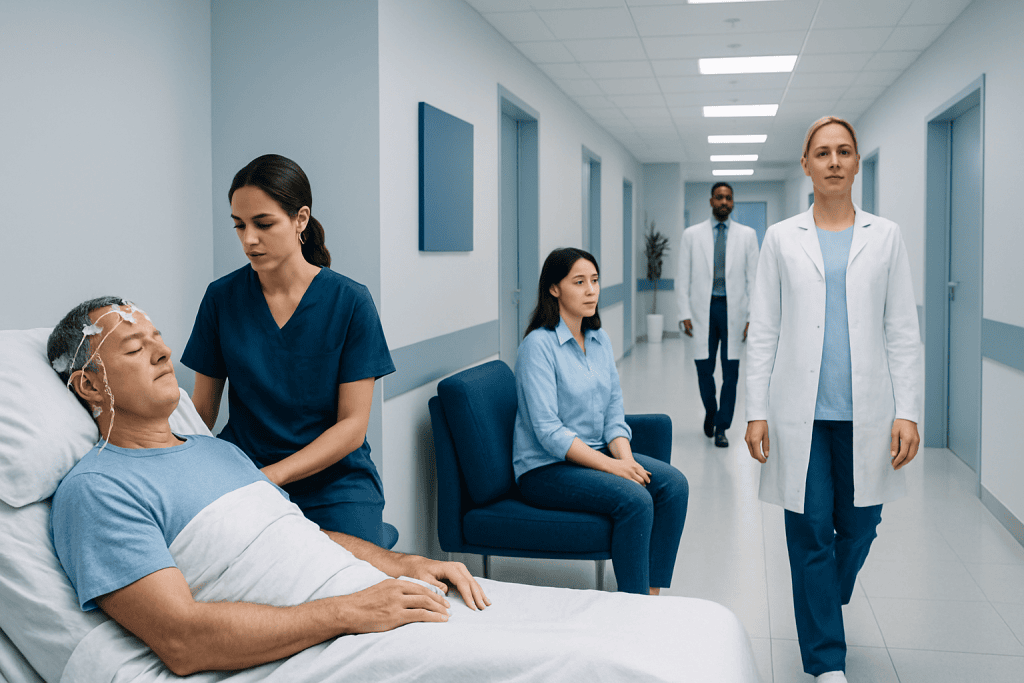
A good hospital for neurological sleep testing offers specialist-led evaluation, not just an overnight test. Accredited sleep laboratories and experienced staff improve comfort, safety, and test quality.
Key Takeaways
- A good hospital for neurological sleep testing offers specialist-led evaluation, not just an overnight test.
- Accredited sleep laboratories and experienced staff improve comfort, safety, and test quality.
- The best centers can diagnose both common sleep problems and complex neurological sleep disorders.
- Clear follow-up plans matter, including treatment, education, and communication with other doctors.
- Patients should ask practical questions about preparation, costs, test types, and how results are explained.
Choosing a hospital for neurological sleep testing involves more than finding a place that performs sleep studies. Patients benefit most from centers with experienced sleep specialists, modern diagnostic tools, clear reporting, and coordinated treatment options if a neurological sleep disorder is found.
Overview: Why Hospital Choice Matters
Neurological sleep testing helps doctors understand sleep-related symptoms that may involve the brain, nerves, breathing, movement, or behavior during sleep. People may be referred for testing because of excessive daytime sleepiness, unusual movements at night, suspected seizures during sleep, vivid dream enactment, persistent insomnia, or breathing pauses that affect sleep quality and overall health.
Not every sleep center offers the same level of expertise. Some facilities mainly evaluate common breathing-related sleep disorders, while others are equipped to assess more complex neurological sleep conditions. For patients whose symptoms may involve the nervous system, choosing a hospital with neurological sleep medicine experience can make diagnosis more accurate and treatment more targeted.
A hospital-based program may also be especially helpful when symptoms overlap across specialties. For example, a person may need assessment for sleep apnea, nighttime seizures, movement disorders, or a condition such as Parkinson's disease that can affect sleep. In these cases, access to neurology, pulmonology, imaging, and other hospital services in one setting can make care more coordinated and efficient.
What Neurological Sleep Testing May Include
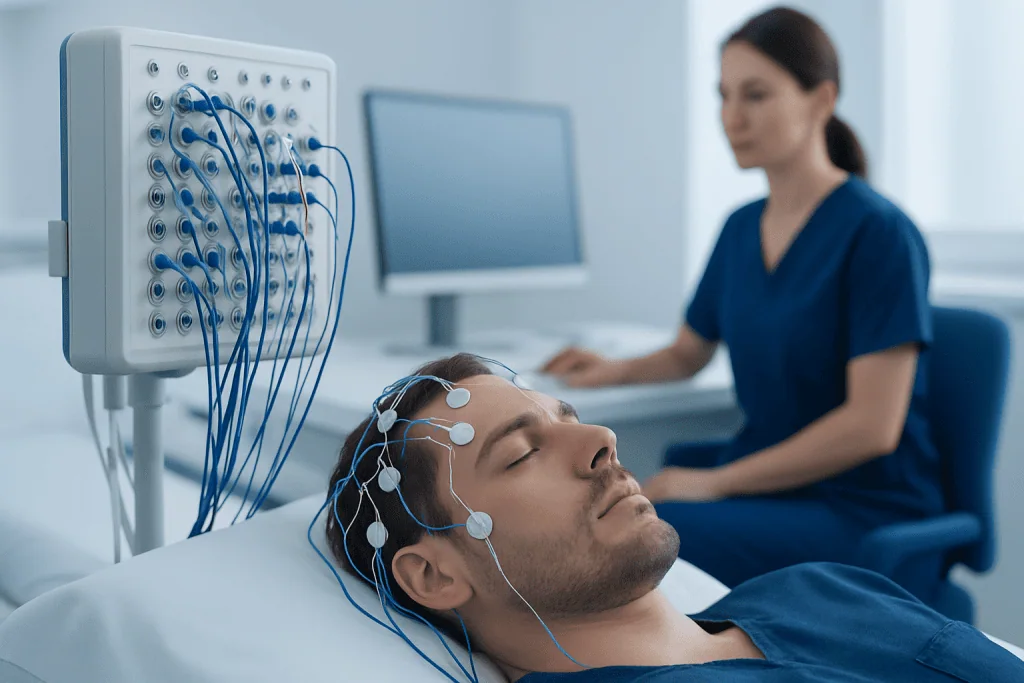
The term neurological sleep testing often includes overnight polysomnography, a detailed sleep study that records brain waves, breathing, oxygen levels, heart rhythm, eye movements, muscle activity, and leg movements. This information helps doctors identify patterns linked to sleep apnea, periodic limb movements, parasomnias, REM sleep behavior disorder, nocturnal seizures, and other problems.
Some patients may also need additional testing, depending on symptoms. These may include a multiple sleep latency test for excessive daytime sleepiness, actigraphy to track sleep-wake patterns over several days, home sleep apnea testing in selected cases, video-EEG monitoring when seizures are suspected, or imaging studies such as MRI if doctors need more information about the brain or related structures.
A strong hospital program explains which test is most appropriate and why. Rather than offering a one-size-fits-all study, experienced teams tailor testing to the person’s symptoms, age, medical history, medications, and safety needs.
Key Features of a High-Quality Hospital Sleep Program
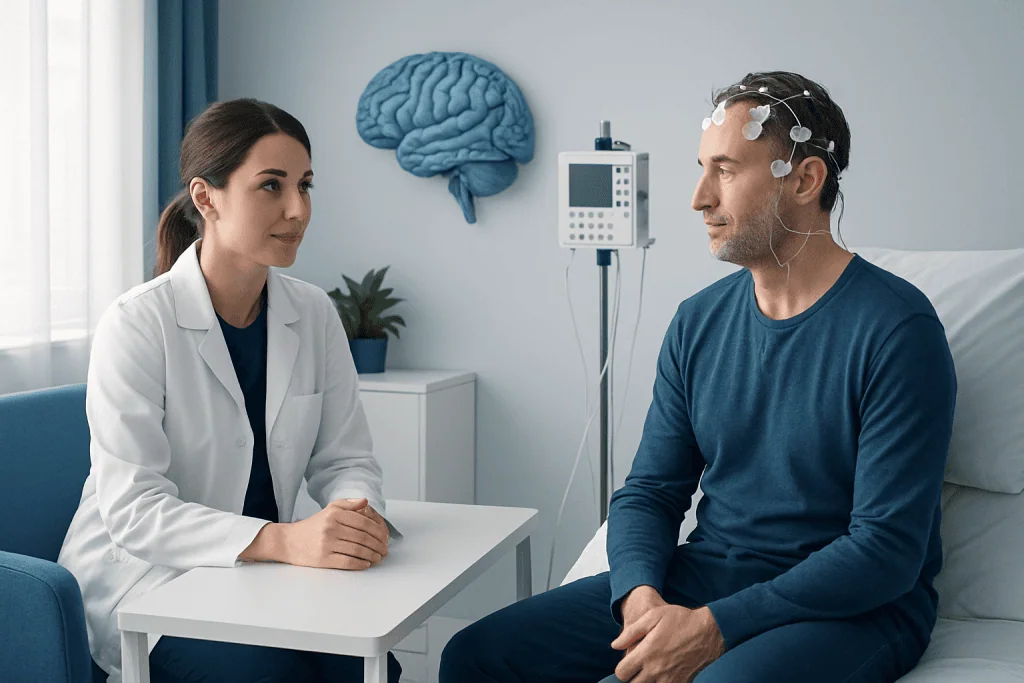
Patients can start by looking for a hospital with a dedicated sleep laboratory and clinicians trained in sleep medicine, especially neurological sleep medicine when symptoms suggest a nervous system cause. The presence of board-certified sleep specialists, neurologists, and skilled sleep technologists is an important sign that testing will be interpreted in the right clinical context.
Quality also depends on the sleep lab itself. Comfortable rooms, reliable monitoring equipment, synchronized video recording when needed, and staff who can respond overnight all help produce a useful study. Hospitals that regularly evaluate complex cases are often better prepared to manage patients with epilepsy, neurodegenerative disease, mobility limitations, or multiple medical conditions.
It is also helpful to ask whether the hospital follows recognized sleep testing standards and whether reports are reviewed by physicians with relevant expertise. A high-quality program should be able to evaluate both common conditions like sleep apnea and less common neurological sleep disorders without unnecessary delays or repeated testing.
- Specialists in sleep medicine and neurology
- Accredited or standards-based sleep laboratory practices
- Modern diagnostic equipment and video monitoring when appropriate
- Clear safety protocols for children, older adults, and medically complex patients
- Structured follow-up after testing
Questions Patients Should Ask Before Booking
Asking a few practical questions can help patients compare hospitals more confidently. It is reasonable to ask who will review the study, whether the center handles neurological sleep disorders, how long results usually take, and what the next step will be if the test is abnormal. Patients should also ask whether translation support, international patient coordination, or insurance guidance is available if relevant.
Another useful topic is the type of testing offered. Some symptoms can be assessed with a standard overnight study, while others may require a daytime nap test, extended EEG recording, or evaluation by multiple specialists. A center that can explain these options clearly is often more prepared to deliver individualized care.
Comfort and logistics matter too. Patients may wish to ask about room setup, whether a family member can accompany them when needed, what medications to continue, and how to prepare for the study. These details can reduce stress and improve the chance of a smooth, successful test night.
- Which specialists are involved in interpretation and follow-up?
- Is testing available for complex neurological sleep symptoms?
- What should the patient bring, avoid, or continue before the test?
- How and when are results explained?
- What treatment options are available if a disorder is diagnosed?
Why Multidisciplinary Care Is Important
Sleep symptoms do not always fit neatly into one category. Snoring and daytime fatigue may suggest a breathing disorder, while dream enactment, nighttime jerking, memory changes, headaches, or mood symptoms may point toward neurological or other medical causes. A hospital that brings together sleep medicine, neurology, pulmonology, ENT, cardiology, psychiatry, and rehabilitation can give a more complete picture.
This coordinated approach is particularly valuable when sleep disorders occur alongside chronic neurological conditions. Patients with epilepsy, stroke, neurodegenerative disease, neuropathy, or movement disorders may need testing that takes these issues into account. In some cases, doctors may recommend related evaluations such as EEG or consultation with a specialist in movement disorders or epilepsy.
Multidisciplinary care also supports treatment planning after diagnosis. For example, a person diagnosed with obstructive sleep apnea may need lifestyle guidance, device-based therapy, or in selected cases sleep apnea treatment. Someone with REM sleep behavior disorder, restless legs syndrome, or a seizure-related condition may need neurological follow-up, medication review, and long-term monitoring.
Understanding Results and Follow-Up Care
A useful sleep study does not end with a technical report. Patients should receive a clear explanation of what was found, what remains uncertain, and what the recommended next steps are. Good hospitals provide reports in understandable language and give patients time to ask questions about the diagnosis, severity, likely causes, and treatment choices.
Follow-up care may include lifestyle measures, sleep hygiene advice, medication review, further testing, positive airway pressure therapy, dental referral, or specialist neurological assessment. If symptoms involve breathing, movement, or unusual nighttime behaviors, ongoing care may be just as important as the study itself.
Patients should also consider how the hospital communicates with other doctors. Sharing results with a primary care physician, neurologist, pulmonologist, or surgeon can prevent fragmented care. This is especially helpful for people with chronic illnesses, older adults, and international patients who may continue part of their care closer to home.
Practical Considerations: Safety, Comfort, and Access
Technical quality matters, but so do patient experience and safety. A hospital should provide a clean, quiet environment and staff trained to assist people who may have mobility problems, anxiety, cognitive changes, or nighttime behaviors. Overnight monitoring can feel unfamiliar, so supportive staff and good communication are important parts of quality care.
Access is another practical factor. Patients may want to compare waiting times, whether outpatient and inpatient testing are available, and whether urgent evaluation is possible when symptoms raise concern for seizures, severe sleepiness, or significant breathing problems. For some people, being tested in a full hospital offers additional reassurance because emergency and specialist services are nearby if needed.
International and traveling patients may also value coordinated scheduling, interpreter support, and help organizing consultations in one visit. Near the end of the care pathway, a center such as Acibadem International may assist through multidisciplinary specialists and JCI-accredited hospitals that diagnose and treat neurological sleep conditions for international patients.
When to Seek Medical Advice Promptly
Patients should arrange medical evaluation if sleep symptoms are frequent, worsening, or affecting daytime safety, work, mood, or concentration. Loud snoring with witnessed breathing pauses, severe daytime sleepiness, unusual movements during sleep, acting out dreams, frequent nighttime confusion, or suspected seizures all deserve professional assessment.
Prompt advice is especially important when sleep-related symptoms occur with fainting, significant memory changes, new neurological symptoms, chest discomfort, or accidents related to sleepiness. In children, older adults, and people with known neurological disease, subtle sleep changes can also be clinically important.
Choosing the right hospital can help patients move from uncertainty to a clearer diagnosis and plan. While no single center is ideal for every person, hospitals with specialist expertise, strong diagnostics, and reliable follow-up are generally best positioned to provide safe, individualized neurological sleep testing.
Frequently asked questions
What is neurological sleep testing?
Neurological sleep testing evaluates sleep problems that may involve the brain, nerves, behavior, breathing, or movement during sleep. It often includes overnight polysomnography and may be combined with other tests, depending on the person's symptoms.
How is a neurological sleep test different from a standard sleep study?
A standard sleep study often focuses on breathing-related problems such as sleep apnea. Neurological sleep testing may go further by assessing brain activity, seizures, unusual movements, dream enactment, or other nervous system-related sleep disorders.
Who may need to choose a hospital with neurological sleep expertise?
People with suspected nighttime seizures, unusual movements in sleep, acting out dreams, unexplained daytime sleepiness, or sleep problems linked to neurological disease may benefit most. A hospital with neurological sleep expertise can be especially helpful when symptoms are complex or overlap with other conditions.
What should patients ask before scheduling a sleep study?
Patients can ask who interprets the study, what kind of test is recommended, how to prepare, and how results will be explained. It is also helpful to ask what treatment and follow-up options are available if a disorder is diagnosed.
Are hospital-based sleep tests always necessary?
Not always. Some patients with straightforward suspected sleep apnea may be suitable for home testing, but more complex symptoms often require hospital or lab-based evaluation for accurate diagnosis and safer monitoring.
How long does it take to get results from neurological sleep testing?
Timing varies by hospital and by the complexity of the test. In many cases, data must be carefully reviewed by trained specialists before a final report is discussed with the patient.
References
- American Academy of Sleep Medicine
- National Institute of Neurological Disorders and Stroke
- National Heart, Lung, and Blood Institute
- American Academy of Neurology
- Mayo Clinic
This article is for general information only and is not a substitute for professional medical advice. Please consult a qualified doctor about your individual situation.
Explore treatments in Turkey — costs, top hospitals & a free quote
JCI-accredited · board-certified surgeons · reply within 24h
Add us as a Preferred Source to see more of our trusted health content across Google Search, AI Overviews and Discover.