

Choosing a Neuro-Ophthalmology Center: Questions Patients Should Ask

A strong neuro-ophthalmology center combines eye and neurological expertise. Patients should ask about specialist experience with their specific symptoms or diagnosis.
Key Takeaways
- A strong neuro-ophthalmology center combines eye and neurological expertise.
- Patients should ask about specialist experience with their specific symptoms or diagnosis.
- Advanced testing, clear communication, and coordinated care are important when vision problems may have a neurological cause.
- Follow-up planning matters because some neuro-ophthalmic conditions need monitoring over time.
- Patients benefit from understanding how urgent symptoms are handled and how treatment decisions are made.
Choosing a neuro-ophthalmology center can feel overwhelming, especially when symptoms affect both vision and the nervous system. Knowing which questions to ask can help patients find a center with the right expertise, diagnostic tools, and coordinated care.
Overview: What a Neuro-Ophthalmology Center Does
A neuro-ophthalmology center evaluates vision problems that may be linked to the brain, optic nerves, eye movements, or other parts of the nervous system. These centers care for people with symptoms such as double vision, sudden or progressive vision loss, abnormal pupils, drooping eyelids, visual field loss, and optic nerve swelling. Because these concerns can involve more than one body system, evaluation often requires both ophthalmic and neurological expertise.
Unlike routine eye care, neuro-ophthalmology focuses on the connection between the eyes and the nervous system. A patient may need testing of visual acuity, color vision, visual fields, eye movements, pupils, optic nerve appearance, and sometimes brain or orbit imaging. In some cases, the center also coordinates with neurology, neurosurgery, endocrinology, radiology, or rehabilitation specialists.
Choosing a center is not only about finding a specialist title. It is also about understanding whether the team can investigate the cause of symptoms carefully, explain findings clearly, and organize treatment and follow-up in a timely way. Asking thoughtful questions before or during the first visit can help patients make informed decisions and feel more confident in their care.
When a Neuro-Ophthalmology Evaluation May Be Needed
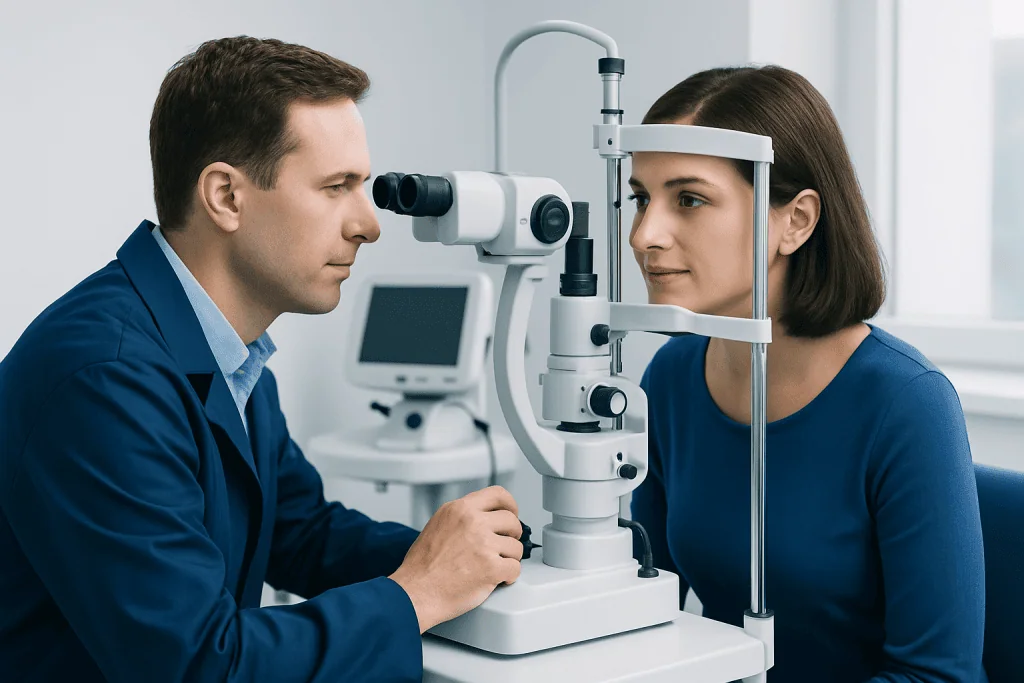
Patients are often referred to a neuro-ophthalmology center after an eye doctor, neurologist, emergency physician, or primary care doctor notices symptoms that do not fit a simple eye problem. Referral may be appropriate for unexplained vision loss, double vision, visual disturbances, optic nerve abnormalities, eyelid or pupil changes, or eye movement disorders. Sometimes a known neurological condition begins to affect vision, and specialized evaluation is needed to understand the extent and cause.
Common examples include optic neuritis, papilledema, cranial nerve palsies, myasthenia gravis affecting the eyes, thyroid eye disease, and vision symptoms related to migraine, stroke, tumors, inflammation, or raised intracranial pressure. Some patients are evaluated for conditions such as brain tumor when visual symptoms suggest pressure on the optic pathways. Others may need careful assessment when there is concern for multiple sclerosis or other neurological disorders.
Urgency varies. Sudden vision loss, new double vision, severe headache with visual symptoms, eye pain with vision changes, or signs of optic nerve swelling may need prompt medical attention. When choosing a center, it is reasonable to ask how quickly urgent cases are seen and what patients should do if symptoms worsen before the appointment.
Questions to Ask About Specialist Expertise
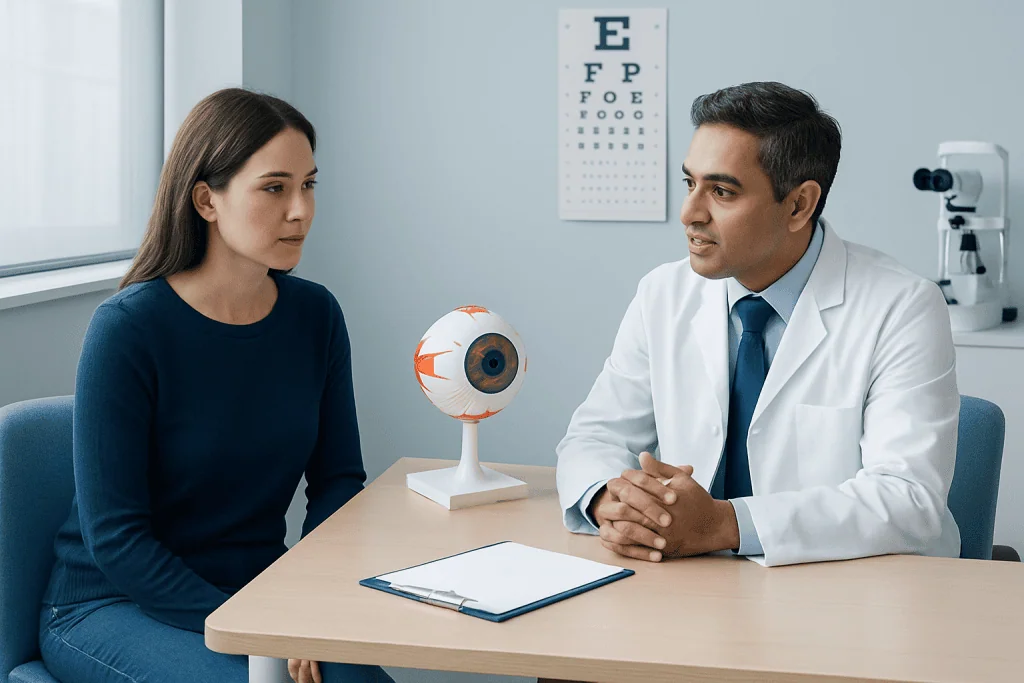
One of the most useful questions is whether the center regularly evaluates the specific problem a patient has. Neuro-ophthalmology covers a broad range of conditions, and centers may differ in their experience with optic nerve disease, visual field disorders, eye movement problems, unexplained visual symptoms, or complex neurological diagnoses. Patients can ask whether the doctor is fellowship-trained in neuro-ophthalmology and whether the team often manages similar cases.
It can also help to ask who will be involved in care. In some centers, the neuro-ophthalmologist works closely with neuroradiologists, neurologists, neurosurgeons, endocrinologists, and strabismus or retina specialists. This can be particularly important if diagnosis may require brain imaging, lumbar puncture, blood testing, or treatment across multiple specialties. A coordinated team may reduce delays and improve communication between doctors.
Patients may also want to ask how the center approaches second opinions or unclear diagnoses. Neuro-ophthalmic symptoms can sometimes have overlapping causes, and a careful review of prior scans, eye examinations, and laboratory results is often valuable. A good center should be comfortable explaining what is known, what remains uncertain, and what the next diagnostic steps are likely to be.
Questions to Ask About Testing and Diagnosis
Diagnostic testing is a key part of neuro-ophthalmology, so patients should ask what tests are available on site and which are commonly used for their symptoms. Depending on the clinical problem, evaluation may include visual field testing, optical coherence tomography of the optic nerve and retina, fundus photography, eye movement assessment, pupil testing, and review of MRI or CT scans. In some situations, blood tests or lumbar puncture may be recommended after the eye examination.
It is helpful to ask how results are interpreted in the context of the whole patient, rather than in isolation. For example, a visual field defect can relate to glaucoma, optic nerve disease, stroke, or a compressive lesion, and diagnosis depends on examination findings plus imaging and medical history. Patients should feel free to ask what each test is looking for and whether the results will change treatment decisions.
Practical questions matter too. Patients can ask whether testing is performed the same day, whether pupils will be dilated, how long the appointment may take, and whether previous scans or records should be brought in advance. If imaging is needed, the center may discuss options such as MRI scanning or other imaging studies to help identify the cause of symptoms. A clear plan for diagnosis can reduce uncertainty and make the process easier to manage.
Questions to Ask About Treatment Options and Care Coordination
Treatment depends on the underlying cause, so patients should ask how the center moves from diagnosis to a personalized care plan. Some neuro-ophthalmic conditions improve with medical treatment, while others require close observation, rehabilitation, surgery, or treatment by another specialty. The best centers explain not only what the diagnosis may be, but also why a particular treatment is recommended and what the expected goals are.
For example, treatment may include medicines to reduce inflammation, management of autoimmune disease, control of vascular risk factors, treatment of raised intracranial pressure, or surgery when there is a compressive lesion. If eye misalignment causes persistent double vision, patients may be referred for prism therapy or strabismus surgery in selected cases. If a structural brain problem is found, evaluation by specialists in neurosurgery may be part of the plan.
Coordination is especially important because neuro-ophthalmology often sits between specialties. Patients can ask who will explain the diagnosis, who will arrange referrals, and whether the center communicates directly with their neurologist, ophthalmologist, or primary doctor. This is also a good time to ask about follow-up intervals, warning signs that need urgent review, and whether vision changes can be monitored over time with repeat testing.
Questions to Ask About Practical Support, Access, and Follow-Up
High-quality care also depends on practical details. Patients may ask how quickly new appointments are available, whether urgent cases can be triaged sooner, and how test results are communicated. For people traveling long distances or coming from another country, it may be helpful to ask whether testing and consultations can be organized over one or two days when medically appropriate.
Another important question is what support is available after the first visit. Some conditions need repeated visual field tests, optic nerve monitoring, or follow-up imaging. Patients should know whether they will continue seeing the same specialist, how often follow-up is usually needed, and whether there is guidance for managing symptoms between visits.
Patients may also ask how the center supports visual function in daily life. Depending on the problem, this may include temporary measures for double vision, referral to low-vision services, occupational therapy, or driving and work-related counseling. Near the end of the decision process, some international patients choose centers such as Acibadem International, where multidisciplinary specialists in JCI-accredited hospitals evaluate and treat neuro-ophthalmic conditions with coordinated care planning.
Red Flags and Signs of a Patient-Centered Center
Patients often feel reassured when a center listens carefully, reviews previous records thoroughly, and explains findings in plain language. A patient-centered neuro-ophthalmology service should welcome questions and be honest when diagnosis takes time. It should also explain what symptoms could be urgent and what the patient should do if those symptoms appear.
There are also signs that a center may not be the right fit. Patients should be cautious if they are given a diagnosis without a clear explanation, if major symptoms are dismissed without adequate evaluation, or if communication between specialists seems fragmented. Because many neuro-ophthalmic disorders are complex, careful reasoning and follow-up are often more important than quick reassurance alone.
A helpful approach is to prepare a short list of questions before the visit. These may include: What is the leading diagnosis? What serious causes need to be ruled out? Which tests are essential? How urgent is treatment? What symptoms should prompt emergency care? Clear answers to these questions can help patients understand both the immediate plan and the longer-term outlook.
When to Seek Prompt Medical Attention
Some visual and neurological symptoms should not wait for a routine clinic appointment. Sudden vision loss, new or rapidly worsening double vision, severe headache with visual changes, eye pain with reduced vision, weakness, numbness, trouble speaking, or confusion may need urgent or emergency assessment. These symptoms can sometimes signal conditions that require prompt diagnosis and treatment.
Patients should also seek urgent care if one eye appears more prominent, if eyelid drooping is new and associated with pupil changes, or if optic nerve swelling has already been noted by another doctor. New symptoms after head injury also deserve prompt medical evaluation. Even when the cause turns out not to be serious, it is safest to have urgent symptoms assessed by a qualified medical team.
For non-emergency concerns, choosing a neuro-ophthalmology center thoughtfully can still make a meaningful difference. Asking the right questions about expertise, testing, treatment planning, and follow-up helps patients find care that is organized, informed, and responsive to their needs.
Frequently asked questions
What is a neuro-ophthalmology center?
A neuro-ophthalmology center evaluates vision problems that may involve the optic nerves, brain, eye movements, or other parts of the nervous system. It brings together expertise from eye care and neurology to help diagnose symptoms that are not explained by routine eye disease alone.
How is a neuro-ophthalmologist different from a general ophthalmologist?
A general ophthalmologist treats a wide range of eye conditions, while a neuro-ophthalmologist has additional expertise in vision problems related to the nervous system. They often assess double vision, unexplained vision loss, optic nerve disorders, abnormal pupils, and eye movement problems.
What records should patients bring to a neuro-ophthalmology appointment?
It is helpful to bring previous eye exam notes, MRI or CT reports, scan images if available, blood test results, and a list of medications. Patients should also bring a timeline of symptoms, including when they started and whether they are stable, improving, or worsening.
Will testing be done on the first visit?
Often, yes, but this depends on the center and the reason for referral. Many patients have vision testing, pupil and eye movement assessment, optic nerve evaluation, and sometimes visual field testing during the first visit, while additional imaging or laboratory tests may be arranged afterward.
Can a neuro-ophthalmology center treat the condition as well as diagnose it?
In many cases, yes. The center may begin treatment directly, monitor the condition over time, or coordinate care with other specialists such as neurologists, neurosurgeons, endocrinologists, or rehabilitation teams depending on the cause.
What symptoms should be considered urgent?
Sudden vision loss, new double vision, severe headache with visual symptoms, eye pain with decreased vision, and neurological symptoms such as weakness or trouble speaking should be assessed urgently. Patients should seek immediate medical care rather than waiting for a routine appointment if these symptoms occur.
References
- American Academy of Ophthalmology
- North American Neuro-Ophthalmology Society
- National Eye Institute
- National Institute of Neurological Disorders and Stroke
- Mayo Clinic
This article is for general information only and is not a substitute for professional medical advice. Please consult a qualified doctor about your individual situation.
Explore treatments in Turkey — costs, top hospitals & a free quote
JCI-accredited · board-certified surgeons · reply within 24h
Add us as a Preferred Source to see more of our trusted health content across Google Search, AI Overviews and Discover.

More from the Health Library

Related Specialists

Mehmet Sabah Ateş
Physical Medicine & Rehabilitation
Prof. Dr. Yasemin Şenyürek
General Surgery
Burcu Kocabey
Physical Medicine & Rehabilitation
Dr. Murat İçli
Ear Nose & Throat