Choosing the Right Cancer Hospital: Safety, Experience, and Support

A good cancer hospital combines strong safety systems with experienced multidisciplinary teams. Hospital experience in a specific cancer type can influence access to appropriate treatment options.
Key Takeaways
- A good cancer hospital combines strong safety systems with experienced multidisciplinary teams.
- Hospital experience in a specific cancer type can influence access to appropriate treatment options.
- Support services such as nutrition, pain management, psychology, and rehabilitation matter throughout treatment.
- Clear communication, second opinions, and treatment planning are important when comparing hospitals.
- Practical issues like travel, insurance, language support, and follow-up care should be reviewed early.
Choosing the right cancer hospital involves more than location or reputation alone. Patients and families often benefit from comparing safety standards, specialist experience, available treatments, and the practical support a hospital provides throughout care.
Overview: What Matters When Choosing a Cancer Hospital
Choosing the right cancer hospital can feel overwhelming, especially soon after a diagnosis. Many people naturally focus first on location or the hospital’s name, but the best choice is usually based on several factors together. These include safety standards, the experience of the oncology team, access to the right tests and treatments, and the support available before, during, and after care.
Cancer treatment is often complex and may involve more than one specialty. A person may need surgery, chemotherapy, radiation therapy, imaging, pathology review, genetic testing, nutrition support, pain control, and rehabilitation. For this reason, hospitals that work through a multidisciplinary team can help coordinate care more smoothly and create a treatment plan tailored to the individual.
Not every hospital is the best fit for every type of cancer. Some centers have particular expertise in common cancers such as breast, lung, or colorectal cancer, while others may be better equipped for rare or advanced cancers. Taking time to compare hospitals can help patients feel more informed and supported as they move into treatment.
Safety and Quality Standards to Look For
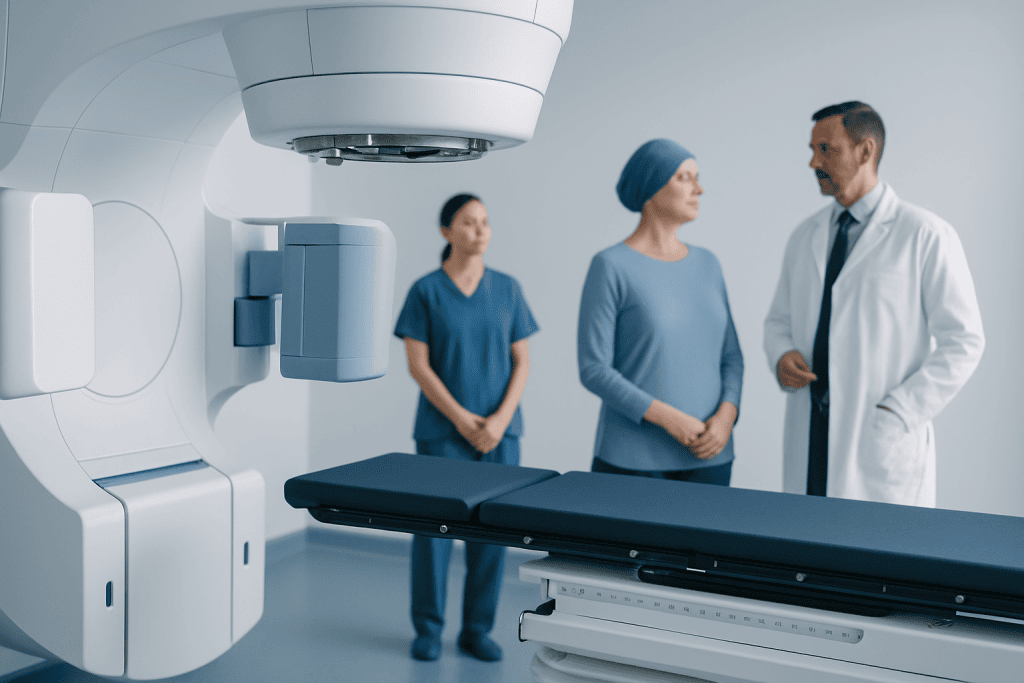
Safety is one of the most important parts of cancer care. A hospital should have strong systems for infection prevention, medication safety, blood transfusion practices, emergency response, and accurate patient identification. These may seem like background details, but they play a major role in protecting patients whose immune systems may be weakened by cancer or its treatment.
Quality also depends on how consistently the hospital follows evidence-based care. This includes using accepted treatment guidelines, reviewing cases in tumor boards, and monitoring outcomes and complications. Patients can ask whether the hospital has accreditation, whether care is delivered by trained oncology professionals, and whether treatment plans are reviewed by a team rather than a single doctor working alone.
Helpful signs of a quality-focused cancer hospital include:
- Accreditation or recognized quality standards
- Dedicated oncology nurses, pharmacists, and support staff
- Access to emergency care and intensive care if needed
- Structured infection control and patient safety policies
- Regular case review by multidisciplinary teams
If a patient is considering treatment abroad, international standards may be especially important. Clear coordination, interpreter services, and organized records transfer can also improve safety by reducing delays and misunderstandings.
Why Specialist Experience and Multidisciplinary Care Matter

Experience matters in cancer medicine, but it should be the right kind of experience. A hospital may be excellent overall, yet a patient may still want to know how often the team treats that specific cancer type and stage. This is especially relevant for rare cancers, complex surgeries, recurrent disease, or cancers that may benefit from specialized pathology, interventional radiology, or advanced radiation techniques.
Multidisciplinary care means specialists from different fields work together on diagnosis and treatment planning. This often includes medical oncologists, surgical oncologists, radiation oncologists, radiologists, pathologists, nuclear medicine experts, oncology nurses, psychologists, dietitians, and rehabilitation specialists. A team approach can help ensure that treatment options are discussed fully and in the right order.
Patients may find it useful to ask practical questions such as:
- Does the hospital regularly treat this specific cancer?
- Will the case be reviewed in a multidisciplinary tumor board?
- Who will coordinate the treatment plan?
- Is there access to specialized surgery, chemotherapy, or radiotherapy if needed?
- Can pathology slides or imaging be reviewed again for confirmation?
Strong communication within the team can reduce confusion and help patients understand their choices. This is particularly important when treatment may involve several steps over weeks or months.
Diagnostic Services and Treatment Options
Choosing a cancer hospital also means checking whether it can provide the diagnostic services needed for accurate treatment planning. Cancer care often begins with imaging, biopsy, pathology review, and laboratory tests. In some cases, additional tests such as molecular profiling or staging scans are needed to confirm the exact type of cancer and how far it has spread.
A hospital with broad diagnostic capabilities may help avoid unnecessary delays. Accurate diagnosis matters because treatment for one cancer subtype may be very different from treatment for another. For some people, a second pathology opinion or further imaging can change the treatment approach significantly.
Treatment options should also match the patient’s needs. Depending on the cancer, this may include surgery, systemic therapies, radiation therapy, interventional procedures, palliative care, or a combination of these. Access to modern oncology services, including PET-CT when appropriate, can support better staging and treatment planning. Patients dealing with blood cancers or highly specialized conditions may also benefit from hospitals that provide advanced care pathways such as bone marrow transplant services when indicated.
When comparing hospitals, patients can ask not only what treatments are offered, but also how decisions are made and how quickly care can begin. Timely coordination can reduce stress and help treatment start without avoidable interruptions.
Support Services for Patients and Families
Cancer care is not only about treating the disease itself. Supportive care can make a meaningful difference in comfort, recovery, emotional wellbeing, and daily functioning. A well-rounded cancer hospital usually offers services that help patients manage side effects, maintain nutrition, cope with stress, and stay as active as possible during treatment.
Useful support services may include oncology nutrition, pain medicine, psycho-oncology, social work, rehabilitation, fertility counseling, palliative care, and home-care planning. Patients may also need help with treatment education, medication instructions, symptom monitoring, and coordination between inpatient and outpatient visits.
Families and caregivers often need support too. Clear communication, access to nurse educators, and guidance on what to expect at home can help loved ones feel more prepared. Hospitals that encourage questions and explain plans in understandable language often make the treatment journey feel less confusing and isolating.
For international patients, practical support can be especially valuable. Interpreter services, appointment coordination, accommodation guidance, and help with medical records can reduce stress. Near the end of the decision process, some patients may choose centers such as Acibadem International, where multidisciplinary specialists in JCI-accredited hospitals diagnose and treat cancer for international patients.
Practical Questions: Access, Cost, Travel, and Follow-Up
The right cancer hospital should be a strong medical fit, but practical factors matter too. Even excellent treatment can become harder if travel is exhausting, appointments are difficult to schedule, or follow-up plans are unclear. Patients may benefit from discussing logistics early so they can prepare for treatment realistically.
Questions about insurance, payment, timing, and length of stay are often important. People traveling for care may need to know how many visits are expected, whether tests can be grouped together, and what kind of follow-up can happen closer to home. If treatment may continue for months, continuity of care becomes especially important.
It can help to ask:
- How soon can consultations, tests, and treatment start?
- Will one coordinator help organize appointments?
- What records should be brought, and can outside reports be reviewed?
- How will follow-up work after returning home?
- Are remote consultations available for selected follow-up visits?
Patients should also ask how side effects, urgent symptoms, or treatment complications are handled outside regular clinic hours. Reliable after-hours support can be a valuable part of safe cancer care.
How to Compare Hospitals and Make a Confident Decision
Comparing hospitals is often easier when patients make a short checklist. This can include the hospital’s safety standards, experience with the specific cancer, access to tests and treatments, communication style, support services, and practical issues such as travel and follow-up. Writing down questions before appointments can help people focus on what matters most to them.
A second opinion can also be helpful, especially for rare cancers, major surgery, or when more than one treatment path is possible. Seeking another opinion does not necessarily delay care or show a lack of trust. In many cases, it helps confirm the diagnosis and gives patients greater confidence in the final plan. For people researching a specific diagnosis, it may help to review trusted information about related conditions such as lung cancer or breast cancer before meeting the care team.
Patients and families may feel reassured by asking the team to explain the goal of treatment, expected benefits, possible side effects, and the alternatives. Good hospitals usually welcome these discussions and support shared decision-making. The best choice is often the hospital where the patient feels both medically well cared for and personally heard.
If there is uncertainty, it is reasonable to pause, gather records, ask for clarification, and compare options carefully. Taking a structured approach can turn a stressful decision into a more manageable one.
Frequently asked questions
What is the most important factor when choosing a cancer hospital?
There is rarely one single factor. Safety standards, specialist experience in the specific cancer type, access to appropriate treatment options, and strong support services all matter. Many patients do best when these factors are considered together rather than relying on reputation alone.
Does a larger or more famous hospital always provide better cancer care?
Not always. A well-known hospital may offer broad services, but the most important question is whether the team has experience treating that exact cancer and stage. A hospital with the right specialists, multidisciplinary planning, and good communication may be a better fit than a bigger center with less specific expertise.
Should patients get a second opinion before starting treatment?
A second opinion can be very helpful, especially for rare cancers, major surgery, or when treatment choices are complex. It may confirm the diagnosis and treatment plan or highlight another reasonable option. Many cancer specialists support second opinions as part of informed decision-making.
Why are support services important in cancer hospitals?
Support services help patients manage the physical and emotional effects of treatment. Nutrition, pain management, psychology, rehabilitation, and social work can improve comfort and daily functioning. These services also help families understand how to support recovery at home.
What should international patients ask before traveling for cancer treatment?
They should ask about records transfer, interpreter services, treatment timelines, expected length of stay, and follow-up after returning home. It is also useful to understand how urgent problems are handled and who will coordinate appointments. Clear answers to these questions can make treatment abroad safer and less stressful.
How can patients tell if a hospital uses multidisciplinary cancer care?
They can ask whether their case will be discussed in a tumor board or reviewed by specialists from different departments. Multidisciplinary care usually includes coordination between oncology, surgery, radiology, pathology, and supportive care teams. This approach can help create a more complete and personalized treatment plan.
References
- World Health Organization
- National Cancer Institute
- American Cancer Society
- European Society for Medical Oncology
- American Society of Clinical Oncology
This article is for general information only and is not a substitute for professional medical advice. Please consult a qualified doctor about your individual situation.
Oncology care in Turkey — second opinion and treatment plan
JCI-accredited · board-certified surgeons · reply within 24h
Add us as a Preferred Source to see more of our trusted health content across Google Search, AI Overviews and Discover.

Medical Oncology Department
Medical treatment of cancer with chemotherapy, immunotherapy and targeted therapies under a multidisciplinary tumor board.
60 specialists in this unit