

Chronic Cough: Common Causes, Red Flags, and Diagnostic Tests

In adults, chronic cough usually means a cough lasting 8 weeks or longer; in children, a cough lasting more than 4 weeks should be assessed. Common causes include upper airway cough syndrome, asthma, non-asthmatic eosinophilic bronchitis, gastroesophageal reflux, smoking-related airway disease, infections, and some medicines.
Key Takeaways
- In adults, chronic cough usually means a cough lasting 8 weeks or longer; in children, a cough lasting more than 4 weeks should be assessed.
- Common causes include upper airway cough syndrome, asthma, non-asthmatic eosinophilic bronchitis, gastroesophageal reflux, smoking-related airway disease, infections, and some medicines.
- Red flags such as coughing blood, unexplained weight loss, persistent fever, chest pain, severe breathlessness, or recurrent pneumonia need prompt medical attention.
- Diagnosis often begins with medical history, physical examination, chest X-ray, and spirometry; further tests depend on symptoms and risk factors.
- Treatment is most effective when it targets the underlying cause rather than simply suppressing the cough.
Chronic cough is a persistent cough that lasts for weeks and can affect sleep, energy, work, and quality of life. Most cases have treatable causes, but a careful medical assessment is important to identify red flags and choose the right tests.
Overview
A cough is a protective reflex that helps clear mucus, irritants, and germs from the airways. It becomes a chronic cough when it continues for 8 weeks or more in adults. In children, many doctors consider a cough lasting more than 4 weeks to be persistent and worth evaluating, because the causes and management can differ from adults.
Chronic cough is not a diagnosis by itself; it is a symptom with many possible explanations. Some causes are related to the nose and sinuses, some to the lungs, and others to the digestive system or medications. A person may also have more than one contributor at the same time, such as allergic rhinitis and reflux.
Although a long-lasting cough can be frustrating and tiring, many causes are manageable once identified. A structured approach helps avoid unnecessary treatments and focuses on finding clues: when the cough started, whether it is dry or productive, what triggers it, and whether other symptoms are present.
Symptoms and Patterns That Matter
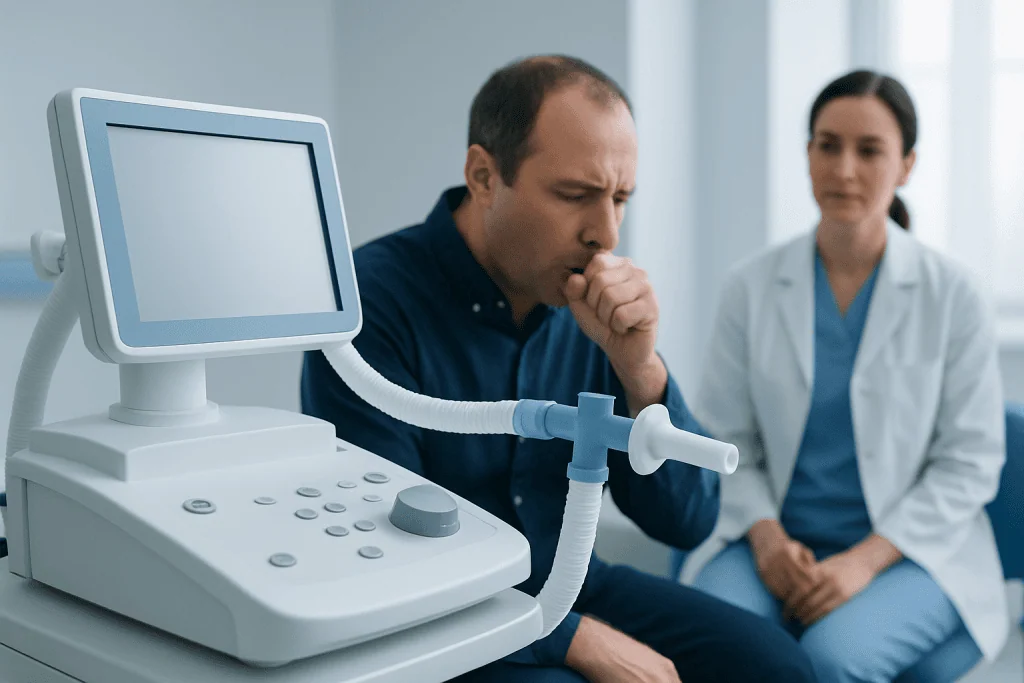
The cough itself may be dry, tickly, barking, wheezy, or productive of phlegm. Some people cough mainly at night, after meals, during exercise, after exposure to cold air, or when lying down. Others notice throat clearing, hoarseness, a sensation of mucus dripping down the throat, or a sour taste in the mouth.
Doctors pay close attention to the pattern because it can guide the investigation. A cough with wheezing or chest tightness may suggest asthma or airway sensitivity. A cough with nasal congestion, sneezing, or throat clearing may point toward upper airway cough syndrome, often linked with rhinitis or sinus disease. A cough that worsens after meals or when lying flat may be associated with reflux, even when heartburn is absent.
Important details include whether the cough produces mucus, the color and amount of sputum, and whether there are exposures at home or work. Dust, mold, smoke, strong perfumes, chemical fumes, pets, and occupational irritants can all worsen airway inflammation. Recent respiratory infections are also relevant because a post-infectious cough can persist for several weeks before gradually improving.
Common Causes of Chronic Cough

Several conditions account for many cases of chronic cough. Upper airway cough syndrome, sometimes called postnasal drip syndrome, occurs when nasal or sinus inflammation contributes to throat irritation and coughing. Allergic rhinitis, non-allergic rhinitis, and chronic sinusitis are common triggers.
Asthma is another frequent cause, including cough-variant asthma, where cough may be the main or only symptom. Non-asthmatic eosinophilic bronchitis can also cause a long-lasting cough with airway inflammation, but lung function tests may not show the typical variable airflow obstruction seen in asthma. These conditions are important because they often respond to anti-inflammatory airway treatments prescribed by a clinician.
Gastroesophageal reflux disease, or GERD, may cause cough when stomach contents or acid irritate the throat and airway reflexes. Some people with reflux-related cough have heartburn or regurgitation, while others do not. Smoking, chronic obstructive pulmonary disease, bronchiectasis, and lingering effects after infections can also be responsible, especially when phlegm, breathlessness, or recurrent chest infections occur.
Medicines should always be reviewed. Angiotensin-converting enzyme inhibitors, often called ACE inhibitors, are used for blood pressure and heart conditions and can cause a dry cough in some patients. The cough may begin weeks or months after starting the medication, so patients should not stop it on their own but should discuss alternatives with their doctor.
Red Flags: When a Cough Needs Prompt Attention
Most chronic coughs are not emergencies, but certain symptoms need timely medical assessment. Red flags can suggest infection, inflammation, heart or lung disease, aspiration, or, less commonly, cancer. Prompt evaluation does not mean the worst outcome is likely; it means the cough deserves careful attention.
People should seek medical care promptly if a chronic cough is associated with any of the following:
- Coughing up blood or rust-colored sputum
- Unexplained weight loss, persistent fever, or night sweats
- New or worsening shortness of breath
- Chest pain, fainting, or blue lips
- Recurrent pneumonia or frequent chest infections
- A history of cancer, tuberculosis exposure, immune suppression, or significant smoking
- Difficulty swallowing, choking episodes, or suspected aspiration
Children, older adults, pregnant people, and those with chronic heart or lung disease may need earlier assessment. Any cough that is rapidly worsening, accompanied by severe breathing difficulty, or associated with chest pain should be evaluated urgently according to local emergency guidance.
How Chronic Cough Is Diagnosed
Diagnosis begins with a detailed medical history and physical examination. The doctor will ask when the cough started, whether there was a recent infection, whether the cough is dry or productive, and what makes it better or worse. They may ask about nasal symptoms, reflux symptoms, asthma or allergy history, smoking, vaping, workplace exposures, travel, tuberculosis risk, and current medications.
A chest X-ray is commonly used as an initial test in adults with chronic cough, especially when the cause is not obvious. It can help identify pneumonia, lung masses, interstitial lung disease, heart enlargement, or other chest abnormalities. A normal chest X-ray is reassuring, but it does not rule out all causes, particularly asthma, reflux-related cough, or upper airway cough syndrome.
Spirometry is a breathing test that measures airflow and lung capacity. It is useful for detecting asthma, chronic obstructive pulmonary disease, and other patterns of airflow limitation. In some cases, spirometry is repeated after a bronchodilator medication to see whether airway narrowing improves. If asthma is still suspected despite normal spirometry, additional tests such as bronchial challenge testing, peak flow monitoring, or markers of airway inflammation may be considered.
Further tests depend on the clinical picture. These may include blood tests, sputum analysis, allergy testing, sinus evaluation, laryngoscopy, CT scan of the chest, bronchoscopy, or reflux assessment. The goal is to choose tests based on symptoms and risk factors rather than perform every possible investigation at once.
Treatment Options
Treatment works best when it targets the underlying cause. For upper airway cough syndrome, management may include treating allergic or non-allergic rhinitis, reducing nasal inflammation, and addressing sinus disease when present. For asthma or eosinophilic bronchitis, doctors may prescribe inhaled anti-inflammatory therapy and monitor response over time.
When reflux is suspected, treatment may include lifestyle measures and, in selected patients, medicines to reduce acid or manage reflux symptoms. Not every chronic cough improves with reflux medication, especially when typical reflux symptoms are absent, so follow-up is important. If a medicine such as an ACE inhibitor is suspected, the prescribing doctor can advise whether a different medication is appropriate.
For smoking-related cough or chronic obstructive pulmonary disease, stopping smoking is one of the most important steps. Doctors may also recommend inhaled therapies, pulmonary rehabilitation, vaccinations, and strategies to prevent infections when appropriate. Bronchiectasis, tuberculosis, interstitial lung disease, and other less common causes require condition-specific treatment plans.
Cough suppressants may provide short-term relief for selected patients, but they do not replace diagnosis and targeted care. Some chronic coughs become hypersensitive even after the original trigger has improved; in these cases, specialist approaches such as cough control therapy, speech and language therapy techniques, or neuromodulator medicines may be considered by clinicians experienced in chronic cough management.
Prevention and Self-Care
Self-care can reduce irritation and support medical treatment. Avoiding tobacco smoke, vaping, heavy dust, strong chemical odors, and other known triggers can help calm sensitive airways. Keeping indoor air well ventilated and addressing dampness or mold exposure may also be useful, especially for people with allergies or asthma.
Hydration, warm drinks, and throat lozenges may soothe throat irritation in some adults. Sleeping with the head of the bed slightly elevated and avoiding large meals close to bedtime may help people with reflux symptoms. For nasal symptoms, saline rinses or sprays may provide comfort, but medicated nasal products should be used as directed by a healthcare professional.
Patients should avoid repeatedly changing over-the-counter cough remedies without guidance, particularly if they have other medical conditions or take regular medicines. Antibiotics are not helpful for most chronic coughs unless there is evidence of a bacterial infection. A cough diary noting timing, triggers, sputum, foods, exposures, and medicines can be very helpful during a medical appointment.
When to See a Doctor
An adult should arrange a medical evaluation if a cough lasts 8 weeks or more, even if it seems mild. Earlier review is appropriate if the cough is worsening, disturbing sleep, affecting daily life, producing significant sputum, or occurring with wheezing, shortness of breath, fever, or chest discomfort. Children with a cough lasting more than 4 weeks should be assessed by a pediatric clinician.
People with red-flag symptoms should not wait for the cough to resolve on its own. Coughing blood, unexplained weight loss, persistent fever, night sweats, severe breathlessness, chest pain, or recurrent pneumonia should be discussed promptly with a qualified doctor. Patients who are immunocompromised or who have a history of cancer, tuberculosis exposure, or significant smoking should also seek earlier evaluation.
At Acibadem International, multidisciplinary specialists in pulmonology, ear-nose-throat care, gastroenterology, allergy, imaging, and related fields evaluate and treat chronic cough in JCI-accredited hospitals for international patients. The most appropriate plan depends on the individual patient’s symptoms, examination findings, and test results.
Frequently asked questions
How long does a cough have to last to be considered chronic?
In adults, a cough is generally considered chronic when it lasts 8 weeks or longer. In children, a cough lasting more than 4 weeks should be assessed because pediatric causes and treatment decisions can differ.
Can reflux cause a chronic cough without heartburn?
Yes. Some people with reflux-related cough do not feel typical heartburn or acid regurgitation. The cough may be linked to irritation of the throat or airway reflexes, so doctors consider the whole symptom pattern before recommending treatment.
Is a chest X-ray always needed for chronic cough?
A chest X-ray is commonly recommended as an initial test for adults with chronic cough, especially when the cause is not clear. It helps identify important chest conditions, but additional tests may still be needed if symptoms suggest asthma, reflux, sinus disease, or another cause.
Can blood pressure medicine cause a cough?
Yes. ACE inhibitors, a group of medicines used for high blood pressure and heart conditions, can cause a dry cough in some patients. Patients should not stop prescribed medication on their own; they should speak with their doctor about whether a change is appropriate.
When is chronic cough a warning sign?
Chronic cough needs prompt medical attention if it is accompanied by coughing blood, unexplained weight loss, persistent fever, night sweats, chest pain, severe breathlessness, or recurrent pneumonia. These symptoms do not always mean a serious disease is present, but they should be evaluated without unnecessary delay.
Why does a cough sometimes continue after a cold or flu?
After a respiratory infection, the airway can remain inflamed and sensitive for several weeks. This post-infectious cough often improves gradually, but medical review is recommended if it lasts longer than expected, worsens, or occurs with red-flag symptoms.
What can patients do at home while waiting for evaluation?
Patients can avoid smoke, vaping, dust, and strong odors, stay well hydrated, and note when the cough occurs and what triggers it. Those with reflux symptoms may benefit from avoiding late heavy meals and lying flat soon after eating. Home measures should not replace medical evaluation when a cough is persistent or concerning.
References
- American College of Chest Physicians
- European Respiratory Society
- British Thoracic Society
- Global Initiative for Asthma
- National Institute for Health and Care Excellence
This article is for general information only and is not a substitute for professional medical advice. Please consult a qualified doctor about your individual situation.
Explore treatments in Turkey — costs, top hospitals & a free quote
JCI-accredited · board-certified surgeons · reply within 24h
Add us as a Preferred Source to see more of our trusted health content across Google Search, AI Overviews and Discover.
Check your numbers in seconds
BMI, calories, due date, blood pressure and 30+ more clinical calculators — free, instant, doctor-reviewed ranges.

More from the Health Library



Related Specialists

Demet Orhan
Physical Medicine & Rehabilitation
Prof. Dr. İbrahim Tuncay
Orthopedic Surgery & Traumatology
Prof. Dr. Selim Aksöyek
Pediatric Surgery
Assoc. Prof. Dr. Esma Kobak Tur
Neurology