

Chronic Microvascular Ischemic Disease: Symptoms, Causes, and Treatment Options

Chronic microvascular ischemic disease is another term often used for cerebral small vessel disease or chronic microvascular changes in the brain. It may cause no noticeable symptoms and is frequently identified incidentally on a brain MRI.
Key Takeaways
- Chronic microvascular ischemic disease is another term often used for cerebral small vessel disease or chronic microvascular changes in the brain.
- It may cause no noticeable symptoms and is frequently identified incidentally on a brain MRI.
- High blood pressure, diabetes, smoking, high cholesterol, and aging are important contributing factors.
- Managing vascular risk factors can help reduce the likelihood of further small-vessel injury, stroke, and cognitive decline.
- Sudden neurological symptoms, such as facial drooping, weakness, speech difficulty, or sudden loss of balance, need emergency assessment.
Chronic microvascular ischemic disease describes gradual changes in the brain caused by reduced blood flow through its smallest blood vessels. It is commonly seen on MRI scans, particularly with aging and vascular risk factors, and care focuses on protecting brain and blood-vessel health while addressing any symptoms or related conditions.
Overview: What Is Chronic Microvascular Ischemic Disease?
Chronic microvascular ischemic disease is a term used to describe long-term injury affecting the brain’s very small blood vessels. These vessels supply oxygen and nutrients to the brain’s deeper tissues. Over time, changes in the vessel walls can reduce blood flow and lead to subtle areas of damage in the brain’s white matter, which helps different parts of the brain communicate.
On imaging reports, this may be described as chronic microvascular ischemic changes, white matter hyperintensities, small vessel ischemic changes, or leukoaraiosis. The wording can sound concerning, but the finding is relatively common, especially in older adults and in people with vascular risk factors. Its significance depends on a person’s age, symptoms, medical history, and the extent and pattern of changes seen on imaging.
This condition is usually gradual rather than sudden. It is not the same as an acute stroke, although small vessel disease can increase the long-term risk of stroke and other vascular problems. A clinician can explain what an MRI or CT finding means in the context of the individual’s overall health.
How It May Affect Daily Function
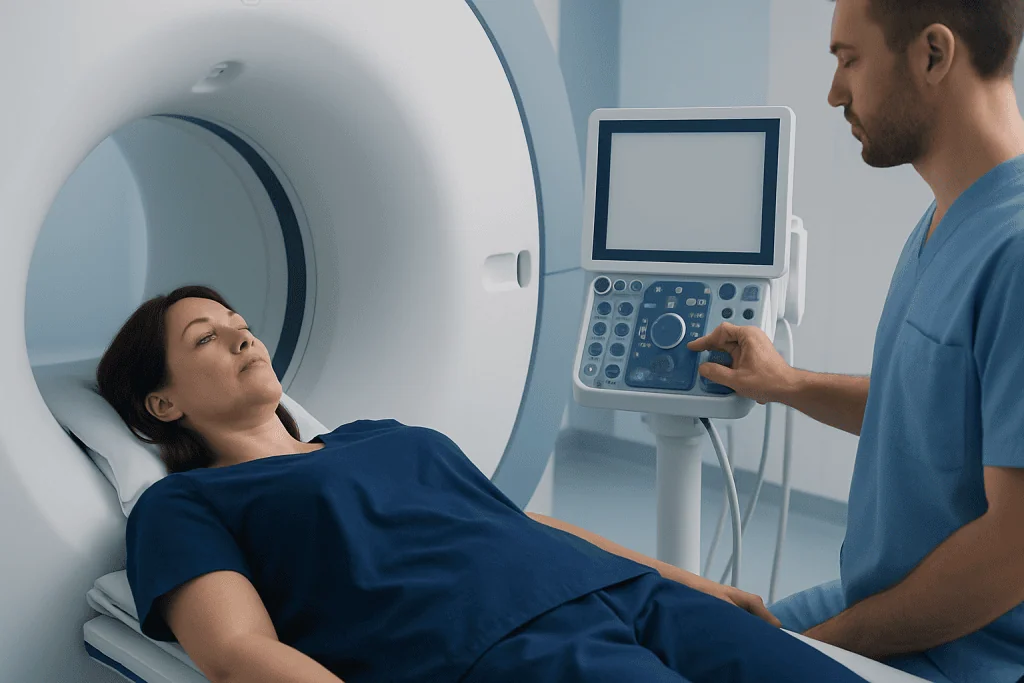
Many people with chronic microvascular ischemic disease do not have symptoms. The changes may be found when imaging is performed for another reason, such as headaches, dizziness, hearing concerns, a fall, or an assessment after a minor injury. Mild changes on a scan do not automatically explain every symptom a person experiences.
When symptoms are present, they are often subtle and develop gradually. Some people notice slower thinking, reduced attention, difficulty planning multistep tasks, or mild memory concerns. Others may experience changes in walking speed, balance, coordination, or urinary urgency. Mood changes, including depression or apathy, can also occur, although these symptoms have many possible causes.
The severity of symptoms does not always match the wording of an imaging report. A doctor may consider medication effects, sleep problems, anxiety or depression, vitamin deficiencies, thyroid disorders, inner-ear conditions, arthritis, and other neurological conditions before attributing symptoms to small vessel disease alone.
- Possible gradual features include slowed processing speed or reduced concentration.
- Some people develop a cautious, short-stepped, or unsteady gait.
- Memory difficulties may occur, particularly when vascular injury is more extensive.
- Symptoms that begin suddenly require urgent evaluation because they may indicate a stroke or transient ischemic attack.
Causes and Risk Factors

The central process is injury to the lining and walls of small arteries within the brain. Long-standing high blood pressure is one of the most important contributors because it places ongoing stress on these delicate vessels. Over time, vessels may become narrowed, less flexible, or less able to regulate blood flow effectively.
Other major risk factors include diabetes, high cholesterol, smoking, obesity, physical inactivity, sleep apnea, chronic kidney disease, and cardiovascular disease. A history of stroke or transient ischemic attack may also indicate a higher vascular risk. Risk increases with age, but small vessel changes in younger adults deserve careful clinical review, particularly when there are strong risk factors or an unusual imaging pattern.
Some factors cannot be changed, including age, family history, and certain uncommon inherited small vessel disorders. However, most people can take meaningful steps to address modifiable risks. Controlling blood pressure, avoiding tobacco, and working with a healthcare professional to manage diabetes and cholesterol can support both brain and heart health.
How Doctors Evaluate the Condition
Magnetic resonance imaging, or MRI, is the most sensitive routine test for identifying chronic microvascular ischemic changes. On certain MRI sequences, affected areas of white matter appear brighter than surrounding tissue. A CT scan can sometimes show more advanced changes, but it may not detect milder abnormalities as clearly as MRI.
Imaging is only one part of evaluation. A clinician will ask about symptoms, their timing, daily functioning, medical conditions, family history, medicines, sleep, tobacco use, and alcohol intake. A neurological examination may assess strength, reflexes, sensation, speech, vision, coordination, walking, and cognitive function.
Blood tests may be used to check for conditions that contribute to vascular disease, such as diabetes, abnormal cholesterol levels, kidney problems, or thyroid disease. Depending on the situation, the doctor may assess the heart rhythm, blood vessels in the neck, sleep quality, or other possible explanations for symptoms. Repeat brain imaging is not necessary for everyone; it is usually guided by new symptoms or a specialist’s recommendation.
Treatment Options and Long-Term Management
There is no single treatment that reverses established white matter changes. Instead, management aims to slow further injury, reduce the risk of stroke, and preserve independence and quality of life. A personalized plan is based on the person’s blood pressure, blood sugar, cholesterol, heart health, prior stroke history, medicines, and neurological symptoms.
Blood pressure management is often a priority. Doctors may recommend lifestyle measures, medication, or both, with targets tailored to the individual. Diabetes and cholesterol should also be managed according to clinical guidance. Antiplatelet medicines, such as aspirin, are not appropriate for every person with MRI changes alone; they are used when there is a separate indication, such as certain types of stroke or cardiovascular disease.
If walking, balance, speech, or daily activities are affected, rehabilitation can be helpful. Physical therapy may improve strength and balance, while occupational therapy can support safer routines at home. Cognitive assessment and targeted support may be useful for people with thinking or memory changes. Treatment should also address contributing issues such as depression, sleep apnea, hearing loss, or medication side effects.
For international patients who need coordinated assessment, Acibadem International’s multidisciplinary specialists and JCI-accredited hospitals can evaluate vascular and neurological concerns and discuss appropriate care options.
Prevention and Self-Care for Brain Vessel Health
Healthy daily habits support the small blood vessels of the brain as well as the heart and kidneys. The most useful plan is realistic and sustainable. Regular medical follow-up helps ensure that blood pressure, diabetes, cholesterol, and other vascular risks are recognized and treated early.
A balanced eating pattern rich in vegetables, fruits, legumes, whole grains, nuts, and unsaturated fats can support cardiovascular health. Limiting excess salt, highly processed foods, added sugars, and saturated fats may be recommended, especially for people with hypertension, diabetes, or high cholesterol. A registered dietitian can provide individualized advice when needed.
Regular physical activity, within a person’s abilities and medical guidance, can improve blood pressure, circulation, mood, sleep, and balance. Not smoking is particularly important; people who smoke can ask a clinician about evidence-based support for quitting. Moderating alcohol, maintaining a healthy weight where appropriate, and treating sleep apnea can also be valuable parts of prevention.
- Take prescribed medicines consistently and discuss side effects rather than stopping them abruptly.
- Keep regular appointments for blood pressure, diabetes, and cholesterol monitoring.
- Stay physically and mentally active with safe activities that fit individual mobility and health needs.
- Use fall-prevention measures if balance is affected, including supportive footwear and a clutter-free home environment.
When to Seek Medical Care
A person should arrange a non-urgent medical appointment if they have been told that an MRI shows chronic microvascular ischemic disease, especially if they have high blood pressure, diabetes, high cholesterol, smoking history, memory concerns, or changes in balance. A clinician can review the scan in context, identify modifiable risk factors, and decide whether further evaluation is needed.
Prompt assessment is appropriate for new or worsening problems with memory, walking, coordination, mood, or everyday functioning. It is also important to discuss repeated falls, persistent dizziness, new urinary symptoms alongside neurological changes, or difficulty managing medicines and finances.
Emergency care is needed for possible stroke symptoms that begin suddenly. These include weakness or numbness on one side of the body, facial drooping, trouble speaking or understanding speech, sudden vision changes, severe unexplained headache, sudden confusion, or a sudden loss of balance. Even if symptoms improve quickly, urgent evaluation is essential because a transient ischemic attack can be a warning sign of a future stroke.
Frequently asked questions
Is chronic microvascular ischemic disease the same as a stroke?
No. Chronic microvascular ischemic disease refers to gradual injury involving small blood vessels in the brain, while a stroke is a sudden interruption of blood flow or bleeding in the brain. However, small vessel disease can increase a person’s future risk of stroke, so vascular risk management is important.
Can chronic microvascular ischemic disease be reversed?
Established changes seen on brain imaging generally cannot be fully reversed. However, treating high blood pressure, diabetes, high cholesterol, and other risk factors may help slow progression and reduce the chance of further vascular injury. The right approach depends on the person’s overall health and medical history.
Does chronic microvascular ischemic disease cause dementia?
It can contribute to difficulties with thinking, attention, planning, and memory, particularly when changes are more extensive. It does not mean that a person will definitely develop dementia. Many people remain stable, especially when vascular risks are well managed and other causes of cognitive symptoms are assessed.
What does white matter change on an MRI mean?
White matter changes are areas that look different from surrounding brain tissue on MRI. They may reflect chronic small vessel changes, but their significance depends on the pattern, extent, age, symptoms, and medical history. A doctor or neurologist can interpret the result alongside the full clinical picture.
Should everyone with chronic microvascular ischemic disease take aspirin?
No. Aspirin and other antiplatelet medicines have benefits and risks, including bleeding, and are not routinely recommended solely because small vessel changes appear on an MRI. A clinician should decide whether they are appropriate based on conditions such as prior stroke, transient ischemic attack, or cardiovascular disease.
Can lifestyle changes help chronic microvascular ischemic disease?
Yes. Not smoking, staying physically active, eating a heart-healthy diet, managing blood pressure and diabetes, and addressing sleep apnea can support blood-vessel health. Lifestyle measures work best alongside regular medical care and prescribed treatment when needed.
References
- American Heart Association
- American Stroke Association
- National Institute of Neurological Disorders and Stroke
- National Institute on Aging
- World Health Organization
This article is for general information only and is not a substitute for professional medical advice. Please consult a qualified doctor about your individual situation.
Explore treatments in Turkey — costs, top hospitals & a free quote
JCI-accredited · board-certified surgeons · reply within 24h
Add us as a Preferred Source to see more of our trusted health content across Google Search, AI Overviews and Discover.
Check your numbers in seconds
BMI, calories, due date, blood pressure and 30+ more clinical calculators — free, instant, doctor-reviewed ranges.

More from the Health Library



Related Specialists

Dt. Berna Mercangöz
Oral & Dental Health
Prof. Dr. Murat Yayla
Gynecology & Obstetrics
Assoc. Prof. Dr. İlke Özer Aslan
Gynecology & Obstetrics
Prof. Dr. Oğuzhan Karatepe
General Surgery