Cis Woman — Explained by Medical Evidence, Not Myths

A cis woman is someone assigned female at birth who identifies as a woman. The term describes gender identity alignment, not sexual orientation, appearance, fertility, or anatomy alone.
Key Takeaways
- A cis woman is someone assigned female at birth who identifies as a woman.
- The term describes gender identity alignment, not sexual orientation, appearance, fertility, or anatomy alone.
- Using accurate terms can improve communication, respectful care, and appropriate screening decisions.
- Health needs vary widely among cis women depending on age, anatomy, hormones, medical history, and lifestyle.
- Routine preventive care remains important, including checkups, vaccinations, and screening based on individual risk.
A cis woman is a person who was assigned female at birth and identifies as a woman. In medicine, this term helps clinicians communicate clearly about sex assigned at birth, gender identity, anatomy, and health needs without relying on assumptions or myths.
Overview: what “cis woman” means
A cis woman is a person who was assigned female at birth and identifies as a woman. The word “cisgender,” often shortened to “cis,” means that a person’s gender identity matches the sex they were assigned at birth. In everyday and medical language, this term is used to describe identity accurately and respectfully.
Medical evidence does not support common myths that the term is political, insulting, or unnecessary. Instead, it is a neutral descriptive term, similar to other health-related language that helps clinicians avoid assumptions. Using clear terminology can support safer, more individualized care, especially when discussing reproductive organs, hormones, menstrual history, or screening needs.
Importantly, “cis woman” does not describe a person’s sexual orientation, personality, body type, fertility, or life experiences. A cis woman may be heterosexual, lesbian, bisexual, asexual, or have another sexual orientation. She may or may not menstruate, may or may not be able to become pregnant, and may have different health needs depending on age, anatomy, and medical history.
Why this term is used in healthcare
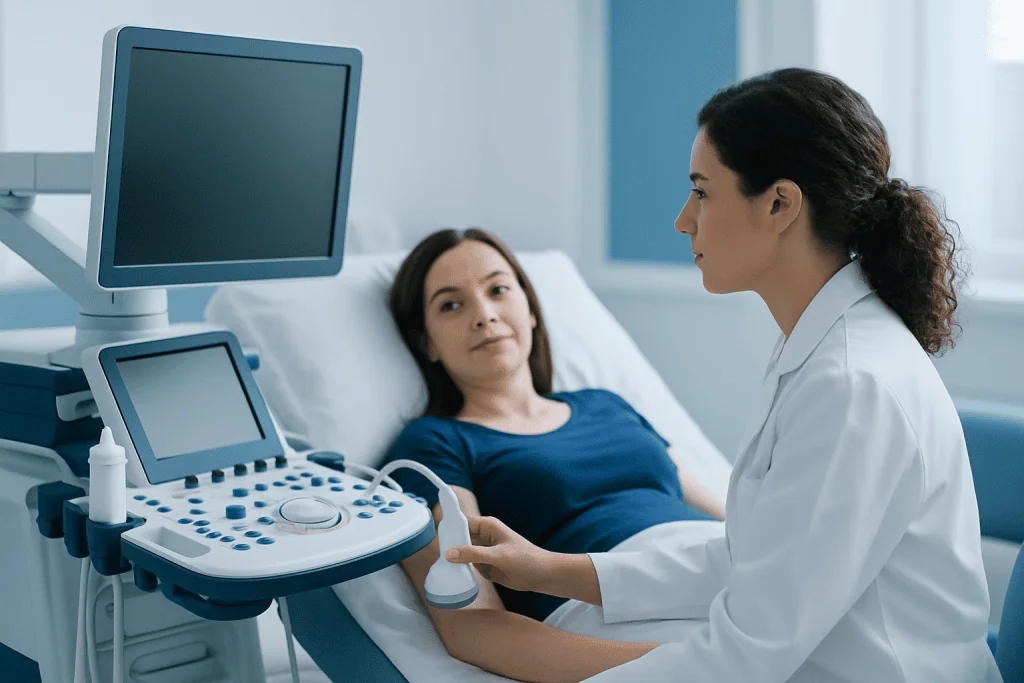
Healthcare relies on precise language. Terms such as sex assigned at birth, gender identity, anatomy, and hormone status can affect prevention, diagnosis, and treatment. The term “cis woman” helps clarify that a patient identifies as a woman and was assigned female at birth, which may be relevant in some clinical settings.
For example, a doctor may need to know whether a patient has a cervix, uterus, ovaries, or breasts for screening and treatment decisions. These factors matter for services such as cervical cancer screening, breast imaging, contraception counseling, fertility care, and menopause management. Clear communication also helps clinicians choose respectful language and avoid assumptions that may cause confusion or distress.
Using accurate terminology benefits public health as well. Research on disease risk, medication effects, and preventive care often depends on understanding both biological factors and social experiences. In this way, identity-related terms can support better health data and more personalized care, not less.
Cis woman, sex, and gender: understanding the differences

Sex assigned at birth usually refers to the classification made at birth based on physical traits such as external genitalia. Gender identity refers to a person’s internal sense of being a woman, a man, both, neither, or another gender. For a cis woman, sex assigned at birth and gender identity are aligned.
These concepts are related but not identical. In medicine, this distinction can matter because bodies, hormones, chromosomes, reproductive anatomy, and lived social experiences do not always fit simple assumptions. A person’s health needs are best understood by asking relevant questions rather than assuming details based on appearance or labels alone.
It is also helpful to separate gender identity from sexual orientation. A cis woman can be attracted to men, women, more than one gender, or no one. Sexual orientation and gender identity are different aspects of a person’s life and should not be confused in health discussions.
- Sex assigned at birth: classification made at birth, usually female or male
- Gender identity: a person’s sense of being a woman, man, both, neither, or another gender
- Cis woman: assigned female at birth and identifies as a woman
- Sexual orientation: describes patterns of attraction, not gender identity
Health considerations for cis women
There is no single health profile that applies to all cis women. Health needs can vary with age, puberty, menstrual status, reproductive goals, menopause, anatomy, genetics, medications, and chronic conditions. Social factors such as stress, nutrition, exercise, sleep, relationships, and access to care also play major roles.
Depending on the individual, important areas of care may include menstruation, contraception, fertility, pregnancy, menopause, bone health, heart health, breast health, and pelvic health. Some cis women seek evaluation for symptoms such as heavy periods, pelvic pain, irregular bleeding, urinary symptoms, hot flashes, or concerns about hormone changes. Others may need support for preventive care rather than specific symptoms.
Common conditions that may affect cis women include menstrual disorders, uterine fibroids, endometriosis, polycystic ovary syndrome, and menopause-related symptoms. When these issues are suspected, a clinician may recommend evaluation for endometriosis or uterine fibroids based on the person’s symptoms, examination findings, and imaging results.
Care plans are not based on identity terms alone. They are built around a person’s actual organs, hormone exposure, family history, symptoms, and preferences. That is why individualized assessment remains central, even when broad categories such as “cis woman” are used in conversation or research.
Preventive care and routine screening
Many cis women benefit from regular preventive care throughout life. This may include blood pressure checks, cholesterol and diabetes screening when appropriate, vaccination updates, sexual health counseling, and screening for anxiety or depression. The exact schedule depends on age, personal risk factors, family history, and national guideline recommendations.
Reproductive and breast health screening can also be important. Some patients may need cervical screening if they have a cervix, breast cancer screening based on age and risk, and discussions about contraception or fertility plans. Others may need support for menstrual concerns, menopause symptoms, or pelvic floor health. In selected cases, specialized services such as IVF treatment or gynecologic care may become part of a broader care plan.
Lifestyle also supports prevention. Regular physical activity, balanced nutrition, adequate sleep, smoking avoidance, moderation with alcohol, and stress management can all improve long-term health. Preventive care is most effective when it combines routine screening with healthy daily habits and open communication with a trusted clinician.
Myths and misunderstandings about the term
One common myth is that “cis woman” is meant to replace the word “woman.” It is not. The term simply adds specificity when needed, just as medicine often uses more precise words to improve understanding. In many conversations, “woman” is enough; in others, especially clinical or research settings, “cis woman” can be helpful.
Another misunderstanding is that the term defines biology in a complete or absolute way. In fact, medical care should not rely on one label alone. Anatomy, hormones, reproductive status, and personal health history all matter. A cis woman may have had surgery, may not have a uterus or ovaries, may be postmenopausal, or may have conditions that affect hormone levels and fertility.
It is also incorrect to assume that all cis women share the same symptoms, risks, or life experiences. Good medical care recognizes variation within every group. Respectful language does not remove biological information; it helps place that information in the right context.
When to seek medical care
A person who identifies as a cis woman should seek medical care whenever there are concerning symptoms, changes from the usual pattern, or questions about preventive health. Timely evaluation can help identify common conditions, rule out more serious causes, and guide appropriate treatment. It is also reasonable to schedule a visit simply to discuss reproductive health, screening, contraception, fertility, or menopause.
Examples of reasons to seek care include severe pelvic pain, very heavy or prolonged bleeding, bleeding after menopause, a new breast lump, persistent vaginal discharge with irritation or odor, painful intercourse, urinary symptoms, or missed periods when pregnancy is possible. Emergency care may be needed for sudden severe pain, fainting, chest pain, shortness of breath, or heavy bleeding that causes weakness or dizziness.
Some patients may be referred for further testing or specialist treatment. Depending on the concern, this may include imaging, laboratory studies, obstetrics and gynecology care, or procedures such as hysteroscopy. Near the end of the care pathway, patients seeking coordinated evaluation may choose centers such as Acibadem International, where multidisciplinary specialists in JCI-accredited hospitals diagnose and treat a wide range of women’s health conditions for international patients.
Frequently asked questions
What is a cis woman in simple terms?
A cis woman is someone who was assigned female at birth and identifies as a woman. The term is used to describe alignment between sex assigned at birth and gender identity.
Is “cis woman” a medical diagnosis?
No. It is not a disease, diagnosis, or disorder. It is a descriptive term that may help make healthcare communication more accurate and respectful.
Does being a cis woman determine a person’s anatomy or fertility?
Not completely. Many cis women have typical female reproductive anatomy, but anatomy and fertility can vary due to age, congenital differences, surgery, menopause, or medical conditions. Doctors base care on a person’s actual organs, hormones, symptoms, and health history.
Is a cis woman the same as a straight woman?
No. Cisgender refers to gender identity, while straight refers to sexual orientation. A cis woman can have any sexual orientation.
Why might a doctor ask whether someone is a cis woman?
A clinician may ask to better understand both gender identity and sex assigned at birth. This can help guide respectful communication, preventive screening, reproductive counseling, and decisions about anatomy-related care.
Do all cis women need the same health screenings?
No. Screening needs depend on age, family history, symptoms, anatomy, and other risk factors. A doctor can recommend which tests and checkups are appropriate for the individual.
This article is for general information only and is not a substitute for professional medical advice. Please consult a qualified doctor about your individual situation.
Explore treatments in Turkey — costs, top hospitals & a free quote
JCI-accredited · board-certified surgeons · reply within 24h
Add us as a Preferred Source to see more of our trusted health content across Google Search, AI Overviews and Discover.

More from the Health Library

Salt Water Rinse: An Evidence-Based Guide for Patients

Digestive Enzymes: An Evidence-Based Guide for Patients

Clitoris: What Patients Need to Know

Phobia From Birds: Symptoms and Treatment Options

Sour Taste in Mouth: A Complete Medical Overview