Clinical Neuropsychology vs Neurology vs Psychiatry

Clinical neuropsychology focuses on how brain function affects thinking, memory, language, attention, and behavior. Neurology diagnoses and treats diseases of the brain, spinal cord, nerves, and muscles.
Key Takeaways
- Clinical neuropsychology focuses on how brain function affects thinking, memory, language, attention, and behavior.
- Neurology diagnoses and treats diseases of the brain, spinal cord, nerves, and muscles.
- Psychiatry diagnoses and treats mental health conditions involving mood, thoughts, emotions, and behavior.
- These fields often overlap, and many patients benefit from care from more than one specialist.
- A neuropsychological evaluation uses structured tests to understand cognitive strengths and difficulties.
- Persistent changes in memory, mood, behavior, movement, or daily functioning should be discussed with a qualified doctor.
Clinical neuropsychology, neurology, and psychiatry all help people with brain-related or behavior-related concerns, but they do so in different ways. Understanding how these specialties differ can make it easier to choose the right professional and get coordinated care when symptoms overlap.
Overview
Clinical neuropsychology, neurology, and psychiatry are closely related medical and health specialties, but they are not the same. All three may be involved when a person has concerns such as memory loss, attention problems, behavior change, mood symptoms, headaches, seizures, or difficulty functioning at school, work, or home. Because many symptoms can affect both the brain and behavior, it is common for patients and families to wonder which specialist is the right one to see first.
Clinical neuropsychology is a specialty that studies how brain function relates to thinking and behavior. A clinical neuropsychologist evaluates areas such as memory, attention, language, problem-solving, processing speed, and emotional functioning. The goal is to understand how a neurological condition, injury, developmental issue, or psychiatric condition may be affecting daily life.
Neurology is the medical specialty that focuses on disorders of the nervous system, including the brain, spinal cord, nerves, and muscles. Neurologists are physicians who evaluate symptoms such as weakness, numbness, tremor, seizures, balance problems, headaches, or stroke-related issues. They may use neurological examinations, brain imaging, and other medical tests to identify the cause.
Psychiatry is the medical specialty that focuses on mental health conditions affecting mood, thinking, emotions, and behavior. Psychiatrists are physicians who diagnose and treat conditions such as depression, anxiety disorders, bipolar disorder, psychosis, and some sleep-related or substance-related conditions. In many cases, the best care comes from collaboration among these specialties rather than from one specialty alone.
What Clinical Neuropsychology Does
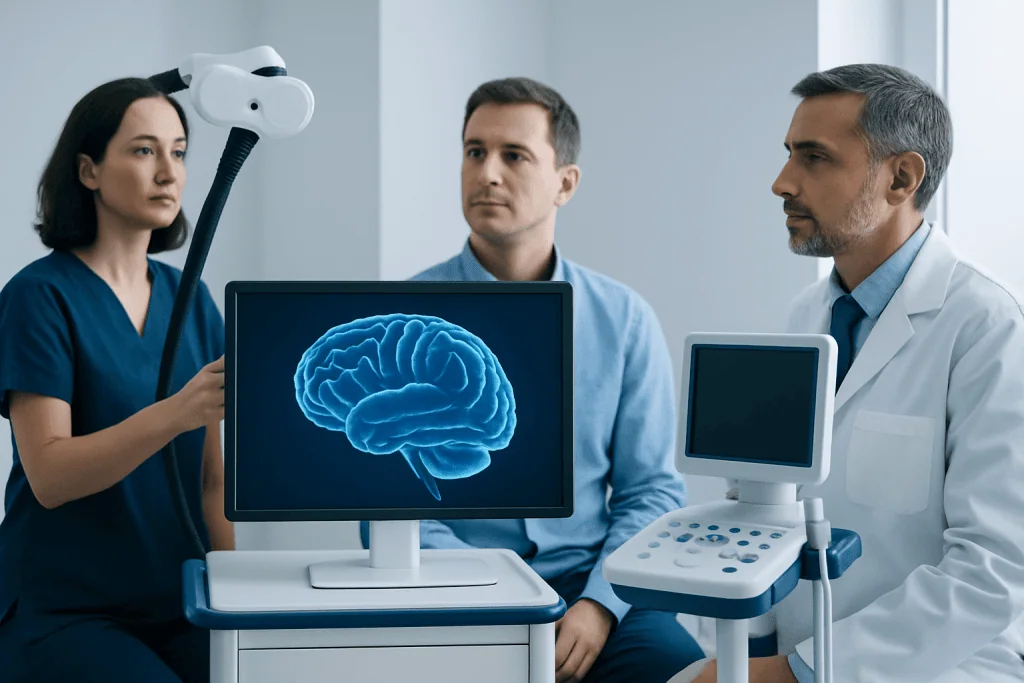
Clinical neuropsychology is especially helpful when there are questions about cognition, meaning a person’s ability to think, learn, remember, communicate, plan, or pay attention. A clinical neuropsychologist does not usually diagnose stroke, epilepsy, or brain tumors through scans or procedures. Instead, this specialist evaluates how a medical, neurological, developmental, or psychiatric condition is affecting brain-based skills and daily functioning.
A neuropsychological evaluation usually includes an interview, review of medical and educational history, and standardized tests. These tests may assess memory, attention, executive function, visual-spatial skills, language, academic abilities, motor speed, and emotional symptoms. The results can help clarify whether a person’s difficulties are more consistent with a neurodevelopmental condition, brain injury, dementia, mood disorder, anxiety, medication effects, or another cause.
Clinical neuropsychologists often work with children and adults who have learning difficulties, attention-deficit/hyperactivity disorder, autism spectrum disorder, traumatic brain injury, epilepsy, stroke, brain infections, multiple sclerosis, Parkinson’s disease, or possible dementia. They may also help with planning for school supports, work accommodations, driving safety discussions, and rehabilitation goals after illness or injury.
In short, clinical neuropsychology answers questions such as: How well is the brain functioning in everyday terms? Which cognitive abilities are strong, and which are affected? What kinds of support, therapy, or follow-up may help most?
What Neurology Does
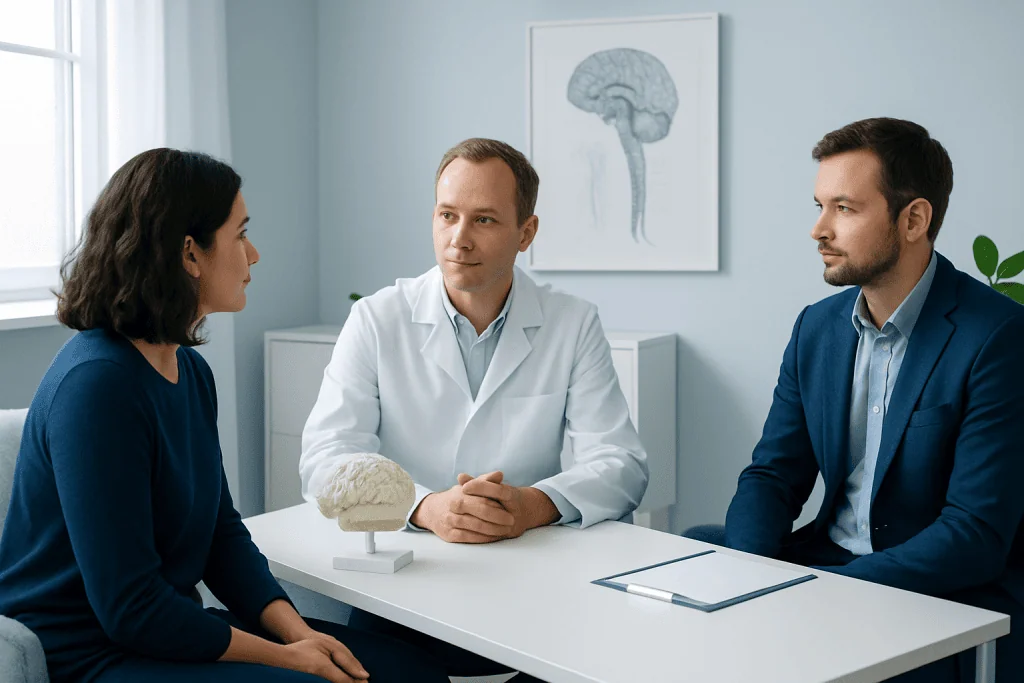
Neurology focuses on diagnosing and treating medical disorders of the nervous system. A neurologist evaluates symptoms that may point to disease or injury in the brain, spinal cord, peripheral nerves, or muscles. These symptoms can include headaches, fainting, seizures, weakness, numbness, tremor, difficulty walking, dizziness, vision changes, speech problems, and sudden neurological deficits.
Neurologists use a medical history, physical examination, and neurological examination to assess how the nervous system is working. They may order tests such as MRI or CT scans, EEG, nerve conduction studies, electromyography, blood tests, or lumbar puncture when appropriate. Treatment may include medications, rehabilitation, monitoring, lifestyle guidance, or referral for procedures or surgery depending on the diagnosis.
Common conditions treated by neurologists include migraine, epilepsy, stroke, Parkinson’s disease, dementia, neuropathy, multiple sclerosis, and movement disorders. In some situations, neurology care overlaps with neurosurgery, rehabilitation, neuropsychology, or psychiatry. For example, a patient with seizures may need neurological diagnosis, neuropsychological testing for memory concerns, and psychiatric support if anxiety or depression develops.
Neurology is generally the right specialty when the main concern is a suspected disease of the nervous system or a clear neurological symptom. A person with sudden weakness, severe new headache, confusion, seizures, or signs of stroke should seek urgent medical evaluation rather than waiting for an outpatient appointment.
What Psychiatry Does
Psychiatry focuses on mental health, emotional well-being, and conditions that affect thoughts, mood, perception, and behavior. Psychiatrists are medical doctors who can assess whether symptoms are related to depression, anxiety, obsessive-compulsive disorder, bipolar disorder, psychosis, trauma-related conditions, sleep disturbances, or substance use, among other diagnoses.
Unlike neurology, psychiatry does not primarily center on structural or electrical disorders of the nervous system, although biological factors are very important in mental health. Unlike clinical neuropsychology, psychiatry does not primarily use detailed cognitive testing to map strengths and weaknesses. Instead, psychiatrists typically use clinical interviews, mental status examination, medical review, and diagnostic criteria to understand emotional and behavioral symptoms and how they affect functioning.
Psychiatrists can provide treatment through psychotherapy in some settings, but they are especially known for medical management of psychiatric conditions, including prescribing and monitoring medications when needed. They also assess safety concerns such as severe depression, suicidal thinking, psychosis, or major changes in behavior that require urgent support.
Psychiatry and neuropsychology often overlap when symptoms are complex. For example, poor concentration may be caused by anxiety, depression, sleep problems, attention-deficit/hyperactivity disorder, concussion, medication side effects, or a neurological disease. In such cases, psychiatry helps address emotional and behavioral health, while neuropsychology helps define the cognitive pattern in more detail.
How They Differ and Where They Overlap
The simplest way to understand the difference is this: neurology looks for diseases of the nervous system, psychiatry treats mental health conditions, and clinical neuropsychology measures how brain-related conditions affect cognition and behavior. These roles are distinct, but in real life they often connect. Many symptoms do not fit neatly into one category.
For example, a person with Alzheimer’s disease may first notice memory loss and become evaluated by a neurologist. A clinical neuropsychologist may then perform testing to measure the pattern and severity of cognitive changes. A psychiatrist may become involved if the person also experiences depression, anxiety, sleep disruption, agitation, or hallucinations. In this way, each specialist contributes a different piece of the overall picture.
Another example is concussion or traumatic brain injury. Neurology may help assess headaches, dizziness, seizures, or other neurological effects. Clinical neuropsychology may evaluate attention, processing speed, and return-to-school or return-to-work concerns. Psychiatry may treat mood changes, irritability, trauma symptoms, or sleep difficulties that continue during recovery.
Patients do not always need all three specialists. The best starting point depends on the main symptoms, how urgently they need attention, and whether there is a known medical condition. Primary care doctors, pediatricians, and rehabilitation specialists often help guide these referrals.
- Clinical neuropsychology: cognitive testing, functional assessment, recommendations for school, work, and daily life
- Neurology: medical diagnosis and treatment of nervous system disorders
- Psychiatry: diagnosis and treatment of mental health conditions, including medication management when appropriate
When a Neuropsychological Evaluation May Help
A neuropsychological evaluation may be useful when there are concerns about memory, attention, learning, language, organization, planning, problem-solving, or unexplained changes in behavior. It can help answer whether difficulties are new or longstanding, mild or more significant, and more likely related to a developmental condition, brain injury, neurological illness, emotional distress, or a combination of factors.
Children may be referred for academic struggles, suspected ADHD, developmental concerns, or questions about learning differences. Adults may be referred after stroke, epilepsy, concussion, brain surgery, cancer treatment, or progressive memory symptoms. Older adults may be assessed when there are concerns about mild cognitive impairment or dementia. In some cases, evaluation helps distinguish normal age-related changes from more significant problems.
The results of testing are not simply a list of scores. A well-conducted evaluation explains how the person functions in everyday life and what supports may help. Recommendations may include speech or occupational therapy, cognitive rehabilitation, psychotherapy, school accommodations, medication review, sleep evaluation, or follow-up with neurology or psychiatry. When needed, patients may also be guided toward brain rehabilitation or other supportive services.
Testing is usually scheduled when a person is medically stable enough to participate. It is most helpful when the referral question is clear, such as whether there is true memory decline, whether attention problems are consistent with ADHD, or whether a neurological condition is affecting decision-making and independence.
Choosing the Right Specialist
Choosing the right specialist often depends on the main symptoms. If the concern is sudden weakness, numbness, severe new headache, seizure, fainting, tremor, balance problems, or other physical nervous system symptoms, neurology is often the most appropriate starting point. If the concern is persistent sadness, panic, mood swings, hallucinations, compulsive behavior, or severe insomnia linked to mental health symptoms, psychiatry may be the better first step.
If the main issue is difficulty with memory, concentration, learning, decision-making, organization, or unexplained changes in thinking and everyday functioning, clinical neuropsychology may be especially useful. This is also true when a family wants a detailed picture of strengths and weaknesses after a known neurological event or when school or workplace recommendations are needed.
Sometimes the first specialist seen is not the only one needed, and that is normal. A neurologist may refer a patient for neurology care plus neuropsychological testing. A psychiatrist may request testing to clarify whether symptoms reflect a mood disorder, ADHD, or an underlying cognitive disorder. A neuropsychologist may recommend follow-up with psychiatry support if emotional symptoms are significantly affecting concentration or daily life.
For complex cases, multidisciplinary care can be especially valuable. Near the end of the care pathway, some patients may also benefit from assessment in specialized centers. Acibadem International’s multidisciplinary specialists and JCI-accredited hospitals diagnose and treat brain, cognitive, and mental health conditions for international patients when coordinated expert evaluation is needed.
When to Seek Medical Advice
Any persistent or concerning change in thinking, mood, behavior, memory, or neurological function deserves medical attention. People should not assume that memory loss, confusion, or emotional changes are simply part of aging, stress, or being overworked. Early assessment can help identify treatable causes and guide the right support.
Urgent medical care is needed for symptoms such as sudden confusion, severe or unusual headache, seizures, fainting, one-sided weakness, trouble speaking, loss of vision, sudden imbalance, or sudden major behavior change. These may indicate a medical emergency and should be evaluated immediately.
Non-urgent medical advice is appropriate when symptoms develop gradually or interfere with school, work, relationships, or independence. Examples include repeated forgetfulness, declining performance, difficulty focusing, increased impulsivity, mood changes, or personality change. A primary care doctor can help determine whether referral to neuropsychology, neurology, psychiatry, or another specialty is most appropriate.
Because these fields overlap, there is no single perfect path for every patient. What matters most is getting a qualified evaluation, asking questions, and making sure care is coordinated when symptoms involve both brain function and emotional health.
Frequently asked questions
What is the main difference between clinical neuropsychology, neurology, and psychiatry?
Clinical neuropsychology focuses on how brain function affects thinking, learning, memory, and behavior through detailed assessment. Neurology diagnoses and treats diseases of the nervous system. Psychiatry diagnoses and treats mental health conditions that affect mood, thoughts, emotions, and behavior.
Should someone see a neurologist or a neuropsychologist for memory problems?
It depends on the situation. A neurologist is often important when memory problems may be linked to a neurological disease or when there are other neurological symptoms. A clinical neuropsychologist is especially helpful for detailed testing to define the pattern and severity of memory and thinking changes.
Can psychiatry help if symptoms seem physical or neurological?
Yes, psychiatry can still be helpful when emotional or behavioral symptoms are present alongside physical complaints. Stress, depression, anxiety, trauma, and sleep problems can affect concentration, energy, and daily functioning. However, physical or neurological symptoms should also be medically evaluated when appropriate.
Does a neuropsychological evaluation diagnose mental illness?
A neuropsychological evaluation is not the same as a psychiatric assessment, but it can provide useful information about attention, memory, executive function, and emotional symptoms. It may help show whether cognitive difficulties are more consistent with a neurological, developmental, or psychiatric condition. Final diagnosis often depends on the full clinical picture.
Can one person need all three specialists?
Yes, some people benefit from care from all three. This is common when a condition affects both brain function and emotional well-being, such as dementia, epilepsy, traumatic brain injury, or complex attention and mood symptoms. Coordinated care can improve understanding of symptoms and support a more complete treatment plan.
When is urgent care needed instead of an outpatient appointment?
Urgent care is needed for sudden confusion, seizures, severe new headache, one-sided weakness, trouble speaking, sudden vision loss, or abrupt major behavior change. These symptoms may signal a serious medical problem and should be assessed immediately. Gradual or stable symptoms can usually begin with a scheduled medical evaluation.
References
- American Psychological Association
- American Academy of Neurology
- American Psychiatric Association
- National Institute of Mental Health
- National Institute of Neurological Disorders and Stroke
This article is for general information only and is not a substitute for professional medical advice. Please consult a qualified doctor about your individual situation.
Neuropsychology in Turkey — costs, top hospitals & a free quote
JCI-accredited · board-certified surgeons · reply within 24h
Add us as a Preferred Source to see more of our trusted health content across Google Search, AI Overviews and Discover.