CNS Tuberculosis: How TB Can Affect the Brain and Spinal Cord

CNS tuberculosis is TB that spreads to the central nervous system, including the brain, spinal cord, or meninges. Symptoms may develop gradually and can include headache, fever, confusion, weakness, seizures, or neck stiffness.
Key Takeaways
- CNS tuberculosis is TB that spreads to the central nervous system, including the brain, spinal cord, or meninges.
- Symptoms may develop gradually and can include headache, fever, confusion, weakness, seizures, or neck stiffness.
- Diagnosis usually involves brain or spine imaging, laboratory tests, and testing of cerebrospinal fluid.
- Treatment typically requires a combination of anti-tuberculosis medicines for many months, sometimes with corticosteroids.
- Early diagnosis and follow-up can reduce the risk of stroke, hydrocephalus, nerve damage, and other long-term complications.
CNS tuberculosis is a form of tuberculosis that affects the brain, spinal cord, or the tissues around them. Although it is uncommon, it is serious and needs prompt medical evaluation, careful diagnosis, and long-term treatment.
Overview
CNS tuberculosis is tuberculosis infection involving the central nervous system, which includes the brain, spinal cord, and the membranes that cover them. It most often appears as tuberculous meningitis, but it can also form localized masses in the brain called tuberculomas, affect the spinal cord, or involve the vertebrae and nearby tissues.
This condition is caused by Mycobacterium tuberculosis, the same bacterium responsible for tuberculosis in the lungs. In some people, the infection spreads through the bloodstream from another part of the body and reaches the nervous system. In others, the original source may not be obvious at the time CNS disease is diagnosed.
CNS tuberculosis is less common than pulmonary TB, but it is one of the most serious forms of tuberculosis because the brain and spinal cord are highly sensitive to inflammation and pressure changes. Without treatment, it can lead to lasting neurological problems. With timely care, many people improve, though recovery may take time and close follow-up is important.
Symptoms
The symptoms of CNS tuberculosis can vary depending on which part of the nervous system is affected and how advanced the disease is. In many cases, symptoms start gradually over days or weeks rather than appearing suddenly. This can make the condition harder to recognize early.
Common symptoms of tuberculous meningitis include persistent headache, fever, nausea, vomiting, neck stiffness, sensitivity to light, drowsiness, confusion, or changes in behavior. Some people may develop seizures, weakness in an arm or leg, difficulty speaking, double vision, or imbalance if inflammation affects blood vessels or specific brain structures.
When the spinal cord or surrounding tissues are involved, symptoms may include back pain, leg weakness, numbness, trouble walking, changes in bladder or bowel control, or increasing stiffness in the limbs. A tuberculoma in the brain may cause seizures, headache, or focal neurological symptoms depending on its location.
- Persistent or worsening headache
- Fever or unexplained fatigue
- Confusion, drowsiness, or personality change
- Seizures
- Weakness, numbness, or difficulty walking
- Neck stiffness or vomiting
Causes and Risk Factors

CNS tuberculosis develops when tuberculosis bacteria reach the nervous system. This usually happens through the bloodstream after a person has been infected elsewhere, most often in the lungs. The bacteria may remain dormant for a time and later become active, especially if the immune system becomes less able to contain them.
Not everyone with TB infection develops CNS involvement. The risk is higher in infants and young children, older adults, and people with weakened immunity. This includes people living with HIV, those taking immunosuppressive medicines, transplant recipients, and individuals with certain chronic illnesses or poor nutritional status.
Living in or traveling to places where TB is more common can increase exposure risk. Close contact with someone who has active tuberculosis also matters. In some cases, CNS tuberculosis may be associated with other forms of TB, such as lymph node disease or pulmonary tuberculosis, but the nervous system symptoms may be the first sign that brings a person to medical care.
How CNS Tuberculosis Affects the Brain and Spinal Cord
The harm caused by CNS tuberculosis comes from both infection and inflammation. In tuberculous meningitis, the membranes around the brain become inflamed and thickened. This can block the normal flow of cerebrospinal fluid, leading to hydrocephalus, which means excess fluid and pressure inside the brain.
Inflammation may also affect blood vessels supplying the brain. This can reduce blood flow and cause strokes, which may result in weakness, speech difficulty, or other permanent neurological changes. Cranial nerves can be affected as well, leading to vision problems, facial weakness, or hearing changes.
In the spinal region, TB may involve the meninges, the spinal cord itself, or the bones of the spine. Swelling or abscess formation can compress nerves or the spinal cord and may cause pain, weakness, or loss of bladder control. Because these complications can worsen quickly, signs of spinal cord compression need urgent assessment.
Diagnosis
Diagnosing CNS tuberculosis usually requires combining clinical evaluation with imaging and laboratory testing. A doctor will review symptoms, prior TB exposure, immune status, and any evidence of tuberculosis elsewhere in the body. The diagnosis can be challenging because symptoms may resemble viral meningitis, fungal infections, autoimmune disorders, or even a brain tumor.
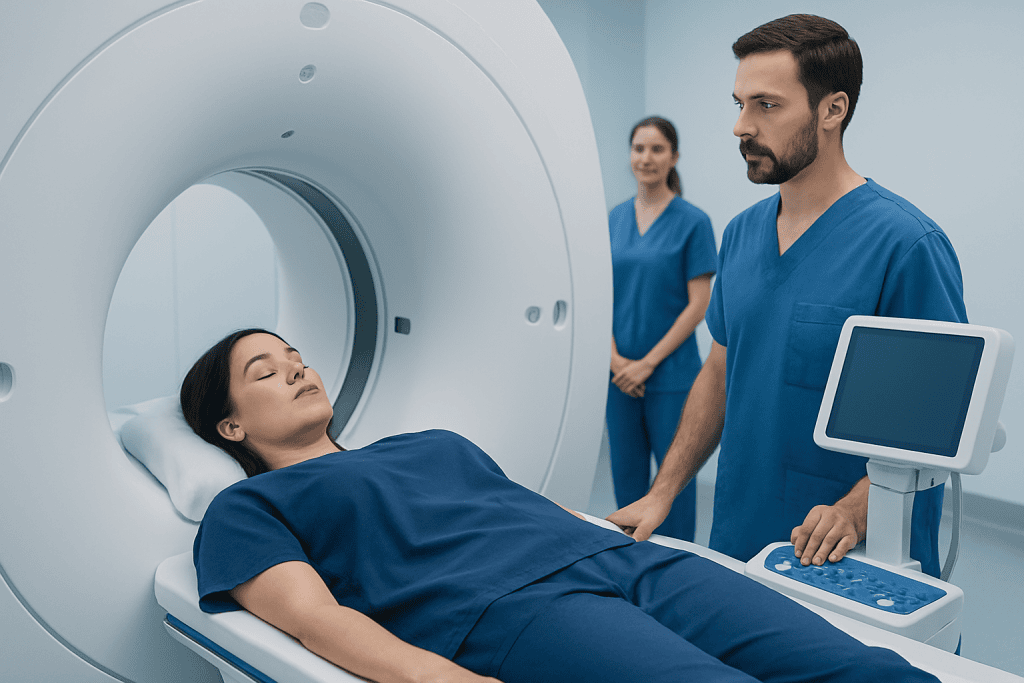
Brain or spine imaging is often an early step. MRI is especially useful for showing meningeal inflammation, tuberculomas, hydrocephalus, spinal cord involvement, or small strokes. CT scanning may also be used, especially in urgent settings or when MRI is not immediately available.
A lumbar puncture is commonly performed to examine cerebrospinal fluid. Doctors look at cell counts, protein and glucose levels, and may send samples for microscopy, culture, nucleic acid amplification tests, and other specialized studies to identify tuberculosis. Additional tests can include chest imaging, blood tests, and screening for HIV or other conditions that may affect the immune system. In selected cases, biopsy of a lesion or affected tissue may be needed to confirm the diagnosis.
Treatment Options
CNS tuberculosis is treated with a combination of anti-tuberculosis medicines taken for a prolonged period, often longer than treatment used for uncomplicated pulmonary TB. The exact regimen and duration depend on the person’s age, overall health, drug-susceptibility results, and the specific area involved. Because treatment is complex, care is usually guided by specialists in infectious diseases, neurology, and sometimes neurosurgery.
Corticosteroids are commonly added in tuberculous meningitis to help reduce inflammation and lower the risk of certain complications. If there is hydrocephalus, a blocked fluid pathway, or a large lesion causing pressure, procedures may be needed. Some patients require neurosurgery to relieve pressure, drain fluid, or obtain tissue for diagnosis. Spinal involvement may also need orthopedic or surgical assessment if there is instability or compression.
Close follow-up is essential throughout treatment. Doctors monitor for medication side effects, improvement or worsening of neurological symptoms, and signs of drug-resistant TB. In some situations, symptoms may temporarily seem worse after treatment starts because of the immune response to dying bacteria. Rehabilitation, seizure management, and supportive therapies can also be important parts of recovery.
Prevention, Self-care, and Long-Term Outlook
The best prevention for CNS tuberculosis is timely recognition and treatment of TB infection and active tuberculosis elsewhere in the body. Public health measures, reducing close exposure to infectious TB, and screening people at higher risk all help lower the chance of spread. In some countries, BCG vaccination may reduce the risk of severe childhood forms of TB, including TB meningitis, though its use varies by setting.
Self-care during treatment focuses on taking medicines exactly as prescribed and attending all follow-up visits. Stopping treatment early can allow the infection to return or become harder to treat. Patients should tell their care team promptly about medication side effects, worsening headaches, new weakness, visual changes, or increasing sleepiness.
The long-term outlook depends on how early CNS tuberculosis is diagnosed, whether complications such as stroke or hydrocephalus occur, and the person’s general health. Some people recover well, while others may need longer rehabilitation for movement, speech, memory, or daily functioning. Near the end of the treatment journey, some international patients may seek coordinated care at centers such as Acibadem International, where multidisciplinary specialists in JCI-accredited hospitals diagnose and treat complex neurological infections.
When to See a Doctor
Anyone with persistent headache, fever, neck stiffness, confusion, seizures, or new neurological symptoms should seek medical care promptly, especially if there has been known TB exposure or a weakened immune system. CNS tuberculosis can become serious if evaluation is delayed, and symptoms that seem mild at first may worsen over time.
Urgent assessment is especially important for drowsiness, loss of consciousness, sudden weakness, severe vomiting, trouble speaking, double vision, or difficulty walking. In children, poor feeding, lethargy, irritability, vomiting, or bulging of the soft spot in infants also need immediate attention.
After diagnosis, regular follow-up matters just as much as the initial treatment. Doctors may repeat examinations and imaging, such as follow-up MRI, to monitor response and detect complications early. Any change in symptoms during treatment should be discussed with a qualified doctor rather than managed alone.
Frequently asked questions
Is CNS tuberculosis the same as regular tuberculosis?
No. CNS tuberculosis is a form of tuberculosis that affects the brain, spinal cord, or the tissues around them, while many people know TB mainly as a lung infection. It is caused by the same bacterium, but the location makes it more complex and potentially more serious.
What is tuberculous meningitis?
Tuberculous meningitis is the most common form of CNS tuberculosis. It happens when TB causes inflammation of the membranes surrounding the brain and spinal cord, leading to symptoms such as headache, fever, neck stiffness, confusion, or vomiting.
Can CNS tuberculosis be cured?
Many people can be treated successfully, especially when the condition is diagnosed early and therapy is completed as prescribed. However, treatment usually lasts many months, and some people may still have lasting neurological effects if complications developed before or during treatment.
How is CNS tuberculosis diagnosed?
Doctors usually combine a medical history, neurological examination, imaging such as MRI or CT, and laboratory testing of cerebrospinal fluid obtained by lumbar puncture. Because the disease can resemble other conditions, diagnosis often depends on several findings rather than one test alone.
Is CNS tuberculosis contagious?
The CNS form itself is not usually spread directly from person to person through casual contact. The concern is whether the person also has active tuberculosis in the lungs, which can be contagious through the air. Doctors may evaluate for pulmonary TB and advise on precautions when needed.
Who is more likely to develop CNS tuberculosis?
People with weakened immune systems, infants and young children, older adults, and those exposed to active TB are at higher risk. The condition is also more likely in settings where tuberculosis is more common or when TB infection is not recognized and treated early.
References
- World Health Organization
- Centers for Disease Control and Prevention
- National Institute for Health and Care Excellence
- European Centre for Disease Prevention and Control
- Merck Manual Professional Edition
This article is for general information only and is not a substitute for professional medical advice. Please consult a qualified doctor about your individual situation.
Tuberculosis in Turkey — costs, top hospitals & a free quote
JCI-accredited · board-certified surgeons · reply within 24h
Add us as a Preferred Source to see more of our trusted health content across Google Search, AI Overviews and Discover.