Cochlear Implant Candidacy: Hearing Tests, Expectations, and Next Steps

Cochlear implant candidacy is based on hearing level, speech understanding, hearing-aid benefit, and overall ear health. Both adults and children may qualify if they have significant sensorineural hearing loss and limited benefit from hearing aids.
Key Takeaways
- Cochlear implant candidacy is based on hearing level, speech understanding, hearing-aid benefit, and overall ear health.
- Both adults and children may qualify if they have significant sensorineural hearing loss and limited benefit from hearing aids.
- Evaluation usually includes audiology tests, medical examination, and imaging such as CT or MRI.
- A cochlear implant does not restore natural hearing, but it can improve access to sound and spoken communication for many people.
- Rehabilitation after implantation is an essential part of success and often includes programming and listening therapy.
Cochlear implant candidacy is determined through hearing tests, speech assessments, imaging, and specialist review rather than a single test alone. A careful evaluation helps show who may benefit, what results are realistic, and which next steps are most appropriate.
Overview: What cochlear implant candidacy means
Cochlear implant candidacy refers to the process of deciding whether a person is likely to benefit from a cochlear implant. A cochlear implant is an electronic hearing device designed for people with significant inner-ear hearing loss, especially when hearing aids no longer provide enough help. Instead of simply making sounds louder, the implant bypasses damaged parts of the inner ear and sends sound signals to the hearing nerve.
Being a candidate is not based on age alone or on one hearing test. Specialists consider several factors together, including the type and degree of hearing loss, how well speech is understood with hearing aids, the health of the ear, and the person’s communication needs and goals. This is why candidacy is best assessed by an experienced ear and hearing team.
For many people, the journey starts when conversations remain difficult despite properly fitted hearing aids. They may struggle to follow speech in quiet rooms, rely heavily on lip reading, or avoid phone calls and social situations. In these cases, a doctor or audiologist may suggest a formal cochlear implant evaluation to explore whether implantation may be helpful.
Who may qualify for a cochlear implant
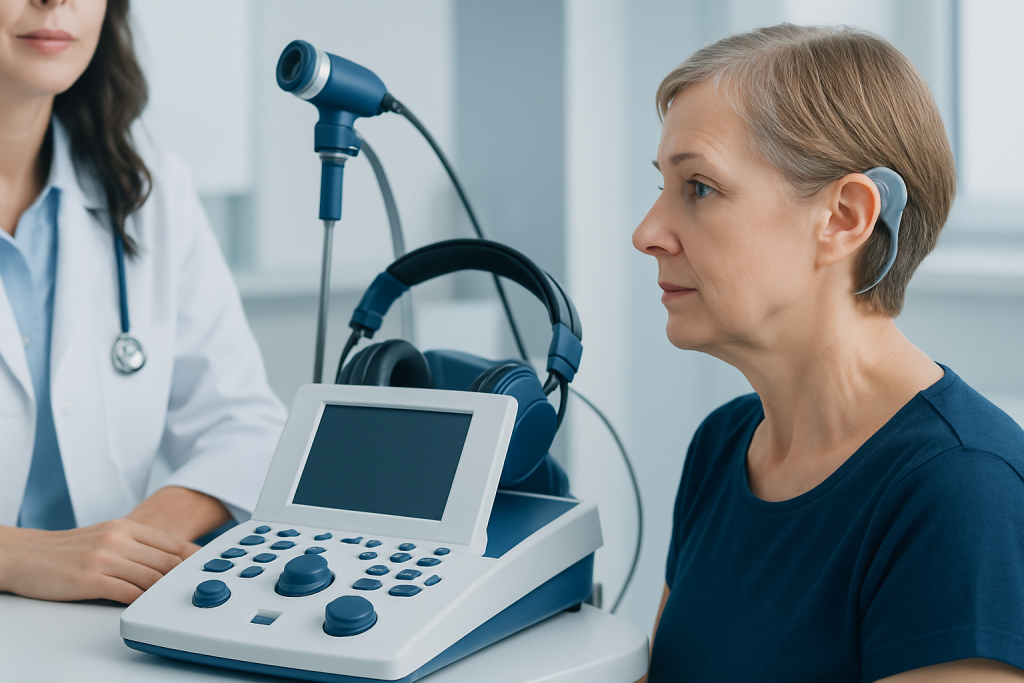
In general, people who may qualify have moderate-to-profound or severe-to-profound sensorineural hearing loss and receive limited benefit from hearing aids. Sensorineural hearing loss affects the inner ear or hearing nerve pathways. A cochlear implant is not usually the first treatment for mild hearing loss or hearing loss that improves well with conventional hearing aids.
Adults are often considered when they have difficulty understanding spoken words even with well-fitted hearing aids. Children may be considered when hearing loss affects language development or access to sound, especially when early intervention is important. Candidacy criteria can vary by age, hearing pattern, and the type of implant system being considered.
Doctors also look at whether the hearing loss is present in one ear or both ears. Some people with single-sided deafness or asymmetric hearing loss may also be considered in selected situations. A history of conditions such as hearing loss from genetics, infections, noise exposure, aging, or sudden inner-ear injury can all be part of the assessment.
Not everyone with severe hearing difficulty will be an ideal candidate. If there is a treatable middle-ear problem, a structural ear condition, or another reason for poor hearing, the team may first address that issue or discuss alternatives. The goal is to find the option that offers the best chance of meaningful improvement.
Hearing tests used to assess candidacy

Hearing tests are central to cochlear implant candidacy. The audiologist usually begins with pure-tone audiometry, which measures the quietest sounds a person can hear at different pitches. This helps define the degree and pattern of hearing loss in each ear. Tympanometry and other middle-ear tests may also be used to check whether fluid, pressure problems, or eardrum issues could be contributing to hearing difficulty.
Speech testing is especially important. A person may hear some sounds but still struggle to understand words. During the evaluation, speech recognition is tested in quiet and sometimes in background noise, often both with and without hearing aids. These results help show how much useful benefit hearing aids are providing in daily communication.
Hearing-aid verification may also be part of the process. If hearing aids are not fitted appropriately, they may not reflect the person’s true potential with amplification. Before moving toward implantation, the team often makes sure hearing aids have been optimized and used consistently.
In some cases, additional balance or specialized inner-ear testing is recommended, particularly if symptoms such as dizziness are present or if there is concern about more complex ear disease. This may involve input from neurotology or related subspecialists who focus on hearing and balance disorders.
Medical evaluation and imaging
A medical assessment by an ear, nose, and throat specialist helps confirm whether cochlear implantation is appropriate and safe. The doctor reviews hearing history, prior ear infections or surgeries, hearing-aid use, communication needs, and overall health. They also examine the ears to look for conditions that could affect planning.
Imaging studies such as CT or MRI are commonly used to view the cochlea, hearing nerve, and surrounding bone structures. These scans help identify anatomy that may influence surgery or device selection. Imaging can also show scarring, inner-ear malformations, or prior disease that may affect the expected outcome.
Sometimes the evaluation reveals another ear problem that needs treatment first. For example, chronic infection, a damaged eardrum, or disease involving the middle ear may need to be addressed before or along with implantation. In selected cases, conditions such as cholesteatoma or eardrum perforation require careful management because they can affect the safety of ear surgery and long-term device care.
The team may also discuss vaccinations, general anesthesia readiness, and any neurological or developmental factors that could affect rehabilitation. This broader review is important because successful implantation depends not only on surgery, but also on long-term follow-up and active use of the device.
What results to expect from a cochlear implant
Setting realistic expectations is a key part of cochlear implant candidacy. A cochlear implant does not create normal or natural hearing. Sounds may seem different at first, and the brain needs time to learn how to interpret the new signals. Improvement usually happens gradually over weeks and months after activation and regular programming.
Many people experience better awareness of environmental sounds and improved understanding of speech, especially when combined with lip reading and listening practice. Some can use the telephone more easily or participate more confidently in work, school, and social settings. However, outcomes vary from person to person and depend on factors such as how long hearing loss has been present, hearing nerve health, age at implantation, and consistent rehabilitation.
For children, expectations also include support for speech and language development. The earlier children with significant hearing loss gain access to sound, the more opportunity they may have to build listening and spoken-language skills. Families usually need close follow-up with audiologists, therapists, and education teams.
It is also important to understand that a cochlear implant is a process, not a one-time event. The surgery is only one step. Device activation, mapping, listening practice, and follow-up visits all shape the final result.
Treatment options, surgery, and rehabilitation
If a person is found to be a suitable candidate, the care team explains the treatment pathway in detail. This includes choosing which ear to implant, discussing the device components, reviewing benefits and limitations, and preparing for surgery. The internal part is placed under the skin and into the cochlea during an operation, while the external processor is fitted later after healing.
Cochlear implant surgery is commonly performed under general anesthesia. As with any operation, there are potential risks, such as infection, dizziness, taste disturbance, device-related issues, or changes in any residual hearing. The surgeon explains these risks in the context of the person’s health and anatomy so that informed decisions can be made.
After surgery, the implant is not switched on immediately. Once healing has begun, the external sound processor is fitted and programmed. Several follow-up visits are usually needed because programming is adjusted over time to improve comfort and speech access. Listening therapy or auditory rehabilitation helps the brain adapt to the signals from the implant.
Some people need treatment for related ear conditions as part of their care plan. Depending on the situation, this could involve procedures such as tympanoplasty or mastoid surgery before or alongside hearing rehabilitation. Near the end of the process, patients may also seek support from centers such as Acibadem International, where multidisciplinary specialists in JCI-accredited hospitals evaluate and treat international patients with hearing disorders.
Preparing for the next steps and self-care
People considering cochlear implantation often benefit from preparing questions in advance. Helpful topics include how much hearing-aid benefit remains, which ear is likely to be implanted, what rehabilitation involves, and how daily activities such as work, school, travel, and exercise may be affected. Understanding the timeline can make the process feel more manageable.
Bringing a family member or communication partner to appointments can also be useful. They can help describe day-to-day hearing challenges and support decision-making. For children, parents and caregivers play a central role in device use, therapy attendance, and encouraging listening practice at home.
Self-care before and after evaluation includes consistent hearing-aid use if prescribed, protecting hearing from loud noise, and attending follow-up appointments. People should also share any symptoms such as ear discharge, ear pain, sudden change in hearing, or ringing in the ears. Symptoms like tinnitus may not determine candidacy on their own, but they can be important in the overall hearing assessment.
For those who are not candidates right now, the next step may still be positive. The team may recommend optimizing hearing aids, treating another ear condition, trying assistive listening devices, or repeating testing later if hearing changes. A candidacy evaluation can therefore provide useful direction even when surgery is not the immediate answer.
When to see a doctor
It is a good idea to seek medical advice when hearing difficulty starts to affect communication, safety, work, school, or social life. Warning signs include increasing dependence on subtitles, trouble understanding speech even in quiet settings, withdrawal from conversations, and poor benefit from hearing aids despite regular use. These concerns deserve a professional hearing assessment rather than waiting for the problem to become more disruptive.
Urgent evaluation is especially important for sudden hearing loss, new one-sided hearing loss, persistent ear discharge, severe dizziness, or ear pain. These symptoms may point to conditions that need prompt treatment. For example, sudden sensorineural hearing loss should be assessed without delay because early care matters.
People who already use hearing aids should ask their audiologist or ENT specialist whether implant assessment is appropriate if understanding remains limited. Many adults and children who could benefit are referred later than ideal simply because they were never formally evaluated. Early discussion can help clarify options and avoid unnecessary delays.
Frequently asked questions
What makes someone a candidate for a cochlear implant?
A person may be a candidate if they have significant sensorineural hearing loss and do not get enough benefit from well-fitted hearing aids. Doctors and audiologists look at hearing test results, speech understanding, ear anatomy, overall health, and communication goals together.
Can a person have a cochlear implant if they still hear some sounds?
Yes. Many candidates can hear certain sounds but still cannot understand speech clearly enough for daily life. The decision is based not only on hearing thresholds, but also on how much useful speech understanding remains with hearing aids.
Are children evaluated differently from adults?
Children are assessed with age-appropriate hearing and speech tests, along with a review of language development and family support. Early identification is important because timely access to sound can support listening and spoken-language development.
Does a cochlear implant cure deafness?
No. A cochlear implant does not restore natural hearing or cure the underlying inner-ear damage. It provides a different way for sound information to reach the hearing nerve, and the brain learns to interpret that input over time.
How long does it take to know if the implant is helping?
Improvement usually happens gradually after activation and repeated programming sessions. Some people notice useful sound awareness early, while speech understanding often improves over weeks to months with regular device use and rehabilitation.
What if someone is told they are not a candidate right now?
That does not mean there are no options. The care team may recommend better hearing-aid fitting, treatment of another ear condition, assistive listening devices, or repeat testing later if hearing changes. A specialist can explain the most appropriate next step.
References
- World Health Organization
- National Institute on Deafness and Other Communication Disorders
- American Academy of Otolaryngology–Head and Neck Surgery
- American Speech-Language-Hearing Association
- National Health Service
This article is for general information only and is not a substitute for professional medical advice. Please consult a qualified doctor about your individual situation.
Cochlear Implant in Turkey — costs, top hospitals & a free quote
JCI-accredited · board-certified surgeons · reply within 24h
Add us as a Preferred Source to see more of our trusted health content across Google Search, AI Overviews and Discover.

Otorhinolaryngology (ENT)
Care for ear, nose, throat and head-and-neck conditions, including hearing and balance disorders.
126 specialists in this unitRelated Treatments
Related Conditions
More from the Health Library

Related Specialists
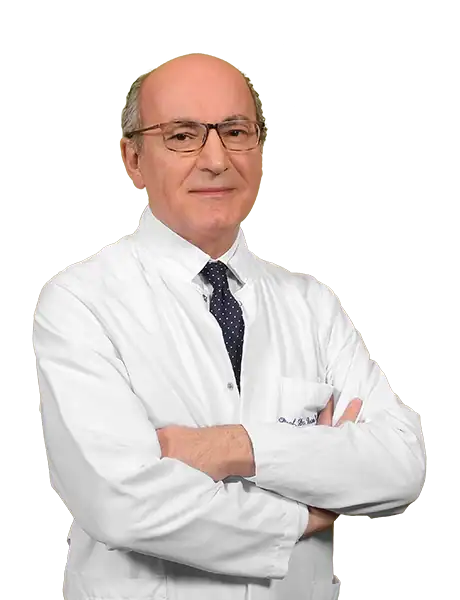
Prof. Dr. Nazim Korkut
Otorhinolaryngology
Prof. Dr. Hasan M. Tanyeri
Ear Nose & Throat
Prof. Dr. Güler Berkiten
Otorhinolaryngology
Assoc. Prof. Dr. A. Erdem Kilavuz
Ear Nose & Throat