Cochlear Implant Surgery: Preparation, Procedure, and Rehabilitation

A cochlear implant does not restore normal hearing, but it can improve access to sound and speech for suitable candidates. Careful evaluation before surgery usually includes hearing tests, imaging, and assessment by an ENT and audiology team.
Key Takeaways
- A cochlear implant does not restore normal hearing, but it can improve access to sound and speech for suitable candidates.
- Careful evaluation before surgery usually includes hearing tests, imaging, and assessment by an ENT and audiology team.
- Recovery from surgery is only one part of treatment; device activation and long-term rehabilitation are essential.
- Results vary from person to person based on hearing history, age, inner ear anatomy, and regular follow-up.
- Early discussion with a specialist can help determine whether a cochlear implant is appropriate.
Cochlear implant surgery is a treatment option for some children and adults with severe to profound hearing loss who receive limited benefit from hearing aids. Understanding preparation, the surgical procedure, and rehabilitation can help patients and families approach the process with realistic expectations and confidence.
Overview of Cochlear Implant Surgery
Cochlear implant surgery is a procedure used to place an electronic hearing device in people with severe to profound sensorineural hearing loss who do not gain enough benefit from conventional hearing aids. Unlike hearing aids, which make sound louder, a cochlear implant works by bypassing damaged parts of the inner ear and directly stimulating the hearing nerve. This can help the brain detect sound signals more clearly.
A cochlear implant has internal and external parts. The internal portion is placed surgically under the skin and into the inner ear. The external portion is worn behind the ear and includes a microphone and speech processor. Together, these components capture sound, convert it into electrical signals, and send those signals to the auditory nerve.
The procedure may be considered for adults and children, including those born with hearing loss and those who lose hearing later in life. Candidacy depends on more than the level of hearing loss alone. Doctors also look at how much speech a person understands with hearing aids, overall ear health, imaging findings, and readiness for follow-up rehabilitation. For some patients, cochlear implant treatment becomes part of a broader hearing care plan.
Who May Benefit and Common Symptoms
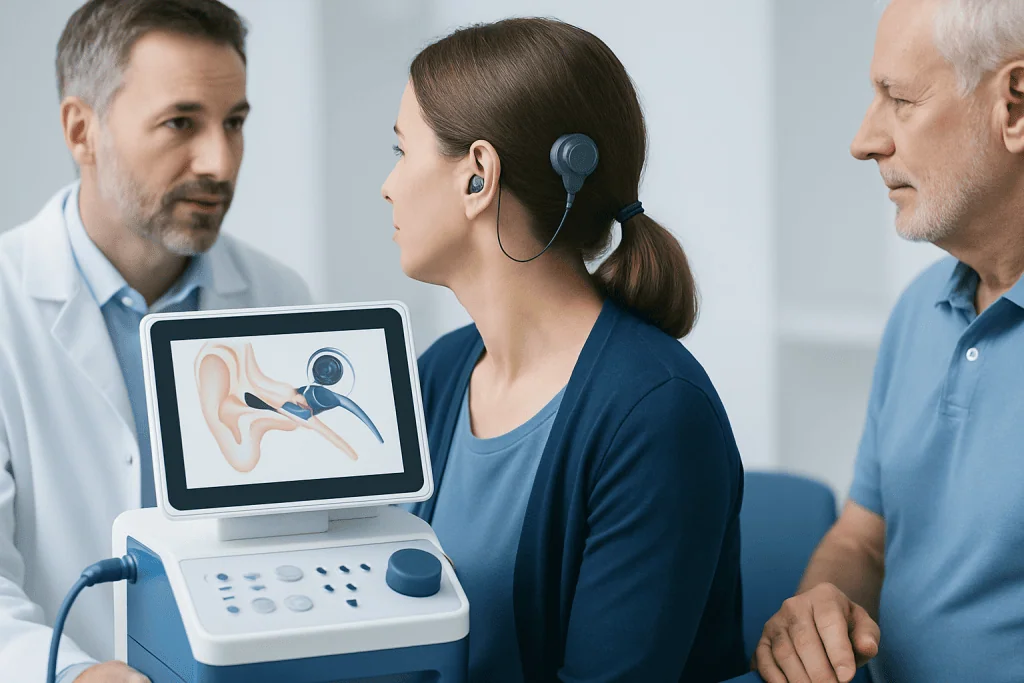
People who may be evaluated for cochlear implant surgery often have difficulty hearing speech even when they use well-fitted hearing aids. They may notice that conversations sound muffled, understanding speech in noisy places is especially difficult, or watching television requires very high volume. In children, possible signs can include delayed speech and language development, limited response to sound, or difficulty following verbal instructions.
Many candidates have advanced hearing loss caused by damage to the hair cells in the cochlea. Some may also have related symptoms such as ringing in the ears, known as tinnitus, although a cochlear implant is not primarily a treatment for tinnitus. In adults who lose hearing suddenly or progressively, poor speech recognition despite hearing aids is often one of the most important practical concerns.
Not everyone with hearing loss needs or benefits from an implant. Some people do well with hearing aids or other ear procedures depending on the cause of hearing loss. The goal of evaluation is to identify whether the implant is likely to improve access to sound and spoken communication in daily life.
- Severe to profound sensorineural hearing loss
- Limited speech understanding with hearing aids
- Difficulty following conversation, especially in noise
- Speech and language delay related to hearing loss in children
Causes, Risk Factors, and Candidacy Assessment
The most common reason for cochlear implantation is sensorineural hearing loss, which may result from genetic factors, aging, noise exposure, infections, certain medications, trauma, or inner ear abnormalities. Some children are born with hearing loss, while adults may develop it gradually or after a sudden event. A history of meningitis, congenital infections, or structural differences in the cochlea can also influence treatment planning.
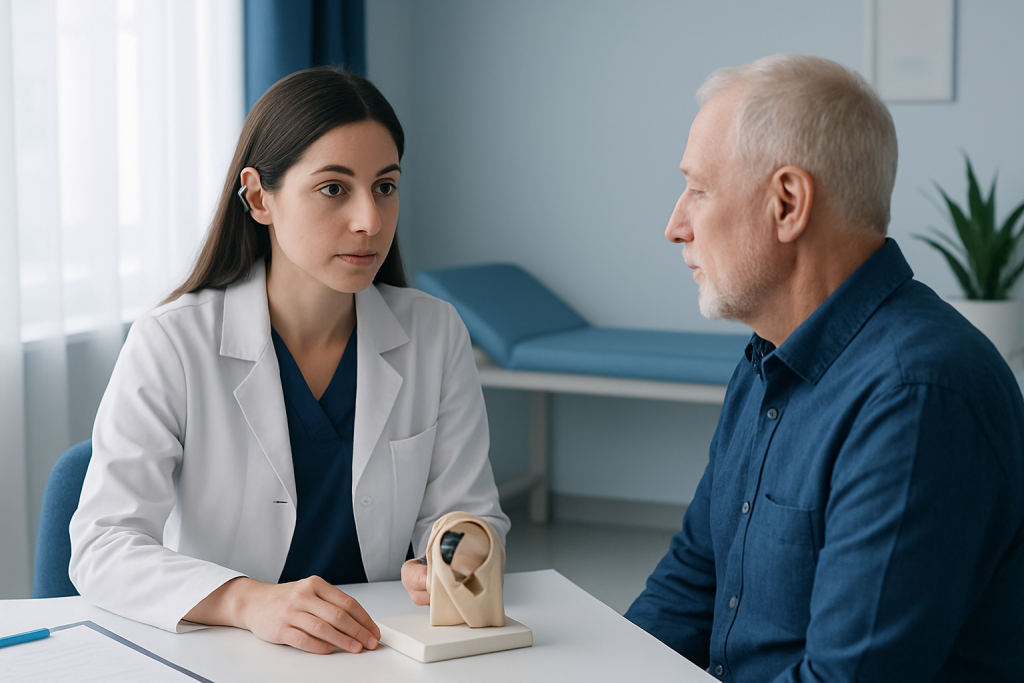
Candidacy is assessed by a multidisciplinary team that often includes an ENT surgeon, audiologist, and sometimes speech-language or rehabilitation specialists. Hearing tests are used to measure how well a person hears tones and understands speech with and without hearing aids. Doctors also review medical history, communication needs, and expectations about what the implant can and cannot do.
Imaging tests such as CT or MRI scans help doctors examine the inner ear and hearing nerve. These scans can show whether the cochlea is formed normally and whether there are other ear conditions that may need attention, such as chronic infection or cholesteatoma. In some cases, expertise in neurotology or neuro-otology is important for complex hearing and balance conditions.
Psychological readiness and family support also matter, especially for children. Successful outcomes depend not only on surgery but also on consistent device use, follow-up programming, and rehabilitation after implantation.
Preparing for the Procedure
Preparation for cochlear implant surgery usually begins with a detailed hearing assessment and medical review. The care team confirms candidacy, discusses expected benefits and limitations, and explains the type of device being considered. Patients and families are encouraged to ask questions about daily use, maintenance, school or workplace support, and long-term follow-up.
Before surgery, the surgeon may request blood tests, imaging, and a review of current medications. Some medicines may need to be adjusted temporarily, especially those that affect bleeding, but this decision should always be guided by the treating doctor. Vaccinations may also be discussed because people with cochlear implants can have a higher risk of certain forms of meningitis, and preventive immunization may be recommended when appropriate.
Patients are usually given instructions about fasting before anesthesia and when to arrive at the hospital. For children, caregivers may also receive advice on how to prepare emotionally for the hospital experience. Setting realistic expectations is an important part of preparation: hearing after activation sounds different from natural hearing at first, and the brain needs time and practice to adapt.
How Cochlear Implant Surgery Is Performed
Cochlear implant surgery is commonly performed under general anesthesia. The surgeon makes a small incision behind the ear and creates a space under the skin for the internal receiver. An opening is then made to reach the cochlea, and a thin electrode array is carefully inserted into the inner ear.
Once the internal device is in place, the incision is closed. The operation often takes a few hours, although timing can vary depending on anatomy and whether one or both ears are being treated. In many cases, patients go home the same day or after a short hospital stay, depending on age, general health, and the surgeon’s advice.
As with any operation, there are potential risks, but serious complications are uncommon when the procedure is performed by experienced teams. Possible risks include infection, bleeding, dizziness, taste disturbance, facial nerve weakness, device problems, or incomplete hearing benefit. The surgeon explains these possibilities carefully so patients can make an informed decision.
In some people, additional ear surgery may be needed if there is a separate structural problem or chronic ear disease. Treatment planning is individualized to protect ear health and support the best possible implant function.
Recovery, Activation, and Rehabilitation
After surgery, there may be mild pain, swelling, pressure, or temporary dizziness around the operated ear. These symptoms often improve over several days. The wound should be kept clean and dry as advised, and patients should follow instructions about activity, bathing, and follow-up visits. If there is increasing pain, fever, redness, drainage, or other concerning symptoms, medical review is important.
The implant is not usually switched on immediately after surgery. The external processor is typically fitted and activated after the incision has healed, often a few weeks later. During this appointment, the audiologist programs the device, a process called mapping, to adjust sound levels to the individual’s needs. Several mapping sessions are usually required over time.
Rehabilitation is a central part of success. Adults often need listening practice to learn how to interpret the new sound signals. Children may need ongoing auditory-verbal therapy, speech and language support, and family-based communication practice. Improvements often continue gradually over months rather than appearing all at once.
Outcomes vary. People who had useful hearing and language before hearing loss may adapt more quickly, while those with long-standing deafness may need more time and support. Regular follow-up helps optimize performance and address any technical or communication challenges.
Long-Term Care, Self-care, and Everyday Life
Living with a cochlear implant involves regular care of the external processor and routine follow-up appointments. The external parts should be handled according to the manufacturer’s instructions, and batteries or charging systems need to be maintained consistently. Patients also benefit from protecting the ears from trauma and discussing sports, travel, and water exposure with their care team.
People with implants may need to tell other healthcare professionals and school or workplace staff about the device. Certain imaging or medical procedures may require special planning, especially MRI scans, because implant models differ in their compatibility. Carrying implant information can make emergency or routine care easier.
Communication strategies remain useful even after implantation. Facing the speaker, reducing background noise, using captions, and combining spoken language with visual cues can improve everyday understanding. Hearing aids may still be recommended in the other ear for some patients, and educational or workplace accommodations can also help.
Near the end of the treatment journey, some patients seek coordinated international care. Acibadem International’s multidisciplinary specialists in JCI-accredited hospitals diagnose and treat hearing conditions for international patients, including those who may be candidates for cochlear implantation.
When to See a Doctor
Anyone with significant hearing difficulty, poor speech understanding, or delayed speech development in a child should seek medical assessment. Early evaluation is especially important in young children because hearing plays a major role in speech, language, and social development. Adults with progressive hearing loss also benefit from timely specialist review, especially if hearing aids no longer provide enough help.
Urgent medical advice is needed for sudden hearing loss, severe dizziness, facial weakness, ear discharge, high fever, or a new ear infection after implantation. A person with an implant should also contact their care team if the device stops working properly or sound quality changes suddenly. Prompt assessment can help identify treatable problems and protect long-term hearing outcomes.
Even when symptoms are not urgent, regular follow-up matters. Cochlear implants need ongoing programming and monitoring, and hearing needs can change over time. A qualified ENT specialist and audiology team can guide decisions about surgery, rehabilitation, and long-term support safely and effectively.
Frequently asked questions
What is the difference between a hearing aid and a cochlear implant?
A hearing aid amplifies sound so it becomes louder. A cochlear implant works differently by converting sound into electrical signals that stimulate the hearing nerve directly. It is usually considered when hearing aids no longer provide enough benefit.
Does cochlear implant surgery restore normal hearing?
No, a cochlear implant does not restore natural hearing. Instead, it gives access to sound in a different way that the brain learns to interpret over time. Many people experience meaningful improvement in communication, but results vary.
How long does recovery take after cochlear implant surgery?
Physical recovery from the operation is often relatively quick, with many people feeling better within days to a couple of weeks. However, the full hearing journey takes longer because the device is activated after healing and requires repeated programming and rehabilitation. Hearing improvement usually develops gradually over months.
Is cochlear implant surgery safe for children?
Cochlear implant surgery is a well-established procedure for carefully selected children. Safety and suitability are assessed by a specialist team, and early treatment can support speech and language development in some children. Ongoing family involvement and rehabilitation are very important after implantation.
Can both ears receive cochlear implants?
Yes, some people receive implants in both ears, either at the same time or in separate surgeries. This decision depends on age, hearing history, anatomy, communication goals, and specialist recommendations. The care team will explain whether unilateral or bilateral implantation is more appropriate.
Will a person still need therapy after the implant is placed?
Yes, rehabilitation is a key part of treatment. The brain needs time and training to make sense of the new sound signals, and children often need speech and language support as well. Regular device mapping and listening practice are essential for the best possible outcome.
References
- World Health Organization
- National Institute on Deafness and Other Communication Disorders
- American Academy of Otolaryngology–Head and Neck Surgery
- American Speech-Language-Hearing Association
- National Health Service
This article is for general information only and is not a substitute for professional medical advice. Please consult a qualified doctor about your individual situation.
Cochlear Implant in Turkey — costs, top hospitals & a free quote
JCI-accredited · board-certified surgeons · reply within 24h
Add us as a Preferred Source to see more of our trusted health content across Google Search, AI Overviews and Discover.

Otorhinolaryngology (ENT)
Care for ear, nose, throat and head-and-neck conditions, including hearing and balance disorders.
126 specialists in this unitRelated Treatments
Related Conditions
More from the Health Library
Related Specialists
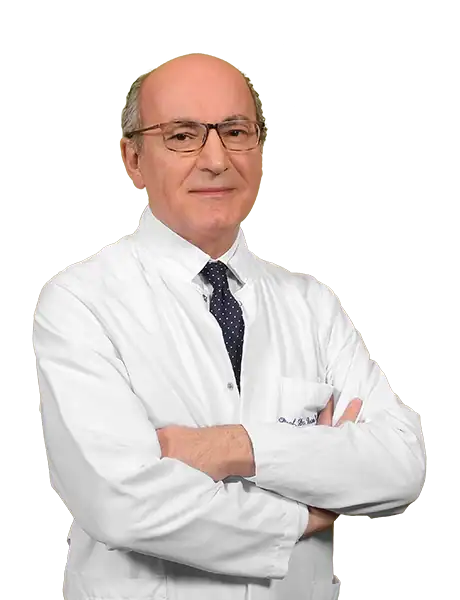
Prof. Dr. Nazim Korkut
Otorhinolaryngology
Prof. Dr. Hasan M. Tanyeri
Ear Nose & Throat
Prof. Dr. Güler Berkiten
Otorhinolaryngology
Assoc. Prof. Dr. A. Erdem Kilavuz
Ear Nose & Throat