Colles Fracture — Explained by Medical Evidence, Not Myths

A colles fracture affects the distal radius near the wrist and often causes pain, swelling, and visible deformity. It commonly happens after a fall onto an outstretched hand, especially in older adults and people with weaker bones.
Key Takeaways
- A colles fracture affects the distal radius near the wrist and often causes pain, swelling, and visible deformity.
- It commonly happens after a fall onto an outstretched hand, especially in older adults and people with weaker bones.
- Diagnosis usually involves a physical exam and X-rays to confirm the break and check alignment.
- Treatment may include splinting, casting, reduction, pain control, rehabilitation, or surgery depending on the fracture pattern.
- Early medical assessment helps lower the risk of poor healing, stiffness, nerve symptoms, and long-term loss of wrist function.
A colles fracture is a break near the wrist end of the radius, most often caused by falling onto an outstretched hand. It is a common injury that usually responds well to proper diagnosis, immobilization, and, in some cases, surgery.
Overview: what a colles fracture means
A colles fracture is a specific type of broken wrist. It affects the distal radius, which is the larger of the two forearm bones at the end closest to the wrist. In this injury, the broken fragment is typically displaced backward, creating the classic wrist deformity often described in textbooks.
This fracture most often happens when a person falls onto an outstretched hand. It can occur at any age, but it is especially common in older adults because bone strength may decline over time. Younger people may also develop it after sports injuries, cycling accidents, or other higher-impact trauma.
Although the term is widely used, not every broken wrist is a colles fracture. Some injuries involve other parts of the wrist or forearm, and some have different directions of displacement. This distinction matters because treatment and recovery can vary between a classic colles fracture and other forms of wrist fracture.
With timely care, many people recover good comfort and function. The main goals are to confirm the diagnosis, restore alignment as much as possible, protect healing, and begin rehabilitation at the right time.
Signs and symptoms
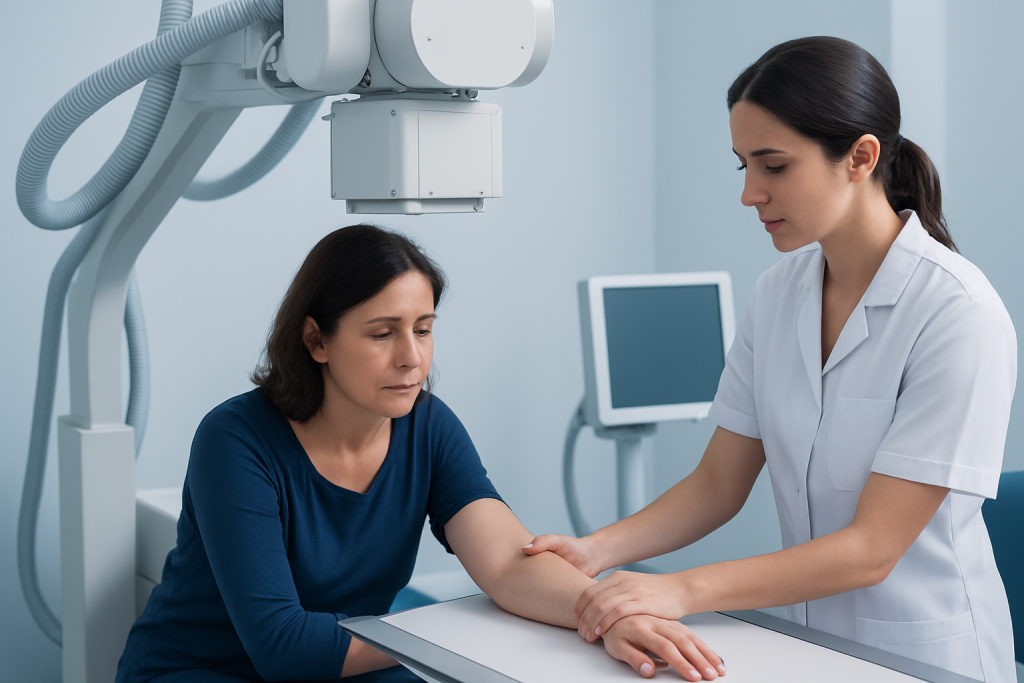
The symptoms of a colles fracture usually begin immediately after injury. Most people notice sudden wrist pain, swelling, and difficulty moving the hand. Gripping objects, turning a doorknob, or supporting weight through the wrist may become very painful.
There may also be bruising, tenderness, and a visible change in wrist shape. In some cases, the wrist looks bent or “dinner-fork” shaped because the broken bone has shifted. Not every fracture causes obvious deformity, however, so a normal-looking wrist does not rule out a break.
Other symptoms can include stiffness in the fingers, reduced hand strength, and pain that worsens with movement. Numbness or tingling may occur if swelling or bone position affects nearby nerves, especially the median nerve around the carpal tunnel area.
- Sudden pain after a fall or impact
- Swelling around the wrist
- Bruising or tenderness
- Reduced wrist motion
- Visible deformity in some cases
- Numbness, tingling, or weakness in the hand
Causes and risk factors

The most common cause of a colles fracture is falling onto an outstretched hand. When the hand hits the ground, force travels through the wrist to the distal radius. If the force exceeds what the bone can tolerate, a fracture can occur. The exact pattern depends on age, bone quality, and how the wrist was positioned during the fall.
Bone strength is an important risk factor. Older adults, especially postmenopausal women, have a higher risk because reduced bone density makes the distal radius more vulnerable. In some people, a wrist fracture after a minor fall may be an early clue to underlying osteoporosis.
Activity and environment also matter. Slippery surfaces, poor balance, weak muscles, vision problems, and certain medications can increase the chance of falling. In younger adults, contact sports, skating, skiing, cycling, and motor vehicle injuries are more common causes.
Previous fractures, smoking, low calcium or vitamin D intake, and medical conditions that affect bone health may further raise risk. For this reason, clinicians often look beyond the wrist itself and consider whether fall prevention or bone health assessment is also needed.
How doctors diagnose a colles fracture
Diagnosis begins with a careful history and physical examination. A doctor asks how the injury happened, where the pain is located, and whether there are symptoms such as numbness, finger weakness, or inability to move the wrist. The wrist, hand, elbow, and forearm are examined because injuries can occur together.
X-rays are the main test used to confirm a colles fracture. They show whether the distal radius is broken, whether the pieces are displaced, and whether the joint surface is involved. Imaging also helps the care team decide whether the fracture can be treated with a cast alone or needs reduction or surgery.
In more complex injuries, additional imaging may sometimes be recommended. A CT scan can give more detail when the fracture extends into the joint or when surgical planning is needed. If the clinical picture suggests a more complicated radius fracture pattern, detailed imaging can help guide treatment.
Doctors also check circulation, sensation, and movement in the hand and fingers. This step is important because swelling, bone displacement, or associated soft-tissue injury can affect nerves, blood vessels, tendons, or ligaments around the wrist.
Treatment options and what recovery involves
Treatment depends on how far the bone has moved, whether the fracture is stable, whether the joint surface is involved, and the person’s age, activity level, and overall health. Many colles fractures can be treated without surgery if the bone position is acceptable and likely to remain stable during healing.
Initial treatment often includes a splint, pain relief, elevation, and ice wrapped in cloth to help reduce swelling. If the bone is displaced, a doctor may perform a reduction, which means gently realigning the fracture before placing a cast or splint. Follow-up X-rays are usually needed to make sure the alignment stays satisfactory as swelling changes.
Some fractures need surgery, especially if they are unstable, significantly displaced, involve the joint, or cannot be held in position with a cast. Surgical care may involve pins, plates, or screws. In selected cases, specialists may discuss hand surgery or orthopedic rehabilitation as part of a broader treatment plan focused on restoring movement and strength.
Recovery continues after the bone begins to heal. Once immobilization is reduced, guided exercises help improve range of motion, grip strength, and hand function. Stiffness is common at first, but steady rehabilitation usually helps. Healing time varies, and full recovery may take longer in older adults, smokers, people with severe fractures, or those with associated ligament injuries.
Self-care, prevention, and bone health
Self-care after a colles fracture should support healing without replacing medical follow-up. Keeping the arm elevated, moving the fingers as advised, and protecting the cast or splint from moisture can help limit swelling and discomfort. It is important not to put weight through the injured wrist until a clinician says it is safe.
Prevention focuses on reducing both falls and bone fragility. Good footwear, home safety measures, strength and balance exercises, and regular vision checks can lower fall risk. For athletes and active adults, protective gear and training in safe technique may reduce injury risk during sports.
Bone health deserves attention, especially after a fracture caused by a simple fall. Doctors may recommend assessment for low bone density and discuss nutrition, vitamin D, calcium intake, weight-bearing exercise, and lifestyle factors such as smoking cessation. When needed, evaluation through bone density testing can help identify whether additional osteoporosis care is appropriate.
People recovering from a wrist fracture should attend follow-up visits and report any worsening pain, numbness, cast problems, or increasing stiffness. A structured recovery plan is often the best way to regain safe daily function while reducing the risk of future injury.
When to seek medical care
Medical assessment is recommended for any wrist injury that causes significant pain, swelling, bruising, reduced movement, or deformity after a fall or impact. Even if symptoms seem manageable, a fracture can be present and may heal poorly without proper alignment and support.
Urgent care is especially important if the hand becomes numb, pale, cold, or very weak, or if pain is severe and rapidly worsening. These features can suggest nerve or blood flow problems that need prompt evaluation. Open wounds near the fracture site also require urgent attention because of infection risk.
People should also contact a doctor if symptoms worsen after a cast or splint is applied, or if the cast feels too tight, breaks, or causes pressure sores. Ongoing stiffness, loss of finger movement, or persistent pain after healing may require reassessment and rehabilitation planning.
For international patients who need coordinated evaluation and treatment, Acibadem International’s multidisciplinary specialists in JCI-accredited hospitals diagnose and manage fractures, rehabilitation needs, and related bone health concerns.
Frequently asked questions
Is a colles fracture the same as any broken wrist?
No. A colles fracture is a specific type of distal radius fracture near the wrist, usually with the broken fragment displaced backward. Other wrist fractures may affect different bones, involve different directions of displacement, or include associated ligament injuries.
How long does a colles fracture take to heal?
Bone healing often takes several weeks, but recovery of strength and movement may take longer. The exact timeline depends on the fracture pattern, age, bone health, treatment used, and whether rehabilitation is needed.
Does every colles fracture need surgery?
No. Many colles fractures can be treated with reduction, splinting, and casting if the alignment is acceptable and stable. Surgery is more likely when the fracture is significantly displaced, unstable, involves the joint, or cannot be maintained in good position with a cast.
Can someone move the wrist and still have a colles fracture?
Yes. Some people can still move the wrist a little despite having a fracture, especially if the break is not severely displaced. Because symptoms can overlap with a sprain, X-rays are often needed to confirm the diagnosis.
What complications can happen after a colles fracture?
Possible complications include stiffness, reduced grip strength, poor bone alignment, nerve irritation, tendon problems, and post-traumatic arthritis if the joint surface is involved. Early treatment and follow-up can help lower these risks.
Should a person be checked for osteoporosis after a colles fracture?
In many adults, especially older adults, yes. A wrist fracture after a low-impact fall can be a sign of low bone density, and evaluating bone health may help prevent future fractures.
References
- American Academy of Orthopaedic Surgeons
- National Institute of Arthritis and Musculoskeletal and Skin Diseases
- American Society for Surgery of the Hand
- National Health Service
- International Osteoporosis Foundation
This article is for general information only and is not a substitute for professional medical advice. Please consult a qualified doctor about your individual situation.
Joint and spine care in Turkey — expert assessment & treatment
JCI-accredited · board-certified surgeons · reply within 24h
Add us as a Preferred Source to see more of our trusted health content across Google Search, AI Overviews and Discover.

More from the Health Library

Cramps in the Vigina: A Complete Medical Overview

Photos of Skin Irritations: What Patients Need to Know

Phosphorus: A Complete Medical Overview
Abdominal Binder: A Complete Medical Overview

Sublingual: What Patients Need to Know

Resistant Starch: What Patients Need to Know
Orthopedic Surgery & Traumatology Specialists at Acibadem

Fzt. Ahsen Ercan
Physical Medicine & Rehabilitation
Fzt. Ali Furkan Gürler
Physical Medicine & Rehabilitation
Dr. Ali Koç
Orthopedic Surgery & Traumatology
Dr. Ali Osman Çiçek
Orthopedic Surgery & Traumatology