Common Myths About Neurological Sleep Disorders

Neurological sleep disorders are medical conditions involving the brain, nerves, and sleep-wake regulation. Symptoms are not always limited to snoring or daytime tiredness; they can include unusual movements, vivid dreams, weakness episodes, or disrupted nighttime breathing.
Key Takeaways
- Neurological sleep disorders are medical conditions involving the brain, nerves, and sleep-wake regulation.
- Symptoms are not always limited to snoring or daytime tiredness; they can include unusual movements, vivid dreams, weakness episodes, or disrupted nighttime breathing.
- Children, adults, and older adults can all be affected, and symptoms may look different at different ages.
- These conditions are diagnosable with clinical evaluation and, when needed, sleep studies and neurological testing.
- Many neurological sleep disorders can be managed effectively with lifestyle changes, devices, medications, or targeted specialist care.
Neurological sleep disorders are often misunderstood, and common myths can delay diagnosis and treatment. Knowing what is true—and what is not—can help people seek appropriate care and improve sleep, daytime function, and overall health.
Overview: what neurological sleep disorders really are
Neurological sleep disorders are conditions in which the brain, nervous system, or the body’s sleep-wake control systems affect how a person sleeps, stays awake, breathes during sleep, or behaves at night. They include a wide range of problems, such as narcolepsy, restless legs syndrome, periodic limb movement disorder, REM sleep behavior disorder, central sleep apnea, and some forms of insomnia linked to neurological disease.
A common myth is that sleep problems are simply the result of stress, poor habits, or getting older. While sleep habits do matter, neurological sleep disorders are genuine medical conditions. They can affect concentration, mood, school or work performance, driving safety, and long-term health. They may also occur alongside other neurological or general medical conditions.
Another misconception is that all sleep disorders are the same. In reality, different disorders have different causes, symptoms, and treatments. Someone who acts out dreams during sleep needs a different evaluation from someone who suddenly falls asleep during the day, and both differ from a person with repeated breathing pauses at night. Understanding these distinctions is the first step toward getting helpful care.
Common myths and the facts behind them
Myth: “If a person can fall asleep easily, they do not have a sleep disorder.” In fact, falling asleep quickly can sometimes be a sign of excessive sleepiness rather than healthy sleep. Conditions such as narcolepsy or severe sleep deprivation can make a person fall asleep faster than expected.
Myth: “Snoring is always harmless.” Snoring can be benign, but it may also signal sleep-disordered breathing. In some people, breathing disturbances are related to obstructive patterns, while in others they may reflect neurological control problems such as sleep apnea. The context, associated symptoms, and sleep testing results matter.
Myth: “Unusual movements or behaviors during sleep are just vivid dreams.” Some nighttime behaviors are more than normal dreaming. Repeated kicking, jerking, walking, shouting, or acting out dreams can point to specific sleep disorders that benefit from specialist assessment, especially when they are frequent, disruptive, or lead to injury.
Myth: “Only older adults get neurological sleep disorders.” These conditions can occur at any age. Children may have sleep-related movement problems or breathing disorders, teenagers may develop circadian rhythm issues or narcolepsy, and adults of any age can experience REM sleep behavior disorder, central sleep apnea, or restless legs symptoms.
Symptoms that should not be ignored

Neurological sleep disorders can cause a broad range of symptoms. Some happen at night, while others are most noticeable during the day. Not every person experiences the same pattern, and symptoms may appear gradually, making them easy to overlook.
Daytime symptoms may include excessive sleepiness, trouble concentrating, memory complaints, morning headaches, irritability, low energy, and unrefreshing sleep. Some people have sudden sleep attacks, brief weakness triggered by emotions, or difficulty staying awake during quiet activities such as reading or watching television.
Nighttime symptoms can include repeated awakenings, gasping, unusual breathing patterns, jerking or kicking of the legs, sleepwalking, acting out dreams, vivid hallucinations around sleep onset or waking, and episodes of temporary inability to move. A sleep partner may notice symptoms before the affected person does.
- Loud snoring with pauses in breathing
- Repeated leg discomfort or an urge to move the legs in the evening
- Dream-enactment behaviors, shouting, or sudden movements during sleep
- Severe daytime drowsiness despite adequate time in bed
- Morning confusion, frequent awakenings, or non-restorative sleep
Causes and risk factors: more than just lifestyle
One of the most persistent myths is that neurological sleep disorders are caused only by poor routines. Sleep habits can worsen symptoms, but they are rarely the whole explanation. These disorders may be influenced by brain signaling, genetics, iron deficiency, medications, breathing control, circadian rhythm disruption, and underlying neurological conditions.
For example, narcolepsy is linked to altered regulation of sleep and wakefulness in the brain. Restless legs syndrome may be associated with iron metabolism and nervous system pathways. REM sleep behavior disorder can occur on its own or in association with certain neurodegenerative conditions. Central sleep apnea may reflect how the brain regulates breathing during sleep, rather than a blockage in the airway.
Risk factors vary depending on the condition. They may include family history, existing neurological disease, obesity in some forms of sleep-disordered breathing, alcohol use, certain antidepressants or sedatives, irregular schedules, pregnancy, kidney disease, and advancing age. Because causes differ so widely, self-diagnosis is often unreliable.
How diagnosis is made
Another myth is that sleep disorders cannot be measured objectively. In reality, diagnosis often combines a careful medical history with validated testing. A clinician usually asks about sleep habits, daytime functioning, medications, mental health, work schedule, and observations from a bed partner or family member.
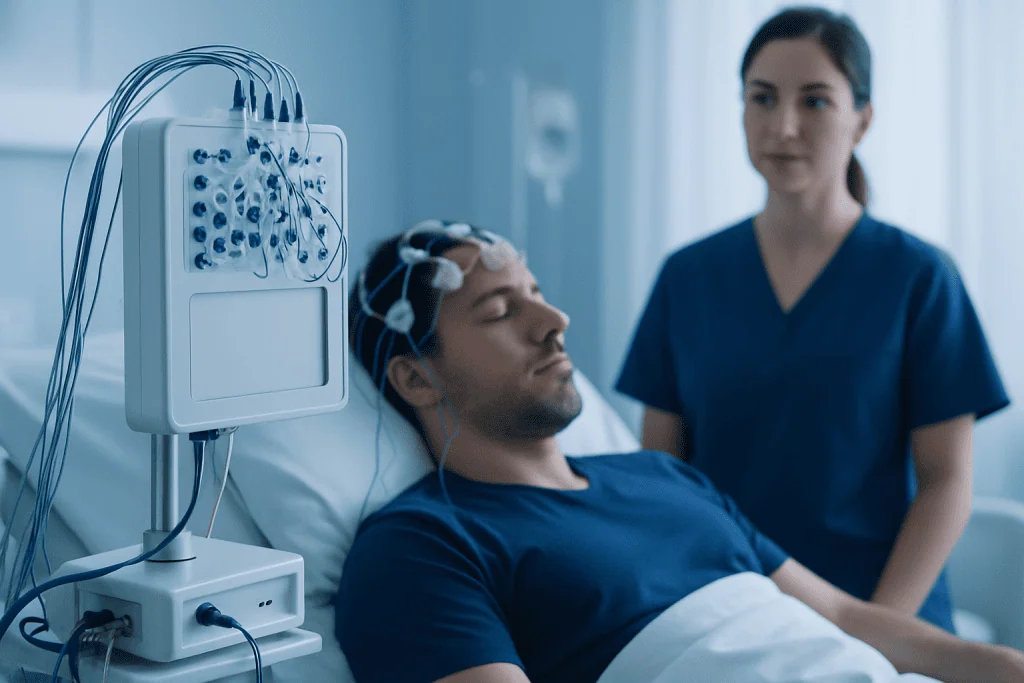
Depending on the symptoms, doctors may recommend a sleep study, also called polysomnography, to monitor brain waves, breathing, heart rate, oxygen levels, and body movements during sleep. For some people, a daytime nap test can help assess abnormal sleepiness and support the diagnosis of conditions such as narcolepsy. Home sleep testing may be useful in selected cases, although it is not appropriate for every neurological sleep complaint.
Additional evaluation may include blood tests, iron studies, neurological examination, actigraphy, sleep diaries, or imaging when clinically indicated. The goal is to identify the specific disorder and rule out look-alike conditions, such as seizures, medication effects, psychiatric conditions, or insomnia related to other health problems.
When symptoms suggest complex sleep breathing problems or unusual nighttime behaviors, referral to a specialist in sleep neurology may be especially helpful. In some cases, the evaluation may overlap with neurology care or structured sleep testing to clarify the diagnosis.
Treatment options and what people can expect
Treatment depends on the underlying condition, which is why myth-based advice can be unhelpful. There is no single remedy that works for every neurological sleep disorder. Management may include lifestyle measures, treatment of contributing conditions, medications, positive airway pressure therapy, safety planning, or specialist procedures when needed.
For sleep-related breathing disorders, treatment may involve weight management when appropriate, sleeping-position strategies, positive airway pressure devices, or tailored respiratory support. For movement-related sleep disorders, treatment may include reviewing medications, correcting iron deficiency if present, and carefully selected medicines. Narcolepsy treatment often focuses on improving daytime alertness and managing REM-related symptoms. Dream-enactment behaviors may require bedroom safety changes and medications in selected cases.
It is also important to treat associated conditions such as anxiety, depression, chronic pain, or neurological disease, since these can strongly influence sleep quality. Good sleep habits remain useful, but they work best as part of a broader care plan rather than as the only strategy.
Some people benefit from input from multiple specialists, especially when symptoms overlap. This can include sleep medicine, pulmonology, psychiatry, or neurosurgery in rare cases where structural neurological issues play a role. Treatment plans are individualized and may need adjustment over time.
Self-care, prevention, and daily habits that support better sleep
Not all neurological sleep disorders can be prevented, but healthy daily habits can reduce symptom burden and improve sleep quality. A regular sleep schedule, a comfortable sleep environment, limiting late caffeine and alcohol, and keeping screens out of the final part of the evening can all be helpful. Daytime exercise often supports sleep, although vigorous activity close to bedtime may not suit everyone.
People who feel sleepy during the day should be cautious with driving, working at heights, or operating machinery until they have been assessed. Keeping a symptom diary can be useful. Recording bedtime, wake time, naps, snoring, limb movements, dream-related behaviors, and daytime alertness can help the doctor identify patterns.
Bedroom safety is especially important if a person moves violently during sleep, sleepwalks, or acts out dreams. Removing sharp objects, padding the sleep area, and discussing safety measures with a clinician can help reduce the risk of injury. Bed partners should also be included in education whenever possible.
Near the end of the care journey, some people may need ongoing follow-up to monitor changes or adjust treatment. Acibadem International’s multidisciplinary specialists and JCI-accredited hospitals diagnose and treat neurological sleep disorders for international patients when specialist assessment is needed.
When to see a doctor
Medical advice should be sought if sleep problems persist for weeks, interfere with daytime life, or create safety concerns. This includes loud snoring with pauses in breathing, repeated choking or gasping at night, severe daytime sleepiness, sudden loss of muscle tone, frequent limb movements, or unusual behaviors during sleep that could cause injury.
Prompt assessment is also important if symptoms begin after starting a new medication, appear alongside memory or movement changes, or occur in someone with a neurological condition. Children should be evaluated if they snore regularly, seem excessively sleepy, have behavior changes related to poor sleep, or show unusual nighttime events.
Emergency care may be needed if breathing problems during sleep are severe, if a person is difficult to wake, or if episodes could represent seizures or another urgent neurological issue. A qualified doctor can help determine whether the problem is a neurological sleep disorder, another medical condition, or a combination of factors.
Frequently asked questions
Are neurological sleep disorders the same as ordinary poor sleep?
No. Ordinary poor sleep may happen temporarily because of stress, travel, illness, or irregular habits, while neurological sleep disorders involve specific problems in sleep regulation, movement, breathing control, or brain function during sleep. A doctor can help distinguish between the two.
Can someone have a serious sleep disorder even if they sleep many hours?
Yes. Sleep quantity does not always equal sleep quality. A person may spend enough time in bed but still have disrupted, unrefreshing sleep because of breathing problems, abnormal movements, or disorders that affect alertness.
Is snoring always a sign of a neurological sleep disorder?
No, not always. Snoring can be harmless in some people, but it can also be a sign of sleep-disordered breathing that needs evaluation. It is more concerning when it occurs with breathing pauses, gasping, morning headaches, or daytime sleepiness.
Do children get neurological sleep disorders?
Yes. Children can have sleep-related breathing disorders, movement problems, parasomnias, and sometimes disorders of excessive sleepiness. Their symptoms may look different from adults and can include hyperactivity, learning difficulties, or mood changes.
How is a neurological sleep disorder confirmed?
Diagnosis usually starts with a medical history and symptom review. Depending on the suspected condition, the doctor may recommend a sleep study, nap testing, blood tests, neurological evaluation, or sleep diaries to identify the cause accurately.
Can neurological sleep disorders be treated successfully?
Many can be managed effectively, even if not all are fully cured. Treatment may improve sleep quality, daytime energy, safety, and overall well-being. The best results usually come from identifying the exact disorder and following an individualized care plan.
References
- American Academy of Sleep Medicine
- National Institute of Neurological Disorders and Stroke
- National Heart, Lung, and Blood Institute
- American Academy of Neurology
- Mayo Clinic
This article is for general information only and is not a substitute for professional medical advice. Please consult a qualified doctor about your individual situation.
Explore treatments in Turkey — costs, top hospitals & a free quote
JCI-accredited · board-certified surgeons · reply within 24h
Add us as a Preferred Source to see more of our trusted health content across Google Search, AI Overviews and Discover.