Contrast Dye Side Effects: What Is Normal and When to Seek Medical Help
Many contrast dye side effects are mild, including a warm feeling, metallic taste, flushing, or brief nausea. Serious reactions are uncommon but can include trouble breathing, swelling, severe rash, or a sudden drop in blood pressure.
Key Takeaways
- Many contrast dye side effects are mild, including a warm feeling, metallic taste, flushing, or brief nausea.
- Serious reactions are uncommon but can include trouble breathing, swelling, severe rash, or a sudden drop in blood pressure.
- People with kidney disease, prior contrast reactions, asthma, or certain allergies may need extra precautions.
- Hydration and clear communication with the care team can help lower the risk of problems.
- Any delayed symptoms such as rash, worsening nausea, or decreased urination should be reported to a doctor.
Contrast dye side effects are often mild and short-lived, especially during CT scans, MRIs, and angiography. Knowing which reactions are expected and which need urgent medical attention can help patients feel more prepared and safer before imaging tests.
Overview: What contrast dye is and why it is used
Contrast dye, more accurately called contrast media, is a substance used to make certain body structures show up more clearly on imaging tests. It may be given through a vein, swallowed, or administered in other ways depending on the type of scan. Doctors use contrast media to improve the visibility of blood vessels, organs, inflammation, tumors, or areas of injury.
Different imaging tests use different kinds of contrast. Iodine-based contrast is commonly used for CT scans and many X-ray procedures, while gadolinium-based contrast is often used for MRI scans. Some tests of the digestive tract may use barium. Although people often call all of these substances “contrast dye,” they are not all the same and their side effect profiles differ.
Most people tolerate contrast media well. When side effects happen, they are usually mild and pass quickly without treatment. A smaller number of patients develop more significant reactions, which is why imaging teams ask about allergies, kidney disease, asthma, medications, and previous reactions before the test.
What side effects are considered normal?
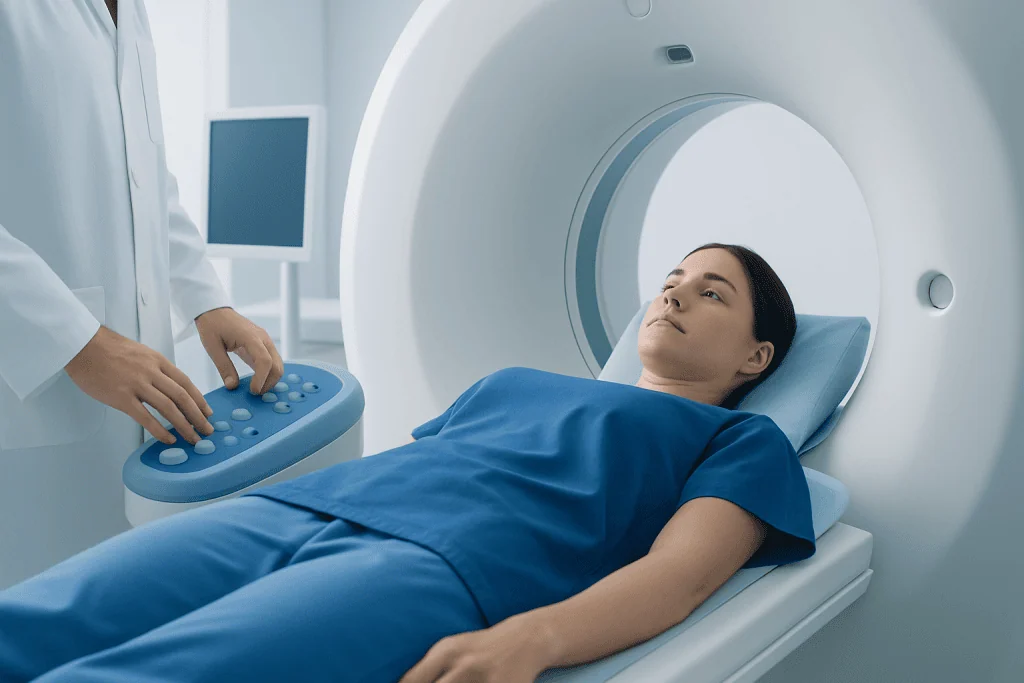
Several sensations are common and usually not a cause for concern. With intravenous iodine contrast for CT, many patients notice a brief warm or flushed feeling that spreads through the body. Some also experience a metallic taste in the mouth, mild nausea, or the sensation that they need to urinate, even though they do not. These feelings typically last only a minute or two.
With MRI contrast, most people feel nothing unusual, but some may notice mild headache, dizziness, nausea, or temporary discomfort at the injection site. If barium is swallowed for digestive imaging, it may cause a chalky taste, bloating, constipation, or pale stools for a short time afterward.
Mild redness or soreness where the IV was placed can also happen. In many cases, resting, drinking fluids if permitted, and following the imaging team’s aftercare advice are enough. Patients should still mention any symptom that feels stronger than expected, especially if it does not improve.
- Warmth or flushing during injection
- Metallic taste in the mouth
- Mild nausea
- Headache or light dizziness
- Temporary injection-site discomfort
- Constipation after barium studies
When side effects may be serious

Serious contrast reactions are uncommon, but it is important to recognize warning signs. Immediate symptoms that need urgent medical attention include trouble breathing, wheezing, swelling of the lips or throat, fainting, severe hives, chest pain, or confusion. These can signal a severe allergic-like reaction or another urgent problem.
Some reactions happen later, after the patient has already gone home. A delayed rash, persistent vomiting, worsening dizziness, fever, or significant swelling should be discussed with a doctor. Reduced urination, new leg swelling, or unusual fatigue may suggest a kidney-related problem after contrast exposure, especially in someone who already has kidney disease.
Extravasation, which means contrast leaking outside the vein into nearby tissue, can also cause trouble. Mild cases may cause temporary swelling or discomfort around the IV site, but increasing pain, blistering, marked swelling, numbness, or skin changes should be assessed promptly.
Who has a higher risk of contrast dye side effects?
Anyone can have a reaction, but some people have a higher chance of side effects or complications. A previous reaction to contrast media is one of the most important risk factors. The radiology team may adjust the test plan, use a different contrast agent, or recommend preventive medication when appropriate.
Kidney disease deserves special attention, particularly with iodine-based contrast used for CT and angiography. Contrast is cleared through the kidneys, so people with chronic kidney disease, diabetes, dehydration, or certain serious medical conditions may need blood tests beforehand. Gadolinium-based MRI contrast also requires caution in advanced kidney disease.
Asthma, multiple allergies, and some heart conditions may increase the risk of a reaction or make a reaction harder to tolerate. Certain medications, including metformin in some circumstances, may need special review around the time of imaging. Patients should always share a full medication list and mention if they are pregnant, breastfeeding, or have had recent illness.
If a scan is being planned because of a known condition such as kidney failure or asthma, that information helps the imaging team choose the safest approach. Risk does not always mean contrast must be avoided, but it does mean planning matters.
How doctors diagnose and monitor a contrast reaction
Most contrast reactions are diagnosed based on symptoms and timing. The imaging team watches the patient during and shortly after the test, especially when contrast is given through a vein. Blood pressure, breathing, skin changes, and overall comfort help guide whether a reaction is mild, moderate, or severe.
If symptoms appear after the patient leaves, diagnosis usually starts with a description of what happened, when symptoms began, and what type of contrast was used. In some cases, blood tests may be ordered to check kidney function or evaluate other causes of symptoms. For skin reactions or suspected allergy, the patient may be referred for further assessment.
People who may need additional imaging in the future should keep a record of any previous reaction. This information can help doctors select a different contrast agent or decide whether another type of imaging, such as MRI scanning or CT scanning, would be more suitable next time.
Treatment options and what happens if a reaction occurs
Treatment depends on the severity of the reaction. Mild symptoms such as brief nausea, flushing, or itching may only require observation and reassurance. If symptoms settle quickly, no further treatment may be necessary. For discomfort at the IV site, staff may stop the injection, remove the IV, and apply supportive care.
Moderate reactions may need medications such as antihistamines, anti-nausea treatment, oxygen, or intravenous fluids. More severe reactions are medical emergencies and are treated immediately by trained staff, who may provide airway support, medications to stabilize blood pressure, and close monitoring.
If kidney function is a concern, the care team may encourage hydration, review medications, and monitor blood tests after the exam. In selected cases, doctors may recommend a different imaging method or a non-contrast study. Procedures such as angiography are carefully planned when contrast is necessary, balancing the benefits of accurate diagnosis with individual risk.
Prevention and self-care before and after the scan
Good preparation lowers the chance of problems. Before the scan, patients should tell the medical team about prior contrast reactions, asthma, kidney disease, heart disease, diabetes, recent illness, and all medicines they take. If blood tests are needed to check kidney function, these should be completed in time for the appointment.
Drinking fluids before and after the test may help some patients, especially when iodine-based contrast is used, unless a doctor has advised fluid restriction. Following instructions about eating, drinking, or stopping medicines is also important. Some patients at higher risk of allergic-like reactions may be given preventive medication before the test based on the doctor’s judgment.
After the scan, mild symptoms can often be managed with rest, hydration if allowed, and observation. Patients should read their discharge instructions carefully and know whom to call if symptoms appear later. If severe symptoms develop, they should seek urgent medical care rather than waiting for the next day.
For patients having repeated imaging, discussing the safest option with a radiologist can be helpful. In some situations, an alternative study such as ultrasound may answer the medical question without contrast exposure.
When to see a doctor
Patients should contact a doctor promptly if they develop a widespread rash, ongoing vomiting, worsening swelling at the injection site, reduced urination, or unusual weakness after receiving contrast. These symptoms do not always mean a serious complication, but they should be assessed, especially in people with kidney disease or other health conditions.
Emergency care is needed right away for difficulty breathing, wheezing, throat tightness, swelling of the face or tongue, severe hives, chest pain, fainting, or severe confusion. These can be signs of a serious reaction that needs immediate treatment.
Most imaging studies using contrast are completed safely, and the benefit of an accurate diagnosis often outweighs the risk of side effects. If patients are worried about a past reaction or an upcoming test, a conversation with the radiology team can help clarify the safest plan. Acibadem International’s multidisciplinary specialists and JCI-accredited hospitals diagnose and manage contrast-related concerns for international patients who need advanced imaging.
Frequently asked questions
Is it normal to feel warm after contrast dye?
Yes. A brief warm or flushed sensation is common with iodine-based contrast used in many CT scans and often goes away within minutes. A metallic taste or mild nausea can also happen and is usually temporary.
Can contrast dye cause an allergic reaction?
Yes, contrast media can cause allergic-like reactions, although serious reactions are uncommon. Symptoms may range from mild itching or hives to breathing difficulty or swelling, which require immediate medical attention.
How long do contrast dye side effects last?
Most mild side effects last only a few minutes to a few hours. Some delayed reactions, such as rash or stomach upset, can appear later the same day or within a few days and should be reported if they are persistent or worsening.
Is contrast dye hard on the kidneys?
Contrast can be a concern for people with existing kidney disease or other risk factors such as dehydration or diabetes. Doctors may check kidney function before the test and take precautions to reduce risk when needed.
What should patients do if they had a previous contrast reaction?
They should tell the imaging team before the test, even if the reaction was mild. This helps doctors decide whether to use a different contrast agent, premedicate, monitor more closely, or choose another imaging method.
Can patients drive home after getting contrast dye?
Many patients can drive home after routine imaging with contrast if they feel well and have not received sedating medication. If they feel dizzy, unwell, or were told to have someone accompany them, they should follow that advice.
This article is for general information only and is not a substitute for professional medical advice. Please consult a qualified doctor about your individual situation.
Explore treatments in Turkey — costs, top hospitals & a free quote
JCI-accredited · board-certified surgeons · reply within 24h
Add us as a Preferred Source to see more of our trusted health content across Google Search, AI Overviews and Discover.

More from the Health Library

Neuroradiology: When MRI, CT, and Advanced Brain Imaging Are Used

Blood Test or Imaging First? How Doctors Decide
Neurophysiology Testing for Numbness and Weakness: What EEG and EMG Can Show

Quest Diagnostics Hours: When Labs Open and How to Plan a Visit
Cerebral Angiography for Brain Vessel Disorders: Preparation, Procedure, and Recovery