COPD: Causes, Breathing Symptoms, and Stages of Disease

COPD is a chronic lung condition that usually includes emphysema, chronic bronchitis, or both. Common symptoms include shortness of breath, long-lasting cough, wheezing, chest tightness, and mucus production.
Key Takeaways
- COPD is a chronic lung condition that usually includes emphysema, chronic bronchitis, or both.
- Common symptoms include shortness of breath, long-lasting cough, wheezing, chest tightness, and mucus production.
- Smoking is the leading cause, but air pollution, workplace exposures, and genetic factors can also contribute.
- Diagnosis often involves breathing tests called spirometry, along with a medical history and imaging when needed.
- Treatment can reduce symptoms and flare-ups through inhalers, pulmonary rehabilitation, oxygen therapy, and lifestyle changes.
- Early diagnosis and avoiding smoke and lung irritants can help slow disease progression.
COPD is a long-term lung disease that limits airflow and can make everyday breathing more difficult. Understanding its symptoms, causes, and stages can help people seek early care and manage the condition more effectively.
Overview
Chronic obstructive pulmonary disease, usually called COPD, is a long-term lung disease that makes it harder for air to move in and out of the lungs. It develops gradually and often worsens over time, especially if the underlying cause continues. COPD is commonly associated with two related problems: emphysema, which damages the air sacs in the lungs, and chronic bronchitis, which causes ongoing inflammation and mucus in the airways.
In healthy lungs, airways stay relatively open and elastic, allowing smooth airflow. In COPD, the airways may become narrowed, swollen, and blocked by mucus. The lung tissue can also lose some of its stretch and support. Together, these changes make breathing less efficient, so a person may feel short of breath even during routine activities.
COPD cannot usually be fully reversed, but it can often be managed well. Early recognition is important because treatment may reduce symptoms, improve daily function, and lower the risk of flare-ups. With the right care plan, many people with COPD continue to live active and meaningful lives.
Symptoms of COPD
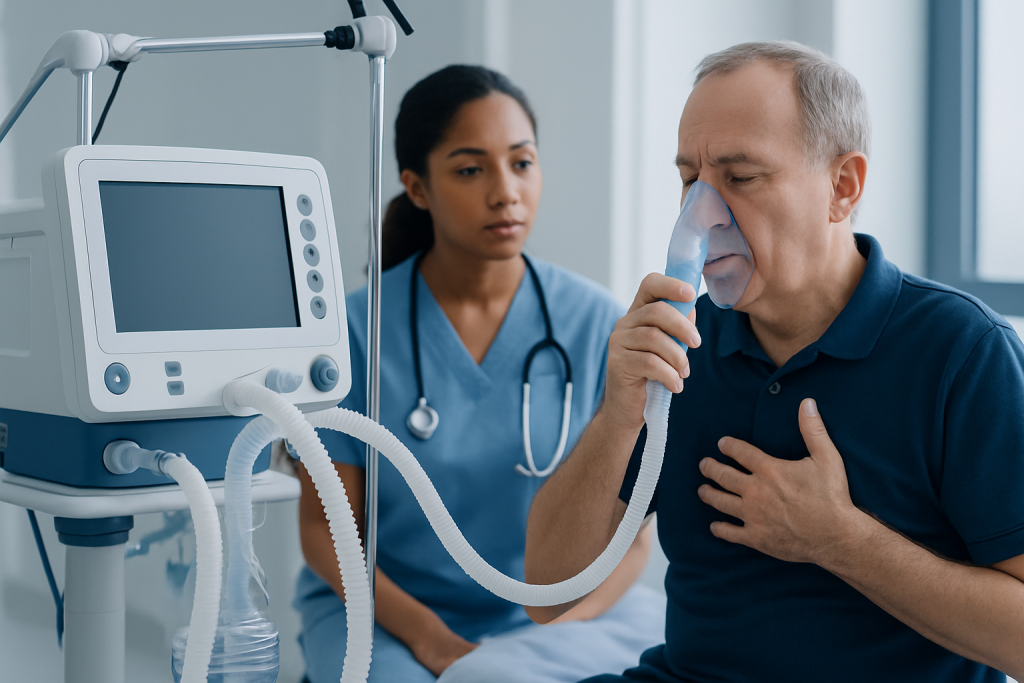
COPD symptoms often start slowly and may be mistaken for normal aging, being out of shape, or the lingering effects of smoking. One of the most common early signs is shortness of breath during physical activity, such as climbing stairs or walking quickly. Over time, symptoms may become more noticeable and may affect daily tasks.
A chronic cough is also common. Some people cough up mucus, also called phlegm or sputum, especially in the morning. Others may notice wheezing, chest tightness, unusual fatigue, or frequent chest infections. Symptoms can vary from person to person, and some people have more mucus while others mainly struggle with breathlessness.
COPD may also cause flare-ups, sometimes called exacerbations. These are periods when symptoms suddenly become worse than usual. A flare-up may include more coughing, increased mucus, changes in mucus color, worsening shortness of breath, or reduced exercise tolerance. Flare-ups are often triggered by infections or exposure to air pollutants and can sometimes require urgent medical care.
- Shortness of breath, especially with activity
- Long-lasting cough
- Excess mucus production
- Wheezing
- Chest tightness
- Frequent respiratory infections
- Tiredness or reduced stamina
Causes and Risk Factors
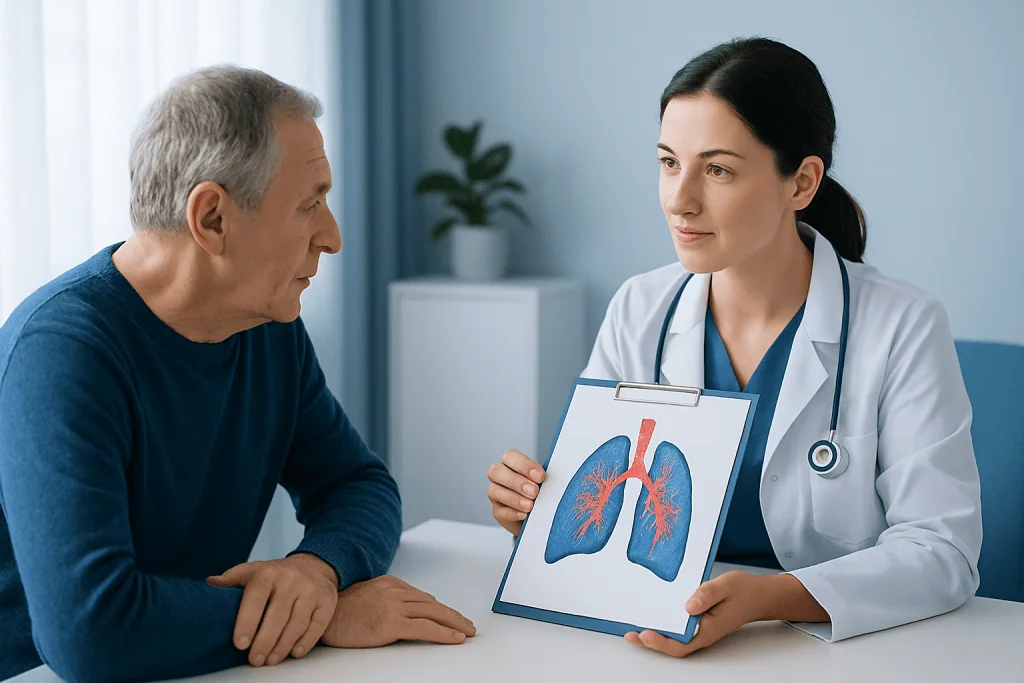
The most common cause of COPD is long-term exposure to tobacco smoke. This includes cigarette smoking and, in some cases, exposure to secondhand smoke. Smoking damages the airways and lung tissue over time, leading to inflammation, mucus buildup, and loss of lung elasticity. Not everyone who smokes develops COPD, but smoking remains the main risk factor.
Other causes and contributors are also important. Long-term exposure to air pollution, chemical fumes, dust, and workplace irritants can raise the risk. Indoor smoke from biomass fuels used for cooking or heating in poorly ventilated spaces can also damage the lungs. Some people develop COPD even if they have never smoked, particularly if they have had repeated lung infections or long-term environmental exposure.
Genetics may play a role as well. A well-known inherited condition called alpha-1 antitrypsin deficiency can increase the risk of early or more severe COPD. Age is another factor, since symptoms usually appear in midlife or later after years of exposure. People with asthma may also have a higher risk of developing chronic airflow limitation, especially if asthma is not well controlled.
Stages of COPD
COPD is often described in stages based on the results of spirometry, a breathing test that measures how much air a person can forcefully exhale and how quickly. These stages help doctors understand how limited airflow has become. In general, COPD may be classified as mild, moderate, severe, or very severe, although a person’s symptoms and daily limitations are also very important when planning care.
In earlier stages, a person may have only mild cough, occasional mucus, or shortness of breath during exercise. In moderate COPD, symptoms often become more noticeable and may interfere with normal activity. Severe and very severe stages can involve significant breathlessness, repeated flare-ups, lower oxygen levels, and reduced quality of life.
Today, doctors usually look beyond spirometry alone. They also consider symptom burden, exercise tolerance, history of exacerbations, and any related conditions. This broader approach helps guide treatment more effectively because two people with similar test results may still have very different day-to-day experiences.
How COPD Is Diagnosed
Diagnosis begins with a detailed medical history and physical examination. A doctor will ask about symptoms, smoking history, work exposures, family history, and previous lung infections. Because COPD can resemble other breathing conditions, it is important to evaluate the full picture rather than rely on symptoms alone.
The main test used to diagnose COPD is spirometry. During this test, a person breathes into a device that measures airflow. If the results show persistent airflow limitation after using a bronchodilator medicine, COPD may be diagnosed. Spirometry is essential because it can confirm whether symptoms are due to COPD rather than another condition.
Additional tests may help assess severity or rule out other causes. These may include chest X-ray or CT imaging, pulse oximetry to measure oxygen levels, blood tests, or assessment for alpha-1 antitrypsin deficiency in selected patients. Doctors may also consider conditions that can overlap with COPD, such as asthma or asthma.
Treatment Options
COPD treatment focuses on easing symptoms, improving quality of life, slowing progression, and reducing flare-ups. A care plan is tailored to the person, their symptoms, lung function, and overall health. Stopping smoking is one of the most important steps, as it can help protect the lungs from further damage even after COPD has been diagnosed.
Medicines commonly include inhalers that help open the airways or reduce inflammation. Some people use short-acting inhalers for quick symptom relief, while others need long-acting medicines every day. For people with more advanced disease or repeated exacerbations, doctors may recommend combinations of inhaled therapies, and in some situations other medications may be added. Supportive care such as pulmonary rehabilitation can improve breathing technique, exercise tolerance, and confidence in daily activities.
Other treatments may include vaccinations to help prevent respiratory infections, oxygen therapy for people with low blood oxygen levels, and breathing support in selected severe cases. In advanced COPD, certain procedures or surgery may be considered for carefully chosen patients, including approaches related to lung volume reduction surgery or lung transplant. At the treatment-planning stage, doctors may also use pulmonary function testing to monitor how the lungs are working over time.
Prevention and Self-care
Not all cases of COPD can be prevented, but many can be. Avoiding smoking and secondhand smoke is the most effective preventive measure. People who work around dust, chemicals, or fumes can reduce risk by using protective equipment and following workplace safety guidance. Improving indoor air quality and reducing exposure to pollution may also help protect lung health.
For those already living with COPD, self-care plays a central role. Taking medicines exactly as prescribed, learning correct inhaler technique, and attending regular checkups can make treatment more effective. Vaccinations against influenza and pneumonia may help lower the risk of serious infections that can worsen symptoms.
Healthy lifestyle habits also matter. Gentle physical activity, pulmonary rehabilitation, a balanced diet, adequate sleep, and stress management can support daily function. It may help to conserve energy, pace activities, and recognize early signs of a flare-up. Near the end of the care journey, some patients may seek evaluation at centers such as Acibadem International, where multidisciplinary specialists in JCI-accredited hospitals diagnose and treat COPD for international patients.
When to See a Doctor
A person should consider seeing a doctor if they have a long-lasting cough, breathlessness, wheezing, ongoing mucus production, or repeated chest infections. These symptoms do not always mean COPD, but they should be checked, especially in someone with a history of smoking or exposure to lung irritants. Early assessment may lead to earlier treatment and better long-term management.
Urgent medical attention is important if breathing suddenly becomes much harder, the lips or fingertips look bluish, confusion develops, or a person cannot speak easily because of breathlessness. A major increase in coughing or mucus, especially with fever or signs of infection, may also need prompt care.
Regular follow-up is part of safe COPD care. Even when symptoms seem stable, monitoring helps doctors adjust treatment, prevent complications, and support lung health over time. People should not ignore gradual changes in stamina or breathing, since these can be early signs that the condition needs closer attention.
Frequently asked questions
What is COPD?
COPD is a chronic lung disease that makes it difficult for air to flow normally through the lungs. It usually includes emphysema, chronic bronchitis, or both, and it tends to develop gradually over time.
What are the early symptoms of COPD?
Early symptoms often include shortness of breath during activity, a persistent cough, and mucus production. Some people also notice wheezing, chest tightness, or needing more time to recover after physical effort.
Is COPD caused only by smoking?
No. Smoking is the most common cause, but COPD can also be linked to secondhand smoke, air pollution, workplace dust or chemicals, biomass smoke, and certain genetic conditions such as alpha-1 antitrypsin deficiency.
How is COPD diagnosed?
COPD is usually diagnosed with spirometry, a breathing test that measures airflow. Doctors also consider symptoms, medical history, smoking or exposure history, and sometimes imaging or blood tests.
Can COPD be cured?
COPD usually cannot be cured, but it can often be managed effectively. Treatment can reduce symptoms, improve activity levels, and help prevent flare-ups and complications.
What are the stages of COPD?
COPD stages are commonly based on spirometry results and range from mild to very severe airflow limitation. Doctors also assess symptoms, daily function, and the number of flare-ups to understand how the disease is affecting the person.
Can people with COPD exercise safely?
Many people with COPD can exercise safely with guidance from their doctor. Structured activity and pulmonary rehabilitation often help improve stamina, reduce breathlessness during daily tasks, and support overall well-being.
References
- World Health Organization
- Global Initiative for Chronic Obstructive Lung Disease
- National Heart, Lung, and Blood Institute
- Centers for Disease Control and Prevention
- American Lung Association
This article is for general information only and is not a substitute for professional medical advice. Please consult a qualified doctor about your individual situation.
Explore treatments in Turkey — costs, top hospitals & a free quote
JCI-accredited · board-certified surgeons · reply within 24h
Add us as a Preferred Source to see more of our trusted health content across Google Search, AI Overviews and Discover.