COPD Flare-Ups: Early Warning Signs and How to Prevent Hospital Visits

COPD flare-ups often begin with small changes such as more cough, more mucus, or increased shortness of breath. Common triggers include respiratory infections, air pollution, smoke, allergens, and missed medications.
Key Takeaways
- COPD flare-ups often begin with small changes such as more cough, more mucus, or increased shortness of breath.
- Common triggers include respiratory infections, air pollution, smoke, allergens, and missed medications.
- A written COPD action plan can help patients start the right steps early and know when to seek urgent care.
- Vaccination, correct inhaler use, pulmonary rehabilitation, and stopping smoking can lower flare-up risk.
- Emergency symptoms such as severe breathlessness, blue lips, confusion, or chest pain need immediate medical attention.
COPD flare-ups are periods when breathing symptoms suddenly get worse and need extra treatment. Recognizing early warning signs and following a prevention plan can help many people recover sooner and avoid emergency care or hospital visits.
Overview
Chronic obstructive pulmonary disease, or COPD, is a long-term lung condition that makes it harder to move air in and out of the lungs. Many people with COPD have a mix of chronic bronchitis and emphysema. Symptoms can be stable for long periods, but they may suddenly worsen. These episodes are called COPD flare-ups, or exacerbations.
A flare-up is more than a “bad day.” It means breathing symptoms become noticeably worse than usual and often require extra treatment, such as additional inhaled medicines, antibiotics, steroids, oxygen adjustment, or medical observation. Flare-ups can interrupt sleep, reduce energy, and make routine tasks like walking or dressing much harder.
Early action matters. Treating a flare-up in its earliest stage may shorten recovery and reduce the chance of needing emergency care. For that reason, people with COPD benefit from learning their own symptom pattern, keeping medicines available, and knowing what steps to take if symptoms start to change.
Early Warning Signs of a COPD Flare-Up
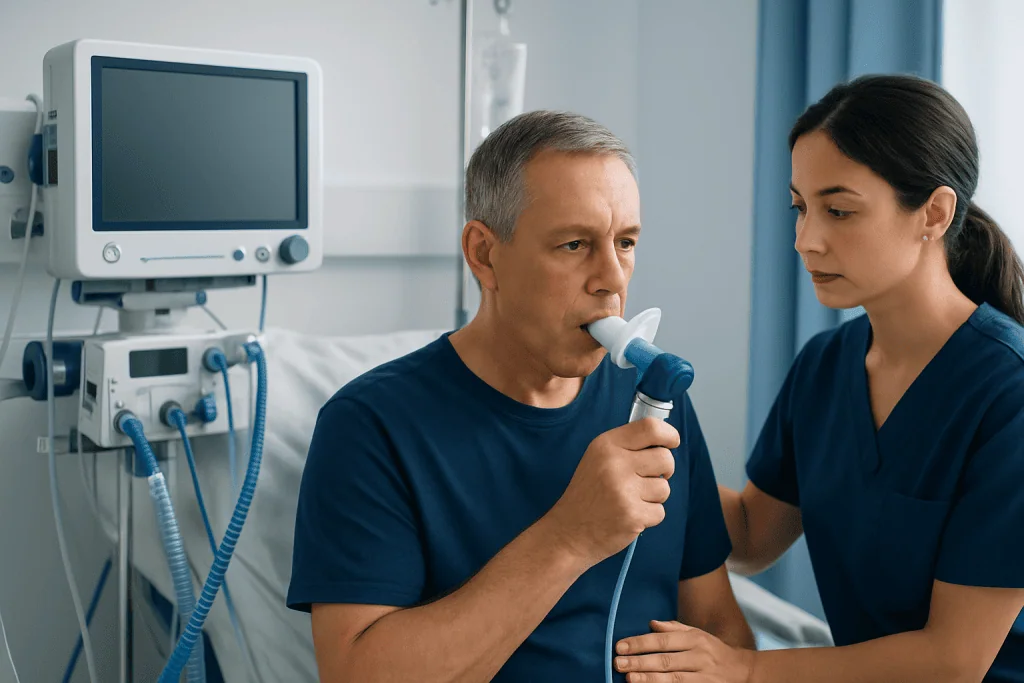
The earliest signs are often subtle. A person may notice more shortness of breath than usual during routine activities, such as climbing stairs or walking across a room. They may need their rescue inhaler more often or feel that normal breathing takes more effort.
Changes in cough and mucus are also common warning signs. The cough may become more frequent, harsher, or more tiring. Mucus may increase in amount, become thicker, or change color. Some people also notice chest tightness, wheezing, lower exercise tolerance, unusual fatigue, poor sleep, or waking up feeling breathless.
General symptoms can appear before breathing becomes severely affected. These may include feeling “run down,” having a sore throat or cold symptoms, mild fever, or reduced appetite. Family members sometimes notice warning signs first, such as slower movement, difficulty speaking in full sentences, or unusual restlessness.
- More breathlessness than usual
- Needing rescue medication more often
- More coughing or wheezing
- Increased, thicker, or discolored mucus
- Less stamina for normal activities
- Trouble sleeping because of breathing symptoms
Causes and Risk Factors
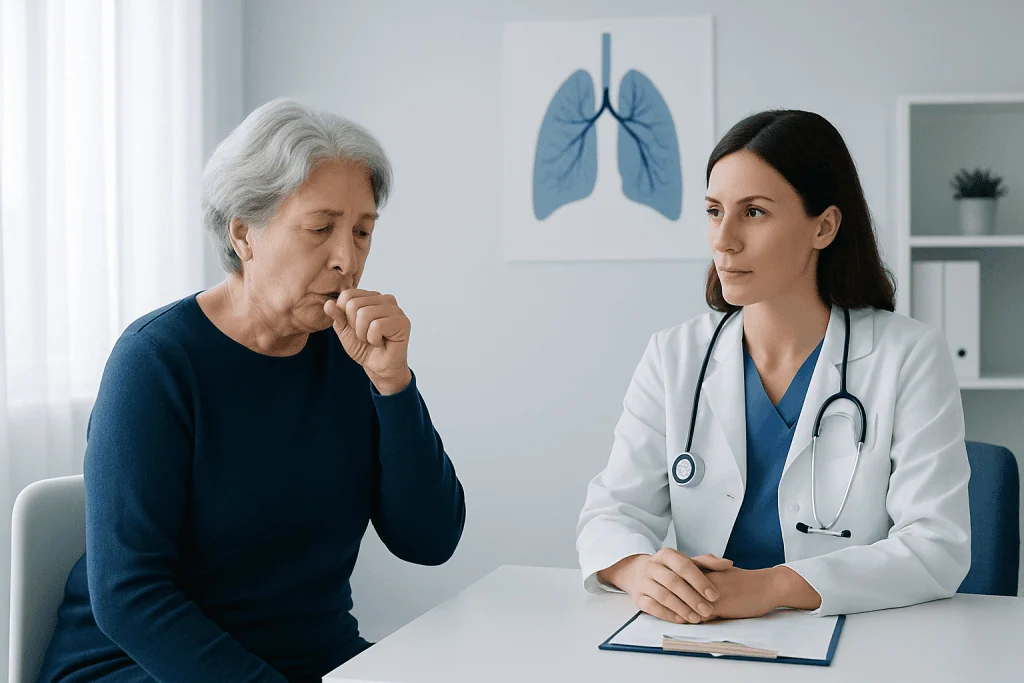
Respiratory infections are among the most common causes of COPD flare-ups. A cold, flu, COVID-19, or bacterial chest infection can irritate the airways and increase inflammation. Even a mild infection can trigger worsening symptoms in someone whose lungs are already sensitive.
Environmental irritants also play an important role. Tobacco smoke, secondhand smoke, air pollution, dust, strong fumes, and seasonal allergens may all make symptoms worse. Sudden weather changes, especially cold air or very humid conditions, can also affect breathing in some people.
Not every flare-up has a clear cause, but some factors increase risk. These include severe underlying COPD, previous hospital visits for flare-ups, poor inhaler technique, not taking maintenance medicines regularly, and untreated related conditions such as heart disease or sleep problems. People with frequent exacerbations may need a closer review of their overall treatment plan and assessment for related lung problems such as chronic bronchitis.
How COPD Flare-Ups Are Diagnosed
Doctors usually diagnose a flare-up based on symptoms and a physical examination. They ask how breathing has changed from the patient’s usual baseline, whether cough or mucus has worsened, and whether there are signs of infection. Listening to the lungs, checking oxygen levels, temperature, heart rate, and blood pressure all help guide the next steps.
Tests are not always needed for a mild flare-up, but they can be important when symptoms are more severe or the diagnosis is uncertain. A doctor may recommend pulse oximetry to measure oxygen saturation, blood tests, a chest X-ray, or tests for flu or other viruses. In some situations, lung function testing may be reviewed after recovery rather than during the flare itself.
Diagnosis also includes ruling out problems that can look similar to a COPD exacerbation. For example, pneumonia, heart failure, blood clots in the lungs, or asthma-related symptoms can all cause shortness of breath. A clinician may evaluate for overlapping conditions such as asthma or other lung disorders if symptoms do not improve as expected.
Treatment Options and What to Do Early
Treatment depends on how severe the flare-up is and what may have triggered it. Mild flare-ups are often treated at home with a clinician-guided action plan. This usually includes using a rescue inhaler as directed and continuing regular maintenance medicines unless a doctor advises otherwise. Some patients may also need a short course of oral steroids or antibiotics when infection is suspected.
For more significant symptoms, medical evaluation is important. A doctor may adjust inhaled medicines, provide oxygen monitoring, or recommend additional tests. Long-term care often includes optimizing chronic therapy with inhalers, and some people may benefit from specialist review for COPD treatment or structured breathing support. Correct inhaler technique is essential, because even the right medicine may not work well if it is not reaching the lungs properly.
Severe flare-ups may require emergency treatment, especially if oxygen levels drop, speech becomes difficult, or the person cannot catch their breath. Hospital care can include supplemental oxygen, nebulized bronchodilators, steroids, antibiotics when appropriate, and monitoring for complications. In selected cases, doctors may discuss respiratory support or other advanced care approaches.
After the flare-up improves, follow-up is still important. Recovery can take days to weeks, and a recent exacerbation raises the risk of another one. A clinician may review whether pulmonary rehabilitation, smoking cessation support, vaccinations, or a broader assessment such as lung function testing would help reduce future episodes.
Prevention and Self-Care
Prevention starts with a daily COPD routine. Taking maintenance inhalers exactly as prescribed, using proper inhaler technique, and attending regular follow-up visits can lower the chance of flare-ups. Stopping smoking is one of the most effective steps a person can take, and avoiding secondhand smoke remains important even after quitting.
Reducing exposure to triggers can make a meaningful difference. During poor air-quality days, it may help to stay indoors, keep windows closed, and avoid strong chemicals or smoke. Handwashing, avoiding close contact with people who are ill, and staying current with recommended vaccines can reduce infection-related exacerbations.
A written COPD action plan is especially helpful. It gives clear instructions about what symptoms to watch for, when to increase rescue medicine, when to call a doctor, and when to seek urgent care. Many people also benefit from pulmonary rehabilitation, which teaches breathing techniques, exercise strategies, and symptom management skills.
Healthy daily habits support the lungs as well. Gentle activity as tolerated, adequate hydration, balanced nutrition, and enough rest can all help overall resilience. Some people with advanced disease may need individualized support for oxygen use, nutrition, or related conditions, and a specialist may evaluate whether other therapies, including oxygen therapy, are appropriate.
When to See a Doctor or Get Emergency Help
A doctor should be contacted promptly if symptoms are getting worse than usual, if rescue medicines are needed more often, or if mucus changes significantly in amount or color. Early medical advice is also important if there is fever, cold symptoms that are moving into the chest, or reduced ability to do normal activities because of breathing problems.
Emergency care is needed for severe warning signs. These include intense shortness of breath at rest, inability to speak in full sentences, blue or gray lips, confusion, drowsiness, chest pain, fainting, or rapidly worsening symptoms despite using rescue treatment. These signs may suggest dangerously low oxygen levels or another serious condition.
Patients and caregivers should not feel they have to manage severe symptoms alone. Having emergency contact numbers, a current medication list, and a COPD action plan can save valuable time. Near the end of the care pathway, some patients may choose assessment at specialized centers; Acibadem International’s multidisciplinary specialists and JCI-accredited hospitals diagnose and treat COPD for international patients.
Frequently asked questions
What is a COPD flare-up?
A COPD flare-up is a sudden worsening of usual breathing symptoms, such as shortness of breath, cough, or mucus production. It often needs extra treatment beyond a person’s regular daily medicines.
How can someone tell the difference between a bad day and a flare-up?
A flare-up usually means symptoms are clearly worse than the person’s normal pattern and are not improving with usual self-care. Warning signs can include needing a rescue inhaler more often, increased mucus, more wheezing, or reduced ability to do everyday activities.
What usually triggers COPD flare-ups?
Common triggers include viral or bacterial respiratory infections, tobacco smoke, air pollution, dust, and strong chemical fumes. Sometimes weather changes or poor adherence to maintenance medicines can also contribute.
Can COPD flare-ups be treated at home?
Some mild flare-ups can be managed at home if the person has a doctor-approved action plan and symptoms are caught early. However, worsening breathlessness, low oxygen concerns, or symptoms that do not improve should be assessed by a healthcare professional.
Do vaccines help prevent COPD flare-ups?
Yes, recommended vaccines can lower the risk of infections that commonly trigger flare-ups. A doctor can advise which vaccinations are appropriate based on age, health status, and local guidance.
When should someone go to the emergency room for COPD symptoms?
Emergency care is needed for severe shortness of breath, blue lips, confusion, chest pain, fainting, or symptoms that worsen quickly despite rescue treatment. These signs should not be ignored, because they may indicate a serious flare-up or another urgent condition.
References
- World Health Organization
- Global Initiative for Chronic Obstructive Lung Disease
- National Heart, Lung, and Blood Institute
- American Lung Association
This article is for general information only and is not a substitute for professional medical advice. Please consult a qualified doctor about your individual situation.
Explore treatments in Turkey — costs, top hospitals & a free quote
JCI-accredited · board-certified surgeons · reply within 24h
Add us as a Preferred Source to see more of our trusted health content across Google Search, AI Overviews and Discover.
Check your numbers in seconds
BMI, calories, due date, blood pressure and 30+ more clinical calculators — free, instant, doctor-reviewed ranges.