Copper Cup: An Evidence-Based Guide for Patients

Copper cup usually refers to the copper IUD, not a drinking vessel or supplement. It is hormone-free, long-acting, and reversible after removal.
Key Takeaways
- Copper cup usually refers to the copper IUD, not a drinking vessel or supplement.
- It is hormone-free, long-acting, and reversible after removal.
- Periods may become heavier, longer, or more crampy, especially in the first months.
- A clinician places and removes the device during office visits.
- Medical advice is important if there is severe pain, heavy bleeding, fever, or concern about pregnancy.
Copper cup most often refers to the copper intrauterine device, or copper IUD, a small hormone-free device placed in the uterus to prevent pregnancy. It is a long-acting, reversible contraceptive that can also work as emergency contraception when inserted within a limited time after unprotected sex.
What Is a Copper Cup?
A copper cup generally refers to the copper intrauterine device (copper IUD), a small T-shaped device placed inside the uterus to prevent pregnancy. It does not contain hormones. Instead, it uses copper to create an environment that reduces sperm movement and makes fertilization very unlikely.
For many patients, the main benefits are that it works for years, does not require daily action, and fertility usually returns quickly after removal. Because it is hormone-free, it may be an option for people who prefer to avoid hormonal contraception or who cannot use estrogen-containing birth control.
The term “copper cup” can be confusing because it may also be used informally online. In medical practice, however, the relevant meaning is usually the copper IUD. A qualified gynecologist can confirm whether it is the right choice based on symptoms, reproductive plans, and overall health.
How the Copper IUD Works and Who May Choose It
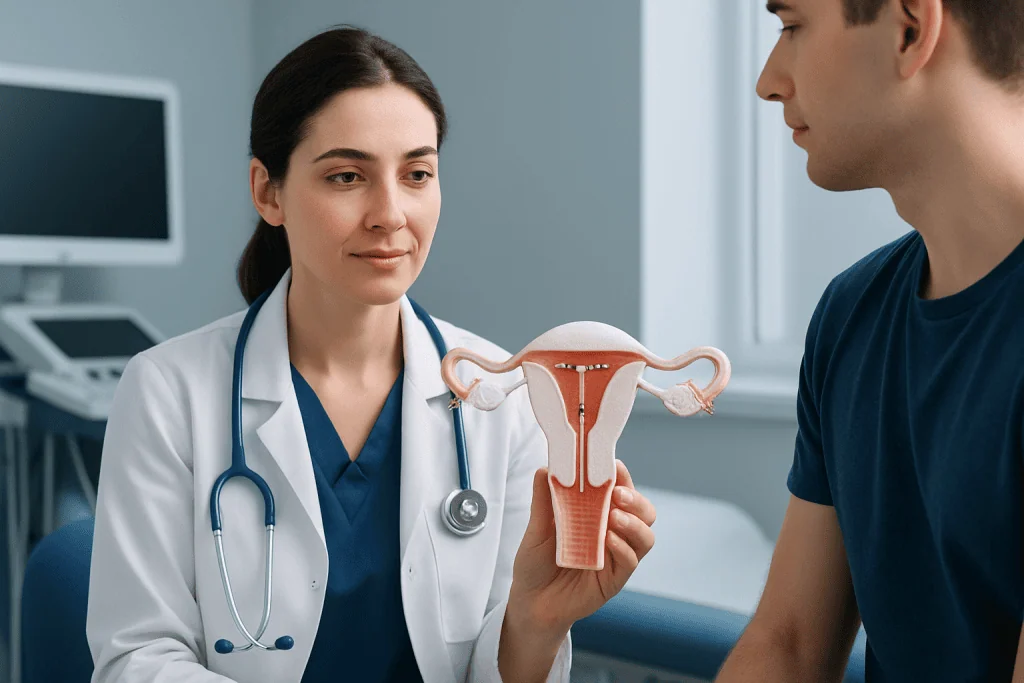
The copper IUD works mainly by interfering with sperm before fertilization can happen. Copper ions affect sperm mobility and function, making it difficult for sperm to reach and fertilize an egg. It also changes the lining inside the uterus in ways that help prevent pregnancy.
This method is considered long-acting reversible contraception. Once in place, it provides ongoing birth control without requiring pills, patches, injections, or devices used at the time of sex. It can also be removed at any point by a trained clinician if pregnancy is desired or if the patient wants to switch methods.
Some people choose a copper IUD because they want:
- Hormone-free contraception
- Very effective, long-term pregnancy prevention
- A reversible method with quick return to fertility after removal
- An option that can also serve as emergency contraception in appropriate timing
It may not suit everyone. A doctor will review menstrual history, pelvic symptoms, past infections, uterine anatomy, and other factors before recommending insertion.
Benefits and Possible Downsides

The copper IUD offers several practical advantages. It is effective for many years, does not interrupt sexual activity, and avoids hormone-related side effects such as breast tenderness, mood changes, or nausea that some people notice with other contraceptive methods. For patients who want a “set it and forget it” option, it can be a convenient choice.
Another important benefit is its role in emergency contraception. When inserted within the appropriate time frame after unprotected intercourse, a copper IUD can prevent pregnancy and then continue to provide long-term contraception. This makes it different from one-time emergency contraceptive pills.
At the same time, there are possible downsides. The most common are heavier bleeding, longer periods, and stronger menstrual cramps, especially in the first few months after insertion. Some patients also experience spotting between periods early on.
Less commonly, there can be insertion-related discomfort, expulsion of the device, or rare complications such as infection shortly after placement or perforation of the uterus during insertion. These risks are uncommon, but they are important to discuss before choosing this method.
Symptoms and Side Effects After Insertion
It is common to have cramping, light bleeding, or spotting after a copper IUD is inserted. These symptoms often improve over days to weeks. Menstrual changes may last longer, and some people notice that periods are heavier or more painful for several months before settling.
Normal experiences vary, but many patients can return to usual daily activities shortly after placement. Using a heating pad, resting, or taking clinician-approved pain relief may help ease temporary cramps. Follow-up advice depends on the patient’s age, health history, and whether symptoms continue.
Patients should learn how to recognize possible warning signs. Medical review is important if there is:
- Severe or worsening pelvic pain
- Very heavy bleeding
- Fever or chills
- Unusual vaginal discharge
- Missed period with pregnancy concern
- Strings that seem much shorter, longer, or cannot be felt when they were previously present
If pain is ongoing or periods become difficult to manage, a doctor may discuss other options, including a hormonal IUD. Some patients exploring alternatives to the copper IUD may be counseled about IUD options based on their needs and menstrual pattern.
Who Should Avoid It or Discuss It Carefully
A copper IUD is not suitable for every patient. Careful medical review is needed if there is current pregnancy, unexplained vaginal bleeding, active pelvic infection, certain abnormalities of the uterus, or a known copper allergy. People with conditions that affect the uterus may need imaging or specialist assessment before insertion.
Patients with very heavy periods or severe menstrual cramps may want to discuss whether another contraceptive method would be easier to tolerate. Those with a history of pelvic inflammatory disease, sexually transmitted infections, or repeated unexplained pelvic pain may also need a more individualized plan.
Doctors also consider whether symptoms might relate to another gynecologic condition rather than contraception alone. For example, painful or heavy periods can overlap with endometriosis or with benign growths such as uterine fibroids. In these cases, treating the underlying problem can be just as important as choosing the right birth control method.
How It Is Inserted, Checked, and Removed
Insertion is usually done during an office visit by a gynecologist or another trained clinician. After a pelvic examination, the device is passed through the cervix and placed in the uterus using a small applicator. The procedure is brief, though some patients feel cramping or dizziness during or shortly after placement.
Before insertion, the doctor may review pregnancy status, menstrual timing, infection risk, and any recent pelvic symptoms. In some cases, examination or imaging may help assess the uterus. If there are questions about pelvic structures, symptoms, or other conditions, gynecology evaluation may be recommended.
After placement, small strings remain at the cervix so the device can later be removed. Patients may be advised on how to check for the strings, although not everyone is comfortable doing this and it is not always necessary. Follow-up visits may be suggested if symptoms are troublesome or if the patient cannot feel the strings.
Removal is generally straightforward and is also done in a clinic. Fertility usually returns quickly after the device is removed. If symptoms such as persistent pain, unusual bleeding, or suspected displacement occur, the clinician may use examination or ultrasound imaging to confirm the IUD’s position.
Prevention, Self-Care, and When to Seek Medical Care
The copper IUD is highly effective for preventing pregnancy, but it does not protect against sexually transmitted infections. Condoms may still be important, especially with new or multiple partners. Routine sexual health screening, when appropriate, supports safer use of any contraceptive method.
Self-care after insertion focuses on comfort and observation. Mild cramps and spotting can be normal at first. Tracking bleeding patterns, noting pain levels, and following the insertion team’s advice can help patients recognize whether recovery is proceeding as expected.
When to seek medical care: a patient should contact a clinician promptly if there is severe pelvic pain, heavy bleeding, fainting, fever, foul-smelling discharge, pain during sex, a positive pregnancy test, or concern that the IUD has moved or come out. Urgent assessment is especially important if pregnancy is possible, because pregnancy with an IUD in place needs prompt medical review.
For patients who need evaluation or treatment planning, Acibadem International’s multidisciplinary specialists and JCI-accredited hospitals care for international patients with contraception concerns and related gynecologic conditions in a structured, evidence-based setting.
Frequently asked questions
Is a copper cup the same as a copper IUD?
In most patient health searches, yes. The term “copper cup” is commonly used informally to mean the copper IUD, a small device placed in the uterus for birth control. A clinician can confirm the exact method being discussed.
Does the copper IUD contain hormones?
No. The copper IUD is a hormone-free contraceptive. It works through the effects of copper in the uterus rather than by releasing hormones into the body.
Can a copper IUD make periods heavier?
Yes, this is one of the more common side effects. Periods may become heavier, longer, or more crampy, especially during the first months after insertion. If bleeding is very heavy or difficult to manage, medical advice is important.
Can the copper IUD be used for emergency contraception?
Yes, in appropriate circumstances it can be used as emergency contraception if inserted within a limited time after unprotected sex. It also continues to provide ongoing contraception afterward. A doctor should advise on timing and suitability.
How quickly can pregnancy happen after removal?
Fertility often returns quickly after a copper IUD is removed. Some people can become pregnant soon after removal, although timing varies from person to person. Anyone planning pregnancy can discuss preconception care with a clinician.
When should someone call a doctor after insertion?
A doctor should be contacted if there is severe pain, very heavy bleeding, fever, unusual discharge, fainting, or concern about pregnancy. It is also wise to seek care if the strings seem to change suddenly or the device may have moved.
This article is for general information only and is not a substitute for professional medical advice. Please consult a qualified doctor about your individual situation.
Explore treatments in Turkey — costs, top hospitals & a free quote
JCI-accredited · board-certified surgeons · reply within 24h
Add us as a Preferred Source to see more of our trusted health content across Google Search, AI Overviews and Discover.

More from the Health Library

Candida Glabrata: An Evidence-Based Guide for Patients

Djd of the Knees: An Evidence-Based Guide for Patients

Fatal Familial Insomnia: A Complete Medical Overview

Epidemiologist — Explained by Medical Evidence, Not Myths

Stress and Anxiety Service Dogs: What Patients Need to Know