Coronary Artery Bypass Surgery: Step-by-Step From ICU to Discharge

Most patients go first to the ICU for close monitoring after coronary artery bypass surgery. Breathing exercises, early walking, and pain control are important parts of recovery.
Key Takeaways
- Most patients go first to the ICU for close monitoring after coronary artery bypass surgery.
- Breathing exercises, early walking, and pain control are important parts of recovery.
- Discharge depends on stable heart function, healing progress, and safe mobility at home.
- Tiredness, swelling, and mild discomfort are common during recovery, but severe symptoms need prompt medical attention.
- Cardiac rehabilitation and follow-up visits help support a safer return to daily activities.
Coronary artery bypass surgery recovery usually begins in the intensive care unit and continues through the hospital stay, discharge, and healing at home. Knowing what happens step by step can help patients and families feel more prepared, informed, and confident.
Overview: What Recovery After Coronary Artery Bypass Surgery Looks Like
Coronary artery bypass surgery, often called CABG or bypass surgery, is performed to improve blood flow to the heart when coronary arteries are narrowed or blocked. Recovery does not end in the operating room. It continues in stages, starting with intensive monitoring right after surgery and then gradually moving toward walking, eating, breathing exercises, and preparing for home.
The first few days after surgery are focused on safety and stabilization. The care team watches heart rhythm, blood pressure, breathing, fluid balance, and wound healing. Tubes and monitoring devices are common at first, but many are removed as the patient becomes stronger and more comfortable.
Most people improve step by step rather than all at once. Fatigue is common, and the chest, leg, or arm incision area may feel sore if a graft was taken from those sites. With support from doctors, nurses, physiotherapists, and rehabilitation specialists, patients usually progress from bed rest to sitting, standing, and short walks before discharge.
Immediately After Surgery: In the ICU
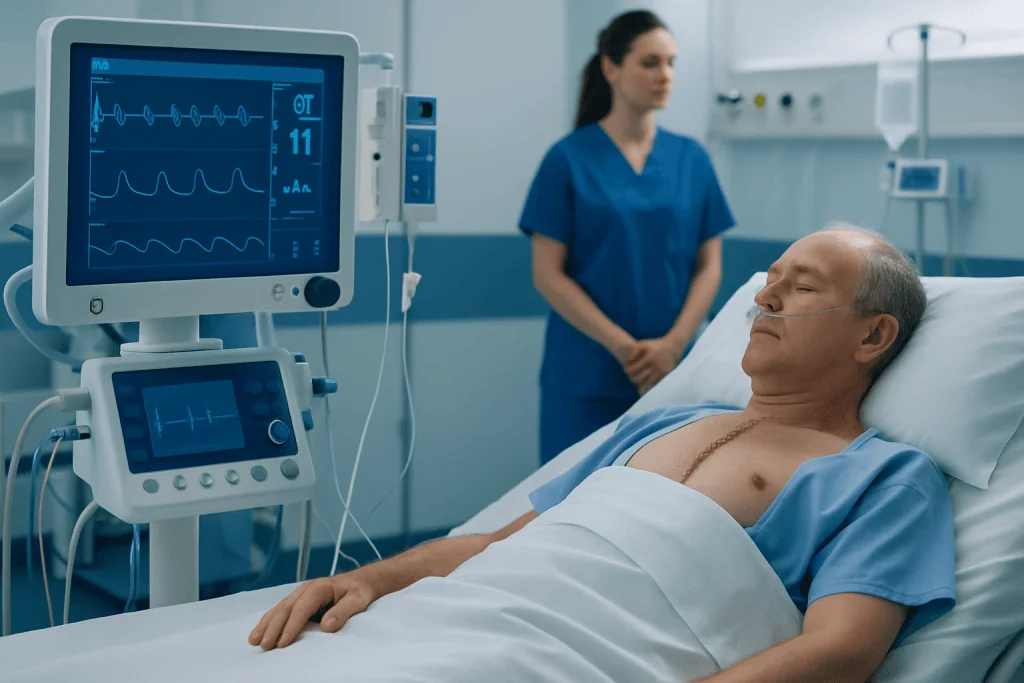
After coronary artery bypass surgery, the patient is usually taken to the intensive care unit. This is a normal part of recovery and allows the team to monitor the heart and lungs very closely. Machines and tubes can look overwhelming to family members, but they are there to support healing during the first critical hours.
Many patients wake up with a breathing tube still in place. This tube is connected to a ventilator and helps with breathing until the patient is awake enough and stable enough to breathe independently. It is typically removed as soon as it is safe to do so. Monitoring lines, chest drainage tubes, a urinary catheter, and temporary pacing wires may also be present for a short time.
Pain relief, blood pressure support, oxygen, and careful fluid management are all part of ICU care. Nurses frequently check alertness, movement, urine output, wound drainage, and heart rhythm. The team also encourages coughing and deep breathing as soon as possible to help keep the lungs clear.
The length of ICU stay varies, but many patients move to a regular cardiac ward within one or two days if recovery is going smoothly. Some people need longer observation, especially if they have other medical conditions or a more complex surgery.
The Hospital Ward: Getting Stronger Day by Day

Once transferred out of the ICU, the focus shifts from intensive monitoring to steady recovery. Patients usually begin sitting in a chair, walking short distances, and eating regular meals as tolerated. This gradual activity helps lower the risk of complications such as pneumonia, blood clots, and muscle weakness.
Breathing exercises remain very important. A nurse or therapist may provide an incentive spirometer, a simple device that encourages deep breaths. Coughing techniques and position changes also help expand the lungs. These steps can feel uncomfortable at first, but they are a key part of healing after major heart surgery.
Pain is expected, but it should be managed so the patient can move, breathe deeply, and rest. Discomfort often comes from the chest incision, the breastbone healing process, and any graft harvest site. People may also notice temporary swelling, bruising, poor appetite, constipation, or trouble sleeping in the first days after surgery.
During this stage, the team also reviews medicines and checks for early signs of problems. Common areas of attention include wound healing, irregular heart rhythm, fever, breathing difficulty, and changes in kidney function. If coronary artery disease is part of a broader heart condition, doctors may also discuss long-term management similar to care used for coronary artery disease.
Preparing for Discharge: What Doctors Check Before Going Home
Discharge happens when the patient is medically stable and able to recover safely outside the hospital. This usually means heart rate and blood pressure are acceptable, breathing is stable, pain is controlled with oral medicines, and the patient can eat, move, and use the bathroom with an appropriate level of help.
The team also checks the chest and graft-site incisions, reviews blood tests if needed, and confirms that the patient or caregiver understands home instructions. Education is an essential part of discharge planning. Patients are taught how to take medicines, clean wounds, shower safely, and watch for signs that need medical advice.
Typical discharge instructions include guidance on activity, sleep, diet, and safe movement while the breastbone heals. Patients are often told to avoid heavy lifting, pushing, or pulling for a period of time. Driving may also be restricted until the doctor says it is safe. Support stockings, breathing exercises, and daily walking may be recommended depending on the individual case.
Many patients are referred to cardiac rehabilitation before leaving the hospital or soon after. This supervised program supports exercise, education, risk-factor control, and a safer return to daily life after surgery.
Recovery at Home: Pain, Activity, Sleep, and Healing
Healing continues for weeks after discharge. It is common to feel tired, emotionally sensitive, or less physically strong than expected. Recovery often improves gradually rather than steadily every day, so small ups and downs can happen. Short walks, rest periods, and a simple daily routine often help patients regain confidence.
Incision care is important at home. The surgical wounds should usually be kept clean and dry, and the patient should follow the surgeon’s instructions about bathing and dressings. Mild itching, tightness, numbness, or a pulling sensation around the incision can be part of normal healing, but increasing redness, warmth, drainage, or separation of the wound needs medical review.
Many people have reduced appetite for a while, along with changes in taste or bowel habits. Light meals, adequate fluids, and fiber can be helpful if approved by the doctor. Sleep may also be disturbed at first because of discomfort, changes in routine, or anxiety. Sleeping in a slightly elevated position and taking pain medicine as advised may improve rest.
Activity should increase gradually. Walking is usually one of the best exercises after bypass surgery, while strenuous exercise must wait until the doctor approves it. Some patients may later need additional treatment or evaluation for related heart issues, such as coronary angiography or arrhythmia treatment, if symptoms or rhythm problems develop.
Medicines, Lifestyle Changes, and Cardiac Rehabilitation
Bypass surgery improves blood flow, but it does not cure the underlying tendency toward coronary artery disease. Long-term recovery usually includes medicines to protect the heart and blood vessels. Depending on the person’s needs, these may include antiplatelet medicines, cholesterol-lowering drugs, blood pressure treatment, and medicines for diabetes or heart rhythm control.
Lifestyle changes are just as important as the operation itself. Doctors commonly recommend stopping smoking, eating a heart-healthy diet, staying physically active within safe limits, managing stress, and attending follow-up appointments. These steps help support graft health and reduce the chance of future heart problems.
Cardiac rehabilitation is often one of the most helpful parts of recovery. It gives patients structured exercise, education, and monitored progression based on their condition. Rehabilitation can improve endurance, confidence, and understanding of warning signs while helping patients return to work, travel, and daily activities more safely.
For some people, bypass surgery is part of broader care for advanced heart disease, including conditions that may overlap with heart failure. A personalized plan from the cardiology and surgical team helps guide the next stage of recovery and prevention.
When to Call a Doctor During Recovery
Most symptoms after surgery are expected to improve over time, but some need prompt medical advice. Patients should contact their doctor if they notice fever, chills, worsening shortness of breath, fast or irregular heartbeat, fainting, or chest pain that is new, severe, or different from usual postoperative soreness.
Other reasons to seek medical attention include increasing redness or drainage from the incision, swelling that suddenly worsens, leg pain with marked swelling, confusion, or a rapid decline in exercise tolerance. Medicine side effects, repeated vomiting, or trouble eating and drinking should also be discussed with the care team.
Emergency care is important if there are signs of a heart attack, stroke, severe breathing difficulty, or collapse. Family members should know the warning signs and not wait if symptoms are urgent. Timely evaluation can prevent complications and provide reassurance when symptoms are not dangerous.
Near the end of recovery planning, some patients and families choose centers that can coordinate surgery, rehabilitation, and follow-up in one place. Acibadem International’s multidisciplinary specialists and JCI-accredited hospitals provide diagnosis, surgery, and aftercare for international patients with heart conditions.
Frequently asked questions
How long does it take to recover from coronary artery bypass surgery?
Initial hospital recovery often takes several days, but full healing usually takes weeks to months. Energy levels, wound healing, and return to normal activities vary based on age, overall health, and whether there were any complications.
Is it normal to feel pain after bypass surgery?
Yes. Soreness in the chest, incision sites, shoulders, or back is common after surgery, especially in the early weeks. Pain should gradually improve and should be managed well enough for the patient to breathe deeply, walk, and rest.
When can someone walk after bypass surgery?
Many patients begin walking with assistance while still in the hospital, often within a day or two after surgery. Walking is usually increased gradually because it supports circulation, lung function, and overall recovery.
What should patients avoid after discharge?
Patients are often advised to avoid heavy lifting, pushing, pulling, and strenuous activity until the surgeon says the breastbone has healed enough. Driving, smoking, and skipping medicines or follow-up appointments should also be avoided unless the care team gives different instructions.
What are warning signs after coronary artery bypass surgery?
Important warning signs include fever, worsening shortness of breath, fainting, irregular heartbeat, significant wound drainage, or chest pain that is severe or new. These symptoms should be reported promptly because they may signal a complication.
Does bypass surgery cure coronary artery disease?
No. Bypass surgery improves blood flow around blocked arteries, but it does not remove the underlying disease process. Long-term heart health still depends on medicines, lifestyle changes, and regular medical follow-up.
References
- American Heart Association
- National Heart, Lung, and Blood Institute
- European Society of Cardiology
- Society of Thoracic Surgeons
This article is for general information only and is not a substitute for professional medical advice. Please consult a qualified doctor about your individual situation.
Coronary Artery Bypass Surgery in Turkey — costs, top hospitals & a free quote
JCI-accredited · board-certified surgeons · reply within 24h
Add us as a Preferred Source to see more of our trusted health content across Google Search, AI Overviews and Discover.
Check your numbers in seconds
BMI, calories, due date, blood pressure and 30+ more clinical calculators — free, instant, doctor-reviewed ranges.

Cardiology Department
Diagnosis and treatment of heart and vascular conditions, from prevention to advanced interventional procedures.
90 specialists in this unitMore from the Health Library



Related Specialists

Dr. Mustafa Aydemir
Anesthesiology
Dilara Çitoğlu
Physical Medicine & Rehabilitation
Dr. İsmail Demirel
Intensive Care
Prof. Dr. Ahmet Tulga Ulus
Cardiovascular Surgery