Coronary Bypass Surgery Recovery by Week: What Changes at Home

Recovery after coronary bypass surgery is gradual, with the biggest changes often happening during the first 6 to 12 weeks. Walking, breathing exercises, wound care, and taking medicines exactly as prescribed are central parts of home recovery.
Key Takeaways
- Recovery after coronary bypass surgery is gradual, with the biggest changes often happening during the first 6 to 12 weeks.
- Walking, breathing exercises, wound care, and taking medicines exactly as prescribed are central parts of home recovery.
- Fatigue, mild discomfort, sleep changes, mood swings, and appetite changes are common early on and usually improve with time.
- Warning signs such as chest pain, fever, worsening shortness of breath, or wound redness and drainage need prompt medical advice.
- Cardiac rehabilitation can support safer exercise, education, and confidence during recovery.
Coronary bypass surgery recovery at home usually happens step by step rather than all at once. Most people notice gradual improvements in pain, sleep, energy, walking, and independence over the first several weeks, while regular follow-up helps keep recovery on track.
Overview: What recovery at home usually looks like
Coronary artery bypass grafting, often called CABG or coronary bypass surgery, is performed to improve blood flow to the heart when coronary arteries are narrowed or blocked. Going home after surgery is an important milestone, but recovery continues for several weeks. The body is healing not only from the heart procedure itself, but also from the chest incision, the breastbone if it was divided, and sometimes from leg or arm sites used to obtain bypass grafts.
Recovery does not follow exactly the same timetable for everyone. Age, general health, the number of bypasses performed, other medical conditions, and whether there were any complications can all affect the pace of improvement. Even so, many people follow a similar pattern: the first one to two weeks are often focused on rest, pain control, safe movement, and short walks; weeks three to six usually bring more stamina and independence; and the following weeks often involve rebuilding strength and returning to more normal routines.
Patients and families often feel reassured by understanding that some ups and downs are normal. Tiredness, reduced appetite, swelling at the graft site, trouble sleeping, and emotional sensitivity can happen during healing. With appropriate follow-up, medicines, activity guidance, and attention to symptoms, most people gradually regain confidence and function at home.
Week-by-week recovery changes at home
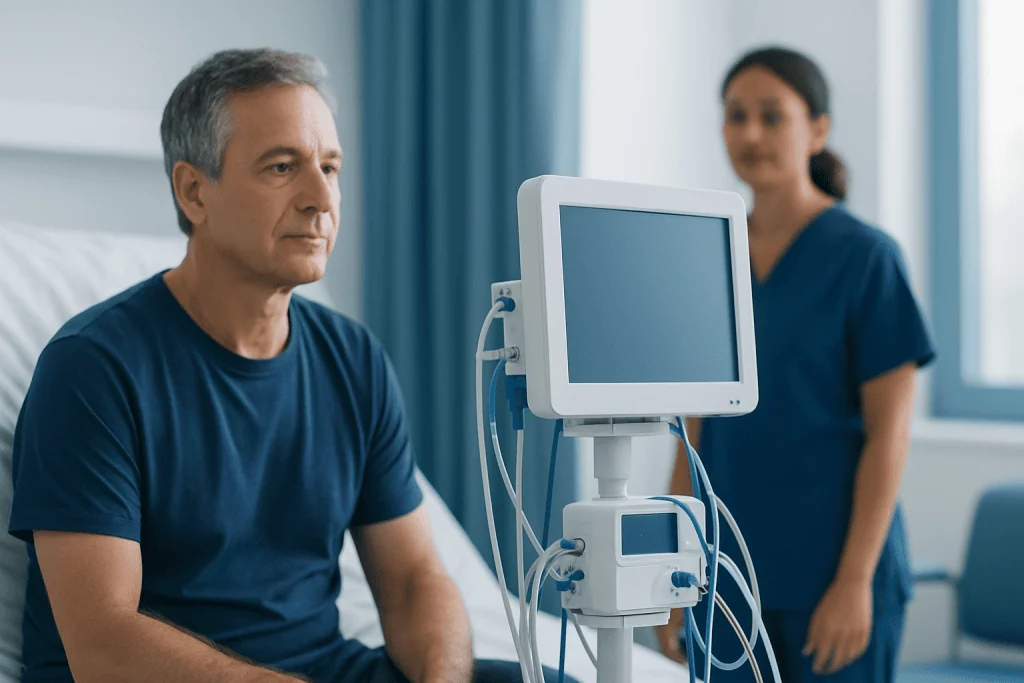
Week 1 after discharge: The first days at home are usually the most tiring. Walking is often limited to short, frequent trips around the home, with rest between activities. Soreness in the chest, shoulders, back, and graft harvest site is common, and many people need help with cooking, shopping, bathing, or getting in and out of bed comfortably. Breathing exercises, coughing support with a pillow, and careful wound checks are usually part of the daily routine.
Week 2: Some swelling and bruising may still be present, especially in the leg if a vein was used. Pain often becomes more manageable, though it may still interfere with sleep. Walking distance commonly increases little by little, and many patients can do light self-care more independently. It is still important to avoid heavy lifting, pushing, or pulling while the breastbone heals.
Weeks 3 to 4: Energy may begin to improve, but fatigue remains common, especially later in the day. Many patients notice they can walk farther and move around the house more confidently. Appetite often starts to return, bowel habits become more regular, and sleep may slowly improve. Emotional changes such as low mood, irritability, or feeling unexpectedly tearful can still occur and deserve gentle support.
Weeks 5 to 6 and beyond: Daily tasks often become easier, and some people begin discussing a return to office-based work or driving, depending on medical advice and recovery progress. Cardiac rehabilitation may help structure exercise and education during this phase. Full recovery can take longer than six weeks, especially after a complex surgery, in older adults, or when other conditions such as diabetes, lung disease, or kidney disease are present.
Common symptoms and normal healing experiences

Many symptoms during home recovery are expected and do not necessarily mean that something is wrong. Mild to moderate incision discomfort, tightness in the chest, numbness or tingling around the scar, reduced appetite, constipation, and interrupted sleep are all common after coronary bypass surgery. Some people also notice clicking or shifting sensations in the chest early in recovery, though persistent or worsening breastbone instability should be reported.
Swelling in the feet or legs can happen, especially if a vein was taken from the leg. Elevating the legs when resting, wearing compression stockings if advised, and walking regularly may help. It is also common to feel unusually tired after simple tasks such as showering, dressing, or eating. This does not usually mean the heart is weaker; more often, it reflects the body’s effort to heal after major surgery.
Emotional symptoms deserve attention as well. Anxiety, poor concentration, vivid dreams, or low mood can occur after hospitalization and surgery. Family members may notice that the person recovering seems less patient or more withdrawn than usual. These changes often improve with time, rest, routine, and support, but persistent sadness or severe anxiety should be discussed with a healthcare professional.
- Common early symptoms: fatigue, soreness, poor sleep, swelling, and reduced appetite
- Common healing changes: itching, bruising, numbness near the incision, and gradual return of stamina
- Symptoms to monitor closely: fever, wound drainage, worsening shortness of breath, or new chest pain
Home care basics: activity, sleep, food, and wound care
Daily walking is one of the most important parts of recovery after coronary artery bypass grafting. The usual goal is gentle, regular movement rather than strenuous exercise. Short walks several times a day are often better tolerated than one long walk. Patients are generally advised to increase activity gradually, stop if they feel dizzy or very short of breath, and follow any specific plan given by their surgeon or cardiology team.
Protecting the breastbone is another key part of home care after a traditional sternotomy. Lifting limits, movement precautions, and guidance on using the arms may vary by surgeon, so it is important to follow individualized instructions. Good posture, using a pillow for support when coughing, and avoiding sudden pushing or pulling movements can make daily life more comfortable while the chest heals.
Wound care should be simple and consistent. Incisions are usually kept clean and dry, and patients should look each day for redness, increased swelling, warmth, opening, bleeding, or drainage. Nutrition also supports healing. Small, balanced meals may be easier at first, especially if appetite is low. Many people are encouraged to choose a heart-healthy eating pattern and limit salt if they have fluid retention or high blood pressure.
Sleep can take time to normalize. Some people sleep better in a reclined position for a while, while others benefit from a regular bedtime routine, daytime walking, and limiting long naps. Pain medicine, if prescribed, may be most helpful when timed to allow comfortable breathing, movement, and rest rather than waiting for pain to become severe.
Medicines, follow-up, and cardiac rehabilitation
After bypass surgery, medicines play a major role in both recovery and long-term heart health. These may include pain relief, blood-thinning medicines, cholesterol-lowering treatment, blood pressure medicines, and drugs for diabetes or other conditions. Taking medicines exactly as prescribed is important because even when symptoms improve, the underlying risk of coronary artery disease still needs ongoing treatment.
Follow-up appointments allow the team to check blood pressure, heart rhythm, fluid balance, wound healing, and overall recovery progress. Patients should bring an up-to-date list of medicines and mention any symptoms such as palpitations, swelling, poor appetite, low mood, or sleep problems. Questions about resuming work, travel, sexual activity, and driving are also best discussed during follow-up because timing can vary from person to person.
Cardiac rehabilitation is often one of the most helpful parts of recovery. It combines supervised exercise, education, risk-factor reduction, and emotional support. For many patients, cardiac rehabilitation improves confidence and helps them return to activity in a safer, more structured way. It may also reinforce long-term habits that protect heart health after surgery.
In some cases, recovery is part of a broader heart treatment plan that may also involve care for conditions such as heart failure or follow-up with specialists in rhythm, diabetes, or vascular disease. Near the end of recovery planning, some international patients may also seek coordinated aftercare through centers such as Acibadem International, where multidisciplinary specialists at JCI-accredited hospitals evaluate and treat complex cardiac conditions.
Possible complications and warning signs to watch for
Most recovery symptoms improve steadily, but it is important to know when a change may signal a complication. Patients should seek medical advice promptly if they develop fever, chills, increasing redness or drainage from an incision, worsening swelling in one leg, or shortness of breath that is new or getting worse. These symptoms can sometimes point to infection, fluid overload, a blood clot, or another issue that needs attention.
Chest discomfort after surgery is common, but pressure-like chest pain that feels similar to previous angina should not be ignored. Fainting, a very fast or irregular heartbeat, confusion, severe weakness, or sudden trouble breathing need urgent medical assessment. Some patients may develop rhythm problems such as atrial fibrillation after surgery, and these can occur even after going home.
Worsening leg pain, warmth, or marked swelling where a vein was harvested should also be discussed, as should opening of the chest incision or signs that the breastbone is not healing properly. While these problems are not common, early recognition usually makes treatment simpler and safer. When in doubt, contacting the surgical or cardiology team is the best step.
- Call the care team for fever, new drainage, increasing redness, or worsening swelling
- Seek urgent care for severe chest pain, sudden shortness of breath, fainting, or significant palpitations
- Report persistent nausea, inability to eat or drink, or side effects that make medicines hard to take
When daily life feels more normal again
Returning to normal routines often happens gradually rather than on a single day. By several weeks after surgery, many people can manage light household tasks, walk longer distances, and spend less of the day resting. Driving is often delayed until pain is controlled, reaction times are reliable, and the medical team says it is safe. Return to work depends on the type of job, the person’s energy level, and how well healing is progressing.
Sexual activity can usually be resumed once the person feels physically comfortable and can perform moderate activity, such as climbing stairs, without significant symptoms, but personal guidance from the healthcare team is wise. Travel may also be possible after the early recovery period, though long journeys can require planning for walking breaks, medicines, wound care, and follow-up. Some patients recovering from more advanced heart disease may need a longer timeline, especially if they also underwent procedures such as heart valve surgery.
Long-term recovery also includes prevention. Stopping smoking, controlling blood pressure, managing diabetes, taking prescribed cholesterol treatment, staying active, and following a heart-healthy eating pattern all help protect the bypass grafts and the heart itself. Surgery improves blood flow, but it does not remove the tendency to develop artery disease. Ongoing care remains essential.
For people who continue to feel breathless or limited in exercise, further evaluation may sometimes be needed to look at heart function or other causes. Depending on the overall condition, doctors may consider additional testing or treatments, including options used in selected patients with advanced heart disease, such as ventricular assist device care, though this is separate from routine CABG recovery for most patients.
Frequently asked questions
How long does coronary bypass surgery recovery usually take at home?
Many people need about 6 to 12 weeks to recover substantially at home, although some parts of healing can take longer. Recovery may be slower in older adults or in people with diabetes, lung disease, kidney disease, or a more complicated surgery.
Is it normal to feel very tired after bypass surgery?
Yes. Fatigue is one of the most common symptoms after coronary bypass surgery because the body is healing from a major operation. Energy usually improves gradually with rest, walking, good nutrition, and time.
When can someone drive after CABG?
Driving should only be resumed when the surgeon or cardiology team says it is safe. This often depends on breastbone healing, pain control, reaction time, and whether the person is taking medicines that can cause drowsiness.
What symptoms after bypass surgery should prompt a call to a doctor?
Patients should contact their doctor if they develop fever, increasing wound redness, drainage, worsening shortness of breath, significant swelling, or a fast or irregular heartbeat. Severe chest pain, fainting, or sudden breathing trouble needs urgent medical attention.
Can mood changes happen during recovery?
Yes. Anxiety, irritability, low mood, and poor sleep can happen after major surgery and hospitalization. These changes often improve over time, but persistent depression or severe anxiety should be discussed with a healthcare professional.
Does bypass surgery cure coronary artery disease?
No. Bypass surgery improves blood flow around blocked arteries, but it does not remove the underlying tendency to develop coronary artery disease. Long-term medicines, lifestyle changes, and follow-up care remain important.
References
- American Heart Association
- National Heart, Lung, and Blood Institute
- Society of Thoracic Surgeons
- European Society of Cardiology
- Mayo Clinic
This article is for general information only and is not a substitute for professional medical advice. Please consult a qualified doctor about your individual situation.
Heart care in Turkey — expert evaluation and treatment
JCI-accredited · board-certified surgeons · reply within 24h
Add us as a Preferred Source to see more of our trusted health content across Google Search, AI Overviews and Discover.