Corpus Callosum: What Patients Need to Know
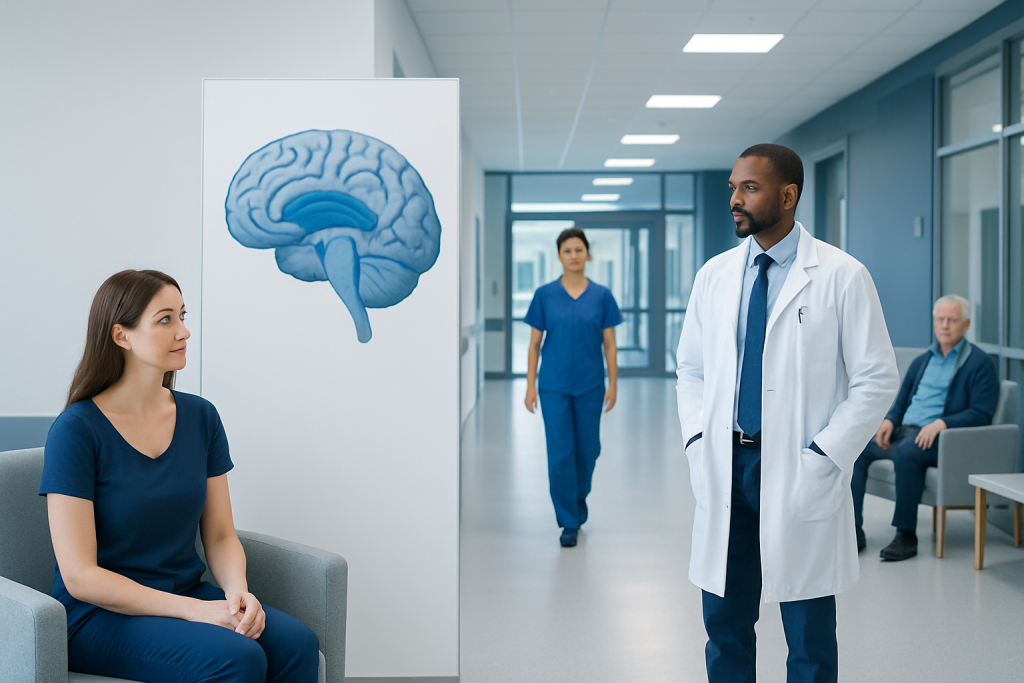
The corpus callosum allows the two halves of the brain to communicate and coordinate complex tasks. Some corpus callosum differences are present from birth, while others result from injury, stroke, tumors, or neurological disease.
Key Takeaways
- The corpus callosum allows the two halves of the brain to communicate and coordinate complex tasks.
- Some corpus callosum differences are present from birth, while others result from injury, stroke, tumors, or neurological disease.
- Symptoms vary widely and may include developmental delays, coordination problems, seizures, learning difficulties, or changes in behavior.
- Brain imaging, especially MRI, is central to diagnosis, along with neurological and developmental assessment.
- Treatment depends on the cause and focuses on symptom control, rehabilitation, and support for daily function.
- Prompt medical evaluation is important for new neurological symptoms, seizures, or developmental concerns.
The corpus callosum is a wide band of nerve fibers that connects the left and right sides of the brain, helping them share information. When it does not develop typically or becomes affected by injury or disease, symptoms can range from none at all to challenges with movement, learning, vision, or seizures.
Overview: what the corpus callosum does
The corpus callosum is the largest bundle of nerve fibers in the brain. It acts as a communication bridge between the left and right cerebral hemispheres, allowing them to exchange information quickly and smoothly. This connection supports everyday functions such as movement, language, memory, problem-solving, visual processing, and coordinated behavior.
When people ask about the corpus callosum, they are usually asking either about its normal role or what happens when it is missing, underdeveloped, injured, or affected by another brain condition. In some individuals, a corpus callosum difference is found incidentally on imaging and causes few or no symptoms. In others, it may be linked to developmental, cognitive, or neurological challenges that benefit from specialist assessment and follow-up.
Corpus callosum conditions are not a single disease. They include congenital differences such as agenesis of the corpus callosum, in which the structure is partly or completely absent from birth, as well as acquired problems caused by trauma, infection, reduced blood flow, inflammation, or tumors. Understanding the underlying cause is the key first step, because prognosis and treatment can vary significantly.
How corpus callosum problems may affect the body and mind
The effects of a corpus callosum problem depend on when it developed, how extensive it is, and whether other parts of the brain are also involved. Some babies and children have developmental delays, low muscle tone, feeding challenges, delayed speech, or difficulty with coordination. Others may mainly show school-related difficulties later, such as trouble with attention, social understanding, planning, or complex problem-solving.
In adolescents and adults, symptoms may include headaches, balance problems, visual-spatial difficulties, weakness, changes in sensation, memory concerns, or seizures. Some people have subtle signs that become more noticeable only during tasks requiring both sides of the body or the integration of visual and language information.
Common possible symptoms include:
- Developmental delay or learning difficulties
- Problems with coordination, balance, or fine motor skills
- Delayed speech or language processing difficulties
- Seizures
- Behavioral or social communication challenges
- Vision-related processing problems
- Weakness or numbness if there is an acquired brain injury
Not everyone with a corpus callosum difference experiences the same pattern. For example, some children with agenesis of the corpus callosum develop relatively well with early support, while others need ongoing therapies and educational planning. A careful, individualized assessment is therefore more helpful than assuming a standard course.
Causes and risk factors
Corpus callosum abnormalities may be congenital or acquired. Congenital causes arise during fetal development, when the corpus callosum does not form completely or develops in an unusual way. This can happen on its own or together with genetic syndromes, metabolic disorders, or differences affecting other brain structures. In some pregnancies, no single cause is identified even after thorough evaluation.
Acquired problems involve a corpus callosum that originally formed but was later affected by another condition. Possible causes include head injury, stroke, bleeding, infection, inflammation, demyelinating disease, or a brain tumor. Sometimes the corpus callosum is compressed or invaded by a lesion nearby, which can disrupt how signals pass between the two sides of the brain.
Risk factors depend on the specific cause but may include prenatal exposures, family history of certain genetic conditions, complicated pregnancies, severe head trauma, vascular risk factors, or diseases that affect the central nervous system. When a corpus callosum problem is identified, doctors often look beyond the structure itself to understand whether there is a broader neurological condition that also needs attention.
Because the corpus callosum is part of a complex brain network, associated conditions are important to consider. These may include epilepsy when seizures occur, developmental disorders, or structural brain changes seen on imaging. A cause-based approach helps guide both treatment and long-term support.
How doctors diagnose corpus callosum conditions
Diagnosis usually begins with a medical history and neurological examination. The doctor will ask about pregnancy and birth history, developmental milestones, school performance, headaches, seizures, head injury, and changes in movement or behavior. In children, developmental and speech-language assessments are often part of the evaluation. In adults, the focus may include cognitive testing and the timing of new neurological symptoms.
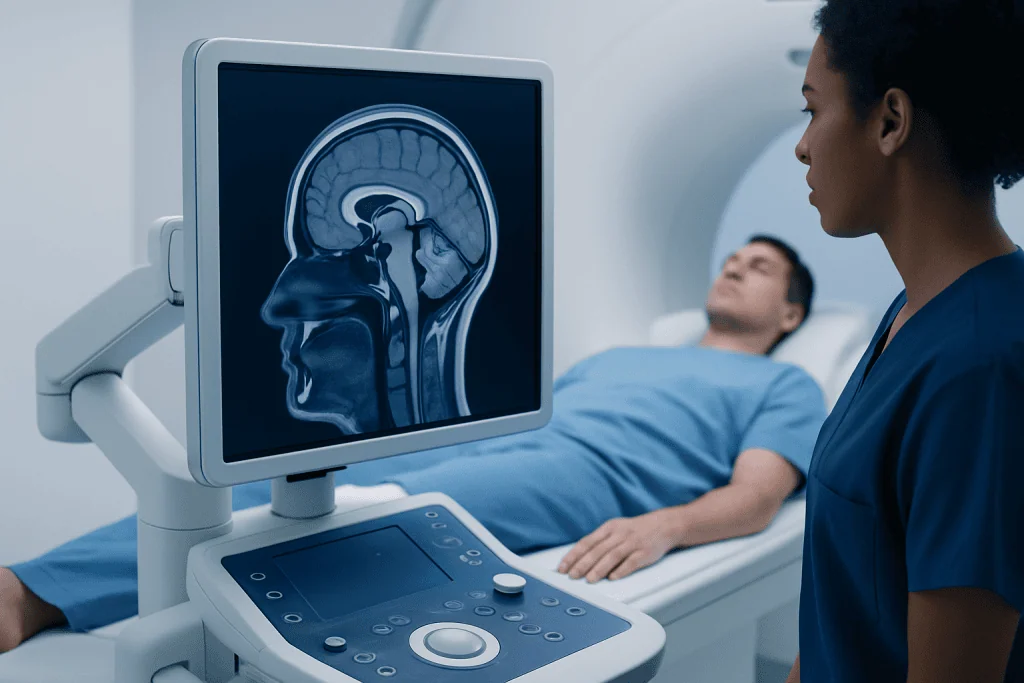
Brain imaging is central to diagnosis. MRI is often the most useful test because it shows the corpus callosum and surrounding brain structures in detail. In emergency settings, a CT scan may be used first, especially after trauma or when stroke is suspected. Imaging helps determine whether the corpus callosum is absent, thinned, malformed, injured, or affected by another lesion.
Additional tests may be recommended depending on the situation. These can include EEG for seizures, genetic testing when a congenital syndrome is suspected, metabolic or infection-related blood tests, and specialist developmental evaluations. Some patients benefit from advanced imaging studies or formal neuropsychological testing to better understand attention, memory, language, and executive function.
When there is concern about a growth or structural lesion affecting the brain, doctors may discuss further assessment through brain tumor treatment pathways or neurological consultation. The aim is not only to name the abnormality, but also to explain how it relates to the person’s symptoms and daily functioning.
Treatment options and long-term support
There is no single treatment for all corpus callosum conditions. Care depends on the cause, the age of the patient, and the symptoms present. If the difference is congenital and not causing major problems, treatment may focus on monitoring development and providing support only where needed. If symptoms are significant, a coordinated plan may involve pediatricians, neurologists, rehabilitation specialists, psychologists, speech therapists, and educators.
For seizures, treatment may include anti-seizure medications and follow-up with a neurology team. If there are movement or balance issues, physical and occupational therapy can help improve strength, coordination, and daily skills. Speech and language therapy may be useful for communication difficulties, while educational interventions can support learning, attention, and social development.
When the corpus callosum is affected by an acquired condition, treatment targets the underlying problem. This could include care for stroke, infection, inflammation, trauma, or a mass lesion. In selected cases, patients may need neurosurgery or rehabilitation after an acute brain event. Recovery varies and often continues over time with structured therapy.
Follow-up is important because needs can change as a child grows or as an adult recovers from brain injury. Families often benefit from clear information about strengths as well as challenges. Near the end of the care pathway, some international patients may also seek multidisciplinary evaluation; Acibadem International’s specialists in JCI-accredited hospitals diagnose and treat neurological conditions with coordinated imaging, medical, and rehabilitation services.
Daily living, rehabilitation, and self-care
Self-care for a corpus callosum condition is mainly about supporting brain health and day-to-day function. For children, this may mean keeping regular therapy appointments, working closely with teachers, and creating predictable routines at home. For adults, it may include pacing mental tasks, reducing fall risk, following treatment plans, and using memory or organization strategies when needed.
Rehabilitation is often one of the most practical tools for improving quality of life. Physical therapy can help mobility and balance, occupational therapy can support dressing, writing, and other daily activities, and speech therapy can assist communication and cognitive-linguistic skills. Cognitive and behavioral support may also help with attention, emotional regulation, and social interactions.
General brain-healthy habits are also worthwhile. These include adequate sleep, regular physical activity as advised by a clinician, balanced nutrition, avoiding smoking, limiting alcohol, and managing conditions such as high blood pressure or diabetes if present. People with seizures should follow safety advice from their doctor, including guidance about swimming, heights, and driving.
Some patients recovering from weakness or coordination changes may benefit from structured physical therapy and rehabilitation. If symptoms overlap with a broader neurological issue, clinicians may also investigate related concerns such as brain tumor or other structural causes seen on imaging.
When to seek medical care
Medical review is appropriate whenever there are concerns about development, learning, coordination, or unexplained neurological symptoms. In babies and children, families should arrange an evaluation if they notice delayed milestones, feeding difficulties, unusual muscle tone, recurrent staring spells, or concerns raised by a teacher or pediatrician. Early assessment can make a meaningful difference because supportive therapies are often most effective when started promptly.
Adults should seek medical care for new headaches with neurological symptoms, unexplained weakness, numbness, balance problems, changes in vision, confusion, memory decline, or possible seizures. Sudden symptoms such as facial drooping, arm weakness, trouble speaking, or loss of consciousness need urgent evaluation because they can signal a stroke or another serious brain problem.
It is also reasonable to ask about specialist referral if a brain scan mentions the corpus callosum and the report is unclear. A neurologist, neurosurgeon, developmental pediatrician, or neuroradiologist can help explain what the finding means and whether further tests or follow-up imaging are needed. Patients should not rely on imaging language alone without a clinical interpretation.
Frequently asked questions
What is the corpus callosum in simple terms?
The corpus callosum is a thick band of nerve fibers that connects the left and right sides of the brain. It helps both halves work together so a person can coordinate movement, thinking, language, and sensory information.
Can someone live without a fully developed corpus callosum?
Yes, some people with partial or complete agenesis of the corpus callosum live with mild symptoms or may only learn about it after a scan. Others have developmental, learning, or neurological challenges and benefit from therapy and specialist care.
What symptoms can corpus callosum problems cause?
Symptoms vary widely and may include developmental delay, learning difficulties, poor coordination, speech delay, seizures, or social communication challenges. In acquired conditions, symptoms can also include weakness, numbness, balance problems, or changes in thinking.
How is a corpus callosum abnormality diagnosed?
Diagnosis usually involves a neurological assessment and brain imaging, especially MRI. Depending on the situation, doctors may also recommend EEG, genetic testing, developmental evaluations, or neuropsychological testing.
Is there a cure for corpus callosum disorders?
There is no single cure because corpus callosum disorders have different causes. Treatment focuses on the underlying condition when possible and on improving symptoms, development, function, and quality of life through therapies and medical care.
Do all children with agenesis of the corpus callosum have learning disabilities?
No, outcomes vary a great deal from one child to another. Some children have mild difficulties, while others need more extensive developmental and educational support, especially if other brain differences are present.
References
- National Institute of Neurological Disorders and Stroke
- National Organization for Rare Disorders
- American Academy of Neurology
- MedlinePlus
- World Health Organization
This article is for general information only and is not a substitute for professional medical advice. Please consult a qualified doctor about your individual situation.
Explore treatments in Turkey — costs, top hospitals & a free quote
JCI-accredited · board-certified surgeons · reply within 24h
Add us as a Preferred Source to see more of our trusted health content across Google Search, AI Overviews and Discover.

More from the Health Library



Related Specialists
Funda Özdemir
Physical Medicine & Rehabilitation
Prof. Dr. Rezan Topaloğlu
Pediatric Nephrology
Dr. Mehmet Fatih Özkan
Emergency Service
Prof. Dr. Ahmet Tulga Ulus
Cardiovascular Surgery