Crispr Injection: How It Works, Results and What to Expect
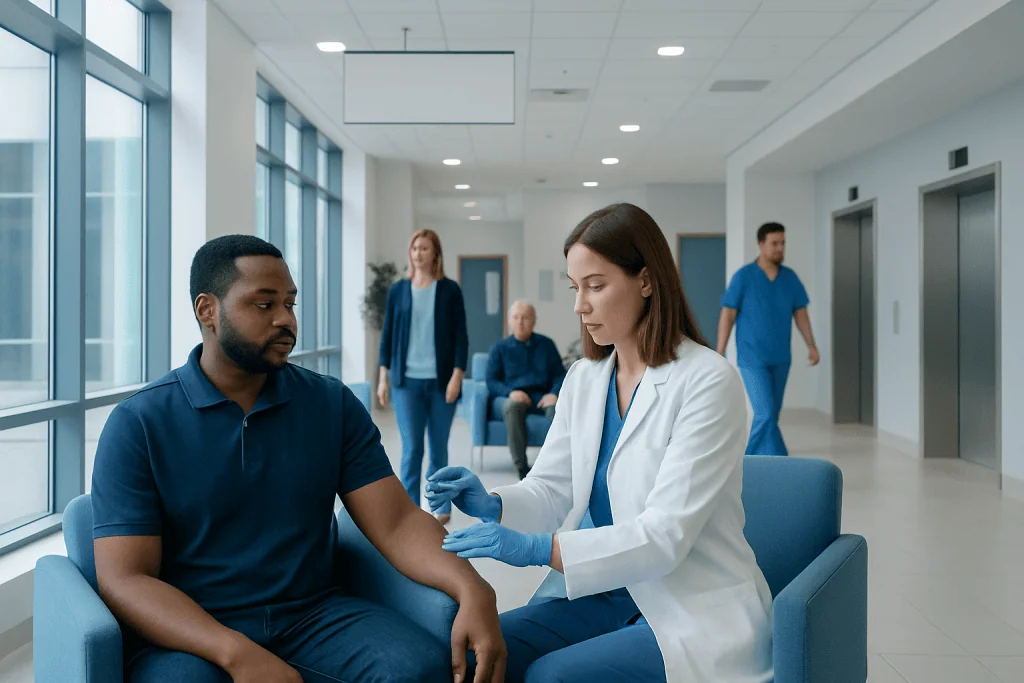
CRISPR is a gene-editing technology designed to make a targeted change in DNA. Not every CRISPR treatment is a simple injection; some approved approaches involve collecting and editing blood-forming stem cells before reinfusion.
Key Takeaways
- CRISPR is a gene-editing technology designed to make a targeted change in DNA.
- Not every CRISPR treatment is a simple injection; some approved approaches involve collecting and editing blood-forming stem cells before reinfusion.
- CRISPR-based therapy has been approved in some countries for certain inherited blood disorders, while many other uses remain in clinical trials.
- Potential benefits must be balanced against treatment-related risks, including immune effects, unintended genetic changes, and risks from preparatory treatment.
- A specialist genetic, hematology, or disease-specific team is needed to determine whether a person may be eligible.
A CRISPR injection refers broadly to treatment that delivers CRISPR-based gene-editing tools into the body or uses edited cells that are returned by infusion. CRISPR therapies are still specialized treatments, and the process, expected results, and risks depend greatly on the condition being treated and the specific product used.
Overview: What Is a CRISPR Injection?
A CRISPR injection is a general term people may use for a treatment that uses CRISPR gene-editing technology. CRISPR is designed to find a specific DNA sequence and make a planned change. Depending on the therapy, the editing tools may be delivered directly into the body through an injection or infusion, or cells may be removed, edited in a laboratory, and returned through an intravenous infusion.
For people asking how CRISPR works in humans, the important point is that there is no single CRISPR procedure. The route of treatment, preparation, monitoring, and expected outcome are determined by the disease, the cells being targeted, and the gene-editing product. At present, most CRISPR-based treatments are available only through carefully regulated specialist programs or clinical trials.
One important real-world use involves inherited blood disorders. In this approach, a person’s own blood-forming stem cells are collected, edited outside the body, and infused back after intensive preparation. This is different from receiving a routine shot in a clinic.
How Does CRISPR Work Step by Step?
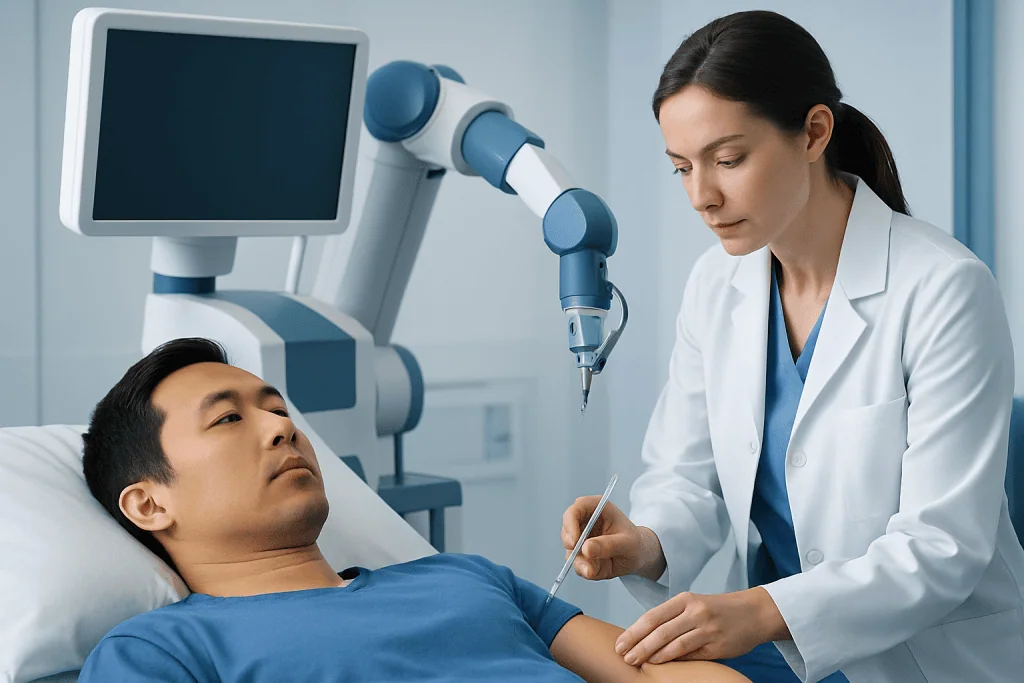
CRISPR is often described as a molecular tool that can locate a particular part of genetic material. A guide RNA is designed to match the target DNA sequence. It directs a CRISPR-associated protein, often called a Cas enzyme, to that location, where the enzyme makes a carefully planned cut or other genetic modification.
Once DNA is changed, the cell uses its own repair processes. Scientists can use this repair response to disable a gene, correct a change in genetic code, or alter how a gene is regulated. In some therapies for inherited blood diseases, the goal is not to repair the original disease-causing gene directly, but to reactivate production of fetal hemoglobin, which can reduce the harmful effects of abnormal adult hemoglobin.
How CRISPR is done also depends on whether treatment is ex vivo or in vivo. Ex vivo treatment means cells are edited outside the body and then returned. In vivo treatment means the editing system is delivered into the body, often using a carrier designed to reach certain tissues. Both approaches require extensive safety testing because accuracy, delivery, and long-term effects are essential considerations.
- Target selection: clinicians and laboratory teams identify the genetic change or pathway to address.
- Editing design: a guide RNA and editing system are developed to act at the intended DNA site.
- Delivery: tools are introduced into collected cells or delivered to the body using a treatment-specific method.
- Monitoring: patients are followed for response, side effects, and possible longer-term concerns.
Which Disease Can Be Cured by CRISPR?

CRISPR should not be described as a universal cure. The strongest established clinical use to date is for selected inherited blood disorders, including sickle cell disease and transfusion-dependent beta thalassemia, where certain CRISPR-based therapies have received regulatory approval in some countries. For eligible patients, treatment may greatly reduce severe disease complications or the need for regular transfusions, but individual results vary and long-term follow-up remains important.
In sickle cell disease, the treatment strategy may help the body produce more fetal hemoglobin. This can reduce sickling of red blood cells and may lessen painful crises. In beta thalassemia, improved hemoglobin production may reduce or eliminate the need for ongoing transfusions for some treated people. These conditions are complex and require evaluation by experienced hematology teams; readers can also learn about sickle cell anemia and thalassemia.
Researchers are studying CRISPR for many other genetic conditions, cancers, infections, eye diseases, and immune disorders. However, being studied in a trial is not the same as being established as safe and effective routine care. A person should discuss whether a trial or approved therapy is appropriate with a qualified specialist.
Candidacy and What Happens During the Procedure
Eligibility for a CRISPR-based therapy is assessed individually. The care team considers the confirmed diagnosis, genetic testing results, disease severity, previous treatment, organ function, infection screening, fertility considerations, age requirements for the specific therapy, and a person’s ability to complete intensive follow-up. Genetic counseling may help patients and families understand the likely aims and limitations of treatment.
For currently established ex vivo blood-cell approaches, the process usually begins with detailed testing and planning. Blood-forming stem cells are encouraged to move from bone marrow into the bloodstream and are collected through a procedure called apheresis. The cells are edited in a specialized laboratory and tested before they are prepared for reinfusion.
Before the edited cells are returned, the patient generally receives conditioning treatment to make room in the bone marrow for the new cells. This stage can require a hospital stay and carries significant risks. The edited stem cells are then infused intravenously, similarly to a stem cell transplant. The person is monitored closely while the bone marrow recovers and begins producing new blood cells.
Specialist services such as bone marrow transplantation may be part of the wider care pathway for people receiving cell-based gene therapies, although the exact process differs by treatment and diagnosis.
Benefits, Recovery Timeline, and Follow-Up
The potential benefit of CRISPR gene therapy is that it may address an underlying genetic process rather than only controlling symptoms. For certain people with severe inherited blood disorders, successful treatment can lead to fewer disease-related events, improved blood counts, or reduced reliance on transfusions. It is important to understand that benefits may take time to become clear and cannot be guaranteed for an individual.
Recovery after an ex vivo CRISPR treatment is usually measured in weeks to months rather than days. The earliest phase is often spent in hospital while blood counts are low after conditioning treatment. During this period, the team monitors for infection, bleeding, anemia, mouth or digestive symptoms, and evidence that the edited cells are establishing themselves in the bone marrow.
After discharge, regular blood tests and specialist appointments are needed. Some people require supportive treatments during recovery. Long-term follow-up is a core part of gene therapy because clinicians need to assess disease response, blood-cell production, and possible late effects. People should follow their care team’s instructions about medicines, infection precautions, diet, activity, vaccinations, and travel.
What Are the Downsides of Using CRISPR Gene Therapy?
CRISPR gene therapy has important limitations and possible risks. The technology is highly targeted, but no genetic intervention is completely free from the possibility of unintended changes. Scientists refer to changes occurring at an unintended DNA site as off-target edits. Treatment developers and regulators use extensive testing to reduce this concern, but long-term monitoring remains necessary.
For cell-based therapies, some of the most immediate risks come from the treatment process rather than the gene edit alone. Conditioning chemotherapy can temporarily suppress the immune system and bone marrow, increasing the risk of serious infection, bleeding, fatigue, infertility, and other complications. Side effects vary according to the conditioning regimen and the person’s health before treatment.
Direct CRISPR injections may have different concerns, such as immune reactions to the delivery system, inflammation, effects on non-target tissues, and uncertainty about how well the treatment reaches the intended cells. Access may also be limited because these therapies require specialized laboratories, experienced teams, and prolonged follow-up.
Patients should ask their team what is known about short- and long-term safety for the exact treatment being considered, what alternatives exist, and whether the therapy is approved or offered through a clinical study.
How Much Does a CRISPR Shot Cost?
There is no single cost for a CRISPR shot. The phrase can describe very different treatments, from investigational direct injections to complex cell-based therapies that involve stem-cell collection, laboratory editing, conditioning treatment, hospitalization, and years of follow-up. Costs therefore vary substantially by country, hospital, treatment type, insurance coverage, and whether the therapy is part of a clinical trial.
For approved cell-based CRISPR therapies, the total financial impact may extend beyond the gene-editing product itself. It can include pre-treatment testing, hospital care, supportive medicines, laboratory monitoring, travel, accommodation, and time away from work or school. Clinical trials may cover some research-related services, but eligibility and coverage differ between studies.
A hospital financial counseling or international patient services team can explain the expected care pathway and help patients understand which costs may be covered by an insurer or public health system. Decisions about treatment should be based on clinical suitability and a transparent discussion of practical planning, not on price alone.
When to Seek Medical Care
Anyone considering CRISPR therapy should seek assessment from a specialist experienced in the relevant genetic condition. This is particularly important for people with frequent sickle cell pain crises, ongoing transfusion needs, worsening anemia, organ complications, or difficulty managing symptoms despite standard care. A referral to hematology and genetic counseling can clarify available treatment options.
A person who has recently undergone stem-cell collection, conditioning treatment, or cell infusion should contact their care team urgently for fever, chills, shortness of breath, chest pain, uncontrolled bleeding, severe vomiting or diarrhea, new confusion, or a marked decline in general condition. These symptoms can require prompt medical assessment, especially when blood counts are low.
CRISPR treatment is not an emergency substitute for standard medical care. People should continue prescribed treatment and attend routine follow-up until a specialist team advises otherwise. Acibadem International’s multidisciplinary specialists and JCI-accredited hospitals support international patients requiring assessment and treatment planning for complex blood and genetic conditions.
Frequently asked questions
Is a CRISPR injection the same as gene therapy?
CRISPR-based treatment is a type of gene therapy or genetic medicine because it aims to change or influence genetic material. However, not all gene therapies use CRISPR. Some gene therapies add a working gene, while CRISPR approaches edit or regulate existing DNA.
Is CRISPR given as a shot?
Some experimental CRISPR treatments are designed for direct delivery by injection or infusion. However, some of the best-established CRISPR-based treatments involve collecting a patient’s blood-forming stem cells, editing them in a laboratory, and reinfusing them after conditioning treatment. The exact method depends on the disease and therapy.
Which disease can be cured by CRISPR?
CRISPR-based therapies have shown major benefits for selected people with sickle cell disease and transfusion-dependent beta thalassemia. These therapies may reduce severe complications or transfusion dependence, but cure is not guaranteed and eligibility is carefully assessed. Many other possible uses remain under research.
What are the downsides of using CRISPR gene therapy?
Potential downsides include unintended genetic changes, immune or inflammatory reactions, uncertain long-term effects, and limited availability. For cell-based treatments, preparatory chemotherapy and hospitalization can carry substantial risks, including infection and fertility effects. A specialist team can explain the risks of a specific product and care pathway.
How long does recovery after CRISPR gene therapy take?
Recovery varies by treatment type. After cell-based therapy, the initial hospital recovery commonly takes several weeks while blood counts recover, followed by months of outpatient monitoring. Long-term follow-up is needed to evaluate benefit and safety.
How much does a CRISPR shot cost?
There is no universal price because CRISPR treatments differ greatly in complexity and availability. Costs can include testing, laboratory cell processing, hospital treatment, medicines, monitoring, and travel. Patients should request an individualized estimate from their treating center and discuss insurance or public coverage.
References
- World Health Organization
- U.S. Food and Drug Administration
- European Medicines Agency
- National Institutes of Health
- American Society of Hematology
This article is for general information only and is not a substitute for professional medical advice. Please consult a qualified doctor about your individual situation.
Explore treatments in Turkey — costs, top hospitals & a free quote
JCI-accredited · board-certified surgeons · reply within 24h
Add us as a Preferred Source to see more of our trusted health content across Google Search, AI Overviews and Discover.