Crohn’s Disease: What to Expect From Biologic Treatment and Follow-Up

Biologics are advanced medicines that target parts of the immune system involved in Crohn’s disease inflammation. Response to treatment is monitored with symptoms, blood tests, stool tests, imaging, and sometimes endoscopy.
Key Takeaways
- Biologics are advanced medicines that target parts of the immune system involved in Crohn’s disease inflammation.
- Response to treatment is monitored with symptoms, blood tests, stool tests, imaging, and sometimes endoscopy.
- Regular follow-up helps doctors adjust treatment early if symptoms return or side effects develop.
- Vaccination review, infection screening, and medication safety checks are important before and during biologic therapy.
- Many people need a long-term treatment plan that also includes nutrition support, lifestyle measures, and flare prevention.
Biologic treatment for Crohn’s disease can help control inflammation, reduce symptoms, and lower the risk of complications when it is matched to the patient and monitored carefully. Understanding how biologics work, what follow-up involves, and when to seek medical advice can make treatment feel more manageable.
Overview: What Biologic Treatment Means in Crohn’s Disease
Crohn’s disease is a long-term inflammatory bowel condition that can affect any part of the digestive tract. It often causes periods of active symptoms, called flares, and times when symptoms improve. The goal of treatment is not only to relieve symptoms but also to reduce inflammation inside the bowel, support healing, and help prevent complications such as strictures, fistulas, abscesses, malnutrition, and hospitalizations.
Biologic treatment refers to medicines made from living sources or designed to act like natural immune proteins. These medicines target specific parts of the immune system that drive inflammation in Crohn’s disease, rather than suppressing the immune system in a broad way. They are commonly used for moderate to severe disease, for disease that has not responded well to standard medicines, or when the disease has features that suggest a higher risk of complications.
Biologics are often discussed as part of a wider care plan for Crohn’s disease. In many cases, they help patients achieve remission, which means symptoms improve and bowel inflammation becomes controlled. Treatment plans vary from person to person, and follow-up is an essential part of making sure the medicine is working safely and effectively over time.
What to Expect Before Starting a Biologic
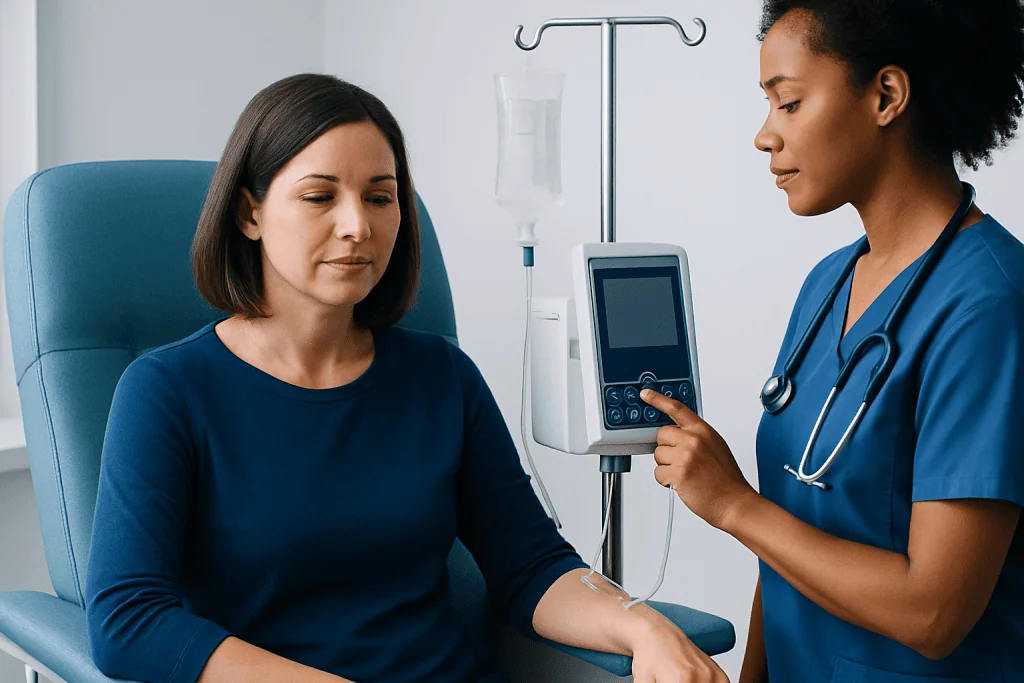
Before a biologic is started, the gastroenterology team usually confirms the diagnosis, reviews how active the disease is, and checks whether there are complications that may affect treatment choice. This may involve blood tests, stool tests, colonoscopy, imaging such as MRI or CT enterography, and a review of previous medicines. The aim is to understand where the inflammation is, how severe it is, and whether there are problems such as narrowing, fistulas, or infection.
Safety screening is also important because biologics can affect immune responses. Doctors commonly screen for infections such as tuberculosis and viral hepatitis before treatment begins. Vaccination history is reviewed as well, because some vaccines are recommended before immune-modifying therapy starts. Patients should tell their doctor about past infections, liver disease, heart conditions, cancer history, pregnancy plans, or any other ongoing medicines.
It also helps to discuss practical expectations. Some biologics are given by intravenous infusion in a hospital or clinic, while others are injected under the skin at home after training. Improvement may begin within weeks for some people, but for others it can take longer. The care team may also talk about related digestive conditions, including ulcerative colitis, because treatment decisions are often made within the broader field of inflammatory bowel disease.
How Biologics Work and Which Treatments May Be Used

Different biologic medicines work in different ways. Some block tumor necrosis factor (TNF), a substance that promotes inflammation. Others target molecules involved in white blood cell movement into the bowel, or they block interleukins that contribute to immune activity. The choice depends on disease severity, previous treatment response, side effect profile, other medical conditions, and whether the person has fistulas or disease outside the bowel.
Biologics may be used alone or together with another medicine in selected patients. In some cases, combination treatment can improve effectiveness or reduce the chance that the body forms antibodies against the biologic. However, combination therapy can also increase some risks, so the decision is individualized. The specialist will balance benefits and risks carefully and explain why a particular option is being recommended.
Within specialist digestive care, biologics are part of advanced inflammatory bowel management and may be used alongside nutritional support, corticosteroids for short-term flare control, or surgery when needed. Patients may also hear about therapeutic drug monitoring, which involves checking blood levels of the medicine and antibodies against it. This can help doctors understand why a treatment is working well, losing effect, or causing reactions.
Follow-Up Visits and Monitoring During Treatment
Follow-up is a central part of biologic treatment. At regular visits, the doctor asks about symptoms such as abdominal pain, diarrhea, urgency, fatigue, fever, weight loss, and bleeding. However, symptoms alone do not always reflect what is happening inside the bowel. For this reason, monitoring often includes blood tests for inflammation and anemia, liver function tests, and stool tests such as fecal calprotectin to look for ongoing intestinal inflammation.
Many specialists use a treat-to-target approach. This means the goal is not only to help the patient feel better, but also to confirm that inflammation is improving objectively. Depending on the case, follow-up may include repeat endoscopy, bowel ultrasound, MRI, or other imaging. These checks help show whether the bowel lining is healing and whether the current medicine is preventing progression of disease.
Timing varies, but follow-up is usually closer together when a biologic is first started, after dose changes, or during a flare. Visits may become more spaced out once the disease is stable. In specialized digestive programs such as neurogastroenterology and inflammatory bowel disease clinics, follow-up may also involve dietitians, specialist nurses, surgeons, radiologists, and mental health support when needed.
- Symptom review and physical examination
- Blood tests for inflammation, anemia, and medicine safety
- Stool testing to assess bowel inflammation
- Drug level or antibody testing in selected cases
- Imaging or endoscopy to confirm healing or investigate concerns
Benefits, Side Effects, and Reasons Treatment May Change
The main benefit of biologic treatment is better control of inflammation. This can lead to fewer flares, improved quality of life, reduced need for steroids, better nutrition, and a lower risk of some complications. In some patients, biologics also help heal fistulas or reduce the need for surgery. Even when symptoms improve significantly, continuing treatment and follow-up often remains important because Crohn’s disease is usually a lifelong condition.
Like all medicines, biologics can cause side effects. Some people develop injection-site reactions, infusion reactions, headache, mild infections, or fatigue. Because the immune system is being modified, there may also be an increased risk of certain infections, so fevers, persistent cough, or signs of illness should be reported. Less common but important concerns can include liver problems, skin changes, allergic reactions, or other immune-related effects, depending on the medicine used.
Doctors may change treatment if the patient does not respond well at first, loses response over time, develops side effects, or forms antibodies against the biologic. Sometimes the answer is dose adjustment or switching within the same class; in other cases, a different type of biologic is chosen. If symptoms are not caused by active inflammation, the team may also look for other explanations such as infection, bile acid issues, narrowing, or overlapping irritable bowel syndrome.
Self-Care, Lifestyle, and Preventing Flares
Biologics work best as part of a broader long-term care plan. Nutrition is especially important in Crohn’s disease because inflammation can affect appetite, absorption, and weight. Some people benefit from advice on iron, vitamin B12, vitamin D, calcium, and protein intake. During or after flares, patients may need individualized guidance on foods that are easier to tolerate, but no single diet works for everyone.
Smoking cessation is one of the most important lifestyle steps for many people with Crohn’s disease, as smoking is linked with worse disease control and more complications. Good sleep, stress management, regular physical activity as tolerated, and careful use of medicines such as nonsteroidal anti-inflammatory drugs may also help reduce flare triggers. Patients should not stop a biologic on their own, even if they feel well, because this may increase the chance of relapse.
Prevention also includes reducing infection risks. Hand hygiene, staying current with recommended vaccines, and discussing travel plans with the medical team are sensible precautions. If digestive symptoms suddenly worsen, doctors may need to rule out infections such as gastroenteritis or other causes rather than assuming it is a Crohn’s flare every time.
When to Contact a Doctor and Long-Term Outlook
Patients should contact a doctor if symptoms return, if diarrhea becomes severe, if there is blood in the stool, or if abdominal pain is worsening. Fever, vomiting, unexplained weight loss, dehydration, drainage around the anus, or symptoms of infection during biologic treatment also need medical attention. Urgent assessment may be needed for severe pain, inability to pass stool or gas, signs of bowel blockage, or heavy bleeding.
Long-term outlook depends on how active the disease is, where it affects the bowel, whether complications develop, and how well treatment controls inflammation. Many people do well on biologic therapy when it is started at the right time and reviewed regularly. Ongoing monitoring can help preserve bowel health, maintain nutrition, and support daily life, work, school, travel, and family planning.
Near the end of the treatment journey, some patients may also need surgical review, especially if there are strictures, abscesses, or fistulas that medicines alone cannot fully manage. Multidisciplinary teams, including those at Acibadem International’s JCI-accredited hospitals, diagnose and treat Crohn’s disease for international patients with coordinated gastroenterology, imaging, nutrition, and surgical support. Whatever the setting, regular follow-up and open communication with a qualified specialist remain the best way to guide safe, effective care.
Frequently asked questions
How long does it take for a biologic to work in Crohn’s disease?
The timing varies by medicine and by the person. Some patients notice improvement within a few weeks, while others need several weeks to a few months before the full effect becomes clear. Doctors usually monitor symptoms and tests together before deciding whether the treatment is working well enough.
Will biologic treatment cure Crohn’s disease?
Biologics do not cure Crohn’s disease, but they can control inflammation and help many patients reach remission. The aim is to reduce symptoms, support bowel healing, and prevent complications. Because Crohn’s disease is usually long term, treatment and follow-up often continue even when the patient feels well.
What tests are usually needed during follow-up?
Follow-up often includes blood tests, stool tests, and sometimes imaging or endoscopy. These checks help the doctor look for inflammation, anemia, side effects, and signs that the bowel lining is healing. In some cases, blood levels of the biologic and antibodies to it are also measured.
Are biologics safe for long-term use?
Biologics are widely used for long-term management when patients are monitored carefully. As with any immune-modifying medicine, there are possible risks, especially infections and some medicine-specific side effects. Regular follow-up helps doctors detect problems early and decide whether treatment should continue, change, or pause.
Can a patient stop biologic treatment once symptoms improve?
Patients should not stop biologic treatment without medical advice. Symptoms can improve before the inflammation is fully controlled, and stopping too soon may increase the risk of relapse or reduce how well the medicine works if restarted later. Any decision to change treatment should be made with a gastroenterologist.
What should a patient report to the doctor while using a biologic?
A patient should report fever, persistent cough, severe diarrhea, worsening abdominal pain, blood in the stool, new rashes, unusual fatigue, or signs of an allergic reaction. It is also important to mention planned surgery, pregnancy, travel, or exposure to infections. These details can affect treatment timing and safety monitoring.
References
- World Gastroenterology Organisation
- Crohn's & Colitis Foundation
- National Institute of Diabetes and Digestive and Kidney Diseases
- American College of Gastroenterology
- European Crohn's and Colitis Organisation
This article is for general information only and is not a substitute for professional medical advice. Please consult a qualified doctor about your individual situation.
Persistent digestive symptoms? Get evaluated in Turkey
JCI-accredited · board-certified surgeons · reply within 24h
Add us as a Preferred Source to see more of our trusted health content across Google Search, AI Overviews and Discover.

Gastroenterology
Diagnosis and treatment of the digestive system and liver, with advanced endoscopy.
46 specialists in this unit