Crohn’s Disease: When a Second Opinion May Change Treatment
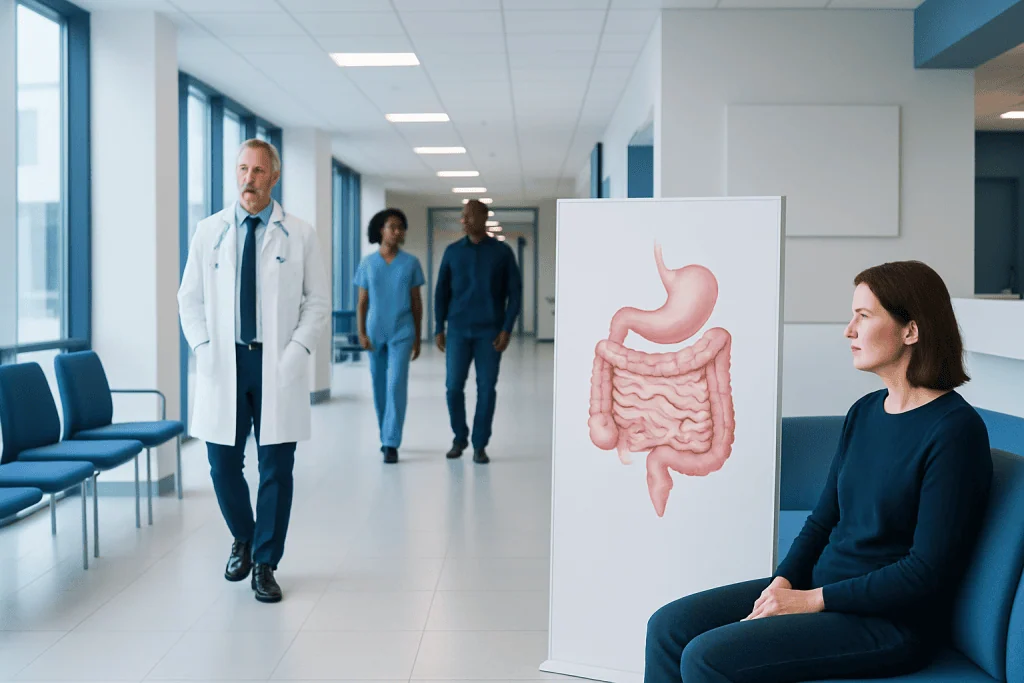
Crohn’s disease can be complex, and treatment plans often need to be individualized. A second opinion may be useful if symptoms continue, side effects are difficult, or surgery has been suggested.
Key Takeaways
- Crohn’s disease can be complex, and treatment plans often need to be individualized.
- A second opinion may be useful if symptoms continue, side effects are difficult, or surgery has been suggested.
- Diagnosis usually combines medical history, blood and stool tests, endoscopy, biopsy, and imaging.
- Treatment may include nutrition support, medicines to reduce inflammation, and sometimes surgery.
- Regular follow-up helps monitor flares, complications, and treatment response over time.
Crohn’s disease is a long-term inflammatory bowel disease that can affect different parts of the digestive tract and vary widely from person to person. A second opinion may help confirm the diagnosis, review disease severity, and clarify whether another treatment approach could better control symptoms and protect long-term bowel health.
Overview of Crohn’s Disease
Crohn’s disease is a chronic form of inflammatory bowel disease (IBD). It causes ongoing inflammation in the digestive tract, most often in the small intestine and colon, but it can affect any area from the mouth to the anus. The inflammation may involve deeper layers of the bowel wall, which is one reason Crohn’s disease can lead to complications such as narrowing, fistulas, or abscesses in some people.
Symptoms and disease severity can be very different from one person to another. Some people have long periods of remission with few problems, while others experience frequent flares that interfere with daily life. Because the condition is variable and sometimes difficult to distinguish from other digestive disorders, a careful and complete evaluation is important.
A second opinion can be valuable when the diagnosis is uncertain, when current treatment is not working as expected, or when a major decision such as biologic therapy or surgery is being considered. In these situations, another specialist may help confirm whether the condition is truly Crohn’s disease and whether the treatment plan matches the location, behavior, and severity of the illness.
Symptoms and Possible Complications
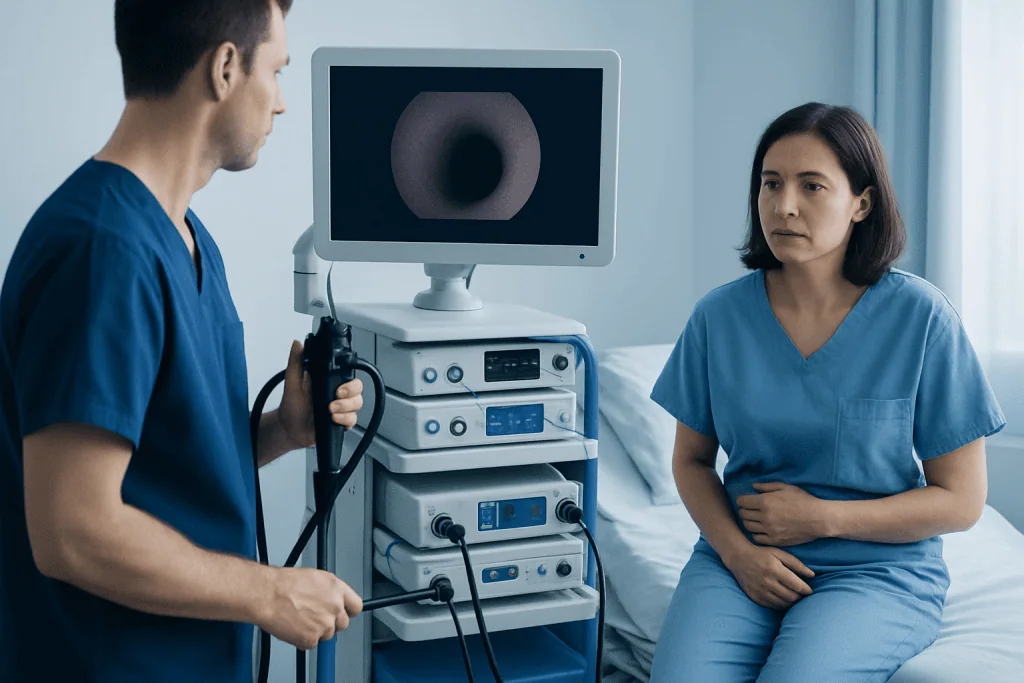
Common symptoms of Crohn’s disease include ongoing diarrhea, abdominal pain or cramping, fatigue, weight loss, reduced appetite, and an urgent need to use the toilet. Some people also notice fever, nausea, or blood in the stool. Symptoms may come and go, and a flare can sometimes be mistaken for an infection or another digestive condition.
Crohn’s disease can also cause symptoms outside the digestive tract. These may include joint pain, mouth sores, eye inflammation, skin rashes, or poor growth in children and teenagers. Because the disease affects nutrition and absorption, some patients develop vitamin or mineral deficiencies, anemia, or low bone density over time.
Complications can occur when inflammation is severe or longstanding. These may include strictures, bowel obstruction, fistulas, perianal disease, abscesses, and malnutrition. Distinguishing Crohn’s disease from conditions such as ulcerative colitis or irritable bowel syndrome is important because management and long-term monitoring are different.
Causes, Risk Factors, and Why Diagnosis Can Be Complex

The exact cause of Crohn’s disease is not fully understood. It is thought to result from a combination of immune system dysregulation, genetic susceptibility, environmental triggers, and changes in the gut microbiome. It is not caused by stress alone, although stress can make symptoms feel worse during active disease.
Several factors may increase risk or influence how the disease behaves. These include a family history of IBD, smoking, younger age at onset, and certain immune-related patterns seen on testing. Diet does not directly cause Crohn’s disease, but some foods may worsen symptoms during flares, especially when the bowel is inflamed or narrowed.
Diagnosis can be complex because symptoms may overlap with infections, celiac disease, diverticular disease, medication-related irritation, or other inflammatory conditions. In addition, Crohn’s disease can affect different bowel segments and may not always appear clearly on a single test. This is one reason some patients benefit from having their test results reviewed by a gastroenterologist with experience in inflammatory bowel conditions.
How Crohn’s Disease Is Diagnosed
There is no single test that confirms Crohn’s disease in every case. Diagnosis usually starts with a detailed medical history and physical examination, followed by blood tests to look for inflammation, anemia, or nutritional deficiencies. Stool tests may help rule out infection and detect markers of intestinal inflammation.
Endoscopic evaluation is often central to diagnosis. Colonoscopy with biopsies allows doctors to directly examine the lining of the colon and the end of the small intestine, look for ulcers or inflammation, and collect tissue samples for microscopic review. Depending on symptoms, upper endoscopy or capsule-based testing may also be considered in selected cases.
Imaging studies such as MRI enterography, CT enterography, or ultrasound can help assess bowel segments that are harder to reach and may identify strictures, fistulas, or abscesses. In a second-opinion setting, specialists may review pathology slides, imaging, and prior endoscopy reports to make sure the diagnosis is accurate and to better define disease extent. This broader evaluation may also connect patients to services such as inflammatory bowel care when long-term multidisciplinary management is needed.
When a Second Opinion May Change Treatment
A second opinion may be especially helpful if symptoms are not improving, if flare-ups keep returning, or if treatment side effects are affecting quality of life. It can also be valuable when the diagnosis remains uncertain, when test results do not match symptoms, or when there is concern about complications such as narrowing or fistulas.
Another common reason to seek a second opinion is before making a major treatment decision. This includes starting advanced immune-targeting medicines, changing from one biologic therapy to another, or planning surgery. A fresh review can confirm whether disease activity is truly ongoing, whether drug levels or antibodies should be checked, and whether the current goals of care are realistic.
In some cases, the second opinion does not completely replace the original plan but refines it. For example, a specialist may recommend optimizing nutrition, adjusting monitoring, confirming infection has been excluded, or using a different strategy for perianal disease or postoperative prevention. Patients may also benefit from a center experienced in Crohn disease treatment and neurogastroenterology when symptoms are complex or overlap with bowel motility and pain disorders.
Treatment Options for Crohn’s Disease
Treatment aims to reduce inflammation, relieve symptoms, heal the bowel where possible, and prevent complications. The most suitable plan depends on where the disease is located, how active it is, whether complications are present, and how the person has responded to previous therapies. Care is often adjusted over time because Crohn’s disease can change.
Medicines may include anti-inflammatory treatments, corticosteroids for short-term flare control, immune-modifying drugs, and biologic or other targeted therapies for moderate to severe disease. Antibiotics may be used in selected situations such as abscesses or certain fistulas, but they are not the main treatment for most patients. Nutrition therapy, iron replacement, vitamin support, and management of anemia or bone health may also be important.
Surgery may be recommended when medicines do not control symptoms well enough or when complications such as obstruction, perforation, severe perianal disease, or abscesses develop. Surgery can treat damaged bowel segments, but it does not cure the underlying tendency toward inflammation, so follow-up remains essential. In specialized centers, care may involve gastroenterologists, colorectal surgeons, radiologists, dietitians, and nurses working together to build a long-term plan.
Prevention, Self-care, and Ongoing Monitoring
Crohn’s disease cannot currently be prevented, but self-care can help reduce flares and support general health. Stopping smoking is one of the most important steps, as smoking is linked to worse disease control and a higher chance of recurrence after surgery. Keeping follow-up appointments and taking medicines as prescribed are also key parts of care.
Dietary needs vary from person to person. During active inflammation, some foods may worsen pain, bloating, or diarrhea, while during remission a more balanced diet may be possible. A food and symptom diary can be useful, and many patients benefit from advice from a dietitian to help maintain energy, hydration, and adequate protein, vitamin, and mineral intake.
Monitoring is important even when symptoms are mild. Doctors may use blood tests, stool markers, endoscopy, or imaging to check for hidden inflammation and to see how well treatment is working. Near the end of the care journey, some people choose an expert review at a center such as Acibadem International, where multidisciplinary specialists in JCI-accredited hospitals evaluate and treat international patients with complex digestive diseases.
When to See a Doctor
Medical review is important if there is persistent diarrhea, ongoing abdominal pain, unexplained weight loss, blood in the stool, fever, or increasing fatigue. These symptoms do not always mean Crohn’s disease, but they should not be ignored, especially if they continue for more than a short time or keep coming back.
People already diagnosed with Crohn’s disease should contact their doctor if symptoms suddenly worsen, if medicines seem less effective, or if side effects become difficult to manage. New perianal pain, swelling, vomiting, severe constipation, or signs of dehydration may suggest a complication that needs prompt assessment.
Urgent care is needed for severe abdominal pain, repeated vomiting, inability to pass stool or gas, heavy rectal bleeding, high fever, or signs of serious infection. Early evaluation can help prevent complications and may allow treatment to be adjusted before the disease becomes harder to control. For patients with complex symptoms or unclear findings, a second opinion can bring reassurance and a clearer next step.
Frequently asked questions
Why would someone with Crohn’s disease seek a second opinion?
A second opinion may help when symptoms continue despite treatment, when the diagnosis is uncertain, or when a major step such as biologic therapy or surgery is being considered. It can also clarify whether complications are present and whether the current treatment goals are appropriate.
Can Crohn’s disease be mistaken for other conditions?
Yes. Symptoms can overlap with infections, irritable bowel syndrome, celiac disease, ulcerative colitis, and other digestive disorders. Because of this, doctors usually combine several tests rather than relying on one result alone.
Does surgery cure Crohn’s disease?
Surgery can treat complications and remove severely affected bowel segments, but it does not cure the underlying disease. Inflammation can return in other areas, so ongoing follow-up and medical management are still important after surgery.
What tests are usually needed to confirm Crohn’s disease?
Doctors often use blood tests, stool tests, colonoscopy with biopsies, and imaging such as MRI or CT enterography. The exact combination depends on symptoms, age, prior test results, and whether complications are suspected.
Can diet alone treat Crohn’s disease?
Diet can play an important supportive role, especially for symptom control, nutrition, and recovery during flares, but it usually does not replace medical treatment in established Crohn’s disease. A personalized nutrition plan is often more helpful than a single restrictive diet for everyone.
When should a person with Crohn’s disease get urgent medical help?
Urgent assessment is needed for severe abdominal pain, repeated vomiting, inability to pass stool or gas, heavy rectal bleeding, high fever, or signs of dehydration. These symptoms may point to a complication such as obstruction, abscess, or serious infection.
References
- National Institute of Diabetes and Digestive and Kidney Diseases
- Crohn's & Colitis Foundation
- American College of Gastroenterology
- European Crohn's and Colitis Organisation
- Mayo Clinic
This article is for general information only and is not a substitute for professional medical advice. Please consult a qualified doctor about your individual situation.
Persistent digestive symptoms? Get evaluated in Turkey
JCI-accredited · board-certified surgeons · reply within 24h
Add us as a Preferred Source to see more of our trusted health content across Google Search, AI Overviews and Discover.

Gastroenterology
Diagnosis and treatment of the digestive system and liver, with advanced endoscopy.
46 specialists in this unit