Deep Brain Stimulation Recovery: Healing, Programming, and Follow-Up Care

Deep brain stimulation recovery happens in stages, from wound healing to device programming and long-term follow-up. It is common to have temporary soreness, swelling, fatigue, or mild discomfort after DBS surgery.
Key Takeaways
- Deep brain stimulation recovery happens in stages, from wound healing to device programming and long-term follow-up.
- It is common to have temporary soreness, swelling, fatigue, or mild discomfort after DBS surgery.
- The first programming session is an important part of recovery and may need several adjustments over time.
- Regular follow-up helps doctors balance symptom control with side effects and monitor battery life and device function.
- Patients should contact their care team promptly for fever, worsening confusion, severe headache, wound redness, or sudden neurological changes.
Deep brain stimulation recovery is a gradual process that includes healing after surgery, adjusting the device settings, and ongoing follow-up care. Most people improve step by step as swelling settles, the stimulator is programmed, and daily routines are safely resumed.
Overview of deep brain stimulation recovery
Deep brain stimulation recovery does not end when surgery is over. It usually unfolds over several weeks and months, with two main parts: physical healing after the procedure and gradual adjustment of the stimulator settings. Because deep brain stimulation, often called DBS, is used for conditions such as Parkinson’s disease, tremor, and dystonia, each person’s recovery timeline can look a little different.
In the first days after surgery, the main focus is rest, wound care, and watching for early complications. The brain leads, extension wires, and implanted pulse generator need time to settle in place. Some symptoms may briefly improve right after surgery even before the device is turned on, partly because of temporary effects from the procedure itself. This early change does not always reflect the long-term treatment response.
Programming usually begins after the surgical sites have had some time to heal. During these visits, a specialist adjusts the stimulation settings to reduce symptoms while limiting side effects. This stage can take patience, since small changes may make a meaningful difference and several sessions are often needed before the settings are well balanced.
Long-term follow-up remains an important part of care. People may continue medicines along with DBS, and their medical team may adjust both over time. For patients receiving deep brain stimulation treatment, recovery is best understood as an ongoing partnership between the patient, family, neurologist, and neurosurgeon.
What to expect in the first days and weeks
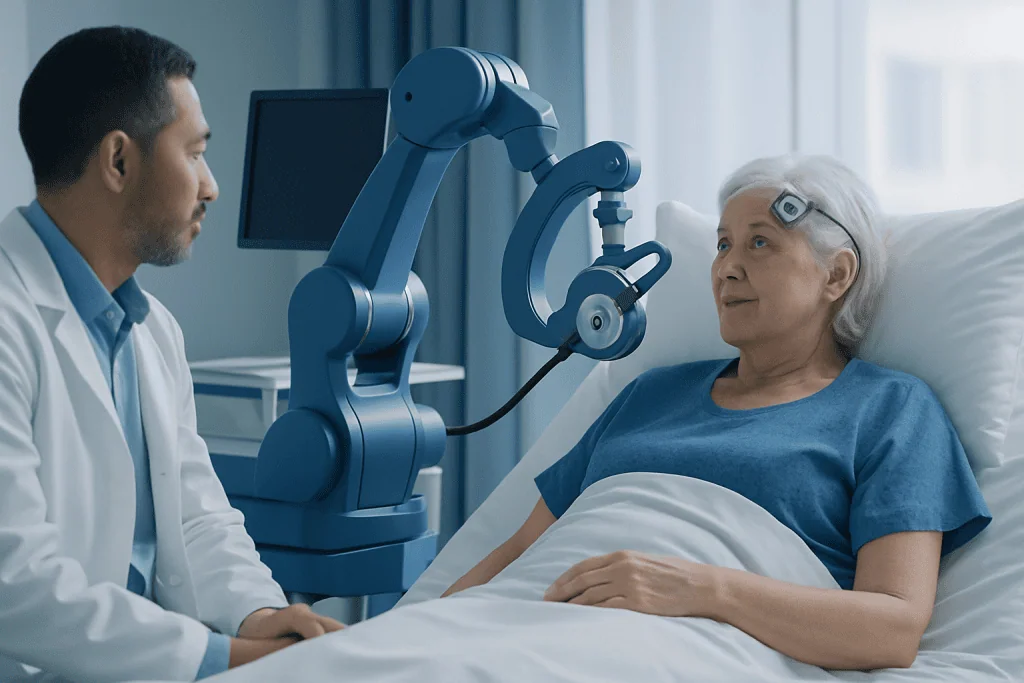
During the first few days, it is common to feel tired and sore. Mild swelling around the scalp, chest, or neck can happen, depending on where the device components were placed. Some people notice headaches, tightness near the incisions, or discomfort when turning the head. These symptoms are often temporary and improve as healing progresses.
Most patients are advised to avoid heavy lifting, strenuous exercise, and sudden stretching of the neck or upper body for a period recommended by their surgeon. Gentle walking is often encouraged because it supports circulation and helps people regain confidence in daily movement. Showering, hair washing, and sleeping positions may also need temporary adjustments until the wounds are well healed.
Energy levels may vary from day to day. It is not unusual to need extra rest, especially if surgery involved more than one stage. Family members or caregivers can help by assisting with meals, medicines, transportation, and observing for any changes in mood, movement, or alertness.
Patients should keep all discharge instructions and ask their care team when they can return to work, drive, travel, or restart exercise. These decisions depend on the underlying condition, the type of work a person does, and how recovery is progressing overall.
Healing and incision care

Proper wound care is one of the most important parts of deep brain stimulation recovery. Incisions on the scalp and chest should be kept clean and dry as directed. Patients are usually told not to scratch, rub, or apply products to the area unless their team says it is safe. Following these instructions helps lower the risk of infection and supports normal healing.
Some tenderness, itching, or a feeling of tightness around the incision can occur as the skin heals. A small amount of swelling may also be expected. However, increasing redness, warmth, drainage, opening of the wound, or worsening pain should be reported promptly. These changes can suggest infection or another problem that needs medical review.
People should also take care to protect the area over the implanted pulse generator, which is commonly placed below the collarbone. Pressure from seat belts, bags, or tight clothing may cause discomfort in the early period. Choosing loose, comfortable clothing can help while the area settles.
Because many people receiving DBS are treated for movement disorders, practical support can be helpful during healing. For example, a person with Parkinson's disease may need extra assistance with dressing or bathing until soreness improves. A clear plan for home support often makes the first weeks easier and less stressful.
Programming the device and adjusting medications
Programming is a key part of DBS recovery because the device usually needs to be adjusted carefully over time. The first programming session often takes place after initial healing, although timing varies by center and by the patient’s condition. At this visit, a specialist tests different settings to see how symptoms respond and whether any side effects occur.
Programming is not usually a one-time event. Several follow-up sessions may be needed to fine-tune stimulation strength, pulse width, frequency, and the active contacts being used. The goal is to find the best balance between symptom relief and comfort. People should not be discouraged if the ideal settings are not found immediately.
Medication changes may happen alongside programming. For some conditions, the medical team may lower or rebalance medicines once stimulation begins to help reduce side effects or improve day-to-day function. These decisions should always be guided by the treating neurologist rather than made independently at home.
Patients treated for essential tremor or other movement disorders may notice that specific symptoms improve at different speeds. It can help to keep a simple diary of tremor, stiffness, walking, sleep, speech, and any side effects. This information gives the care team a clearer picture during appointments and can make neurology care more precise and personalized.
Possible side effects and warning signs
Most people recover without serious problems, but it is still important to know which symptoms are expected and which need urgent attention. Temporary soreness, mild headache, swelling, and fatigue are common after surgery. Some people also notice temporary changes in balance, speech, mood, or thinking, especially while the brain is healing and the device settings are being adjusted.
Stimulation-related side effects can include tingling, muscle pulling, dizziness, slurred speech, or changes in walking or vision. These symptoms often improve when the programming is adjusted. That is why regular follow-up matters so much: subtle changes in settings can make treatment both more effective and more comfortable.
Medical attention is needed more urgently for fever, increasing wound redness, pus, severe or worsening headache, repeated vomiting, new weakness, seizures, major confusion, chest pain, or sudden shortness of breath. A sudden decline in movement or a concern that the device is not working should also be discussed promptly with the care team.
People with DBS may also need special guidance before certain scans or procedures, because some equipment can interfere with implanted devices. Patients should inform every healthcare professional they see that they have DBS and carry their device identification information with them.
Daily life, activity, and self-care after DBS surgery
Returning to everyday life after DBS is usually gradual. Many patients can resume light activities fairly soon, but strenuous exercise, contact sports, and heavy lifting often need to wait until the surgeon confirms it is safe. A careful return to routine helps protect the leads and generator while the body heals.
Healthy habits support recovery. Good sleep, regular meals, hydration, and taking medicines as prescribed all help the body adjust after surgery. Gentle physical activity, such as walking, may improve stamina and confidence. In some cases, rehabilitation or therapy can also help people make the most of symptom improvement.
Emotional adjustment matters too. Some people feel relieved and hopeful after surgery, while others feel tired, frustrated, or uncertain as they wait for programming changes to take effect. These feelings can be normal. Open communication with family and the treatment team can make recovery feel more manageable.
If speech, balance, or movement remain challenging, the medical team may recommend supportive therapies. Depending on the person’s needs, this may include physical therapy and rehabilitation or other services that improve mobility, safety, and independence at home.
Follow-up care and when to contact the doctor
Follow-up care after DBS usually includes wound checks, device programming visits, medication reviews, and longer-term monitoring of battery life and symptom control. These appointments are an essential part of treatment, not just a formality. Over time, the care team may also discuss battery replacement or recharge routines, depending on the type of implanted pulse generator.
Patients should contact their doctor if they notice signs of infection, worsening neurological symptoms, sudden changes in speech or walking, or side effects that interfere with daily life. It is also wise to ask for advice if there are concerns about travel, airport security, exercise, or upcoming medical or dental procedures.
Caregivers often play an important role in noticing subtle changes that the patient may overlook, such as mood shifts, memory concerns, or increasing falls. Bringing a family member to follow-up visits can be helpful, especially during the early programming period when symptoms may fluctuate.
For international patients, coordinated aftercare is especially important. Acibadem International’s multidisciplinary specialists and JCI-accredited hospitals diagnose and treat this condition and can help organize follow-up planning for patients traveling from abroad. Whatever the treatment center, patients should keep a clear record of their device details and maintain regular communication with their medical team.
Frequently asked questions
How long does deep brain stimulation recovery take?
Initial healing after DBS surgery often takes a few weeks, but full recovery includes programming and follow-up that may continue for several months. The exact timeline depends on the person's condition, general health, and how quickly the best device settings are found.
When is the DBS device turned on?
The device is often turned on after the surgical sites have had time to heal, rather than immediately after surgery. The timing varies by medical center and by the patient's needs, so the treating team gives the most accurate plan.
Is it normal to feel tired or sore after DBS surgery?
Yes, mild fatigue, soreness, headache, and swelling can be normal in the early recovery period. These symptoms often improve gradually, but worsening pain, fever, or drainage from the wound should be reported to a doctor.
How many programming sessions are usually needed?
Many patients need several programming visits before the settings are well adjusted. Small changes can have a big effect, so the process is often gradual and personalized rather than completed in one appointment.
Will medications still be needed after DBS?
Some people continue taking medication after DBS, although the type or amount may change over time. Medication decisions should be made with the treating neurologist, because stopping or adjusting medicines without guidance can cause problems.
What activities should be avoided during recovery?
Patients are commonly advised to avoid heavy lifting, strenuous exercise, and movements that strain the neck or chest until the surgeon says healing is adequate. Specific restrictions vary, so it is best to follow the instructions given by the surgical team.
When should someone seek urgent medical help after DBS surgery?
Urgent medical help is needed for severe headache, repeated vomiting, fever, worsening confusion, seizures, new weakness, chest pain, shortness of breath, or signs of wound infection. Any sudden neurological change or concern that the device is not functioning properly should also be assessed promptly.
References
- National Institute of Neurological Disorders and Stroke
- National Health Service
- American Association of Neurological Surgeons
- MedlinePlus
- International Parkinson and Movement Disorder Society
This article is for general information only and is not a substitute for professional medical advice. Please consult a qualified doctor about your individual situation.
Explore treatments in Turkey — costs, top hospitals & a free quote
JCI-accredited · board-certified surgeons · reply within 24h
Add us as a Preferred Source to see more of our trusted health content across Google Search, AI Overviews and Discover.

Neurology
Diagnosis and treatment of disorders of the brain, spinal cord, nerves and muscles.
51 specialists in this unit