

Deep Breathing: Benefits, Common Difficulties, and When to Get Checked

Deep breathing can help the body relax and may improve awareness of breathing patterns. Occasional trouble taking a deep breath can happen with stress, poor posture, or temporary illness.
Key Takeaways
- Deep breathing can help the body relax and may improve awareness of breathing patterns.
- Occasional trouble taking a deep breath can happen with stress, poor posture, or temporary illness.
- Persistent shortness of breath, chest pain, wheezing, or blue lips need prompt medical attention.
- Breathing exercises should feel gentle and comfortable, not forced or distressing.
- A doctor may use a physical exam, oxygen measurement, and lung or heart tests to find the cause.
Deep breathing is a normal body function and a simple technique that can help with relaxation, posture, and more efficient breathing. However, if taking a deep breath feels difficult, painful, or consistently unsatisfying, it may signal a breathing pattern issue or an underlying medical condition that needs evaluation.
Overview: What Deep Breathing Means
Deep breathing refers to slow, fuller breaths that allow the lungs to expand more completely than they often do during shallow breathing. In everyday life, many people breathe from the upper chest, especially during stress, long hours of sitting, or physical discomfort. Deep breathing usually involves the diaphragm, the main breathing muscle under the lungs, so the abdomen rises gently as air moves in.
As a technique, deep breathing is often used to promote relaxation, reduce a sense of tension, and improve body awareness. It is commonly included in mindfulness practices, pulmonary rehabilitation, and general wellness routines. For many people, it can be a helpful way to slow breathing and break a cycle of rapid, anxious breaths.
At the same time, “I cannot take a deep breath” is a common complaint that deserves attention when it keeps happening. Some people describe this as an urge to yawn, chest tightness, or a feeling that the breath does not go in fully. This sensation may be related to stress or breathing habits, but it can also happen with conditions affecting the lungs, heart, muscles, or airways.
Benefits of Deep Breathing
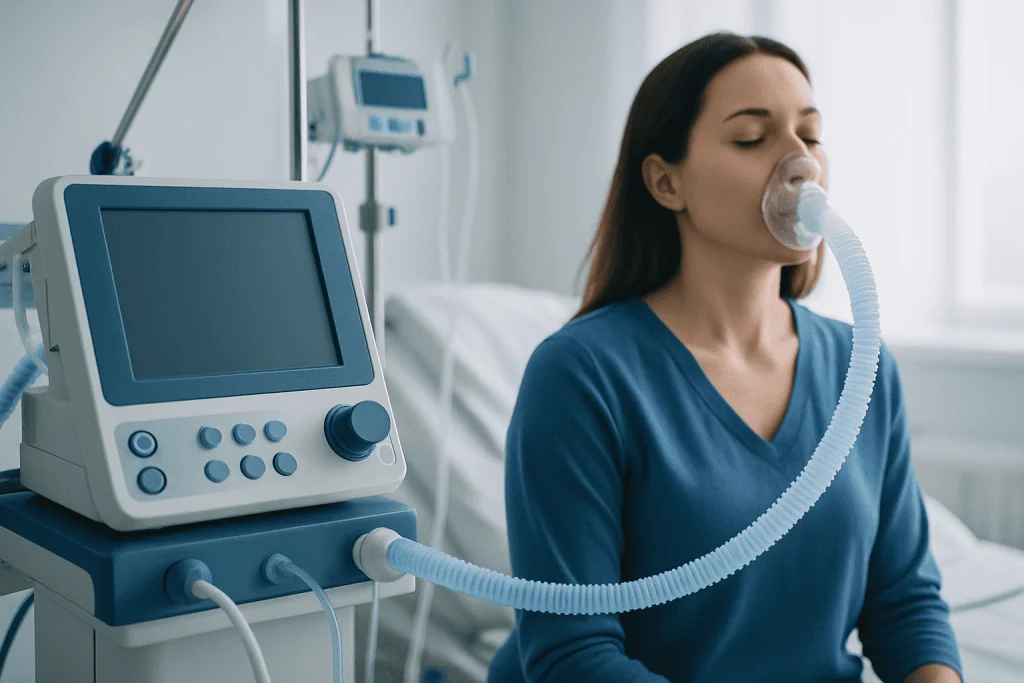
When practiced comfortably, deep breathing may help calm the nervous system. Slow, steady breaths can support relaxation and may reduce the physical effects of stress, such as muscle tension or a racing feeling in the chest. Many people find it useful before sleep, during moments of worry, or as part of meditation and gentle exercise.
Deep breathing can also encourage better use of the diaphragm and reduce habitual shallow chest breathing. This can be especially helpful for people who spend much of the day sitting or working at a screen. A more efficient breathing pattern may improve comfort during light activity and help with posture awareness.
In some medical settings, guided breathing exercises are used to support recovery after illness or surgery and to help people with chronic lung conditions manage symptoms. These exercises do not replace medical treatment, but they may be one part of care. People with diagnosed respiratory disease may benefit from evaluation by a specialist, particularly if symptoms suggest chronic obstructive pulmonary disease or another ongoing lung problem.
- May promote relaxation and reduce stress-related rapid breathing
- Can improve awareness of breathing patterns
- May encourage better diaphragm use
- Can support gentle symptom management when advised by a clinician
Why Someone May Struggle to Take a Deep Breath

There are many possible reasons a person may feel unable to take a satisfying deep breath. A very common cause is stress or anxiety, which can lead to faster, shallower breathing and a sensation of air hunger. Poor posture, long periods of sitting, bloating after meals, or muscle tightness in the chest wall can also make breathing feel restricted.
Temporary illnesses may play a role as well. Colds, flu, sinus congestion, bronchitis, or recovery from a respiratory infection can make breathing feel less comfortable for a time. Wheezing, coughing, or chest tightness may point to irritated or narrowed airways, as seen in asthma or other respiratory conditions.
In some cases, the problem is more serious and should not be ignored. Lung infections, blood clots in the lungs, heart conditions, anemia, or fluid around the lungs can all cause shortness of breath. Smoking, exposure to air pollution, obesity, lack of fitness, and a history of chronic lung disease may increase the risk of breathing difficulties. Because symptoms can overlap, a doctor is often needed to identify the true cause.
Symptoms That Need Attention
Not every brief breathing discomfort is an emergency, but certain symptoms should be assessed promptly. If difficulty taking a deep breath comes with chest pain, fainting, bluish lips, severe wheezing, confusion, or a clear struggle to speak, urgent medical care is important. These signs can suggest that the body is not getting enough oxygen or that the heart and lungs are under strain.
Other symptoms may be less urgent but still deserve a medical review if they continue. These include breathlessness during simple daily activities, ongoing cough, repeated nighttime waking due to breathing discomfort, swelling in the legs, palpitations, unexplained fatigue, or breathing pain. A recurring feeling of needing to sigh or yawn may also be worth discussing if it affects daily life.
People with a known respiratory or heart condition should be especially careful about new or worsening symptoms. A change in exercise tolerance, increased use of rescue inhalers, or repeated chest infections can be a clue that treatment needs adjustment. Early assessment can help prevent complications and guide the right testing.
- Seek urgent help for severe shortness of breath, chest pain, or blue lips
- Book a medical visit for persistent or worsening symptoms
- Keep track of triggers such as exercise, stress, cold air, or allergens
How Doctors Evaluate Breathing Difficulties
Diagnosis begins with a careful history and physical examination. A doctor will usually ask when the problem started, whether it is constant or comes and goes, and what makes it better or worse. Questions may also cover smoking, allergies, exercise tolerance, medication use, stress, recent travel, and any history of heart or lung disease.
Basic tests often include measuring oxygen levels with a fingertip device and listening to the chest and heart. Depending on the symptoms, further evaluation may include blood tests, a chest X-ray, an electrocardiogram, or lung function testing such as spirometry. Imaging or specialist assessment may be needed if the cause is unclear or if symptoms are severe.
When a structural or chronic lung issue is suspected, the doctor may recommend more detailed imaging or specialist review. In selected cases, care may involve bronchoscopy to examine the airways or pulmonary function tests to assess how well the lungs move air. The goal is to identify whether the issue is mainly related to breathing pattern, airway narrowing, infection, the heart, or another medical cause.
Treatment Options and Helpful Breathing Techniques
Treatment depends on the underlying reason for the symptom. If stress, anxiety, or dysfunctional breathing is a major factor, education, breathing retraining, posture work, and relaxation strategies can be helpful. If there is an airway disease, infection, heart problem, or another medical condition, treatment focuses on that diagnosis rather than on breathing exercises alone.
For many people, one simple technique is diaphragmatic breathing. This usually involves sitting comfortably, relaxing the shoulders, placing one hand on the chest and one on the abdomen, then breathing in gently through the nose so the abdomen rises more than the chest. Exhaling slowly through pursed lips may help some people feel more in control of the breath. The breath should stay soft and unforced.
Breathing exercises are not meant to cause dizziness, chest pain, or distress. If symptoms worsen during practice, it is sensible to stop and seek medical advice. People recovering from respiratory illness or living with chronic lung disease may benefit from supervised support such as respiratory therapy and pulmonary rehabilitation, especially when breathlessness limits daily activity.
When the symptom is linked to a broader lung problem, treatment may include inhaled medications, infection treatment, allergy management, rehabilitation, or further respiratory evaluation. If a doctor suspects a more persistent condition such as interstitial lung disease, specialist follow-up is important to guide long-term care.
Prevention and Self-Care
Healthy daily habits can support comfortable breathing. Avoiding smoking and secondhand smoke is one of the most important steps for lung health. Regular physical activity, within a person’s ability and medical advice, can improve conditioning so routine tasks feel easier. Good posture, stretching, and changing position during long periods of sitting may also reduce the sensation of chest tightness.
Staying up to date with recommended vaccines, managing allergies, and treating nasal congestion can all support easier breathing. Indoor air quality matters too. Reducing exposure to dust, strong chemical fumes, and other irritants may be helpful for people who are sensitive to them.
Simple self-care strategies can complement medical advice. These may include paced breathing during activity, stress management, maintaining a healthy weight, and noticing patterns in symptoms. Keeping a diary of triggers, exercise tolerance, sleep quality, and associated symptoms can make medical appointments more useful and help guide next steps.
When to See a Doctor
A doctor should evaluate breathing symptoms that are persistent, worsening, or interfering with normal life. This includes feeling short of breath while resting, struggling to climb stairs that were previously manageable, or repeatedly feeling unable to take a complete breath. Medical review is also sensible when symptoms follow a respiratory infection and do not improve as expected.
Urgent care is needed for sudden severe breathlessness, chest pressure, coughing up blood, blue lips, severe wheezing, or fainting. These symptoms can have different causes, but they all require prompt assessment rather than home treatment. It is always safer to seek help early when breathing changes are significant.
For people seeking further evaluation, Acibadem International’s multidisciplinary specialists and JCI-accredited hospitals diagnose and treat respiratory conditions for international patients. The key point is that ongoing breathing difficulty should be assessed by a qualified clinician so the cause can be identified and treated appropriately.
Frequently asked questions
Is deep breathing good for everyone?
Deep breathing is safe for many people when done gently and comfortably. However, it should not be forced, and anyone with significant lung, heart, or chest symptoms should speak with a doctor before relying on breathing exercises alone.
Why does it feel like a deep breath will not go in fully?
This feeling can happen with stress, shallow breathing habits, poor posture, or temporary chest wall tightness. It can also occur with asthma, infections, heart conditions, or other medical problems, especially if it is persistent or comes with other symptoms.
Can anxiety cause difficulty taking a deep breath?
Yes. Anxiety can change breathing patterns and lead to rapid, shallow breaths, chest tightness, sighing, or a sensation of not getting enough air. Even so, new or severe symptoms should not automatically be blamed on anxiety without medical assessment.
When is shortness of breath an emergency?
Shortness of breath needs urgent care if it is sudden, severe, or accompanied by chest pain, blue lips, fainting, confusion, or an inability to speak normally. These signs may suggest a serious problem affecting oxygen levels or the heart and lungs.
Can breathing exercises improve lung health?
Breathing exercises may help with relaxation, breathing control, and awareness of diaphragm use. They can support lung care, but they do not replace treatment for asthma, infection, COPD, heart disease, or other underlying causes of breathlessness.
What tests might a doctor order for trouble taking a deep breath?
The doctor may start with a physical exam, oxygen level check, and questions about symptoms and triggers. Depending on the situation, tests may include blood work, chest imaging, an electrocardiogram, or lung function tests.
References
- World Health Organization
- American Lung Association
- National Heart, Lung, and Blood Institute
- European Respiratory Society
- Mayo Clinic
This article is for general information only and is not a substitute for professional medical advice. Please consult a qualified doctor about your individual situation.
Joint and spine care in Turkey — expert assessment & treatment
JCI-accredited · board-certified surgeons · reply within 24h
Add us as a Preferred Source to see more of our trusted health content across Google Search, AI Overviews and Discover.

More from the Health Library



Related Specialists

Prof. Dr. Can Çalışkan
Gastrointestinal Oncology Unit Clinical Service
Dr. Neslihan Hot Aydın
Dermatology
Dr. Hasan Şen
Ophthalmology
Dr. Üzeyir Tırmık
Orthopedic Surgery & Traumatology