

Dental Abscess: Symptoms, Treatment, and Emergency Warning Signs

A dental abscess can develop inside a tooth, at the root tip, or in the gum tissue. Common symptoms include throbbing tooth pain, swelling, sensitivity, bad taste, and fever.
Key Takeaways
- A dental abscess can develop inside a tooth, at the root tip, or in the gum tissue.
- Common symptoms include throbbing tooth pain, swelling, sensitivity, bad taste, and fever.
- Antibiotics may help control spread, but they do not replace dental treatment such as drainage, root canal therapy, or extraction.
- Facial swelling, difficulty swallowing or breathing, high fever, or feeling very unwell are emergency warning signs.
- Good oral hygiene, regular dental check-ups, and early treatment of cavities or gum disease reduce the risk.
A dental abscess is a pocket of pus caused by a bacterial infection in or around a tooth or gum. It usually needs prompt dental treatment to remove the infection source, relieve pain, and prevent spread.
Overview
A dental abscess is a localized collection of pus that forms when bacteria infect the tissues of the mouth. It may occur inside the tooth, around the root, or in the gum. Although it can be painful, it is a common dental problem and can usually be treated effectively when care is sought promptly.
There are several types of dental abscess. A periapical abscess starts at the tip of the tooth root, often after untreated tooth decay reaches the dental pulp. A periodontal abscess forms in the gum and supporting tissues, usually related to gum disease. A gingival abscess is limited to the gum tissue, sometimes after food or a foreign object becomes trapped.
The main goal of treatment is to remove the source of infection and allow pus to drain. Pain relief and antibiotics may be used in selected cases, but definitive dental care is usually needed. Without treatment, the infection can spread to nearby tissues, so symptoms should not be ignored.
Dental Abscess Symptoms
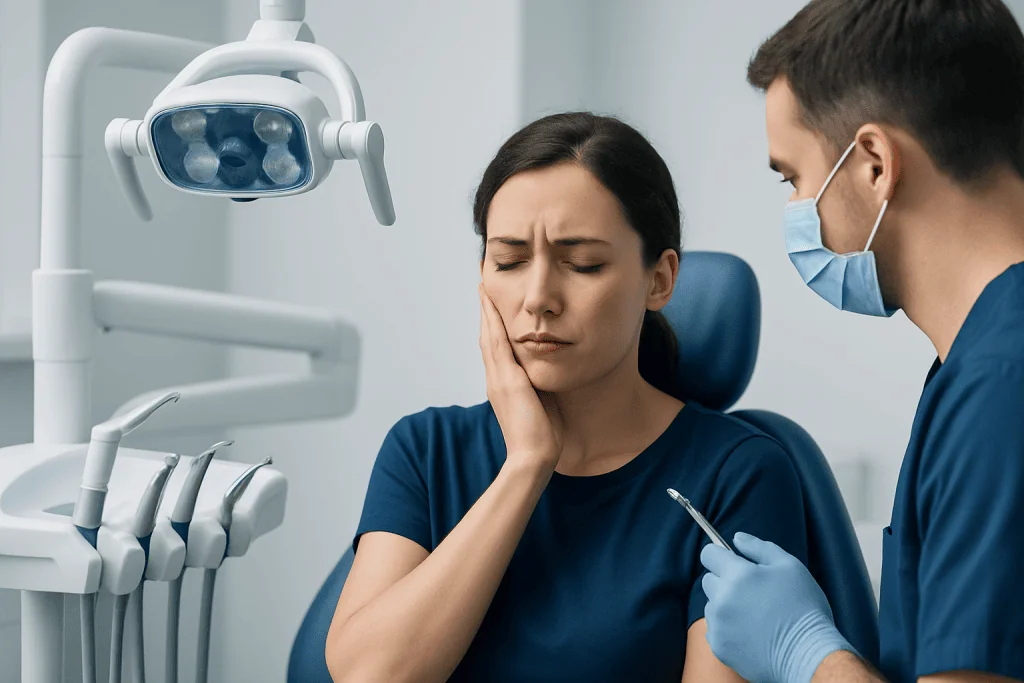
Symptoms can vary depending on the location and severity of the infection. The most typical sign is persistent toothache that may feel throbbing, sharp, or pressure-like. Pain may worsen when chewing, biting, lying down, or drinking hot or cold beverages.
Swelling is also common. The gum near the affected tooth may look red, raised, shiny, or tender. In some cases, a small pimple-like bump appears on the gum and may release pus, leaving a salty or unpleasant taste in the mouth.
Possible symptoms include:
- Severe or constant tooth pain
- Tooth sensitivity to heat, cold, or pressure
- Swollen gum, jaw, cheek, or face
- Bad breath or a bad taste in the mouth
- Loose tooth or pain when biting
- Fever, tiredness, or swollen lymph nodes
- Difficulty opening the mouth fully
Sometimes pain temporarily improves if the abscess drains on its own. This does not mean the infection is cured. The underlying cause remains and should be assessed by a dentist to prevent recurrence or spread.
Causes and Risk Factors
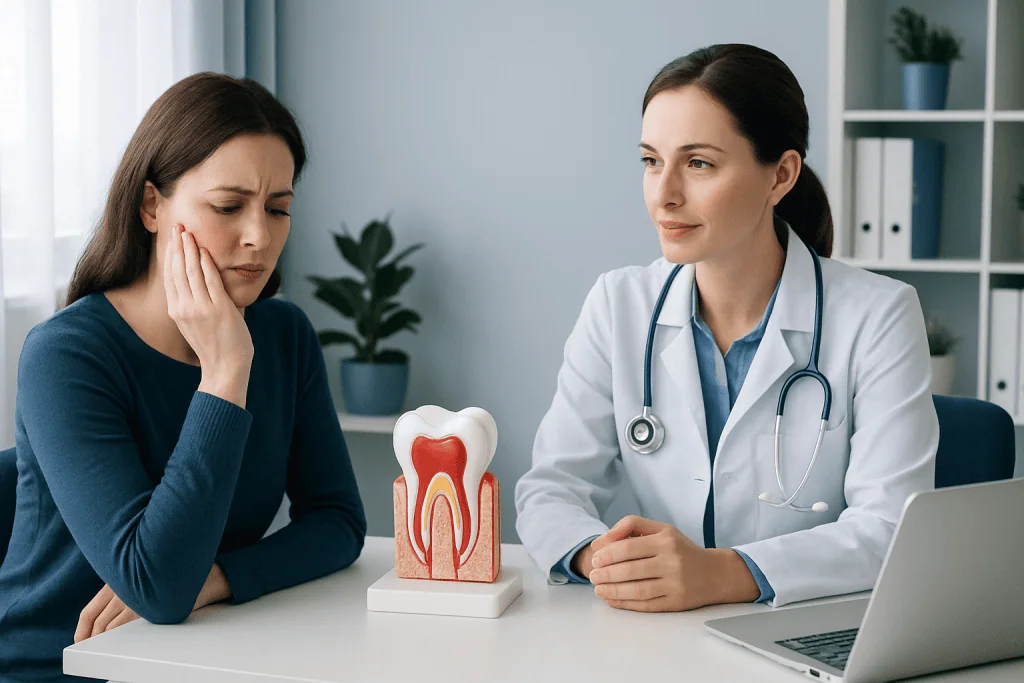
A dental abscess begins when bacteria enter deeper dental or gum tissues. This often happens through a cavity, cracked tooth, leaking filling, dental trauma, or advanced gum disease. Once bacteria reach the dental pulp or periodontal pocket, the body responds with inflammation, and pus may collect in a confined space.
Tooth decay is one of the most common causes of a periapical abscess. When enamel and dentin are damaged over time, bacteria can reach the soft pulp inside the tooth, which contains nerves and blood vessels. Periodontal abscesses are more closely linked to gum disease, where pockets form around teeth and trap bacteria.
Risk factors that can increase the chance of an abscess include poor oral hygiene, frequent sugary foods or drinks, dry mouth, smoking, untreated cavities, previous dental trauma, and delayed dental care. People with diabetes or weakened immune systems may be more prone to infections and should seek dental advice early if symptoms appear.
Diagnosis
A dentist diagnoses a dental abscess by reviewing symptoms, examining the mouth, and checking the affected tooth and surrounding tissues. The examination may include gentle tapping on teeth, testing sensitivity to temperature, assessing gum pockets, and looking for swelling or drainage.
Dental X-rays are commonly used to identify the source of infection, see whether the tooth root or bone is involved, and plan treatment. In more complex cases, additional imaging may be needed to evaluate the extent of swelling or infection, especially if the face, jaw, or neck is affected.
The dentist will also consider other possible causes of dental pain, such as sinus-related tooth discomfort, cracked tooth syndrome, impacted wisdom teeth, temporomandibular joint problems, or nerve pain. Accurate diagnosis is important because treatment depends on whether the problem is inside the tooth, in the gum, or related to another condition.
Treatment Options
Treatment focuses on draining the abscess and eliminating the infection source. Pain medicines may help with comfort while waiting for dental care, but they do not treat the cause. The exact treatment depends on the tooth’s condition, the abscess location, and whether the tooth can be saved.
Common treatment options include:
- Drainage: The dentist may make a small incision or use the tooth or gum pocket to allow pus to drain safely.
- Root canal treatment: If the infection is inside the tooth, the infected pulp can be removed, the canals cleaned and sealed, and the tooth restored.
- Tooth extraction: If the tooth is severely damaged and cannot be saved, removal may be recommended to clear the infection source.
- Periodontal treatment: For gum-related abscesses, cleaning the periodontal pocket and treating gum disease may be needed.
- Antibiotics: These may be prescribed if the infection has spread, there is fever or significant swelling, or the person has certain medical risks.
Antibiotics alone usually cannot cure a dental abscess because the infected tissue or trapped pus often remains. It is important to take any prescribed antibiotic exactly as directed and to complete dental treatment even if symptoms improve.
After treatment, the dentist may recommend a filling, crown, periodontal follow-up, or additional oral hygiene measures to protect the tooth and reduce recurrence. Follow-up appointments help confirm that healing is progressing as expected.
Prevention and Self-Care
Prevention is based on keeping teeth and gums healthy and treating small dental problems before they become infections. Brushing twice daily with fluoride toothpaste, cleaning between teeth, and attending regular dental check-ups are simple steps that make a meaningful difference.
A balanced diet can also support oral health. Limiting frequent sugary snacks and drinks reduces the fuel that bacteria use to produce acids. Drinking water, especially after meals, can help rinse the mouth and support saliva, which naturally protects teeth.
While waiting for a dental appointment, a person may rinse gently with warm salt water, avoid chewing on the painful side, and choose soft foods if biting hurts. Over-the-counter pain relief may be appropriate for some people, but it should be used according to the product label and avoided if there are medical reasons not to take it.
Home remedies should not replace dental care. Applying heat to facial swelling, trying to pierce or squeeze an abscess, or using leftover antibiotics can be unsafe. A qualified dentist can identify the cause and provide treatment that resolves the infection at its source.
Emergency Warning Signs and When to See a Doctor
A suspected dental abscess should be assessed by a dentist as soon as possible, even if symptoms seem mild or come and go. Early care can relieve pain, preserve the tooth when possible, and reduce the chance of complications.
Urgent medical or dental care is needed if there is swelling of the face, jaw, or neck; fever; chills; confusion; rapid worsening of pain; difficulty swallowing; difficulty breathing; inability to open the mouth; swelling around the eye; or a general feeling of being very unwell. These signs may indicate that the infection is spreading beyond the tooth or gum area.
People who are pregnant, have diabetes, take immune-suppressing medicines, have heart valve disease, or have a weakened immune system should seek advice promptly if they develop dental infection symptoms. Medical history can influence treatment choices and the need for coordinated care.
For international patients who need evaluation or treatment, Acibadem International’s multidisciplinary specialists and JCI-accredited hospitals can diagnose and manage dental abscesses and related complications in coordination with dental and medical teams. Any person with emergency warning signs should seek immediate local emergency care.
Frequently asked questions
Can a dental abscess go away on its own?
A dental abscess may drain and feel less painful for a short time, but the infection source usually remains. Without dental treatment, it can return or spread. A dentist should examine the tooth or gum and recommend appropriate care.
Is a dental abscess an emergency?
It can be an emergency if there is facial or neck swelling, fever, difficulty swallowing or breathing, or the person feels very unwell. Even without these signs, a suspected abscess should be treated promptly. Early dental care helps prevent complications.
Will antibiotics cure an abscessed tooth?
Antibiotics may help control infection when it has spread or when there are certain medical risks, but they usually do not remove the cause. Drainage, root canal treatment, gum treatment, or extraction may still be needed. A dentist will decide the safest plan.
What does a gum abscess look like?
A gum abscess may appear as a swollen, red, tender area near a tooth. Sometimes it looks like a small pimple or boil on the gum and may release pus. Only a dental examination can confirm the diagnosis and identify the source.
How is pain from a dental abscess managed before treatment?
Gentle warm salt-water rinses, soft foods, and avoiding chewing on the affected side may help temporarily. Over-the-counter pain medicine may be suitable for some people when used as directed. These measures are not a cure, so dental care should not be delayed.
Can a dental abscess spread to other parts of the body?
In some cases, infection can spread from the tooth or gum to nearby facial, jaw, or neck tissues. This is why swelling, fever, swallowing difficulty, breathing difficulty, or rapid worsening symptoms need urgent care. Prompt treatment greatly reduces this risk.
References
- American Dental Association
- National Health Service
- Mayo Clinic
- Cleveland Clinic
- World Health Organization
This article is for general information only and is not a substitute for professional medical advice. Please consult a qualified doctor about your individual situation.
Explore treatments in Turkey — costs, top hospitals & a free quote
JCI-accredited · board-certified surgeons · reply within 24h
Add us as a Preferred Source to see more of our trusted health content across Google Search, AI Overviews and Discover.

Dental & Oral Health
Full-scope dental care from implants and aesthetics to oral and maxillofacial surgery.
158 specialists in this unitRelated Treatments
More from the Health Library



Related Specialists

Assoc. Prof. Dr. Ferit Bayram
Oral & Dental Health
Dt. Alara Naz Kenir
Oral & Dental Health
Dt. Gonca Katmer
Oral & Dental HealthDt. Doğa Baysal
Oral & Dental Health