

Dental Crown Procedure: What to Expect Before and After

A dental crown is used to protect and strengthen a tooth that is weakened, broken, worn down, or heavily restored. Treatment usually includes examination, tooth preparation, impressions or digital scans, a temporary crown, and placement of the final crown.
Key Takeaways
- A dental crown is used to protect and strengthen a tooth that is weakened, broken, worn down, or heavily restored.
- Treatment usually includes examination, tooth preparation, impressions or digital scans, a temporary crown, and placement of the final crown.
- Mild soreness or sensitivity after the procedure is common and usually improves within a few days.
- Good oral hygiene and avoiding very hard or sticky foods can help a crown last longer.
- Persistent pain, a loose crown, or changes in the bite should be checked by a dentist.
A dental crown procedure restores the shape, strength, and appearance of a damaged tooth by covering it with a custom-made cap. Knowing what happens before, during, and after treatment can help patients feel prepared and support a smoother recovery.
Overview of the Dental Crown Procedure
A dental crown procedure involves placing a custom-made covering, often called a cap, over a tooth. The crown is designed to restore the tooth’s shape, size, strength, and appearance while helping it function normally during biting and chewing. Crowns may be recommended when a tooth has been weakened by decay, a large filling, a crack, wear, root canal treatment, or injury.
Dental crowns can be made from different materials, including porcelain, ceramic, metal, resin, or combinations such as porcelain fused to metal. The choice depends on the tooth’s location, the amount of remaining tooth structure, bite forces, appearance goals, and the dentist’s clinical judgment. In visible areas of the mouth, tooth-colored materials are often preferred because they blend more naturally with nearby teeth.
For many patients, the process takes two visits, although some clinics may offer same-day crowns using digital imaging and in-office fabrication. During treatment, the tooth is carefully shaped so the crown can fit securely. A temporary crown is often placed until the final crown is ready. Patients receiving dental crowns as part of broader general dentistry care are usually given instructions to protect the tooth and keep the temporary restoration in place.
Why a Dental Crown May Be Needed

A dentist may recommend a crown when a tooth needs more support than a filling can provide. This is common when a large portion of the tooth has been lost to decay or fracture. A crown can help hold the remaining tooth together and lower the risk of further damage.
Crowns are also used after certain treatments. For example, a tooth that has had root canal therapy may become more brittle over time, so a crown may be placed to protect it. Crowns can also improve the appearance of misshapen or severely discolored teeth and may be used to cover a dental implant or support a bridge. In some cases, other conservative treatments such as dental fillings may be suitable first, but when the tooth is too weak or heavily restored, a crown can be the more durable option.
Not every damaged tooth needs a crown, and the best approach depends on the amount of healthy tooth structure left. A dental examination helps determine whether the tooth can be repaired with a filling, bonding, onlay, or another treatment instead. The decision is usually based on balancing tooth preservation, function, comfort, and long-term stability.
What to Expect Before the Procedure
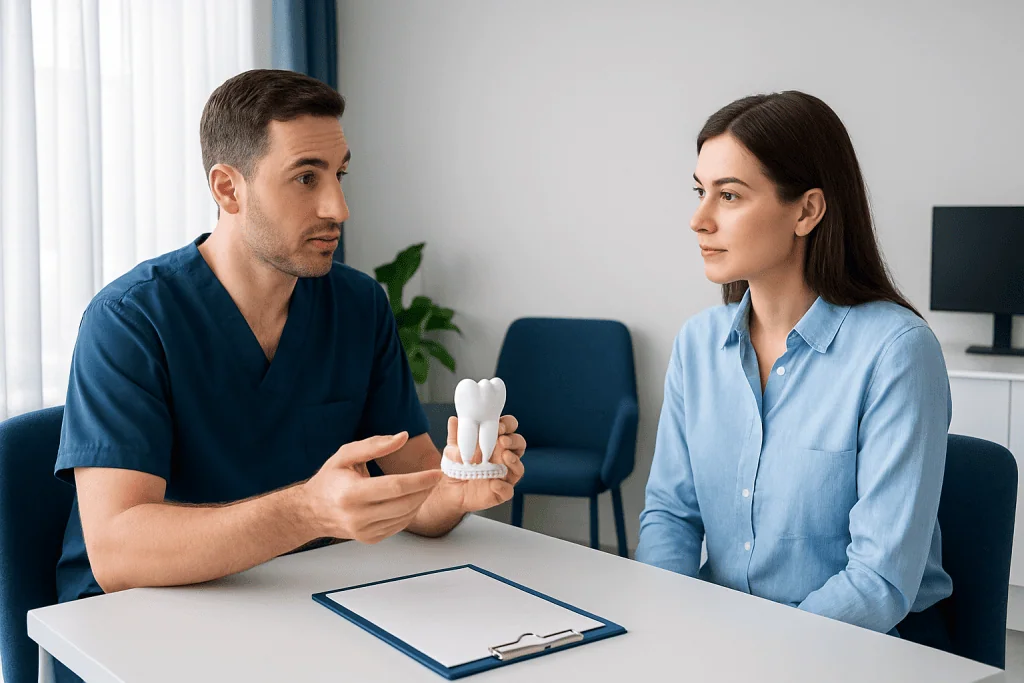
Before the crown procedure, the dentist examines the tooth and surrounding gums. This assessment may include X-rays to check the roots, bone, and extent of any decay or fracture. If there is significant decay, infection, or damage affecting the tooth’s nerve, additional treatment may be needed before the crown is placed.
The dentist will discuss the reason for the crown, the material options, expected appearance, and how the treatment will be performed. Patients may also be asked about teeth grinding, jaw clenching, gum health, allergies, and previous dental work. These details help guide planning because habits such as grinding can place extra stress on a crown and may influence the material choice.
Some patients benefit from treatment of related problems first. For example, if there is active gum inflammation, the dentist may recommend improving oral hygiene or addressing bleeding gums before final crown placement. If a tooth is fractured because of repeated grinding, management of bruxism may also be discussed. Clear communication before the appointment can help patients know what type of anesthesia will be used, whether they can eat beforehand, and what aftercare will involve.
How the Dental Crown Procedure Is Done
At the treatment visit, the area is usually numbed with local anesthesia so the tooth can be prepared comfortably. The dentist removes decay, old filling material if necessary, and a small amount of outer tooth structure. This shaping creates enough room for the crown to fit properly without feeling bulky or affecting the bite.
Once the tooth is prepared, an impression or digital scan is taken. This record is used to create the custom crown so it matches the shape of the tooth and the way the upper and lower teeth come together. The dentist may also select a shade if the crown is tooth-colored. In many cases, a temporary crown is then placed to protect the tooth while the permanent crown is being made in a dental laboratory.
At the second visit, the temporary crown is removed and the final crown is checked for fit, color, margins, and bite. Small adjustments may be made before it is cemented into place. The goal is a crown that feels secure, looks natural, and allows comfortable chewing. If the tooth is severely broken or has little remaining structure, the dentist may need to build it up first or discuss additional restorative options.
After the Procedure: Recovery and Aftercare
After a dental crown procedure, mild numbness may last for a few hours until the anesthesia wears off. It is common to have some tenderness in the gums around the treated tooth, as well as mild sensitivity to pressure, hot, or cold. These symptoms are often temporary and tend to improve within a few days. If a temporary crown has been placed, it may feel slightly different from the final crown and should be treated gently.
Patients are usually advised to avoid chewing until the numbness fades to prevent accidental biting of the cheek or tongue. For the first day or two, softer foods may feel more comfortable. Temporary crowns are more likely to come loose than permanent ones, so very sticky foods such as chewing gum or caramel are best avoided until the final crown is placed. Hard foods, ice, and habits such as nail biting should also be avoided.
Good oral hygiene remains important. Brushing twice daily with a soft toothbrush and cleaning between the teeth helps reduce the risk of decay at the crown’s edges and supports gum health. A crowned tooth can still develop problems if plaque builds up around it. If the bite feels too high, the tooth remains very sensitive, or the crown feels loose, the dentist should be contacted for review rather than waiting for it to settle on its own.
Possible Risks, Problems, and How They Are Managed
Dental crowns are common and generally well tolerated, but like any dental treatment they can involve some risks. The most common issues include temporary sensitivity, discomfort when biting, a crown that feels too high, or irritation of the surrounding gum tissue. These problems are often manageable with minor bite adjustments or time as the tooth settles.
Less commonly, a crown may loosen, chip, or come off, especially if the tooth is exposed to strong biting forces or if the temporary crown is stressed before the final one is placed. In some situations, decay can develop at the margin where the crown meets the tooth, particularly if oral hygiene is difficult or the crown has an imperfect seal. Patients who clench or grind their teeth may be more likely to wear down the crown or damage opposing teeth.
Persistent throbbing pain, swelling, fever, or severe sensitivity may suggest an underlying issue such as infection, nerve irritation, or a crack deeper in the tooth. A crown does not always eliminate all symptoms if the problem extends below the visible part of the tooth. Follow-up assessment helps identify whether simple adjustment is enough or whether other care is needed.
How Long Dental Crowns Last and How to Protect Them
The lifespan of a crown varies depending on the material used, the patient’s oral hygiene, diet, bite forces, and the condition of the tooth underneath. With good care, many crowns can last for years. However, no dental restoration lasts forever, and even a well-made crown may eventually need repair or replacement.
Daily care can make a meaningful difference. Patients are usually encouraged to brush thoroughly along the gumline, clean between the teeth with floss or interdental aids, and attend regular dental checkups. These visits allow the dentist to monitor the crown, check the fit of the bite, and look for early signs of wear, gum disease, or recurrent decay.
Protective habits are also important. Limiting very hard foods, not using teeth to open packaging, and wearing a night guard if grinding is present may help preserve the crown. People who are missing nearby teeth or considering full-mouth rehabilitation may also discuss whether options such as dental implants or other restorations are needed to support balanced chewing and long-term oral health.
When to See a Dentist
Patients should contact a dentist if pain becomes stronger instead of improving, if the crown feels loose, or if the bite feels uneven. Ongoing sensitivity to pressure or temperature that does not settle after a short period may need evaluation. A prompt review is also helpful if the temporary crown comes off, because leaving the prepared tooth uncovered can increase sensitivity and make final crown placement more difficult.
Urgent dental care is especially important when there is swelling, pus, a bad taste that persists, fever, or difficulty chewing because of significant pain. These symptoms may point to infection or another problem that needs timely treatment. A chipped crown or tooth fracture should also be assessed, even if discomfort is mild.
Regular follow-up supports the long-term success of the procedure. For international patients seeking evaluation and treatment, Acibadem International’s multidisciplinary specialists in JCI-accredited hospitals diagnose and treat dental conditions, including crown-related concerns, with individualized care plans.
Frequently asked questions
Is a dental crown procedure painful?
The procedure is usually performed with local anesthesia, so the tooth preparation itself should not be painful. Some mild soreness, gum tenderness, or sensitivity afterward is common, but it often improves within a few days.
How long does it take to get a dental crown?
Many crowns are completed in two visits, with a temporary crown placed between appointments. Some clinics may offer same-day crowns, depending on the technology available and the clinical situation.
What can a patient eat after a dental crown procedure?
Once the numbness wears off, soft foods are often more comfortable at first. If a temporary crown is in place, sticky and very hard foods are best avoided until the final crown is cemented.
How long will a dental crown last?
A dental crown can last for many years, but its lifespan depends on the material, oral hygiene, biting forces, and the health of the tooth underneath. Regular dental checkups and careful home care can help it last longer.
Can a crowned tooth still get decay?
Yes. Although the crown covers the tooth, decay can still develop at the edges where the crown meets natural tooth structure. Brushing, flossing, and routine dental visits remain important.
What should a patient do if the crown feels too high or loose?
A crown that feels high, uneven, or loose should be checked by a dentist. Small bite adjustments are often simple, and early care can help prevent discomfort or damage to the tooth and crown.
References
- American Dental Association
- National Institute of Dental and Craniofacial Research
- Mayo Clinic
- NHS
- FDI World Dental Federation
This article is for general information only and is not a substitute for professional medical advice. Please consult a qualified doctor about your individual situation.
Explore treatments in Turkey — costs, top hospitals & a free quote
JCI-accredited · board-certified surgeons · reply within 24h
Add us as a Preferred Source to see more of our trusted health content across Google Search, AI Overviews and Discover.

Dental & Oral Health
Full-scope dental care from implants and aesthetics to oral and maxillofacial surgery.
158 specialists in this unitRelated Treatments
More from the Health Library



Related Specialists

Assoc. Prof. Dr. Ferit Bayram
Oral & Dental Health
Assoc. Prof. Dr. Yeliz Çavuşoğlu Yüce
Oral & Dental Health
Assoc. Prof. Dr. Mutlu Keskin
Oral & Dental Health
Prof. Dr. Ülkü Noyan
Oral & Dental Health