Dental Fillings Near Me: When Same-Day Treatment May Be Possible

Same-day dental fillings are often possible for straightforward cavities or minor tooth damage. An exam and usually X-rays help determine whether a filling, crown, root canal, or another treatment is needed.
Key Takeaways
- Same-day dental fillings are often possible for straightforward cavities or minor tooth damage.
- An exam and usually X-rays help determine whether a filling, crown, root canal, or another treatment is needed.
- Tooth-colored composite fillings are commonly used because they bond well and match the natural tooth.
- Early treatment can relieve sensitivity, prevent worsening decay, and preserve more of the natural tooth.
- Good brushing, flossing, diet habits, and regular dental checkups help reduce the need for fillings.
Many patients can have a cavity assessed and treated with a filling in the same visit, especially when the tooth damage is small to moderate and no complex infection is present. A dentist confirms this with an examination and often dental X-rays, then recommends the most suitable filling material and timing.
Overview: When same-day dental fillings may be possible
Searching for “dental fillings near me” often means a person wants fast relief from tooth sensitivity, pain, or a newly discovered cavity. In many cases, same-day treatment is possible. If the problem is a simple cavity, a small chipped area, or wear on the tooth surface, the dentist may examine the tooth, take X-rays if needed, and place a filling during the same appointment.
Same-day care is most common when decay is limited to the outer layers of the tooth and there are no signs of deeper infection. A filling works by removing the damaged part of the tooth and restoring its shape and function with a durable material. This helps protect the tooth from further decay and can reduce discomfort when eating or drinking.
However, not every tooth can be treated immediately with a filling. If the cavity is very large, extends close to the nerve, or the tooth is cracked, heavily worn, or infected, a different treatment may be safer and more effective. In those situations, the dentist may recommend a temporary restoration, a crown, or root canal treatment instead of a same-day filling.
Symptoms that may mean a filling is needed
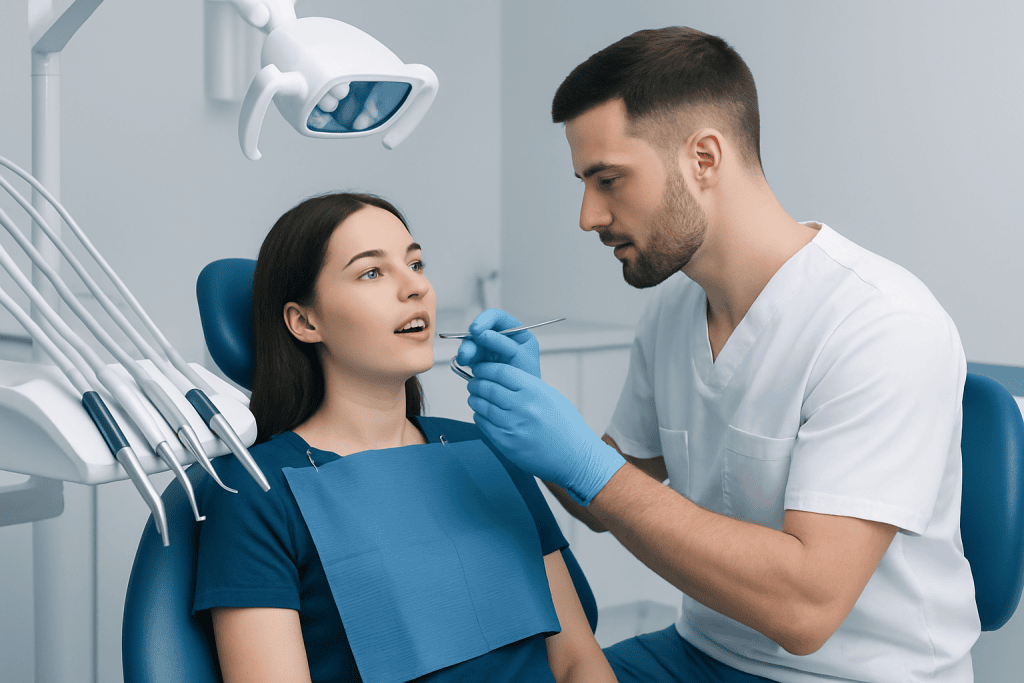
A cavity does not always cause noticeable symptoms in the early stages. Some people learn they need a filling only during a routine dental checkup. Others notice sensitivity to cold, heat, or sweets, or experience discomfort when biting down on one side of the mouth.
As decay progresses, symptoms may become more obvious. A tooth may develop a visible dark spot, a rough or broken edge, or a small hole that traps food. Mild to moderate toothache can also occur, especially after meals or sugary drinks. These symptoms do not always mean a filling is the right treatment, but they are good reasons to arrange a dental examination promptly.
Patients should seek urgent dental care if pain becomes severe, swelling develops, or a fever occurs. These can be signs that the problem extends deeper than a simple cavity. A dentist can decide whether dental fillings are enough or whether more advanced care is needed.
- Tooth sensitivity to cold, heat, or sweet foods
- Pain when chewing or biting
- A visible hole, chip, or dark area on the tooth
- Food getting stuck in one area repeatedly
- Bad taste or persistent bad breath linked to one tooth
What causes cavities and who is at higher risk
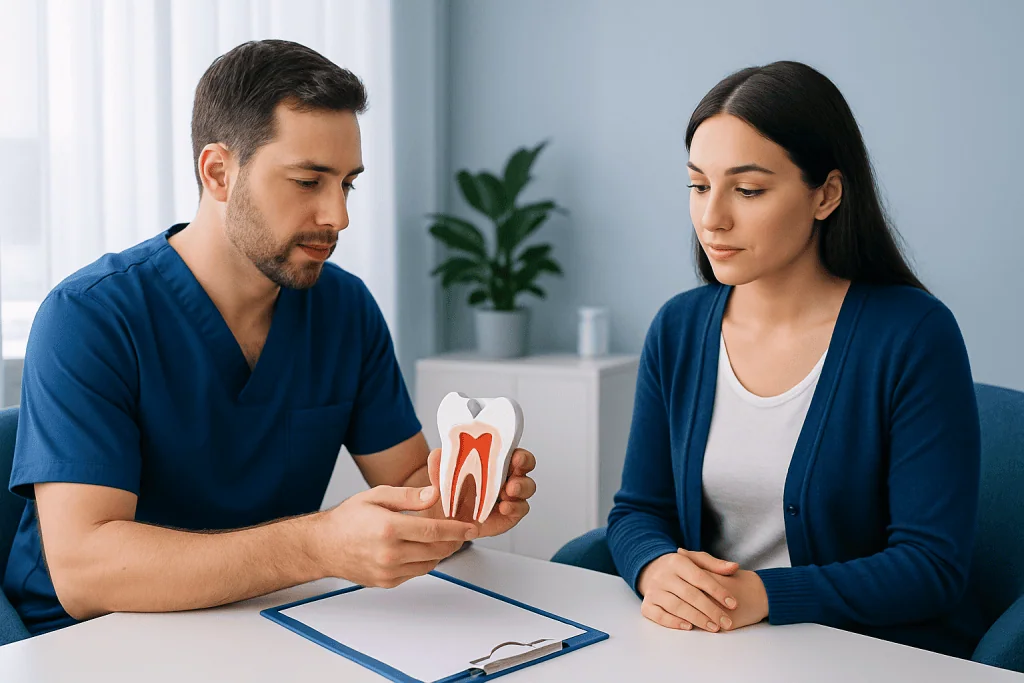
Dental decay develops when bacteria in the mouth feed on sugars and produce acids that weaken tooth enamel. Over time, repeated acid exposure can create a cavity. If this area is not treated, the decay can spread deeper into the tooth and eventually affect the nerve or surrounding tissues.
Several factors raise the risk of needing fillings. Inadequate brushing and flossing allow plaque to build up along the teeth and gumline. Frequent snacking, sugary drinks, dry mouth, certain medications, gum recession, and crowded teeth can also make cleaning more difficult and increase decay risk. Older adults may be more prone to root decay because exposed root surfaces are more vulnerable.
Habits such as tooth grinding can also damage enamel and existing restorations, making teeth easier to break down over time. In some patients, dentists also look for related problems such as bruxism or signs of gum disease, because overall oral health affects how long a filling will last. Preventive care and regular visits for dental hygiene can help identify these risks before they lead to larger dental problems.
How dentists decide if same-day treatment is suitable
The first step is a careful dental examination. The dentist asks about symptoms, checks the tooth structure, and looks for signs of decay, fractures, worn fillings, or gum problems. Many patients also need X-rays to show how deep the cavity is and whether it is close to the nerve or hidden between teeth.
If the decay is small to moderate and the tooth is structurally stable, same-day filling treatment is often appropriate. This is especially true for many front teeth and back teeth with limited damage. Modern materials and techniques can usually restore the tooth in a single visit, often with local anesthesia to keep the procedure comfortable.
If the dentist finds a large crack, deep decay, an abscess, or significant loss of tooth structure, they may recommend another plan. This could include a temporary filling, a crown, or treatment through general dentistry that addresses the underlying issue first. The decision is based on preserving the tooth safely and choosing a restoration that is likely to last.
The filling procedure and materials used
A typical filling appointment begins with numbing the area if the tooth is sensitive or the cavity is beyond the very outer enamel. The dentist then removes the decayed or damaged portion of the tooth, cleans the space, and places the filling material in layers or as a prepared restoration, depending on the type used. The final step is shaping and polishing the tooth so the bite feels natural.
Tooth-colored composite resin is one of the most common materials for modern fillings. It bonds directly to the tooth and blends with natural enamel, making it a popular option for visible areas and many back teeth. Other materials may still be used in selected situations, depending on the size and location of the cavity, bite forces, and the patient’s preferences.
Digital tools can improve precision when planning and placing restorations. Some clinics use advanced imaging and scanning as part of digital dentistry to evaluate tooth damage and guide care. The dentist will explain which material is most suitable, how long the procedure may take, and what to expect afterward.
Recovery, aftercare, and how long fillings last
Most people can return to normal daily activities shortly after a filling. Mild numbness from local anesthesia usually wears off within a few hours. Some temporary sensitivity to pressure, cold, or hot drinks can occur for a short time, especially if the cavity was deep, but this often improves as the tooth settles.
It is helpful to avoid chewing on the numb side of the mouth until feeling fully returns. Keeping the area clean, brushing gently with fluoride toothpaste, and flossing daily support healing and reduce the chance of new decay around the restored tooth. If the bite feels high or uneven after the filling, the dentist can usually adjust it quickly.
How long a filling lasts depends on the material, tooth position, bite pressure, oral hygiene, and whether a person grinds their teeth. Small fillings in well-cared-for teeth may last for many years, while larger fillings may need replacement sooner. Regular checkups help the dentist monitor for wear, leakage, or recurrent decay before symptoms become more troublesome.
When a filling is not enough
Sometimes a tooth appears to need a filling, but the examination shows that the damage is too extensive for a simple repair. If decay has reached the pulp, the inside of the tooth where the nerves and blood vessels are located, a root canal treatment may be needed to remove infection and save the tooth. A very weak tooth may also need a crown for support after decay is removed.
A filling may also be unsuitable if the tooth has a major fracture below the gumline or if there is widespread gum disease affecting the tooth’s stability. In these cases, the dentist may discuss several options and explain the benefits and limitations of each one. Early assessment is valuable because it often allows more conservative treatment.
Patients with sudden severe pain, facial swelling, bleeding after trauma, or a broken tooth should not delay care. These situations may require prompt assessment through dental emergency and trauma services rather than a routine filling appointment. Near the end of the care pathway, some international patients may also choose evaluation at Acibadem International, where multidisciplinary dental specialists in JCI-accredited hospitals diagnose and treat a wide range of oral health conditions.
Prevention and when to see a dentist
The best way to reduce the need for fillings is to prevent decay before it starts. Brushing twice daily with fluoride toothpaste, cleaning between the teeth with floss or interdental brushes, and limiting frequent sugary snacks and drinks are simple but effective steps. Regular dental visits are also important because dentists can find early decay before it causes pain.
People should arrange a dental appointment if they notice sensitivity that does not go away, a chipped or rough tooth, food trapping in one area, or a visible spot or hole. A routine visit is also wise after losing an old filling, even if there is little pain, because the tooth may be vulnerable to further damage or infection.
Prompt care usually means simpler treatment. A small cavity may be restored in one visit, while delaying can allow decay to deepen and lead to more involved procedures. For anyone searching for “dental fillings near me,” choosing a qualified dentist for timely assessment is the most reliable way to know whether same-day treatment is possible and appropriate.
Frequently asked questions
Can a cavity be filled on the same day?
Yes, many cavities can be filled on the same day, especially if they are small to moderate and the tooth is otherwise stable. The dentist usually confirms this after an examination and often X-rays. If the decay is deep or the tooth is cracked, another treatment may be recommended instead.
How long does a same-day filling appointment take?
A simple filling appointment often takes less than an hour, although timing depends on the number of teeth involved and how complex the cavity is. Additional time may be needed for X-rays, anesthesia, or discussing treatment options. Larger or multiple fillings can take longer.
Do dental fillings hurt?
The procedure is usually well tolerated, and local anesthesia is often used to numb the area. Most patients feel pressure or vibration rather than pain during treatment. Some mild sensitivity afterward can happen, but it often improves within days to a short period.
What type of filling is most commonly used?
Tooth-colored composite resin is commonly used because it can match the natural tooth and bond well to the tooth structure. The best material depends on the cavity size, tooth location, bite pressure, and the patient's needs. A dentist can explain which option is most suitable in each case.
When is a filling not enough for a damaged tooth?
A filling may not be enough if the decay is very deep, the tooth is badly cracked, or there is infection involving the pulp. In those situations, a crown, root canal treatment, or another procedure may provide better long-term support. An exam helps determine the safest option.
Can I eat after getting a filling?
Many patients can eat once numbness wears off, though the dentist may advise avoiding very hard or sticky foods for a short time. If the mouth is still numb, it is safer to wait to avoid biting the cheek or tongue. Following aftercare advice can make recovery more comfortable.
References
- American Dental Association
- National Institute of Dental and Craniofacial Research
- NHS
- Mayo Clinic
- FDI World Dental Federation
This article is for general information only and is not a substitute for professional medical advice. Please consult a qualified doctor about your individual situation.
Dental Fillings in Turkey — costs, top hospitals & a free quote
JCI-accredited · board-certified surgeons · reply within 24h
Add us as a Preferred Source to see more of our trusted health content across Google Search, AI Overviews and Discover.

Dental & Oral Health
Full-scope dental care from implants and aesthetics to oral and maxillofacial surgery.
151 specialists in this unitRelated Treatments
More from the Health Library



Related Specialists

Assoc. Prof. Dr. Ferit Bayram
Oral & Dental Health
Assoc. Prof. Dr. Yeliz Çavuşoğlu Yüce
Oral & Dental Health
Assoc. Prof. Dr. Mutlu Keskin
Oral & Dental Health
Prof. Dr. Ülkü Noyan
Oral & Dental Health