Dental implants Before & After: What Realistic Results Look Like
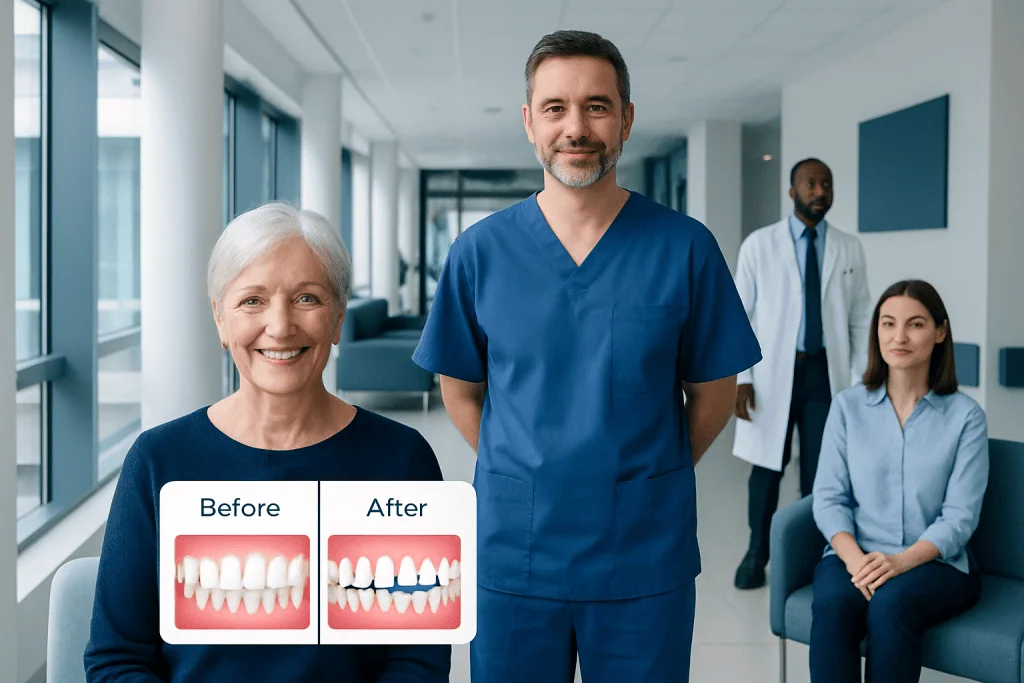
After a completed implant, most patients have a fixed replacement tooth that functions and looks close to a natural one, though the final result takes months, not days. Treatment involves surgery, a bone-healing period and a final crown or denture. Suitability, timeline and appearance vary, so an assessment by a dentist or oral surgeon comes first.
Key Takeaways
- Dental implants replace a missing tooth root with a titanium or ceramic post that supports a crown, bridge or denture.
- The final result usually develops in stages because the implant needs time to integrate with the jawbone.
- Healthy gums, adequate bone and control of medical conditions support predictable healing and long-term function.
- Temporary teeth may be used during treatment, but their appearance and function can differ from the final restoration.
- Implants can last many years with regular dental care, although crowns and other components may eventually need maintenance or replacement.
You smile in a photo, notice the gap, and start wondering what a replacement tooth would actually look like on you. That’s usually the moment people start searching for dental implant before-and-after pictures.
Here’s the honest version: dental implants before and after treatment commonly show a stable, natural-looking replacement tooth and improved ability to chew and speak. But the result isn’t magic. It depends on healthy healing, enough jawbone, careful planning and ongoing oral hygiene, rather than an instant cosmetic change.
Dental Implants Before and After: What Changes Realistically
Dental implants before and after treatment can look and feel like a major improvement for people with one or more missing teeth. A completed implant restoration may fill a visible gap, support clearer speech, improve chewing comfort and help maintain the shape of the jaw and surrounding facial tissues. The aim is a tooth replacement that blends with the natural teeth in color, shape and bite.
The “after,” though, rarely happens overnight. Implant treatment includes assessment, placement of the implant post, a healing period and fitting of the final crown, bridge or denture. Some people receive a temporary tooth soon after surgery, while others need to wait until healing is further advanced. The timeline varies with the implant site, bone quality, gum health and whether extra procedures are needed.
What you can realistically expect is a comfortable, working tooth that is designed to look natural, though it will not feel identical to a natural tooth in every way. An implant cannot get a cavity, but the gums and bone around it need care for life. For a broader explanation of treatment choices, you can review dental implant treatment.
How Dental Implants Work
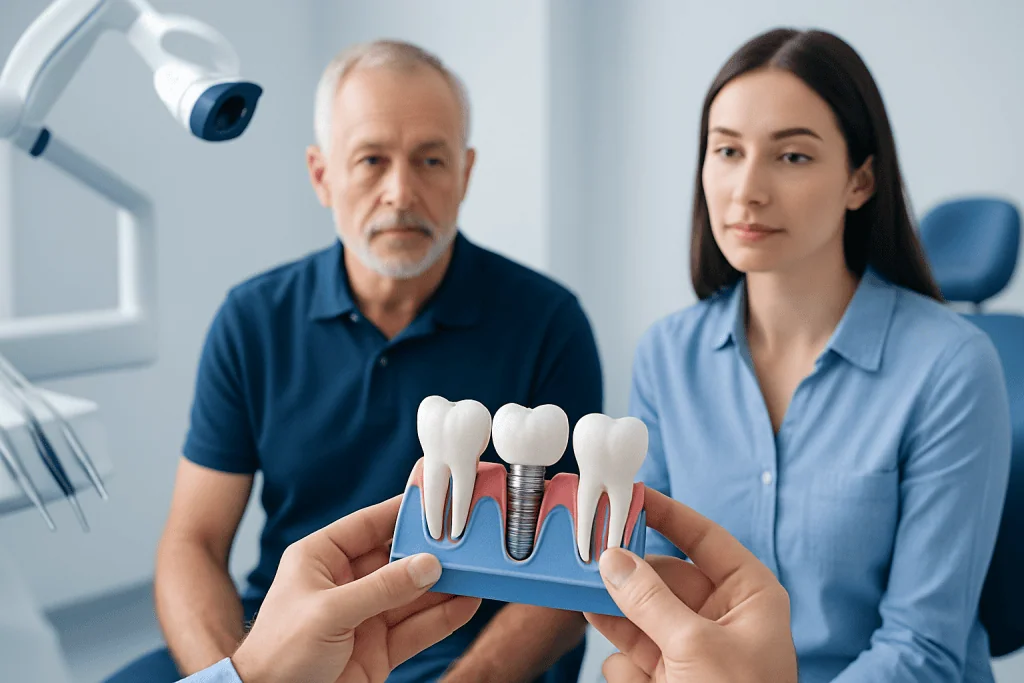
A dental implant is an artificial tooth root placed in the jawbone. Most implants are made from titanium, a material widely used because bone can grow closely around it. Some systems use ceramic materials. After placement, the bone gradually integrates with the implant through a process called osseointegration, creating a firm base for a replacement tooth.
Once the implant is stable, the dentist attaches a connecting component, often called an abutment, and then places the visible restoration. This may be a single crown for one missing tooth, a bridge for several missing teeth or a fixed or removable implant-supported denture for a full arch. The restoration is custom designed to work with the patient’s bite and surrounding teeth.
Implants do not rely on neighboring teeth for support in the same way as a conventional bridge. They may also reduce movement of an implant-supported denture. Still, they are not suitable for every person or every missing-tooth situation; the choice should follow a full dental examination and discussion of alternatives.
Who May Be a Candidate for Dental Implants

Many adults with missing teeth may be candidates for implants, provided their mouth and general health support surgery and healing. Key considerations include adequate jawbone volume, healthy or treatable gums, a stable bite and the ability to maintain daily oral hygiene. Modern planning and bone-grafting techniques can sometimes help people who have lost bone after a tooth has been missing for some time.
A dentist or oral and maxillofacial surgeon will also ask about smoking, medicines and health conditions. Diabetes that is not well controlled, untreated gum disease, significant immune suppression, heavy tobacco use and previous radiation therapy involving the jaws can affect healing or increase complications. These factors do not always rule out treatment, but they require individualized assessment and medical coordination where appropriate.
Teeth grinding or clenching may place extra force on an implant restoration. A night guard, bite adjustments or other measures may be recommended to protect the final result. Children and adolescents whose jaws are still growing are generally not candidates for routine implant placement until facial growth is complete.
- A suitable candidate has a carefully evaluated tooth gap, bite, gums and jawbone.
- Existing cavities or gum disease are usually treated before implant surgery.
- Commitment to check-ups and home care is essential for long-term implant health.
Step by Step: From Planning to the Final Tooth
Treatment starts with a consultation, dental examination and imaging, often including dental X-rays and three-dimensional scans. These records help the clinician assess bone volume, identify important structures such as nerves or sinus spaces, and plan the most appropriate implant position. Digital scans, photographs and shade selection may also be used to plan the appearance of the restoration.
If a damaged tooth needs removal, the implant may sometimes be placed at the same appointment. In other cases, the extraction site is allowed to heal first. When bone is insufficient, a bone graft or sinus-lift procedure may be advised before or at the time of implant placement. These additional steps can improve support but may extend the overall treatment timeline.
During implant placement, local anesthesia is commonly used, and some patients may also discuss sedation options where suitable. The clinician places the implant in the jawbone and closes or protects the site while healing begins. After an appropriate healing interval, an abutment and temporary or final restoration are fitted. Several visits may be needed to refine the bite, shape and color.
Before-and-after photographs can be useful for discussing what is achievable, but they should be viewed as examples rather than promises. Individual anatomy, gum contours, tooth color, bite forces and healing responses mean that each patient’s final result will differ.
Recovery Timeline and What to Expect
After implant placement, mild discomfort, swelling, bruising or minor bleeding can occur for a few days. The dental team provides individualized instructions on pain relief, food choices and cleaning around the surgical area. Soft foods are often easier initially, and patients should avoid disturbing the site or placing unnecessary pressure on it.
Early healing of the gum tissue may take days to weeks, while integration between bone and implant commonly takes several months. The exact timing depends on the location of the implant, the quality of bone, the type of restoration and whether bone grafting or other procedures were performed. A temporary restoration may be used during part of this period, but it may need dietary or biting precautions.
Once the final crown, bridge or denture is fitted, there can be a short adjustment period. The bite should feel balanced, and the restoration should not cause persistent pain or rubbing. Follow-up visits allow the dentist to review healing, cleanability and bite forces, and to make adjustments if needed.
Patients should contact their dental team promptly if they develop worsening pain after initial improvement, persistent swelling, fever, uncontrolled bleeding, a loose temporary tooth or implant, numbness that does not resolve as expected, or difficulty swallowing or breathing. Severe symptoms require urgent medical assessment.
Benefits, Limits and Possible Risks
When treatment is appropriately planned and maintained, dental implants can offer stable tooth replacement, more efficient chewing and improved confidence when smiling or speaking. They can be used to replace a single tooth without preparing the teeth beside the gap, or to support more extensive restorations. They may also help preserve jawbone in the area of a missing tooth by transmitting chewing forces to the bone.
There are real limits, too. Implant treatment is a surgical process, may involve several appointments and requires regular professional maintenance. The crown or denture attached to an implant can chip, loosen, wear or need replacement over time. The gums around the implant can recede in some cases, particularly in areas where gum tissue is thin or prior bone loss has occurred.
Possible complications include infection, delayed healing, lack of bone integration, damage to nearby structures, sinus-related concerns for upper-jaw implants, altered sensation and implant failure. Inflammation around implants can range from mucositis, which affects the gum tissue, to peri-implantitis, which involves bone loss. Good plaque control and regular reviews help detect problems early.
No dental procedure can promise you a particular cosmetic result or a lifelong one. Before you decide anything, a qualified clinician should walk you through the benefits and the limits as they apply to your mouth, your health history and what you want out of treatment.
Protecting the Result and When to Seek Medical Care
Looking after an implant is much like looking after your own teeth: brush thoroughly twice daily, clean between teeth and around the implant using tools recommended by the dental team, and attend routine dental examinations and professional hygiene visits. Smoking cessation, balanced nutrition and management of conditions such as diabetes can also support gum and bone health.
A night guard may be advised for people who grind or clench their teeth. Patients should avoid using implant crowns or bridges to bite hard objects, open packaging or chew ice. These habits can damage ceramic restorations or place excessive stress on the implant components.
Medical or dental care should be sought if there is new pain, bleeding gums, swelling, pus, a bad taste, recession around the implant, changes in the bite, or movement of the crown, bridge or denture. Early assessment is especially important because inflammation around implants may progress with few symptoms at first. Acibadem International’s multidisciplinary specialists and JCI-accredited hospitals provide dental implant assessment and treatment for international patients.
Frequently asked questions
How long does it take to see dental implants before and after results?
Visible improvement may begin when a temporary tooth is placed, but the final result often takes several months. The timeline includes healing of the gums and integration of the implant with the jawbone, followed by fabrication and fitting of the final restoration. Bone grafting or complex dental needs can extend treatment.
Do dental implants look like natural teeth?
A well-designed implant crown can closely match nearby teeth in color, shape and size. The gum line, tooth position, bone support and the condition of surrounding teeth also influence the final appearance. A dentist can discuss what is realistically achievable in a specific area of the mouth.
Is getting a dental implant painful?
Implant placement is usually performed with local anesthesia, so pain should be controlled during the procedure. Mild soreness and swelling are common afterward and generally improve over the first few days. The dental team can recommend safe, individualized measures for comfort.
Can anyone with a missing tooth get a dental implant?
Not everyone is immediately suitable, but many people can be evaluated for treatment. Healthy gums, sufficient bone, good oral hygiene and management of medical risks are important. Some people may need gum treatment, bone grafting or another dental solution instead.
How long do dental implants last?
With good planning and maintenance, implants can function for many years. Their long-term health depends on oral hygiene, routine follow-up, smoking status, bite forces and overall health. The visible crown or denture may need repair or replacement before the implant itself does.
What is the difference between an implant and a dental bridge?
An implant replaces the missing tooth root and supports a crown from within the jawbone. A conventional bridge is supported by neighboring teeth, which may need reshaping to hold the bridge. The best option depends on the number and location of missing teeth, bone and gum health, bite and personal preferences.
This article is for general information only and is not a substitute for professional medical advice. Please consult a qualified doctor about your individual situation.
Dental Implants in Turkey — costs, top hospitals & a free quote
7 JCI-accredited hospitals · board-certified surgeons · reply within 24h
Add us as a Preferred Source to see more of our trusted health content across Google Search, AI Overviews and Discover.

Medically reviewed by the Acıbadem International Medical Board — August 24, 2026
See our medical review board →
Update history
- PublishedAugust 21, 2026
- Medical review approvedAugust 24, 2026
- Last content updateAugust 24, 2026
References2
- Dental Health — MedlinePlus — medlineplus.gov
- Gum Disease — MedlinePlus — medlineplus.gov
Dental & Oral Health
Full-scope dental care from implants and aesthetics to oral and maxillofacial surgery.
151 specialists in this unitOral & Dental Health Specialists at Acibadem





More from the Health Library

Mastoid Disease: Early Signs, Risk Factors, and How It Is Treated

Robot-Assisted Chest Surgery Through Small Rib Incisions

Uterine Sarcoma Treatment Depends on Subtype and Stage

Yeast Infection: Symptoms, Causes, and Treatment Options

Dental bridge Before & After: What Realistic Results Look Like