Dental Schools: A Complete Medical Overview

Dental schools combine professional education with patient care in supervised clinic settings. Care is typically delivered by dental students, residents, or trainees under licensed faculty oversight.
Key Takeaways
- Dental schools combine professional education with patient care in supervised clinic settings.
- Care is typically delivered by dental students, residents, or trainees under licensed faculty oversight.
- Services often include exams, cleanings, X-rays, fillings, and referrals for more complex needs.
- Treatment may take longer than in a private clinic because it supports teaching and review.
- People with pain, swelling, trauma, fever, or difficulty swallowing should seek prompt medical or dental care.
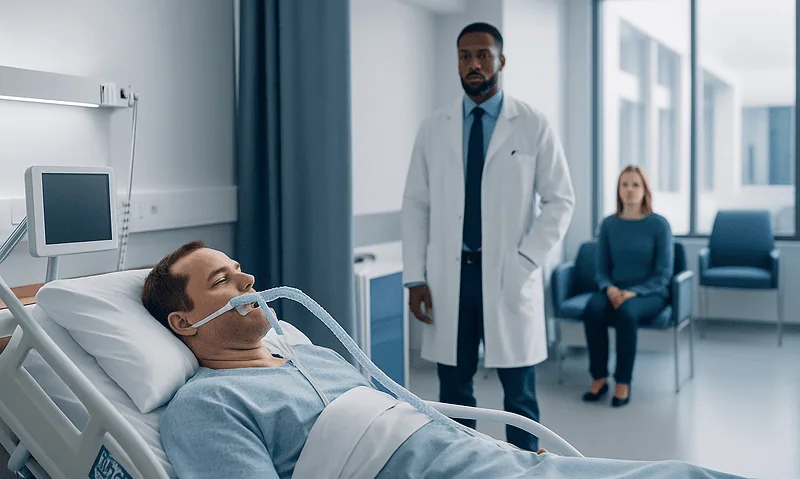
Dental schools are accredited institutions that train future dentists while also providing supervised oral health services to the public. For many patients, they are a structured setting for examinations, preventive care, and selected treatments, with oversight from licensed dental professionals.
Overview: What Dental Schools Are and How They Work
Dental schools are accredited academic institutions where future dentists, dental hygienists, specialists, and researchers receive clinical training. In many schools, patients can book appointments for preventive, diagnostic, and restorative care delivered by students or residents under close supervision from licensed dental faculty. This means dental schools are not simply classrooms; they are also organized healthcare environments with standards for safety, record keeping, and treatment planning.
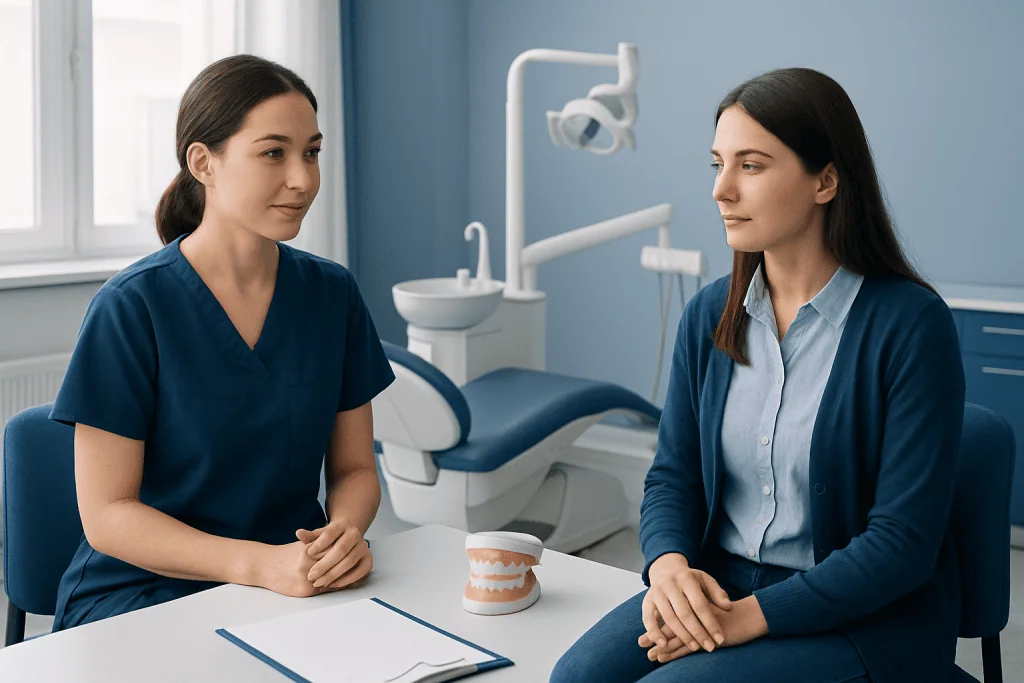
For patients, a dental school clinic can serve as a place to receive oral health care while contributing to professional education. Visits commonly begin with an assessment of dental history, current symptoms, medications, and oral hygiene habits. From there, the care team may recommend examination, imaging, cleaning, treatment, or referral to a specialist service, depending on the person’s needs.
One important difference from a typical private dental office is that teaching takes place alongside treatment. Students discuss cases with faculty, treatment plans are reviewed, and procedures are monitored step by step. Because of this educational structure, appointments can be longer, and care may be divided across several visits. For many patients, this slower pace is balanced by detailed evaluation and multidisciplinary input.
Who Provides Care in Dental School Clinics
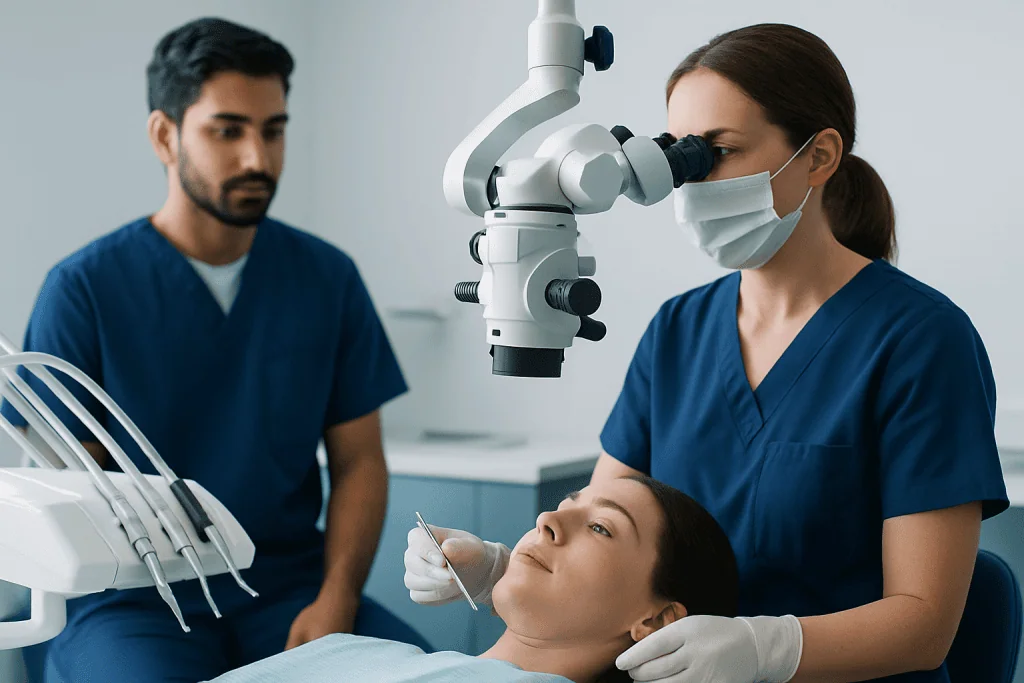
Care in dental schools may be delivered by different levels of trainees. Depending on the clinic, patients may be treated by dental students, dental hygiene students, postgraduate residents, or specialty trainees in areas such as orthodontics, periodontics, pediatric dentistry, oral surgery, or prosthodontics. Licensed faculty dentists supervise the work, confirm diagnoses, and approve treatment decisions.
Supervision is a key part of the model. Before and during treatment, faculty members check findings, review X-rays, monitor infection control, and guide procedural steps. In many clinics, treatment cannot proceed until a supervising dentist has examined the patient or signed off on the plan. This oversight helps protect patient safety and supports evidence-based care.
Dental school clinics may also work with other healthcare professionals when oral symptoms are linked to broader medical issues. For example, mouth sores, gum disease, jaw pain, or infections can sometimes relate to systemic illness, medication effects, or nutritional factors. In these situations, the patient may be referred for additional assessment, including gum disease evaluation or specialist treatment such as dental implant treatment when appropriate after oral health stabilization.
What Services Dental Schools Commonly Offer
Services vary by institution, but most dental schools provide a broad range of routine oral health care. Common offerings include comprehensive exams, dental X-rays, preventive counseling, professional cleanings, fluoride treatments, fillings, simple tooth extractions, and care for gum problems. Some schools also offer specialty services such as root canal treatment, crowns, dentures, orthodontic assessment, oral surgery, and pediatric care.
Dental schools can be especially useful for people who need coordinated evaluation across several areas of dentistry. Because many specialties are located in the same institution, a patient with tooth decay, bite concerns, and gum disease may be assessed within one system. This can be helpful when treatment needs are complex or when a case benefits from input from more than one specialty.
Not every condition can or should be treated in a teaching clinic. Some urgent or highly complex cases may need hospital-based care, emergency management, or referral to specialist units. For example, severe jaw alignment problems may eventually be directed toward jaw surgery, while advanced tooth loss may require All-on-4 dental implant care after full assessment and planning.
- Preventive care: exams, cleanings, sealants, fluoride
- Diagnostic care: X-rays, bite assessment, oral cancer screening
- Restorative care: fillings, crowns, dentures, selected root canal treatment
- Specialty support: periodontal, orthodontic, pediatric, and prosthodontic referral pathways
Benefits and Limitations for Patients
Dental schools can offer several advantages. Patients may receive thorough evaluations, careful treatment planning, and access to multiple dental specialties in one setting. Because teaching clinics follow academic and regulatory standards, they often use structured documentation and faculty review. This can support a methodical approach, especially for patients with several oral health concerns at the same time.
Another potential benefit is that dental school clinics may be open to a wide range of patients, including those seeking routine prevention or a second opinion. Some people also appreciate the educational atmosphere, where clinicians may spend additional time explaining diagnoses, oral hygiene techniques, and long-term care goals. A clearer understanding of treatment can help patients take a more active role in protecting their oral health.
At the same time, patients should know the limitations. Appointments are often longer and may require repeat visits because instructors must review each stage of care. Scheduling can depend on the academic calendar, student availability, and case suitability for training. Also, highly urgent needs, severe infection, uncontrolled bleeding, facial injury, or extensive medical complexity may require referral outside the teaching clinic for faster or more specialized care.
How Patients Are Evaluated and Diagnosed
The first appointment at a dental school clinic usually focuses on assessment rather than immediate treatment. The team may ask about symptoms such as pain, sensitivity, bleeding gums, bad breath, swelling, loose teeth, dry mouth, or trouble chewing. Medical history is also important because conditions such as diabetes, heart disease, immune suppression, pregnancy, or the use of blood-thinning medicines can affect dental planning.
A clinical oral examination often includes checking the teeth, gums, tongue, cheeks, palate, bite, jaw joints, and soft tissues. X-rays may be recommended to identify cavities, bone loss, hidden infection, impacted teeth, or root problems that cannot be seen during a routine visual exam. In some cases, additional periodontal measurements, vitality testing, photographs, or study models are used to guide diagnosis.
Dental schools also play an important role in recognizing when oral symptoms may signal a more serious issue. Persistent ulcers, unexplained lumps, severe periodontal destruction, or spreading facial swelling may need urgent specialist review. If findings raise concern, patients can be directed for further management, including care related to oral cancer or advanced reconstructive and restorative planning.
Treatment, Follow-Up, and Self-Care
Once diagnosis is complete, the dental school team creates a treatment plan tailored to the patient’s needs. This commonly begins with urgent care and infection control if needed, followed by preventive measures, gum treatment, restoration of decayed teeth, replacement of missing teeth, and maintenance visits. The order of care matters, because successful long-term results often depend on first reducing plaque, inflammation, and untreated disease.
Follow-up is an essential part of care in teaching clinics. Because faculty review progress at each stage, patients may have several appointments to complete one treatment sequence. This can support quality control and allow the team to adjust the plan if healing, comfort, or oral hygiene needs change over time. Patients are usually encouraged to keep all scheduled visits and report any new symptoms promptly.
Daily self-care remains central whether treatment is done in a dental school or elsewhere. Patients should brush twice a day with fluoride toothpaste, clean between teeth regularly, limit frequent sugary foods and drinks, avoid tobacco, and attend routine checkups. If a person has ongoing gum inflammation, dry mouth, or repeated decay, the team may recommend more frequent monitoring and individualized prevention advice.
When to Seek Medical Care
Not every dental problem can wait for a routine teaching-clinic appointment. Prompt professional care is important for toothache that does not settle, facial swelling, pus discharge, bleeding that does not stop, fever with oral symptoms, or pain after trauma. These signs can suggest infection, injury, or another condition that needs timely treatment.
Urgent evaluation is also needed if there is difficulty swallowing, difficulty breathing, rapidly spreading swelling, numbness after facial injury, or a broken tooth with severe pain. Children, older adults, pregnant patients, and people with weakened immune systems may need earlier assessment because dental infections can worsen more quickly or affect general health.
Persistent mouth ulcers, white or red patches, lumps in the mouth, or unexplained jaw pain should also be examined if they do not improve. While many causes are benign, lasting changes in the mouth should not be ignored. Near the end of the care pathway, some international patients may choose comprehensive evaluation at centers such as Acibadem International, where multidisciplinary specialists in JCI-accredited hospitals diagnose and treat dental and related oral conditions.
Frequently asked questions
Are dental schools safe places to receive care?
Yes, dental schools are structured clinical environments where care is supervised by licensed dental professionals. Students and trainees work under faculty oversight, and treatment plans are typically reviewed before procedures are completed.
Do dental schools only provide basic dental services?
No, many dental schools provide both routine and specialty services. Available care may include exams, cleanings, fillings, gum treatment, extractions, dentures, and referrals for advanced procedures depending on the institution.
Why do appointments at dental schools sometimes take longer?
Teaching clinics often require extra time because students discuss findings with supervising dentists and each stage may be checked carefully. This educational process can make visits longer, but it also supports detailed assessment and supervision.
Can a dental school help with urgent dental pain?
Some dental schools have urgent care or emergency dental services, but this varies. If there is severe pain, swelling, fever, trauma, or trouble swallowing or breathing, a person should seek urgent dental or medical care rather than wait for a routine appointment.
Who may benefit most from a dental school clinic?
People needing comprehensive evaluation, preventive care, or coordinated input from several dental specialties may benefit. Dental schools can also be helpful when a patient wants a structured treatment plan with faculty oversight.
Do dental schools treat children and older adults?
Many do, especially those with pediatric dentistry and geriatric oral health services. However, age-specific care depends on the school’s departments, staffing, and clinic policies, so it is best to ask the clinic in advance.
This article is for general information only and is not a substitute for professional medical advice. Please consult a qualified doctor about your individual situation.
Explore treatments in Turkey — costs, top hospitals & a free quote
JCI-accredited · board-certified surgeons · reply within 24h
Add us as a Preferred Source to see more of our trusted health content across Google Search, AI Overviews and Discover.

More from the Health Library

Understanding Bumps on Testicles and New Lumps

Fitt Principle: A Complete Medical Overview
Sunscreen Is Best: What Patients Need to Know

Ercp Procedure: What Patients Need to Know

Maisonneuve Fracture: A Complete Medical Overview