Dermoid Cyst Ovary: What Patients Need to Know

A dermoid cyst ovary is usually non-cancerous and often found during a routine pelvic exam or ultrasound. Small cysts may only need follow-up, while larger or symptomatic cysts are more likely to need surgery.
Key Takeaways
- A dermoid cyst ovary is usually non-cancerous and often found during a routine pelvic exam or ultrasound.
- Small cysts may only need follow-up, while larger or symptomatic cysts are more likely to need surgery.
- Sudden severe pelvic pain can signal ovarian torsion and needs urgent medical evaluation.
- Ultrasound is the main test used to diagnose and monitor an ovarian dermoid cyst.
- Treatment aims to relieve symptoms, prevent complications, and preserve ovarian tissue when possible.
A dermoid cyst ovary is a common type of usually benign ovarian cyst made from germ cells, so it can contain different tissue types such as hair, skin, or fat. Many cause no symptoms and are found by chance, but some need treatment if they grow, cause pain, or lead to complications such as ovarian torsion.
Overview: what a dermoid cyst ovary is
A dermoid cyst ovary is a type of ovarian cyst that develops from germ cells, the cells that can form different kinds of body tissue. Because of this, the cyst may contain materials such as hair, skin, fat, or other tissue. The medical term often used is mature cystic teratoma.
In most cases, this cyst is benign, meaning it is not cancer. It often grows slowly and may not cause any symptoms for a long time. Many people only learn they have one when imaging is done for another reason or during a routine gynecologic evaluation.
Although dermoid cysts are usually not dangerous, they are important because they can sometimes become large, cause discomfort, or twist the ovary. This article focuses on what patients commonly want to know: how these cysts feel, how doctors confirm the diagnosis, and when treatment is recommended.
How it may feel: symptoms and possible complications

Many people with a dermoid cyst ovary have no symptoms at all. When symptoms do happen, they are often mild and may include a feeling of pelvic pressure, bloating, fullness in the lower abdomen, or intermittent pelvic pain on one side. Some notice discomfort during exercise, sexual activity, or around the time of a pelvic exam.
Symptoms can become more noticeable as the cyst gets larger. A larger cyst may press on nearby organs and lead to urinary frequency, constipation, or a visible increase in abdominal fullness. These symptoms are not specific to dermoid cysts and can overlap with those of other ovarian cysts.
The main complication doctors watch for is ovarian torsion, which means the ovary twists around its supporting tissues. This can suddenly reduce blood flow and causes severe pelvic pain, often with nausea or vomiting. Less commonly, a dermoid cyst can rupture, become infected, or in rare cases show cancerous change.
- Mild or intermittent one-sided pelvic pain
- Pelvic pressure, heaviness, or bloating
- Pain that worsens with movement or activity
- Sudden severe pain with nausea or vomiting, which needs urgent care
Why dermoid cysts happen and who is more likely to have one

Dermoid cysts form from reproductive germ cells that are present from early development. For reasons that are not always clear, one of these cells begins to grow into a cyst containing mature tissue. This is not caused by anything a person did or did not do, and it is not linked to poor hygiene, diet, or sexual activity.
These cysts are most often diagnosed during the reproductive years, but they can occur at other ages as well. They may affect one ovary or, less commonly, both ovaries. A person can have a dermoid cyst without any family history or prior gynecologic problems.
Unlike some ovarian conditions, a dermoid cyst ovary is not usually driven by hormones in the same way as functional cysts. It also differs from endometriosis, which can cause ovarian cysts called endometriomas with a different appearance and treatment plan. Knowing the exact type of cyst matters because management and long-term follow-up can differ.
How doctors diagnose a dermoid cyst ovary
Diagnosis usually begins with a medical history and pelvic examination. If a doctor suspects an ovarian cyst, imaging is the next step. Ultrasound is the main test because it is widely available, does not use radiation, and often shows the distinctive features of a dermoid cyst.
A dermoid cyst can have a very characteristic appearance on ultrasound because it may contain fat, calcification, or mixed tissues. Sometimes the findings are straightforward, while in other cases additional imaging such as MRI or CT may help clarify the diagnosis, especially if the cyst is large or its features are not typical.
Blood tests are not always needed, but they may be used in certain situations, such as when the diagnosis is uncertain or surgery is being considered. Doctors look at several factors together, including the patient’s age, symptoms, the cyst’s size, and whether it appears stable over time. If another cause of pelvic pain is possible, the doctor may also consider conditions such as polycystic ovary syndrome or other gynecologic disorders.
Treatment options: monitoring, surgery, and preserving the ovary
Treatment depends on the size of the cyst, symptoms, imaging findings, age, and plans for future fertility. Small cysts that are not causing problems may simply be monitored with repeat examinations and ultrasounds. This approach may be appropriate when the cyst looks benign and remains stable.
If the cyst is large, painful, growing, or raises concern for complications, surgery may be recommended. The goal is often to remove the cyst while preserving as much healthy ovarian tissue as possible. This is especially important for people who want to maintain fertility.
Many dermoid cysts can be removed with minimally invasive laparoscopic surgery, which typically uses small incisions and may support a smoother recovery. In some situations, a larger incision may be safer, such as with a very large mass or concern about rupture or malignancy. Depending on the case, treatment may involve ovarian cyst surgery to remove only the cyst, or more extensive surgery if the ovary has been severely damaged by torsion.
If urgent symptoms suggest torsion, doctors may recommend emergency evaluation and surgery without delay. When surgery is planned, the team will explain the approach, possible findings, and how fertility-preserving decisions are made during the procedure.
Living with a dermoid cyst: self-care, fertility, and follow-up
For someone whose cyst is being monitored, follow-up is an important part of care. Repeat imaging helps confirm whether the cyst is stable in size and appearance. It is helpful to keep a record of symptoms, especially changes in pain, abdominal fullness, or menstrual-related discomfort.
A dermoid cyst ovary does not automatically mean infertility. Many people with one cyst continue to ovulate normally and can become pregnant. However, if a cyst is large or surgery is needed, discussing fertility goals early helps doctors choose the most suitable treatment plan.
There is no proven lifestyle change that can make a dermoid cyst disappear. General healthy habits such as regular exercise, balanced nutrition, and attending routine gynecologic visits support overall pelvic health, but they do not replace medical follow-up. Over-the-counter pain relief may help mild discomfort, but persistent or worsening pain should be discussed with a doctor.
Near the end of the care pathway, some patients benefit from specialist review if imaging is unclear, symptoms continue, or surgery is being considered. Acibadem International’s multidisciplinary specialists and JCI-accredited hospitals diagnose and treat this condition for international patients, including assessment for gynecologic care when needed.
When to seek medical care
Medical care should be sought promptly if pelvic pain is new, persistent, or getting worse. Even if a dermoid cyst has already been diagnosed, changes in symptoms can matter. A doctor can decide whether monitoring is still appropriate or whether more urgent treatment is needed.
Urgent evaluation is important for sudden severe lower abdominal or pelvic pain, especially if it comes with nausea, vomiting, fever, dizziness, or fainting. These symptoms can suggest ovarian torsion or another emergency and should not be ignored.
- Schedule a medical review for ongoing pelvic pressure, bloating, or repeated one-sided pain
- Seek urgent care for sudden severe pain, nausea, vomiting, or faintness
- Ask about follow-up imaging if a cyst has already been found
- Discuss fertility plans before any planned ovarian surgery
Frequently asked questions
Is a dermoid cyst ovary cancer?
Usually, no. A dermoid cyst ovary is most often a benign tumor called a mature cystic teratoma. Rarely, cancerous change can occur, which is one reason doctors assess the cyst’s appearance, size, and symptoms carefully.
Can a dermoid cyst ovary go away on its own?
Dermoid cysts generally do not disappear on their own the way some functional ovarian cysts can. Because they are made of mature tissue, they tend to remain present and may slowly grow over time. Some can be safely monitored if they are small and not causing symptoms.
How is a dermoid cyst ovary different from other ovarian cysts?
A dermoid cyst forms from germ cells and may contain tissues such as hair, fat, or skin. Other ovarian cysts may develop as part of the menstrual cycle or from conditions such as endometriosis. The type of cyst affects both its ultrasound appearance and its treatment plan.
Does a dermoid cyst ovary always need surgery?
No. Some dermoid cysts can be observed with regular follow-up if they are small, appear benign, and are not causing symptoms. Surgery is more likely if the cyst is large, painful, growing, or creates a risk of torsion.
Can a dermoid cyst affect pregnancy or fertility?
Many people with a dermoid cyst can still conceive and have healthy pregnancies. However, a larger cyst can increase the risk of pain or torsion, and surgery may sometimes be recommended before or during reproductive planning. Fertility goals should be discussed with a gynecologist when choosing treatment.
What size dermoid cyst is considered concerning?
There is no single size that applies to every patient. Doctors look at size together with symptoms, growth over time, and imaging features. Larger cysts are generally more likely to cause pressure symptoms or ovarian torsion, which may make surgery more appropriate.
This article is for general information only and is not a substitute for professional medical advice. Please consult a qualified doctor about your individual situation.
Hair transplant in Turkey — costs, graft counts & a free assessment
JCI-accredited · board-certified surgeons · reply within 24h
Add us as a Preferred Source to see more of our trusted health content across Google Search, AI Overviews and Discover.

More from the Health Library

Foot Exercises: A Complete Medical Overview

Slap Tear Shoulder: What Patients Need to Know

Restlessness: What Patients Need to Know

Hib Vaccine: A Complete Medical Overview

Ear Acupuncture: What Patients Need to Know

Sedation: What Patients Need to Know
Gynecology & Obstetrics Specialists at Acibadem
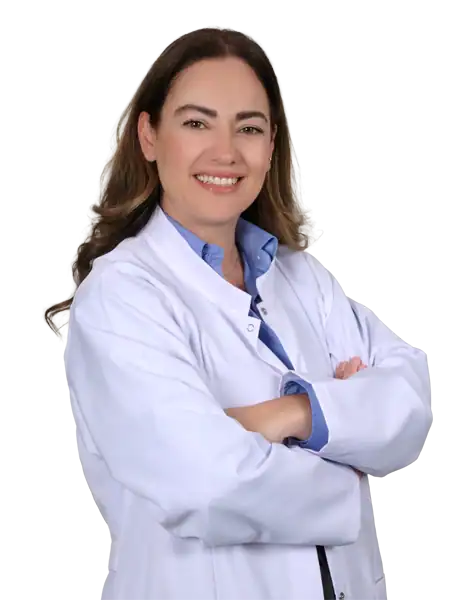
Dr. Ceyda Perçinoğlu
Gynecology & Obstetrics
Dr. Cihan Deniz Keleş
Gynecology & Obstetrics
Dr. Civan Kalafat
Gynecology & Obstetrics
Dr. Deniz Genç
Gynecology & Obstetrics