Diabetes Symptoms: Common Causes, Related Conditions, and When to See a Doctor

Common diabetes symptoms include thirst, frequent urination, fatigue, blurred vision, and unexplained weight changes. Symptoms can develop quickly in type 1 diabetes or more gradually in type 2 diabetes.
Key Takeaways
- Common diabetes symptoms include thirst, frequent urination, fatigue, blurred vision, and unexplained weight changes.
- Symptoms can develop quickly in type 1 diabetes or more gradually in type 2 diabetes.
- Not everyone has clear warning signs; some people learn they have diabetes through routine blood tests.
- Prompt medical care is important for severe symptoms such as vomiting, confusion, dehydration, or trouble breathing.
- Diagnosis usually involves blood glucose testing and may include an A1C test.
Diabetes symptoms commonly include increased thirst, frequent urination, fatigue, blurred vision, and slow healing, but some people have very mild or no noticeable symptoms at first. Recognizing patterns early can help a doctor diagnose diabetes, identify related conditions, and start treatment before complications develop.
Overview: What diabetes symptoms usually mean
Diabetes symptoms are the body’s way of signaling that blood glucose, also called blood sugar, may be too high. This can happen when the body does not make enough insulin, cannot use insulin well, or both. Insulin is the hormone that helps glucose move from the bloodstream into cells for energy.
The most recognized diabetes symptoms are increased thirst, frequent urination, tiredness, blurred vision, and slow healing of cuts or infections. Some people also notice unexplained weight loss, increased hunger, numbness or tingling in the hands and feet, or recurrent skin, gum, or urinary infections. In others, symptoms are subtle and easy to overlook.
Symptoms can vary depending on the type of diabetes and how quickly blood sugar rises. Type 1 diabetes often appears suddenly, while type 2 diabetes may develop gradually over months or years. A related condition called prediabetes may cause no clear symptoms at all, which is why screening matters for people with risk factors.
Common diabetes symptoms to watch for
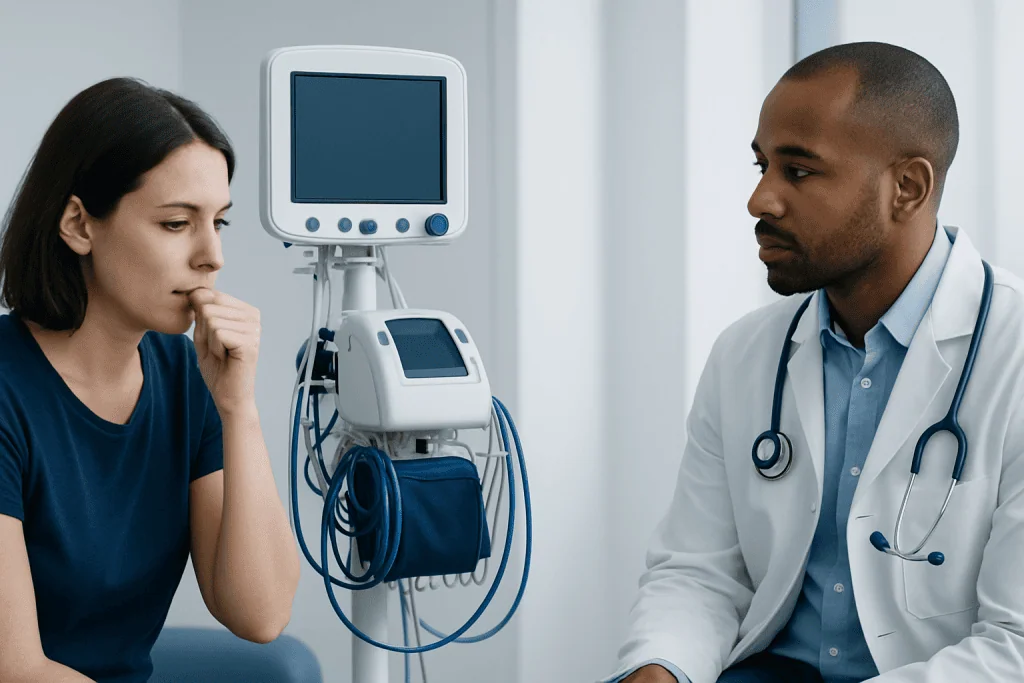
High blood sugar causes the kidneys to work harder to remove excess glucose, which leads to frequent urination. As more fluid is lost, the body becomes dehydrated, creating intense thirst. This combination is one of the most common early patterns seen in diabetes.
Fatigue is also common because the body’s cells are not getting glucose efficiently for energy. Some people feel unusually weak, sleepy, or less able to concentrate. Blurred vision may happen when high glucose levels affect fluid balance in the eyes, temporarily changing how clearly a person sees.
Other symptoms may include:
- Feeling hungrier than usual
- Unexplained weight loss, especially in type 1 diabetes
- Slow-healing cuts, sores, or bruises
- Frequent infections, such as skin, gum, or urinary tract infections
- Dry mouth or itchy skin
- Numbness, burning, or tingling in the feet or hands
These symptoms do not always mean diabetes, but they should not be ignored, especially when several occur together. A healthcare professional can determine whether diabetes, another hormonal condition, an infection, or a kidney problem may be responsible.
How symptoms differ in type 1, type 2, and gestational diabetes

Type 1 diabetes symptoms often begin over days to weeks. They can include marked thirst, frequent urination, weight loss, fatigue, and nausea. Because the body produces little or no insulin, symptoms may become serious quickly. In some people, the first sign is diabetic ketoacidosis, a medical emergency associated with vomiting, abdominal pain, dehydration, fruity-smelling breath, and rapid breathing.
Type 2 diabetes symptoms usually develop more slowly. A person may feel tired, thirsty, or notice blurry vision without realizing these changes are connected. Some people are diagnosed only after a routine blood test or after complications appear, such as numb feet, repeated infections, or delayed wound healing. Type 2 diabetes is also closely linked with excess weight, family history, and reduced physical activity, although it can affect people of many body types.
Gestational diabetes develops during pregnancy and often causes few obvious symptoms. It is usually found through prenatal screening rather than symptoms alone. Even when symptoms are absent, diagnosis is important because treatment helps protect both the pregnant person and the baby. After pregnancy, blood sugar may return to normal, but long-term follow-up is still important because future diabetes risk can remain higher.
Common causes and risk factors behind diabetes symptoms
Diabetes symptoms appear when blood glucose rises above the normal range. In type 1 diabetes, this happens because the immune system mistakenly attacks the insulin-producing cells in the pancreas. In type 2 diabetes, the body becomes resistant to insulin and may eventually fail to produce enough of it to keep blood sugar under control.
Several factors can increase the chance of developing diabetes or prediabetes. These include a family history of diabetes, being overweight or obese, physical inactivity, increasing age, a history of gestational diabetes, polycystic ovary syndrome, high blood pressure, and abnormal cholesterol levels. Certain ethnic backgrounds are also associated with higher risk, although diabetes can occur in anyone.
Symptoms can also be more likely to be noticed during times of physical stress, such as an infection, surgery, or use of medications that affect blood glucose. Long-term high blood sugar may contribute to related conditions including nerve damage, eye disease, kidney disease, and cardiovascular disease. If symptoms are present, evaluation can help identify whether the issue is diabetes itself or another endocrine condition such as diabetes mellitus in one of its forms.
Diagnosis and related conditions doctors may consider
Doctors diagnose diabetes using blood tests rather than symptoms alone. Common tests include fasting plasma glucose, random blood glucose in the right clinical setting, an oral glucose tolerance test, and the A1C test, which estimates average blood sugar over the previous two to three months. Urine tests may sometimes be used to look for ketones or other clues, but they do not replace standard blood testing.
During assessment, a doctor will also review symptoms, medical history, medications, pregnancy status, and family history. A physical examination may look for signs of dehydration, nerve changes, skin infections, or circulation problems. If diabetes is confirmed, additional tests may be recommended to check kidney function, cholesterol, blood pressure, and eye health.
Several other conditions can mimic or overlap with diabetes symptoms. These include urinary tract infections, overactive bladder, thyroid disorders, side effects from some medications, dehydration, and other hormone-related illnesses. In some cases, a person may also need evaluation for complications or associated problems, and care may involve specialists in endocrinology and metabolic diseases or diagnostic imaging when clinically appropriate.
Treatment options and symptom improvement
Treatment depends on the type of diabetes, the severity of symptoms, and the person’s overall health. The main goal is to bring blood sugar into a safer range and reduce the risk of short- and long-term complications. For type 1 diabetes, insulin is essential. For type 2 diabetes, treatment may include lifestyle changes, oral medications, injectable medicines, insulin, or a combination of these.
Many people notice that symptoms improve as blood sugar control improves. Thirst and frequent urination often lessen first, while blurry vision, fatigue, and slow healing may take longer to improve. If nerve-related symptoms or eye changes are already present, ongoing monitoring is especially important. Some patients benefit from coordinated care that may include nutrition counseling, glucose monitoring education, and support from diabetes treatment teams.
For people with obesity and type 2 diabetes, weight management can play an important role in symptom control and overall health. In selected cases, doctors may discuss structured obesity care or obesity surgery as part of a broader treatment plan. The right approach is always individualized, and no treatment should begin without a qualified medical evaluation.
Prevention and self-care: what helps before and after diagnosis
Not all diabetes can be prevented, especially type 1 diabetes, but many cases of type 2 diabetes can be delayed or managed more effectively with healthy habits. Regular physical activity, balanced meals, enough sleep, and weight management can all help the body use insulin more efficiently. Avoiding tobacco and keeping blood pressure and cholesterol in a healthy range also supports long-term health.
For someone who has symptoms, self-care starts with paying attention to patterns. It can help to note when symptoms began, whether they are getting worse, and whether there are related changes such as weight loss, repeated infections, or increased hunger. This information can make a medical visit more productive.
After diagnosis, self-care often includes home glucose monitoring if advised, taking medication as prescribed, attending regular follow-up appointments, and getting recommended eye, kidney, and foot checks. Education matters because daily routines strongly influence blood sugar control. Near the end of the care pathway, some international patients may seek evaluation at centers such as Acibadem International, where multidisciplinary specialists in JCI-accredited hospitals diagnose and treat diabetes and related metabolic conditions.
When to seek medical care
A doctor should be consulted if symptoms such as unusual thirst, frequent urination, fatigue, blurry vision, unexplained weight loss, or slow-healing sores persist or occur together. This is especially important for people with a family history of diabetes, a history of gestational diabetes, obesity, or other metabolic risk factors. Early testing can clarify the cause and allow treatment to begin before complications progress.
Urgent medical attention is needed if a person has vomiting, severe dehydration, confusion, drowsiness, rapid breathing, abdominal pain, or a fruity odor on the breath. These can be signs of dangerously high blood sugar or diabetic ketoacidosis, which requires immediate care. Pregnant individuals with possible diabetes symptoms should also contact their healthcare team promptly.
Even when symptoms seem mild, routine screening should not be delayed if risk factors are present. Diabetes can affect the eyes, kidneys, nerves, and heart long before symptoms become severe. A timely appointment can confirm whether diabetes or another condition is responsible and help prevent avoidable complications.
Frequently asked questions
What are the first diabetes symptoms many people notice?
Many people first notice increased thirst, frequent urination, and unusual tiredness. Blurred vision, increased hunger, and slow-healing cuts are also common early signs.
Can someone have diabetes symptoms without knowing it is diabetes?
Yes. Symptoms such as fatigue, recurrent infections, or blurry vision can be mistaken for stress, aging, or other health problems. Some people have no obvious symptoms and are diagnosed only through blood tests.
Do type 1 and type 2 diabetes symptoms feel different?
They can. Type 1 diabetes symptoms often appear suddenly and may become severe quickly, while type 2 diabetes usually develops more gradually. However, both types can cause thirst, frequent urination, fatigue, and vision changes.
Can diabetes symptoms come and go?
Yes, some symptoms may seem to fluctuate, especially early on or when blood sugar levels rise and fall. Even intermittent symptoms should be discussed with a doctor if they repeat or worsen.
Are there symptoms of prediabetes?
Prediabetes often causes no noticeable symptoms. Some people may have darkened skin in body folds or mild signs related to high blood sugar, but diagnosis usually relies on screening tests.
When should a person seek urgent care for diabetes symptoms?
Urgent care is important if symptoms include vomiting, confusion, dehydration, rapid breathing, abdominal pain, or fruity-smelling breath. These may signal a dangerous metabolic emergency that needs immediate treatment.
This article is for general information only and is not a substitute for professional medical advice. Please consult a qualified doctor about your individual situation.
Explore treatments in Turkey — costs, top hospitals & a free quote
JCI-accredited · board-certified surgeons · reply within 24h
Add us as a Preferred Source to see more of our trusted health content across Google Search, AI Overviews and Discover.

More from the Health Library

Sharp Pain in Breast: Common Causes, Related Conditions, and When to See a Doctor

Does Apple Cider Vinegar Lower Blood Pressure? Here Is What the Evidence Says

Does Spinach Have Protein? Here Is What the Evidence Says

Cranial Pain Behind Ear: Possible Causes and When to Seek Care

How to Slow Heart Rate? A Doctor-Reviewed Answer