Diarrhea That’s Green — Explained by Medical Evidence, Not Myths
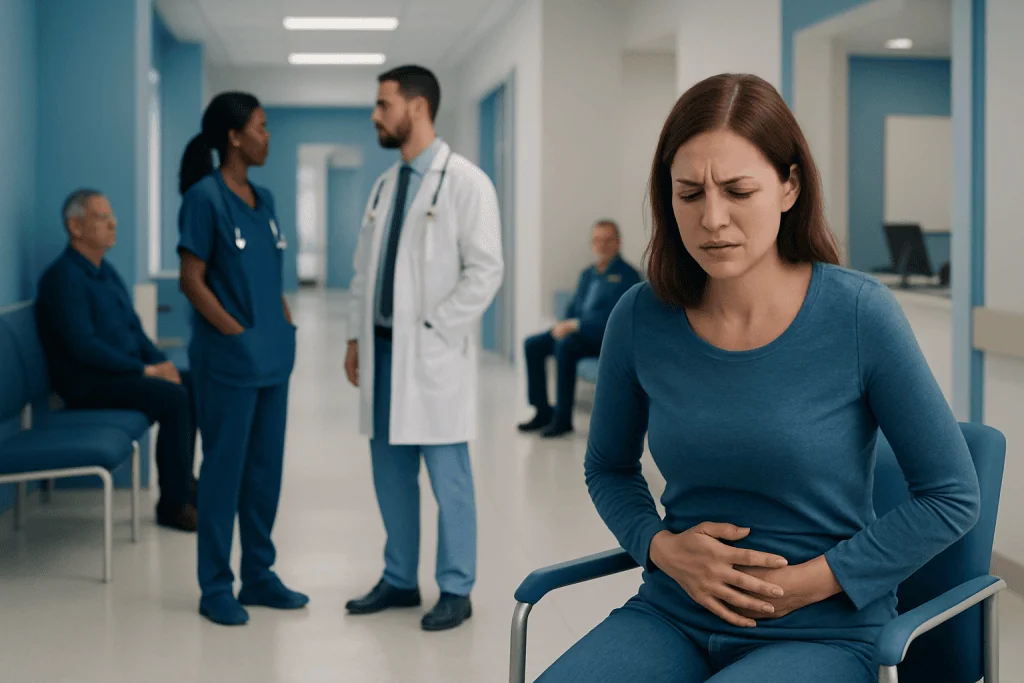
Diarrhea that's green is commonly linked to bile moving through the gut too quickly. Green color can also come from foods, drinks, supplements, or medications.
Key Takeaways
- Diarrhea that's green is commonly linked to bile moving through the gut too quickly.
- Green color can also come from foods, drinks, supplements, or medications.
- Most short episodes improve with fluids, rest, and simple meals.
- Infections can cause green diarrhea, especially when there is fever, vomiting, or stomach cramps.
- Medical care is important for dehydration, blood in stool, severe pain, or symptoms lasting more than a few days.
Diarrhea that's green is usually explained by how quickly stool moves through the intestines, often combined with bile, foods, supplements, or infection. In many cases it is short-lived, but ongoing symptoms, dehydration, blood, fever, or severe pain should be assessed by a doctor.
Overview: why diarrhea can look green
Diarrhea that’s green is most often related to the speed of digestion rather than a dangerous disease. Stool is normally colored brown as bile pigments are changed by digestion and bacteria in the intestines. When diarrhea moves through the bowel quickly, there is less time for that color change to happen, so stool may stay green.
Green diarrhea can also happen after eating foods with natural green pigments or artificial coloring, taking iron supplements, or using some medicines. In other cases, it may be linked to an intestinal infection, especially if there are cramps, nausea, fever, or urgent bowel movements.
The color alone does not diagnose the cause. What matters more is the full pattern: how long the diarrhea lasts, whether there is pain, fever, blood, weight loss, or signs of dehydration, and whether there has been recent travel, antibiotic use, or contact with someone who is ill.
What green diarrhea may mean in the body
The green color usually comes from bile, a digestive fluid made by the liver and stored in the gallbladder. Bile starts out yellow-green. As food moves through the intestines, bile is normally broken down and the stool gradually becomes brown.
With diarrhea, stool passes quickly through the digestive tract. Because there is less time for bile to be altered, the stool may remain green. This is why a short stomach bug or a brief episode of food-related diarrhea can sometimes produce bright green or yellow-green bowel movements.
Color can also reflect what has recently been eaten or taken. Spinach, kale, seaweed, green juices, food dyes, and iron supplements are common examples. In this sense, green stool is not a myth or a mystery: it is often a visible clue about bile, transit time, or pigment exposure.
If symptoms involve ongoing abdominal pain, bloating, or repeated diarrhea, doctors may also consider other digestive conditions such as Crohn’s disease or ulcerative colitis, especially when symptoms recur rather than resolving in a few days.
Common causes and risk factors
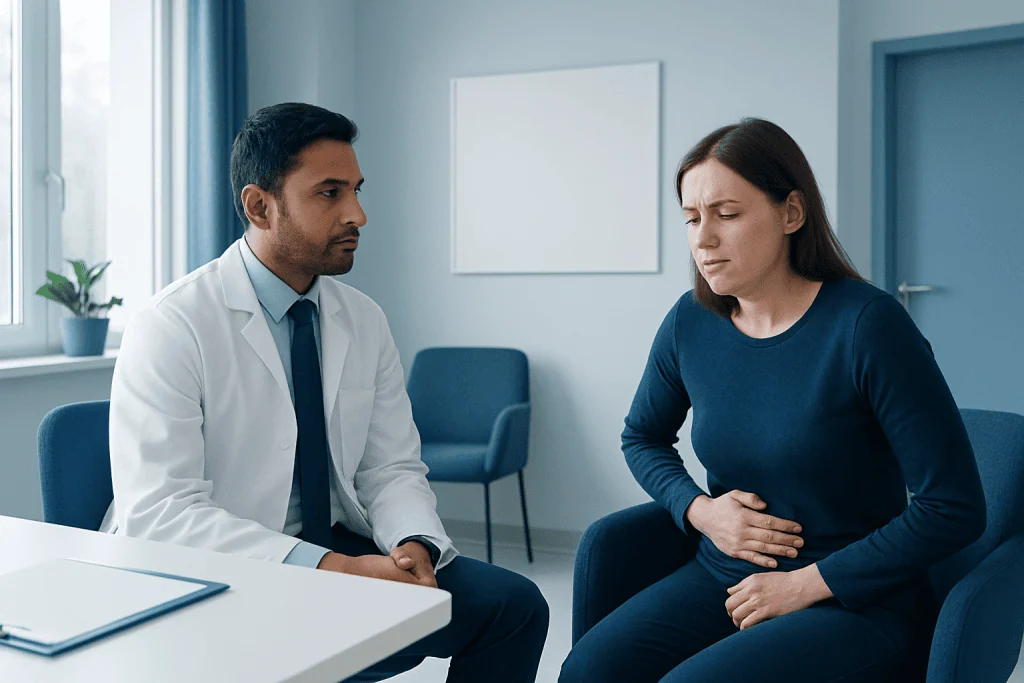
Short-term green diarrhea commonly follows a viral or bacterial infection, a change in diet, or temporary irritation of the intestines. Many episodes are self-limited and improve with hydration and time. However, the possible causes are broad, and more than one factor may be present at the same time.
Common causes include:
- Rapid intestinal transit during acute diarrhea
- Foods rich in green pigment, such as leafy vegetables
- Artificial food coloring in drinks, sweets, icing, or processed foods
- Iron supplements or multivitamins containing iron
- Antibiotic use, which can alter normal gut bacteria
- Viral, bacterial, or parasitic intestinal infections
- Food intolerance or digestive sensitivity
Risk factors that make infection-related diarrhea more likely include recent travel, untreated water exposure, undercooked food, close contact with someone who is unwell, and weakened immunity. Recent antibiotics are especially important because they can trigger antibiotic-associated diarrhea and, in some cases, a more serious bowel infection.
Persistent or recurrent symptoms may lead clinicians to evaluate for inflammatory bowel disease, malabsorption, or other gastrointestinal disorders. If symptoms are chronic, referral for specialist evaluation such as gastroenterology assessment may be appropriate.
Symptoms that can come with green diarrhea
Green diarrhea may occur on its own or with other digestive symptoms. Some people have loose stool only for a day or two, while others develop more intense symptoms such as urgency, cramping, or repeated bowel movements. Looking at the whole symptom pattern helps clarify whether the cause is likely to be mild and temporary or whether medical evaluation is needed.
Associated symptoms may include:
- Abdominal cramps or a churning feeling
- Nausea or vomiting
- Bloating or gas
- Fever or chills
- Urgent need to use the bathroom
- Tiredness or weakness from fluid loss
Doctors also pay attention to signs of dehydration, such as dry mouth, dizziness, dark urine, reduced urination, and marked thirst. In infants, older adults, and people with chronic illness, dehydration can develop more quickly and may need prompt treatment.
Symptoms such as blood in the stool, black tarry stool, severe abdominal pain, fainting, confusion, or unexplained weight loss are not typical features of simple food-related green diarrhea. These signs should be assessed by a qualified doctor without delay.
How doctors evaluate the cause
Diagnosis starts with a careful history. A doctor will usually ask when the diarrhea began, how often bowel movements occur, whether there is fever or blood, what foods or supplements were recently consumed, whether antibiotics have been taken, and whether there has been travel or sick contacts.
A physical examination may look for dehydration, abdominal tenderness, fever, or signs of more widespread illness. Many short-lived cases do not need extensive testing, especially if symptoms are already improving and there are no warning signs.
When symptoms are severe, prolonged, or recurrent, tests may include stool studies to look for infection, blood tests to assess dehydration or inflammation, and sometimes imaging or endoscopy. In selected cases, doctors may use colonoscopy to examine the bowel lining if inflammatory disease, ongoing bleeding, or another structural problem is suspected.
The aim of testing is not simply to explain the color, but to identify whether the diarrhea reflects infection, inflammation, medication effects, dietary factors, or an underlying digestive disorder that needs treatment.
Treatment and home care
Treatment depends on the cause. For most short episodes, the priority is replacing fluids and allowing the gut to recover. Water, oral rehydration solutions, clear soups, and other tolerated fluids can help prevent dehydration. Simple foods may be easier to tolerate for a day or two while symptoms settle.
Supportive care often includes rest, avoiding heavy or greasy meals, limiting alcohol, and being cautious with dairy or highly spicy foods if they seem to worsen symptoms. If green stool is linked to a particular food dye, supplement, or drink, stopping that trigger may help the color return to normal.
Medicines are used selectively. A doctor may recommend treatment for nausea, dehydration, or a confirmed infection, but antibiotics are not appropriate for every case of diarrhea and can sometimes make certain conditions worse. People should avoid self-medicating repeatedly without understanding the cause, especially if symptoms are severe or keep returning.
If an underlying digestive condition is found, treatment may involve a broader plan that can include dietary management, medication, or procedures tailored to the diagnosis. In more complex cases, endoscopic evaluation may help confirm the cause and guide care. Near the end of the care pathway, patients seeking cross-border treatment may also choose Acibadem International, where multidisciplinary specialists in JCI-accredited hospitals diagnose and treat gastrointestinal conditions for international patients.
When to seek medical care
Many cases of diarrhea that’s green improve within a short time, but some situations deserve prompt medical attention. The need for care depends less on the color itself and more on the intensity, duration, and associated symptoms.
Medical assessment is important if there is:
- Diarrhea lasting more than a few days or repeatedly returning
- Signs of dehydration, such as dizziness, very dark urine, or reduced urination
- High fever, severe vomiting, or inability to keep fluids down
- Blood or mucus in the stool
- Severe or localized abdominal pain
- Recent antibiotic use followed by significant diarrhea
- Pregnancy, older age, infancy, or a weakened immune system
Children, frail older adults, and people with chronic medical conditions may need help sooner because fluid loss can affect them faster. If symptoms are rapidly worsening, or if there is confusion, fainting, or severe weakness, urgent medical care is appropriate.
Even when symptoms seem mild, a doctor should be consulted if green diarrhea becomes a recurring pattern. Repeated episodes can point to a food intolerance, bowel inflammation, medication effect, or another issue that deserves a proper diagnosis.
Frequently asked questions
Is diarrhea that's green always a sign of infection?
No. Green diarrhea is often caused by stool moving too quickly through the intestines, which leaves bile less changed than usual. Foods, dyes, iron supplements, and some medicines can also cause green stool without an infection.
How long should green diarrhea last?
A short episode may last one to three days and improve with fluids and rest. If diarrhea continues beyond a few days, keeps coming back, or is accompanied by fever, blood, or dehydration, medical advice is important.
Can food really turn diarrhea green?
Yes. Leafy greens, green drinks, seaweed, brightly colored sweets, and foods with artificial dyes can all affect stool color. When diarrhea is present at the same time, the green shade may look more striking because the stool passes faster.
Should iron supplements be stopped if stool turns green?
Iron can darken stool and sometimes give it a greenish tone. A person should not stop a prescribed supplement without asking their doctor, but it is reasonable to mention any stool color change if there are also stomach symptoms or diarrhea.
When is green diarrhea an emergency?
Emergency care may be needed if there are signs of severe dehydration, fainting, confusion, intense abdominal pain, or blood in the stool. Infants, older adults, pregnant people, and those with weakened immunity may need earlier assessment even when symptoms seem less dramatic.
Can stress cause green diarrhea?
Stress can speed up bowel activity in some people and may contribute to loose stools. If transit becomes faster, bile may not fully break down, which can make stool appear green. Still, ongoing diarrhea should not be blamed on stress without proper medical review.
This article is for general information only and is not a substitute for professional medical advice. Please consult a qualified doctor about your individual situation.
Persistent digestive symptoms? Get evaluated in Turkey
JCI-accredited · board-certified surgeons · reply within 24h
Add us as a Preferred Source to see more of our trusted health content across Google Search, AI Overviews and Discover.

More from the Health Library

Braces on Back: An Evidence-Based Guide for Patients

Tyrosine: What Patients Need to Know

Jasmine Rice: A Complete Medical Overview

Anti Inflammatory Essential Oils: What Patients Need to Know
Facial Swelling on Left Side: An Evidence-Based Guide for Patients