Braces on Back: An Evidence-Based Guide for Patients
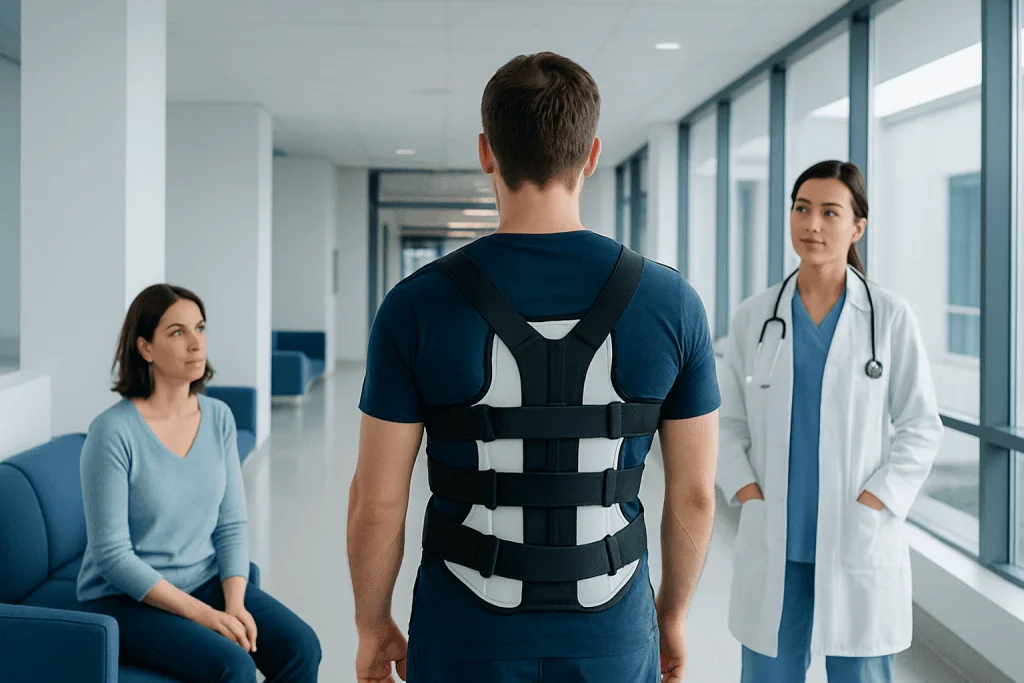
Braces on back may reduce strain, support healing, and improve comfort in some spine conditions. The best type of brace depends on the reason for use, such as muscle strain, fracture, scoliosis, or recovery after surgery.
Key Takeaways
- Braces on back may reduce strain, support healing, and improve comfort in some spine conditions.
- The best type of brace depends on the reason for use, such as muscle strain, fracture, scoliosis, or recovery after surgery.
- Long-term or unnecessary brace use may weaken supporting muscles if it replaces movement and rehabilitation.
- A proper medical assessment helps determine whether a back brace is useful, how long to wear it, and what other treatments are needed.
- Urgent symptoms such as weakness, numbness, fever, or loss of bladder or bowel control need prompt medical care.
Braces on back are supportive devices used to limit certain movements, improve posture, or help the spine heal after injury or surgery. They can be useful in selected situations, but they are not a cure for back pain and should match the person’s diagnosis, symptoms, and daily needs.
Overview: What braces on back are and when they help
Braces on back are external supports designed to stabilize part of the spine, reduce mechanical stress, or remind a person to maintain a safer posture during movement. They are often made from elastic fabric, semi-rigid panels, or rigid plastic shells, depending on how much support is needed. Some are intended for short-term use after an injury, while others are prescribed for a specific spinal condition.
For many people, a back brace can help ease discomfort during activity, especially when pain is linked to strain, poor posture, a recent injury, or recovery after a procedure. In these situations, the brace may reduce excessive motion and provide a sense of support. It can also help a person stay active enough to continue work, walking, or rehabilitation within a clinician’s advice.
At the same time, braces on back are not a one-size-fits-all solution. They do not treat every cause of back pain, and they usually work best as part of a broader plan that may include exercise, physical therapy, weight management, posture training, or treatment of an underlying disease. The main goal is not simply to wear a brace, but to use the right support at the right time for the right reason.
Common reasons people use a back brace
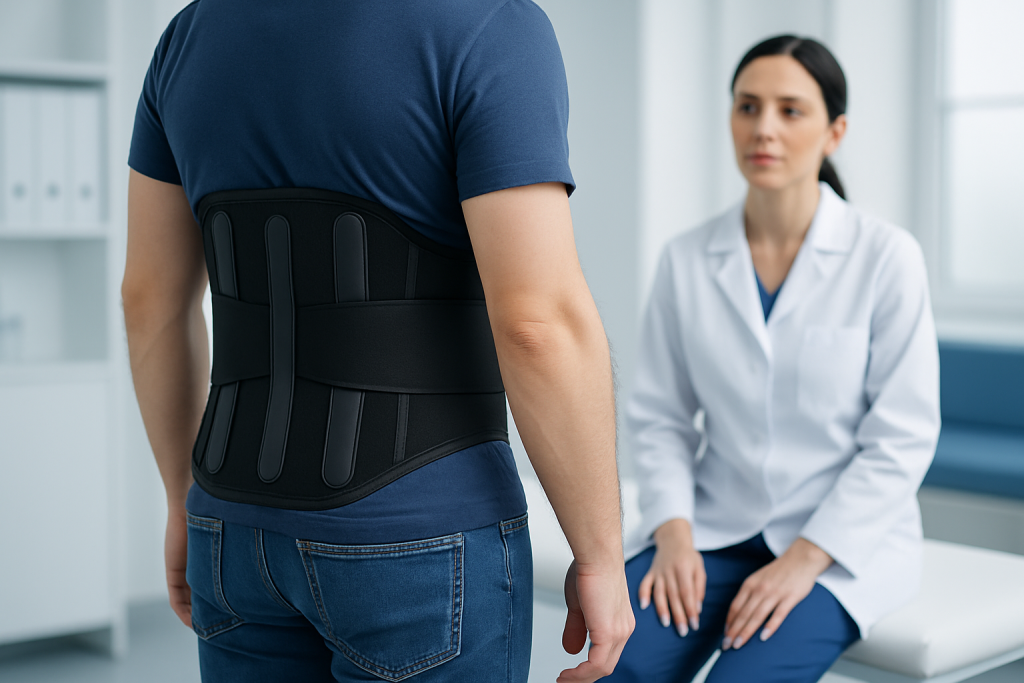
Back braces are used for several different purposes. A soft or elastic brace may be recommended for short-term support in acute low back strain, physically demanding work, or temporary flare-ups of chronic pain. A more structured brace may be used after spine surgery, after a vertebral fracture, or when a clinician wants to limit bending, twisting, or extension during healing.
Some children and adolescents wear spinal braces to help manage curvature disorders such as scoliosis, where a brace may slow progression while the spine is still growing. In older adults, bracing may be considered after compression fractures or in selected cases of osteoporosis-related spinal pain. Braces can also be used in certain inflammatory or degenerative spine conditions, but they are usually only one part of treatment.
Common clinical situations where braces on back may be considered include:
- Acute muscle strain or temporary mechanical low back pain
- Postoperative support after selected spine procedures
- Vertebral compression fracture or other stable spinal fractures
- Posture-related discomfort during work or prolonged sitting
- Adolescent scoliosis under specialist supervision
- Chronic conditions such as spinal degeneration in carefully chosen cases
Because the reason for bracing varies, the expected benefit also varies. One person may need pain relief during movement, another may need protection after surgery, and another may need controlled positioning of the spine during growth.
Types of braces on back
Back braces are usually grouped by how much support they provide. Soft braces are flexible and often made from elastic materials. They do not immobilize the spine, but they can provide compression, warmth, and gentle feedback that encourages better posture. These are commonly sold as lumbar support belts and are often used for short-term comfort.
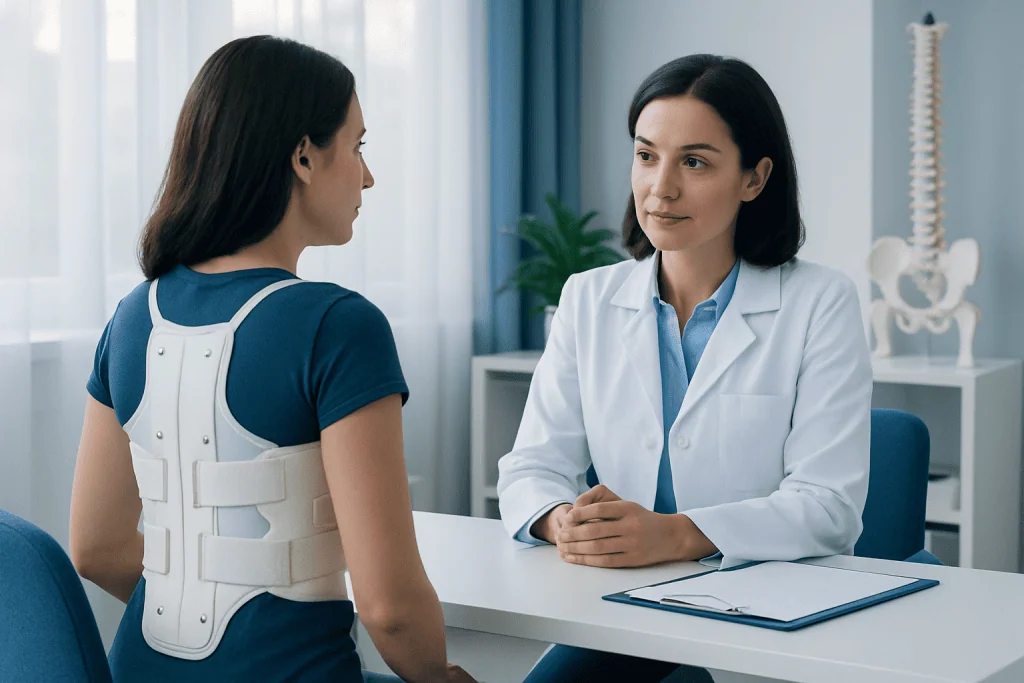
Semi-rigid braces combine fabric with stays or molded supports. They restrict motion more than soft braces and may help after an injury or during recovery from certain procedures. Rigid braces, including thoracolumbar braces, are designed to limit spinal movement much more strongly. These are generally fitted and prescribed for fractures, postsurgical care, or specific structural problems.
The part of the back being supported also matters. Some braces focus on the lower back, while others cover the thoracic and lumbar spine together. A clinician may choose a design based on pain location, posture, diagnosis, and body shape. A well-fitted brace should feel supportive without causing skin breakdown, breathing difficulty, or significant restriction beyond what is intended.
People sometimes assume a tighter brace is always better, but that is not the case. Too much compression can be uncomfortable and may not improve outcomes. The best brace is the one that matches the clinical need, fits properly, and is used for the planned duration rather than indefinitely.
Benefits, limits, and possible drawbacks
The main benefits of braces on back are support, symptom relief, and movement control. Some people feel less pain when standing, walking, lifting lightly, or changing position. Others benefit from the reminder to avoid twisting or slouching. In the postoperative setting, a brace may help protect healing tissues while a person gradually resumes activity under supervision.
However, research shows that back braces are not equally helpful for all causes of pain. A brace may improve comfort, but it does not correct every underlying problem. Pain linked to a herniated disc, spinal stenosis, inflammatory disease, or nerve compression often needs a wider treatment plan. In that setting, the brace may be supportive rather than definitive. Conditions such as herniated disc may require medical evaluation to decide whether bracing, rehabilitation, injections, or other care is appropriate.
There are also potential drawbacks. Wearing a brace too often or for too long may reduce confidence in normal movement and can contribute to deconditioning if it replaces exercise. Poor fit may cause chafing, pressure areas, or discomfort around the ribs, abdomen, or hips. Some people find braces hot or difficult to wear for long periods, especially during work or in warm climates.
For these reasons, clinicians usually recommend a time-limited and goal-directed approach. Bracing tends to work best when paired with core strengthening, mobility work, and treatment of the underlying condition rather than being used as a stand-alone long-term solution.
How doctors decide whether a brace is right
Choosing a back brace starts with identifying the cause of symptoms. A doctor will usually ask when the pain started, what makes it better or worse, whether there was an injury, and whether there are warning signs such as leg weakness, numbness, fever, or weight loss. The physical examination helps assess posture, tenderness, range of motion, muscle strength, reflexes, and signs of nerve involvement.
Imaging is not needed for every episode of back pain, but it may be useful when symptoms are severe, persistent, related to trauma, or associated with neurologic findings. Depending on the situation, evaluation may include X-rays, CT, or MRI. These tests help clarify whether the issue is muscular, structural, degenerative, inflammatory, or traumatic.
Once the diagnosis is clearer, the clinician can decide whether bracing is likely to help and what type is most suitable. This plan may be coordinated with rehabilitation specialists, orthopedists, or spine surgeons when needed. In more complex cases, treatment may involve spine surgery or physical therapy and rehabilitation rather than support alone.
A good treatment plan also includes instructions on fit, wear schedule, skin care, activity level, and follow-up. Patients should understand what improvement to expect, how long the brace is likely to be needed, and when to return if symptoms change.
Using a back brace safely and effectively
To use braces on back safely, it is important to follow the fitting and wear instructions closely. The brace should sit in the intended position and feel snug but not overly tight. If it slips, pinches, causes numbness, or makes breathing uncomfortable, it may need adjustment. Wearing a thin layer of clothing underneath can reduce skin irritation for some people.
Most people benefit from using a brace during specific activities rather than all day without breaks, unless a doctor gives different instructions. For example, it may be worn during walking, commuting, household tasks, or early return to work. In postoperative or fracture care, the schedule may be more structured and should follow the treating team’s advice exactly.
Bracing works best when it supports movement rather than replaces it. Gentle walking, doctor-approved stretching, and exercises to strengthen the trunk and hip muscles can help reduce reliance on the brace over time. If pain persists despite these steps, treatments such as pain management or further spine assessment may be considered.
Simple self-care can also support recovery:
- Use good lifting technique and avoid sudden twisting
- Change position regularly if sitting for long periods
- Sleep in a comfortable, spine-neutral position
- Maintain a healthy body weight when possible
- Stop using over-the-counter braces if they worsen symptoms or create new discomfort
When to seek medical care
Medical advice is appropriate if back pain is severe, keeps returning, affects daily activities, or does not improve with rest and basic self-care. A clinician can help determine whether a brace is likely to help or whether another diagnosis needs attention. This is especially important before using a rigid brace or wearing any brace for extended periods.
Prompt medical evaluation is needed if back pain follows a fall, sports injury, or traffic accident, or if it occurs together with leg weakness, numbness, tingling, fever, unexplained weight loss, or pain that is worse at night. Loss of bladder or bowel control is an urgent warning sign and requires immediate care.
Children and teenagers with visible spinal asymmetry, uneven shoulders, or a rib hump should also be assessed rather than trying a generic brace without guidance. In these cases, proper diagnosis is important because conditions such as scoliosis need specialist follow-up and a carefully selected treatment plan.
Near the end of evaluation and treatment, some patients may benefit from coordinated specialist care. Acibadem International’s multidisciplinary teams in JCI-accredited hospitals diagnose and treat spinal conditions for international patients when further assessment or treatment is needed.
Frequently asked questions
Do braces on back help with back pain?
They can help some people by reducing strain, improving comfort during movement, and reminding the body to avoid painful positions. Their benefit depends on the cause of pain, the type of brace, and whether they are combined with exercise or other treatment.
Can a back brace weaken muscles?
If a brace is used too often or for too long without rehabilitation, it may contribute to deconditioning. This is why many clinicians recommend short-term or activity-specific use together with strengthening and mobility exercises.
How long should someone wear a back brace?
There is no single schedule that fits everyone. Some people use a brace only during certain activities, while others need a more structured plan after surgery or fracture. A doctor should guide the duration based on the diagnosis and recovery goals.
Is it safe to buy a back brace without seeing a doctor?
A simple soft support may be reasonable for short-term mild strain, but it is not ideal for persistent, severe, or unexplained pain. Medical assessment is important if symptoms are ongoing, if there was an injury, or if numbness, weakness, or other warning signs are present.
What is the difference between a soft brace and a rigid brace?
A soft brace mainly offers compression and gentle support, while a rigid brace limits movement much more. Rigid braces are usually used for more specific medical reasons, such as fractures, after surgery, or structural spine problems.
Should a back brace be used instead of exercise?
No. In most cases, a back brace is best seen as a temporary support rather than a replacement for rehabilitation. Exercise, posture training, and treatment of the underlying cause are usually important for longer-term improvement.
References
- World Health Organization
- National Institute of Arthritis and Musculoskeletal and Skin Diseases
- American Academy of Orthopaedic Surgeons
- National Institute for Health and Care Excellence
- North American Spine Society
This article is for general information only and is not a substitute for professional medical advice. Please consult a qualified doctor about your individual situation.
Joint and spine care in Turkey — expert assessment & treatment
JCI-accredited · board-certified surgeons · reply within 24h
Add us as a Preferred Source to see more of our trusted health content across Google Search, AI Overviews and Discover.

More from the Health Library

Genistein: A Complete Medical Overview
Rebound Tenderness: A Complete Medical Overview

Sunscreen for Pimples: What Patients Need to Know

Nk what does it mean: Symptoms, Causes, and Treatment — Complete Patient Guide

Tachypnea: An Evidence-Based Guide for Patients