Diastolic Blood Pressure: A Complete Medical Overview

Diastolic blood pressure is the bottom number in a blood pressure reading and measures pressure between heartbeats. Both high and low diastolic blood pressure can matter, especially when readings are repeated or symptoms are present.
Key Takeaways
- Diastolic blood pressure is the bottom number in a blood pressure reading and measures pressure between heartbeats.
- Both high and low diastolic blood pressure can matter, especially when readings are repeated or symptoms are present.
- Blood pressure should be interpreted as a pattern over time, not from a single reading alone.
- Lifestyle measures such as limiting salt, staying active, sleeping well, and taking prescribed medicine as directed can support healthy blood pressure.
- Medical evaluation is important for very high readings, fainting, chest pain, shortness of breath, or neurologic symptoms.
Diastolic blood pressure is the lower number in a blood pressure reading. It reflects the pressure in the arteries when the heart relaxes between beats, and it helps doctors assess cardiovascular health alongside the top, or systolic, number.
What diastolic blood pressure means
Diastolic blood pressure is the lower number in a blood pressure reading, such as the 80 in 120/80 mmHg. It shows how much pressure remains in the arteries while the heart muscle relaxes and refills with blood between beats. This resting phase is an important part of circulation because the arteries still need enough pressure to deliver blood to organs throughout the body.
Many people focus only on the top number, called systolic blood pressure, but the bottom number also provides useful information. Doctors look at both values together because they reflect different parts of the heart’s pumping cycle. A single number rarely tells the whole story, so blood pressure is usually interpreted in context, including age, symptoms, overall health, and repeat measurements taken over time.
Diastolic blood pressure can rise when blood vessels become stiffer or narrower, or when the body holds on to excess fluid. It can also fall if blood volume drops, blood vessels widen too much, or certain medical conditions affect circulation. For this reason, diastolic blood pressure is not just a number on a monitor; it is one sign of how the heart and blood vessels are working together.
How to read the numbers and what is considered normal
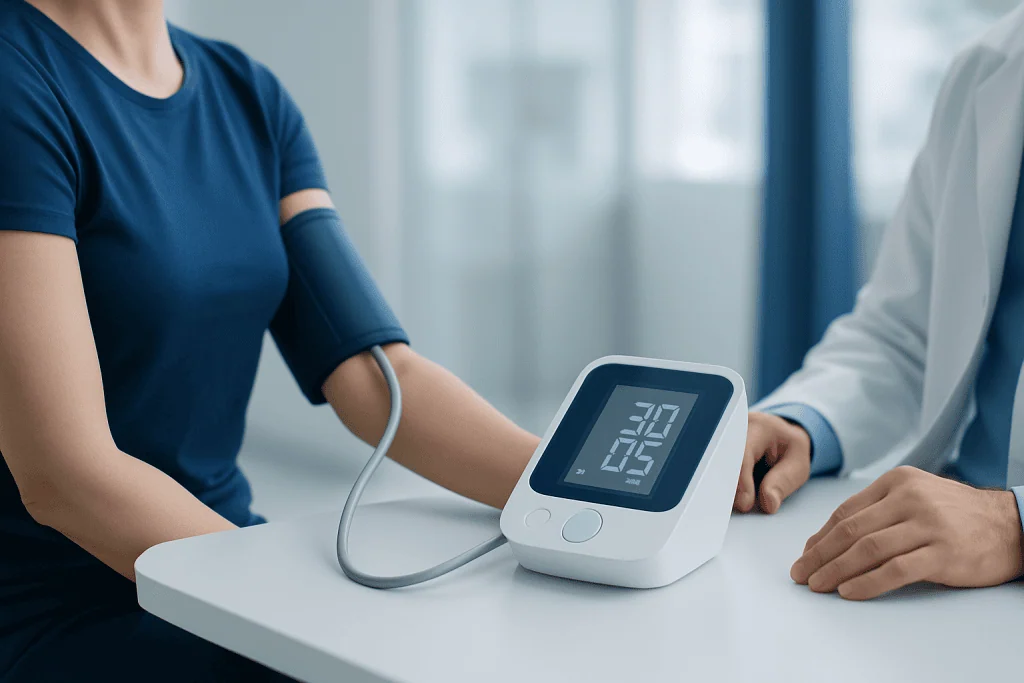
Blood pressure readings are written as two numbers. The first, or top, number is systolic pressure, which reflects the force in the arteries when the heart contracts. The second, or bottom, number is diastolic pressure, which reflects the pressure when the heart relaxes. Both are measured in millimeters of mercury, written as mmHg.
In general, a normal blood pressure reading for many adults is below 120/80 mmHg. A diastolic value below 80 mmHg is often considered within the normal range when looked at together with a normal systolic reading. Blood pressure categories are based on the overall reading, not only the bottom number, and doctors may repeat readings on separate days before diagnosing a problem.
Sometimes the diastolic number is higher than expected while the systolic number is less concerning. This may be referred to as diastolic hypertension. In other cases, the diastolic number may be lower than usual, especially in people who are dehydrated, taking certain medicines, or standing up quickly. Whether a reading is important depends on the actual numbers, whether it happens repeatedly, and whether symptoms are present.
- Normal: usually below 120/80 mmHg
- Elevated or high blood pressure: assessed using both numbers together
- Low blood pressure: may be significant if it causes dizziness, weakness, or fainting
- Home readings: often help clarify whether a pattern is persistent
Why diastolic blood pressure can be high or low

High diastolic blood pressure often develops gradually. Common contributing factors include aging-related vessel stiffness, excess body weight, high salt intake, lack of physical activity, alcohol use, chronic stress, poor sleep, and smoking. Some people also have a strong family history of hypertension, which increases the likelihood of developing it even with healthy habits.
Medical conditions can also raise diastolic blood pressure. These include kidney disease, hormonal disorders, obstructive sleep apnea, diabetes, and some vascular conditions. Certain medicines and substances may contribute as well, such as some decongestants, nonsteroidal anti-inflammatory drugs, stimulants, and medications that affect fluid balance. A doctor may review all prescriptions, supplements, and over-the-counter products when evaluating blood pressure.
Low diastolic blood pressure can happen for different reasons. Dehydration, blood loss, severe infection, some heart conditions, endocrine disorders, and medication side effects are common examples. In some older adults, the arteries become stiff in a way that raises systolic pressure while diastolic pressure stays low, creating a wider gap between the two numbers. This pattern may also deserve medical attention, especially if it is associated with fatigue, lightheadedness, or reduced exercise tolerance.
Because there are many possible causes, it is important not to assume that one unusual reading explains a person’s health. Repeated measurements, symptom review, and a careful medical history are more useful than isolated values alone.
Symptoms and possible effects on health
Diastolic blood pressure that is mildly high often causes no obvious symptoms. This is one reason blood pressure is often called a silent condition. People may feel completely well while blood pressure readings remain above target over months or years. Regular screening helps identify problems before complications develop.
When blood pressure is markedly high, symptoms can sometimes occur, although they are not specific. These may include headache, blurred vision, shortness of breath, chest discomfort, or a feeling of pounding in the chest. Severe or sudden increases in blood pressure require prompt medical assessment, especially if they occur with confusion, weakness, severe headache, or neurologic symptoms.
Low diastolic blood pressure may be more likely to cause symptoms such as dizziness, weakness, blurred vision, fatigue, nausea, or fainting. Symptoms often become more noticeable when a person stands up quickly or has not had enough fluids. In some cases, low pressure can reduce blood flow enough to affect concentration or day-to-day functioning.
Over time, uncontrolled high blood pressure can increase the risk of heart disease, kidney disease, stroke, and eye damage. Persistently abnormal readings may be linked with hypertension and its long-term effects. Doctors therefore focus not just on symptoms, but also on protecting organs over time.
How doctors diagnose and evaluate it
Diagnosis starts with accurate measurement. Blood pressure should be checked with the correct cuff size after a few minutes of rest, ideally with the arm supported at heart level. Because stress, caffeine, exercise, pain, and even conversation can affect readings, doctors often repeat the measurement during the same visit and may recommend additional checks at home or with ambulatory monitoring over 24 hours.
Home blood pressure monitoring can be especially helpful when white-coat effect is suspected, meaning readings are higher in a clinical setting than they are in daily life. A log of readings taken at similar times each day gives a clearer picture of trends. Doctors usually review the full pattern rather than reacting to one isolated measurement.
If the diastolic number is consistently high or low, the clinician may look for contributing conditions. This evaluation can include a physical examination, blood and urine tests, kidney function testing, cholesterol and glucose measurement, and sometimes heart tests such as an electrocardiogram or echocardiogram. Depending on the person’s symptoms and risk factors, doctors may also assess for sleep apnea or endocrine disorders.
When blood pressure concerns suggest a broader cardiovascular issue, a patient may be referred for cardiology evaluation to assess heart and vessel health more fully. The goal is not only to confirm the reading, but to identify the reason behind it and choose the safest next steps.
Treatment options and blood pressure management
Treatment depends on whether the diastolic blood pressure is high, low, or fluctuating, and whether symptoms or underlying diseases are present. For high readings, doctors usually begin by estimating overall cardiovascular risk and reviewing lifestyle habits, medical history, and current medicines. If repeated readings remain above the desired range, treatment may involve lifestyle measures alone or in combination with medication.
Healthy lifestyle changes are often the foundation of care. These may include limiting salt, eating a balanced diet rich in vegetables and whole foods, maintaining a healthy weight, exercising regularly, stopping smoking, moderating alcohol, and improving sleep. Stress management can also help some people, especially when readings rise during periods of anxiety or poor sleep.
Medication may be recommended when blood pressure is persistently elevated or when a person has additional risk factors such as diabetes, kidney disease, or established cardiovascular disease. Doctors choose medicines based on the overall pattern of blood pressure and the person’s other health needs. Treatment should be individualized, and medicines should be taken only under medical guidance rather than adjusted independently.
If low diastolic blood pressure is causing symptoms, treatment focuses on the cause. This may involve increasing fluid intake when appropriate, reviewing medications, treating infection or hormonal problems, or addressing heart-related causes. In more complex situations, further assessment through internal medicine care or specialty review may be useful to guide long-term management.
Prevention and self-care for healthy readings
Preventing abnormal diastolic blood pressure is closely linked to daily routines that support heart and vessel health. Regular physical activity, a nutritious eating pattern, not smoking, and getting enough sleep can all help maintain healthier blood pressure over time. Even modest, steady improvements in routine can make monitoring and management more effective.
Measuring blood pressure correctly at home is also an important self-care skill. A person should sit quietly for several minutes, avoid caffeine or smoking beforehand, place both feet on the floor, and use a validated upper-arm monitor if possible. Taking two readings and keeping a written or digital log can help a doctor judge whether changes are needed.
People taking blood pressure medicine should use it exactly as prescribed and attend follow-up appointments. It is not unusual for treatment to be adjusted gradually to avoid readings that are too high or too low. Anyone with chronic conditions such as kidney disease, diabetes, or sleep apnea should also keep those conditions under good control, since they can strongly influence blood pressure patterns.
When a more detailed workup is needed, doctors may coordinate testing through services such as comprehensive check-up programs. Near the end of the care pathway, some international patients choose centers such as Acibadem International, where multidisciplinary specialists in JCI-accredited hospitals evaluate and treat blood pressure-related conditions.
When to seek medical care
Medical advice should be sought if blood pressure readings are repeatedly above the recommended range or consistently lower than usual with symptoms. Ongoing headaches, dizziness, fainting, chest discomfort, shortness of breath, or reduced exercise tolerance all deserve attention. A clinician can determine whether the issue relates to temporary factors or a condition that needs treatment.
Urgent care is important for severe symptoms such as chest pain, sudden weakness, trouble speaking, confusion, fainting, or a severe headache with very high blood pressure readings. These symptoms can signal a medical emergency and should not be managed at home. The same is true for signs of shock or severe dehydration, including extreme weakness, cold clammy skin, or difficulty staying awake.
People with known heart, kidney, or vascular disease should not wait for symptoms alone before checking in with a doctor. Blood pressure targets may differ depending on age and medical history, so personalized advice matters. If there is uncertainty about whether a pattern is serious, a qualified healthcare professional can provide the safest guidance.
Frequently asked questions
What is diastolic blood pressure in simple terms?
Diastolic blood pressure is the bottom number in a blood pressure reading. It shows the pressure in the arteries when the heart relaxes between beats.
What is a normal diastolic blood pressure?
For many adults, a diastolic reading below 80 mmHg is considered within the normal range when the overall blood pressure is normal. Doctors interpret this number together with the systolic reading, symptoms, age, and health history.
Is high diastolic blood pressure dangerous?
Persistently high diastolic blood pressure can increase the risk of heart, kidney, brain, and blood vessel problems over time. A single reading is not enough for diagnosis, but repeated high readings should be assessed by a doctor.
Can low diastolic blood pressure cause symptoms?
Yes. Low diastolic blood pressure may cause dizziness, weakness, fatigue, blurred vision, or fainting, especially if it reduces blood flow or happens with standing. Symptoms are more important than the number alone and should be discussed with a clinician.
How can someone lower high diastolic blood pressure naturally?
Helpful measures often include reducing salt intake, exercising regularly, maintaining a healthy weight, not smoking, limiting alcohol, and improving sleep. These steps can support medical treatment, but they do not replace a doctor’s advice when blood pressure remains high.
Why would diastolic blood pressure be high when systolic is normal?
This pattern can happen in some adults and may reflect early changes in blood vessel tone, lifestyle factors, genetics, or an underlying medical condition. Because blood pressure patterns vary, a doctor may recommend repeated checks and further evaluation before deciding on treatment.
References
- American Heart Association
- Centers for Disease Control and Prevention
- National Heart, Lung, and Blood Institute
- World Health Organization
- European Society of Cardiology
This article is for general information only and is not a substitute for professional medical advice. Please consult a qualified doctor about your individual situation.
Heart care in Turkey — expert evaluation and treatment
JCI-accredited · board-certified surgeons · reply within 24h
Add us as a Preferred Source to see more of our trusted health content across Google Search, AI Overviews and Discover.
Check your numbers in seconds
BMI, calories, due date, blood pressure and 30+ more clinical calculators — free, instant, doctor-reviewed ranges.

More from the Health Library



Related Specialists

Prof. Dr. Reyhan Çeliker
Physical Medicine & Rehabilitation
Prof. Dr. Mehmet Ziya Özüer
Otorhinolaryngology
Dr. Aliye Sevil Sarıkaya
Büyüme ve Ergenlik
Dr. Umut Özbebit (m)
Aesthetic Plastic & Reconstructive Surgery