Digestive Symptoms After Antibiotics: What Is Normal and When to Seek Care

Mild nausea, bloating, loose stools, and reduced appetite can happen during or shortly after antibiotic treatment. Antibiotics may disrupt the normal gut microbiome, which can lead to temporary digestive upset.
Key Takeaways
- Mild nausea, bloating, loose stools, and reduced appetite can happen during or shortly after antibiotic treatment.
- Antibiotics may disrupt the normal gut microbiome, which can lead to temporary digestive upset.
- Persistent or severe diarrhea, blood in the stool, fever, strong abdominal pain, or signs of dehydration require medical advice.
- Patients should not stop prescribed antibiotics without speaking to the clinician who prescribed them.
- Simple self-care measures, such as fluids and gentle foods, may help while the gut recovers.
Digestive symptoms after antibiotics are common because these medicines can affect the balance of bacteria in the gut as well as treat infection. Many symptoms are mild and improve after treatment ends, but some warning signs mean a doctor should be contacted promptly.
Overview
Digestive symptoms after antibiotics are a frequent reason people seek reassurance. Antibiotics are important medicines that treat bacterial infections, but they do not act only on the harmful bacteria causing illness. They can also change the balance of normal bacteria living in the digestive tract, which may lead to stomach and bowel symptoms during treatment or in the days that follow.
In many cases, these symptoms are mild and settle on their own once the course is finished. Common examples include nausea, a slightly upset stomach, bloating, a change in appetite, or loose stools. Even when symptoms are mild, they can still be uncomfortable and confusing, especially when someone is already recovering from an infection.
It is also important to know that not all digestive symptoms are harmless. Antibiotics can sometimes trigger more significant diarrhea or allow certain bacteria, such as Clostridioides difficile, to grow too much in the colon. This can cause inflammation and needs medical attention. Knowing what is typical and what is not can help patients respond calmly and safely.
What Symptoms Can Be Normal?
Some digestive changes are considered common antibiotic side effects. These may begin soon after starting the medicine or appear later in the course. For many people, the symptoms are manageable and temporary, especially if they are able to continue drinking fluids and eating small, simple meals.
Symptoms that are often mild and expected can include:
- Nausea or a queasy stomach
- Mild abdominal discomfort or cramping
- Bloating or increased gas
- Loose stools without severe pain or fever
- A temporary change in appetite
- A bad taste in the mouth that affects eating
The exact symptom pattern can vary depending on the antibiotic, the dose, the length of treatment, and the person taking it. Some antibiotics are more likely than others to cause stomach upset or diarrhea. People who already have a sensitive digestive system may notice these effects more clearly.
Mild digestive symptoms do not always mean the medicine is harmful or that it should be stopped. However, if symptoms become more intense, interfere with normal hydration, or continue after the antibiotic is finished, medical advice is sensible. A doctor can help decide whether the symptoms are expected side effects or part of another condition, such as irritable bowel syndrome.
Why Antibiotics Can Upset the Digestive System

The digestive tract contains a large community of helpful bacteria, often called the gut microbiome. These bacteria support digestion, help maintain the intestinal lining, and play a role in normal immune function. Antibiotics can disturb this balance because they may reduce beneficial bacteria along with the infection-causing bacteria they are meant to target.
When the microbiome changes, the bowel may absorb water differently, food may move through the intestines in a different way, and gas production may increase. This can lead to diarrhea, bloating, or cramping. Some antibiotics can also directly irritate the stomach lining, which may cause nausea or upper abdominal discomfort.
Another reason symptoms develop is that antibiotics may alter the environment in the colon enough to let certain bacteria grow too much. One important example is C. difficile, which can cause antibiotic-associated colitis. This is less common than simple side effects, but it is one of the main reasons doctors pay close attention to diarrhea after antibiotics, especially when it is frequent, severe, or associated with fever.
Risk Factors and When Symptoms May Be More Likely
Anyone taking antibiotics can develop digestive symptoms, but some people have a higher chance. Older adults, people who have needed several antibiotic courses, and those taking broad-spectrum antibiotics may be more likely to notice bowel changes. A history of previous antibiotic-associated diarrhea can also increase risk.
Digestive symptoms may be more concerning in people with existing intestinal conditions, those with weakened immune systems, or those who are currently in hospital or have been recently hospitalized. Acid-suppressing medicines, serious illness, and recent surgery can also affect the gut environment and may increase the risk of complications.
Children and older adults deserve extra attention because dehydration can happen more quickly in these age groups. People with chronic digestive disorders such as ulcerative colitis or other forms of colitis may find it harder to tell whether symptoms are a medication effect or a flare of their underlying condition. In these situations, professional guidance is especially useful.
When to Seek Medical Care
Some symptoms suggest that digestive upset after antibiotics is no longer mild and should be assessed by a doctor. A person should seek medical advice if diarrhea is severe, happens many times a day, wakes them from sleep, or continues for more than a few days. Blood or mucus in the stool, significant abdominal pain, or a swollen abdomen also need prompt attention.
Fever, weakness, dizziness, reduced urination, dry mouth, or an inability to keep fluids down may point to dehydration or a more serious intestinal problem. These warning signs are especially important in young children, older adults, pregnant people, and anyone with a weakened immune system.
Patients should also contact a clinician if symptoms start after finishing the antibiotic rather than during it, since some complications can appear days to weeks later. Urgent evaluation may be needed when there is concern for infection-related colitis. Doctors may recommend stool testing, blood tests, or, in selected cases, further evaluation such as colonoscopy if symptoms suggest more than a simple medication side effect.
How Doctors Evaluate Digestive Symptoms After Antibiotics
Diagnosis usually begins with a careful review of the symptoms and the antibiotic used. A doctor may ask when the symptoms began, how often diarrhea occurs, whether there is fever or blood, and whether the person has taken antibiotics recently. It is also helpful to mention any previous bowel problems, recent travel, hospital stays, or other medicines.
For mild symptoms, no testing may be needed. When symptoms are more severe or persistent, doctors may look for dehydration, infection, or inflammation. Stool tests can help identify causes such as C. difficile. Blood tests may be used to assess infection, electrolyte changes, or the impact of dehydration on the body.
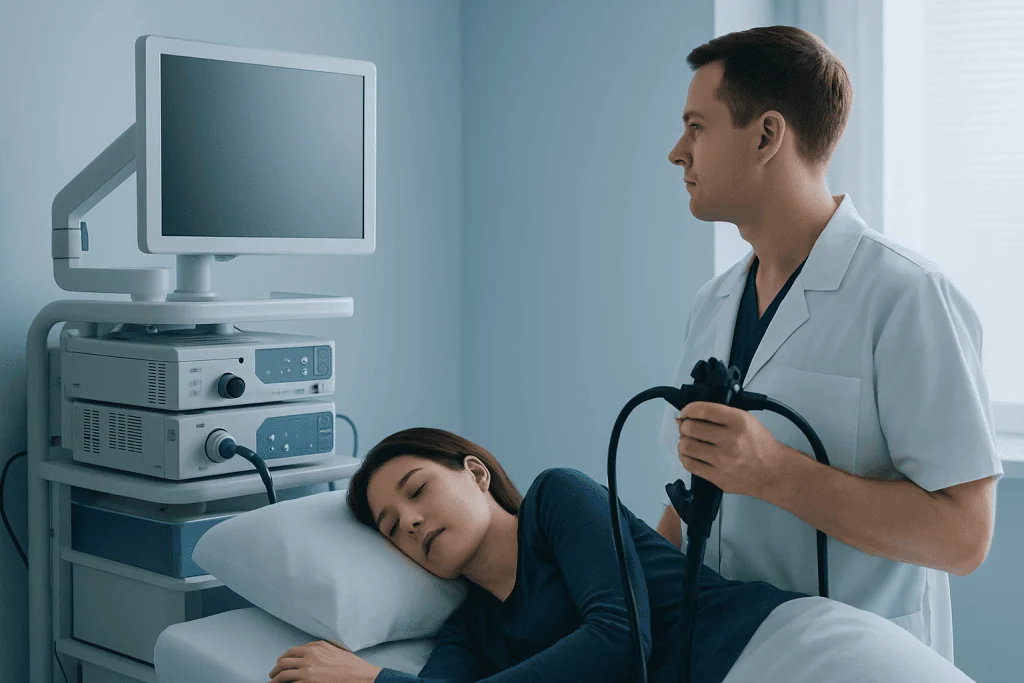
If symptoms continue or if there are features that do not fit routine antibiotic side effects, a gastroenterology assessment may be advised. Depending on the situation, doctors may use imaging or endoscopic tests to look for inflammation or another digestive condition. In some centers, this evaluation may involve tools such as endoscopy when upper digestive symptoms are prominent or another diagnosis is suspected.
Treatment and Self-Care
Treatment depends on how severe the symptoms are and what is causing them. Mild nausea or loose stools often improve with supportive care. Many people benefit from drinking water regularly, eating smaller meals, and choosing simple foods that are easier on the stomach. Rest can also help while the body recovers from both the infection and the treatment.
Patients should not stop an antibiotic on their own unless a doctor tells them to do so. Stopping too early can make the original infection harder to treat. If side effects are difficult to tolerate, the prescribing clinician may decide to change the medicine, adjust the plan, or confirm that the symptoms are expected and likely to pass.
When significant antibiotic-associated diarrhea or C. difficile infection is suspected, specific medical treatment may be needed. This can include changing or stopping the triggering antibiotic under supervision, treating dehydration, and prescribing targeted therapy. In more complex cases, specialists may evaluate whether there is another bowel problem, such as Crohn's disease, contributing to symptoms.
Some people ask about probiotics. Research suggests they may help reduce antibiotic-associated diarrhea in certain situations, but they are not suitable for everyone, especially some immunocompromised patients. It is safest to ask a doctor or pharmacist before starting probiotics or over-the-counter anti-diarrheal medicines, particularly if there is fever, blood in the stool, or strong pain.
Prevention, Recovery, and Follow-Up
Not every digestive side effect can be prevented, but a few simple steps may lower discomfort. Taking the antibiotic exactly as prescribed is important. Some antibiotics are better tolerated with food, while others need to be taken on an empty stomach, so following the label and professional instructions matters. Good hand hygiene is also important, especially if diarrhea develops, to reduce the spread of infection.
During recovery, most people should focus on hydration and gradual return to their usual diet. Plain foods, soups, rice, toast, bananas, yogurt if tolerated, and other gentle options may be easier to manage for a short time. Greasy meals, heavy alcohol intake, and foods that clearly worsen symptoms can be limited until the digestive system settles.
If symptoms continue, repeat, or do not fit the expected pattern, follow-up is important. Persistent changes in bowel habits should not be ignored simply because antibiotics were taken in the past. Multidisciplinary specialists at Acibadem International’s JCI-accredited hospitals diagnose and treat digestive conditions for international patients, including cases that need advanced gastroenterology care.
Frequently asked questions
How long do digestive symptoms after antibiotics usually last?
Mild digestive symptoms often improve during treatment or within a few days after the antibiotic course ends. In some people, bowel habits can take longer to fully return to normal. If symptoms are getting worse or last beyond several days, a doctor should review them.
Is diarrhea after antibiotics always serious?
No, mild loose stools are a common antibiotic side effect and often settle without specific treatment. However, severe diarrhea, dehydration, fever, blood in the stool, or strong abdominal pain are not considered routine and need medical advice.
Should a person stop taking antibiotics if they develop stomach upset?
A person should not stop prescribed antibiotics without speaking to the clinician who prescribed them. The original infection may still need treatment, and stopping suddenly can sometimes create other problems. A doctor can advise whether the medicine should be continued, changed, or stopped safely.
Can antibiotics cause symptoms after the course is finished?
Yes. Some digestive symptoms can begin after the last dose because the gut microbiome may still be recovering. In particular, diarrhea that starts days or even weeks later should be taken seriously and discussed with a doctor.
Do probiotics help with digestive symptoms after antibiotics?
Probiotics may help some people, but they are not a universal solution. Their benefit depends on the person and the situation, and they may not be appropriate for everyone. It is best to ask a doctor or pharmacist before using them.
What foods are best if antibiotics are upsetting the stomach?
Many people tolerate small, simple meals better than heavy or spicy foods. Fluids, soups, toast, rice, bananas, and other gentle foods may be easier while symptoms settle. The best approach is to avoid foods that clearly worsen symptoms and stay well hydrated.
References
- World Health Organization
- Centers for Disease Control and Prevention
- National Institute of Diabetes and Digestive and Kidney Diseases
- National Health Service
- American College of Gastroenterology
This article is for general information only and is not a substitute for professional medical advice. Please consult a qualified doctor about your individual situation.
Persistent digestive symptoms? Get evaluated in Turkey
JCI-accredited · board-certified surgeons · reply within 24h
Add us as a Preferred Source to see more of our trusted health content across Google Search, AI Overviews and Discover.

More from the Health Library


Related Specialists

Assoc. Prof. Dr. Ahmet Küçükçelebi
Aesthetic Plastic & Reconstructive Surgery
Prof. Dr. Tufan Bilgin
Gynecology & Obstetrics
Dr. Şeyma Cüneydi
Pediatrics
Dr. Savaş Beyaztaş
Cardiology