Digestive System Disorders: Common Diseases and What They Affect

Digestive system disorders can affect any part of the digestive tract or related organs such as the liver, pancreas, and gallbladder. Common symptoms include abdominal pain, bloating, heartburn, nausea, diarrhea, constipation, and changes in appetite or weight.
Key Takeaways
- Digestive system disorders can affect any part of the digestive tract or related organs such as the liver, pancreas, and gallbladder.
- Common symptoms include abdominal pain, bloating, heartburn, nausea, diarrhea, constipation, and changes in appetite or weight.
- Some digestive conditions are short-term, while others are chronic and may need long-term management.
- Diagnosis often involves a medical history, physical exam, lab tests, imaging, or endoscopic procedures.
- Early evaluation is important if symptoms are severe, persistent, or linked with bleeding, weight loss, or trouble swallowing.
Digestive system disorders are a broad group of conditions that affect how food is broken down, absorbed, and eliminated. They can involve the esophagus, stomach, intestines, liver, pancreas, gallbladder, or rectum, and symptoms often vary from mild discomfort to ongoing digestive problems that need medical care.
Overview of Digestive System Disorders
The digestive system helps the body take in food, break it down, absorb nutrients, and remove waste. This system includes the mouth, esophagus, stomach, small intestine, large intestine, rectum, and anus, as well as organs that support digestion such as the liver, gallbladder, and pancreas. When any of these structures do not work properly, digestive symptoms can develop.
Digestive system disorders include many different conditions. Some are common and short-lived, such as mild stomach infections or occasional constipation. Others are long-term conditions that may need ongoing medical follow-up, such as gastroesophageal reflux disease, inflammatory bowel disease, or chronic liver disease.
These disorders affect people in different ways. For some, symptoms are occasional and manageable with lifestyle changes. For others, symptoms can interfere with eating, sleep, work, and daily comfort. Because digestive problems often overlap, a proper diagnosis is important before treatment begins.
Common Diseases and What They Affect
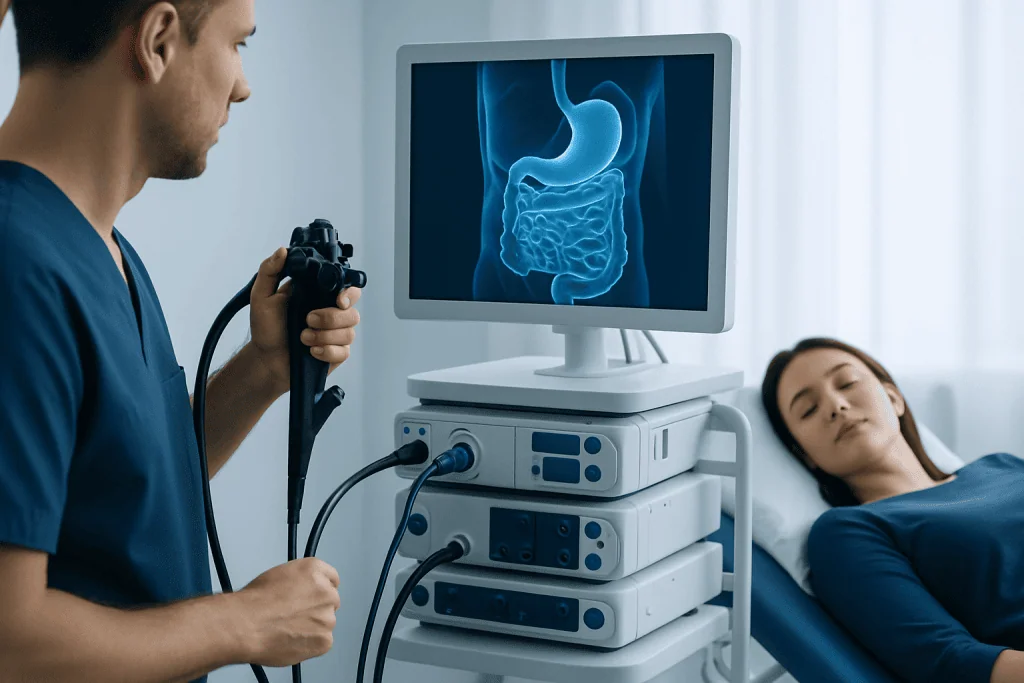
Different digestive disorders affect different parts of the body. Conditions involving the esophagus and stomach may cause heartburn, upper abdominal discomfort, nausea, or vomiting. For example, reflux affects the movement of stomach acid into the esophagus, while gastritis involves inflammation of the stomach lining. Peptic ulcers can develop in the stomach or upper small intestine.
Disorders of the intestines often affect bowel habits and nutrient absorption. Irritable bowel syndrome can lead to abdominal pain, bloating, diarrhea, constipation, or both. Inflammatory bowel diseases such as Crohn’s disease and ulcerative colitis cause ongoing inflammation in the digestive tract. People who want to learn more about Crohn’s disease or ulcerative colitis may benefit from specialist guidance because these conditions usually require long-term management.
The liver, pancreas, and gallbladder can also be involved. Gallstones may block bile flow and cause pain after meals. Pancreatitis affects the pancreas and may interfere with digestion. Liver disorders can reduce the body’s ability to process nutrients, medications, and toxins. Hemorrhoids, anal fissures, diverticular disease, and infections of the gastrointestinal tract are other common examples of digestive system disorders.
- Esophagus: reflux, swallowing disorders
- Stomach: gastritis, ulcers, infections
- Small and large intestines: irritable bowel syndrome, celiac disease, inflammatory bowel disease, diverticular disease
- Liver and pancreas: hepatitis, fatty liver disease, pancreatitis
- Gallbladder and bile ducts: gallstones, inflammation
- Rectum and anus: hemorrhoids, fissures
Symptoms to Watch For

Symptoms of digestive system disorders depend on the affected organ and the cause. Common complaints include abdominal pain, cramping, bloating, gas, heartburn, nausea, vomiting, diarrhea, constipation, and changes in stool pattern. Some people notice symptoms mainly after eating, while others have discomfort throughout the day.
There may also be symptoms beyond the abdomen. Loss of appetite, feeling full quickly, fatigue, unexplained weight loss, or difficulty swallowing can all point to a digestive problem. Liver and gallbladder disorders may cause yellowing of the skin or eyes, dark urine, or pale stools. Conditions that affect absorption may lead to nutritional deficiencies over time.
While many digestive symptoms are not caused by a serious illness, certain warning signs should not be ignored. These include blood in vomit or stool, black stools, persistent vomiting, dehydration, severe abdominal pain, ongoing fever, or sudden changes in bowel habits, especially in older adults. Persistent symptoms deserve medical assessment even when they seem mild at first.
Causes and Risk Factors
Digestive disorders can develop for many reasons. Some are linked to infections caused by viruses, bacteria, or parasites. Others result from inflammation, immune system activity, food intolerance, acid-related irritation, or problems with gut movement. Structural issues such as hernias, gallstones, polyps, or narrowing in the digestive tract can also affect normal digestion.
Lifestyle and diet often play a role, although they are not the only explanation. Low-fiber eating patterns, inadequate fluid intake, heavy alcohol use, smoking, prolonged stress, and limited physical activity may contribute to some digestive complaints. Certain medications, including anti-inflammatory drugs, antibiotics, and some pain medicines, can irritate the stomach or change bowel habits.
Family history, age, autoimmune disease, obesity, and chronic medical conditions may increase risk for particular digestive diseases. For example, gallstones are more common in some adults, while inflammatory bowel disease may appear earlier in life. In some cases, no single cause is found, and symptoms are related to how the digestive tract functions rather than visible damage.
How Digestive Disorders Are Diagnosed
Diagnosis starts with a detailed medical history and physical examination. A doctor will usually ask about the type of symptoms, how long they have been present, what makes them worse or better, and whether there are associated issues such as weight loss, fever, bleeding, or swallowing difficulty. Diet, medications, travel, family history, and previous digestive illness may also offer useful clues.
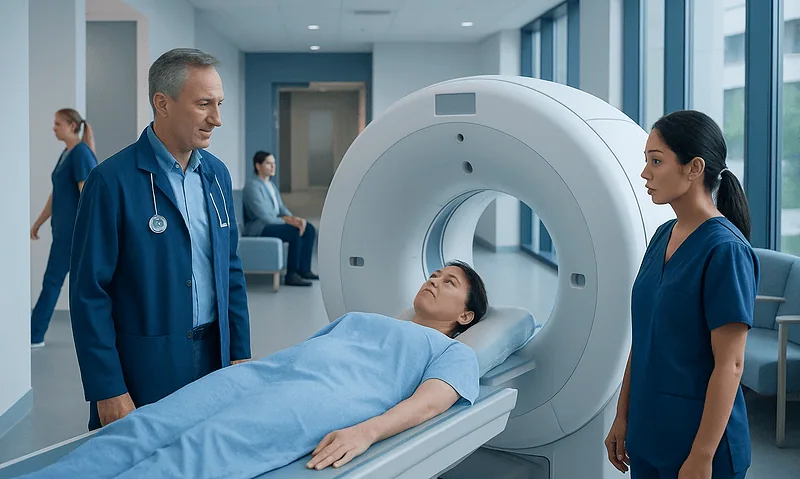
Laboratory tests may include blood work, stool tests, or breath tests, depending on the suspected condition. These can help look for infection, inflammation, anemia, liver problems, pancreatic disease, or poor nutrient absorption. Imaging such as ultrasound, CT, MRI, or contrast studies may be used to assess organs and identify structural problems.
Some patients need endoscopic evaluation. Procedures such as endoscopy allow doctors to look directly at the digestive tract and, when needed, take small tissue samples for biopsy. Colonoscopy is commonly used to examine the large intestine and rectum. In selected cases, tests that measure acid exposure, bowel movement, or stomach emptying may also be recommended.
Treatment Options
Treatment depends on the diagnosis, severity of symptoms, and the part of the digestive system involved. Many conditions improve with changes in diet, hydration, meal timing, stress management, and avoidance of personal trigger foods. Doctors may also recommend medicines to reduce acid, control nausea, ease constipation, treat diarrhea, reduce inflammation, or clear infection.
Chronic conditions often need a longer-term plan. For example, inflammatory diseases may require monitoring and prescription therapies to control symptoms and protect the digestive tract. Gallbladder disease, some hernias, severe reflux, bowel obstruction, or complications from ulcers may need procedural or surgical care. If a growth or suspicious area is found, biopsy and specialist review guide the next steps.
In certain situations, minimally invasive or surgical treatment may be appropriate. Depending on the condition, options can include gallbladder surgery or gastrointestinal surgery. Treatment plans should always be individualized, and patients should discuss benefits, risks, and expected recovery with a qualified doctor.
Prevention and Self-Care
Not all digestive disorders can be prevented, but healthy habits can support digestive function and reduce risk for some common problems. Eating regular, balanced meals, choosing enough fiber when appropriate, drinking enough water, and staying physically active can help maintain normal bowel function. Slowing down during meals and limiting very heavy late-night eating may also reduce discomfort in some people.
Alcohol moderation, not smoking, and careful use of medicines that may irritate the stomach are also important. People with known food sensitivities or chronic digestive conditions often benefit from tracking symptoms and discussing patterns with a healthcare professional instead of following overly restrictive diets on their own. Stress reduction can help, especially when symptoms worsen during emotionally difficult periods.
Routine screening and follow-up matter as well. Colon cancer screening, review of persistent reflux, and monitoring for chronic liver or inflammatory bowel conditions can help detect problems earlier. Near the end of the care pathway, some patients may choose centers with coordinated gastroenterology, imaging, pathology, nutrition, and surgery services. Acibadem International’s multidisciplinary specialists and JCI-accredited hospitals diagnose and treat digestive system disorders for international patients.
When to See a Doctor
A doctor should be consulted when digestive symptoms last more than a few days, keep returning, or begin to affect eating, hydration, sleep, or daily life. Ongoing heartburn, repeated abdominal pain, chronic constipation, persistent diarrhea, or a noticeable change in bowel habits all deserve medical attention, especially if symptoms are new.
Prompt medical care is especially important for warning signs such as vomiting blood, blood in the stool, black stools, jaundice, trouble swallowing, unexplained weight loss, persistent fever, or severe abdominal pain. These symptoms do not always mean a serious condition, but they should be assessed without delay.
Children, older adults, pregnant women, and people with weakened immunity may need earlier assessment because dehydration and complications can happen more quickly. When in doubt, it is safest to seek professional advice rather than self-diagnosing based on symptoms alone.
Frequently asked questions
What are digestive system disorders?
Digestive system disorders are conditions that affect the organs involved in digestion, including the stomach, intestines, liver, pancreas, gallbladder, and esophagus. They can interfere with how the body breaks down food, absorbs nutrients, or removes waste.
What are the most common symptoms of digestive diseases?
Common symptoms include abdominal pain, bloating, heartburn, nausea, vomiting, diarrhea, constipation, and changes in bowel habits. Some people also notice poor appetite, fatigue, weight loss, or difficulty swallowing.
Are all digestive problems serious?
No, many digestive symptoms are caused by mild or temporary conditions such as indigestion, constipation, or a short-term infection. However, symptoms that are persistent, severe, or associated with bleeding, weight loss, or dehydration should be checked by a doctor.
How are digestive system disorders diagnosed?
Doctors usually begin with a medical history and physical exam, then may order blood tests, stool tests, imaging, or endoscopic procedures. The exact tests depend on the symptoms, age, medical history, and the part of the digestive system that may be affected.
Can diet help manage digestive disorders?
Yes, diet can play an important role in symptom control for many digestive conditions. The best approach depends on the diagnosis, so it is important to avoid overly restrictive diets and seek guidance from a doctor or dietitian when symptoms are ongoing.
When should someone seek urgent help for digestive symptoms?
Urgent medical care is needed for severe abdominal pain, vomiting blood, black stools, blood in the stool, trouble swallowing, signs of dehydration, or jaundice. These symptoms should be assessed promptly to rule out serious causes.
References
- World Health Organization
- National Institute of Diabetes and Digestive and Kidney Diseases
- American College of Gastroenterology
- National Health Service
- Mayo Clinic
This article is for general information only and is not a substitute for professional medical advice. Please consult a qualified doctor about your individual situation.
Persistent digestive symptoms? Get evaluated in Turkey
JCI-accredited · board-certified surgeons · reply within 24h
Add us as a Preferred Source to see more of our trusted health content across Google Search, AI Overviews and Discover.