

Diverticulitis New Treatment: How It Works, Results and What to Expect

Not every uncomplicated diverticulitis episode requires antibiotics; careful assessment determines who may safely avoid them. CT imaging helps confirm diverticulitis and identify abscesses, perforation, obstruction or other complications.
Key Takeaways
- Not every uncomplicated diverticulitis episode requires antibiotics; careful assessment determines who may safely avoid them.
- CT imaging helps confirm diverticulitis and identify abscesses, perforation, obstruction or other complications.
- Abscesses may be treated with antibiotics and image-guided drainage rather than immediate major surgery.
- Elective laparoscopic colon surgery can be considered for ongoing symptoms, complications or recurrent attacks that significantly affect quality of life.
- Severe abdominal pain, fever, vomiting, worsening illness or inability to drink fluids requires prompt medical assessment.
Diverticulitis new treatment approaches focus on matching care to disease severity: many uncomplicated episodes can be managed without routine antibiotics, while image-guided drainage and minimally invasive surgery may help selected people with complications or recurrent disease. A personalized plan based on symptoms, CT findings, overall health and prior episodes offers the safest path forward.
Diverticulitis New Treatment: What Has Changed?
Diverticulitis new treatment is less about one newly discovered medicine and more about a more tailored approach to care. Doctors now distinguish carefully between uncomplicated diverticulitis and disease with complications, such as an abscess, bowel blockage, fistula or perforation. This allows many people with mild illness to avoid unnecessary antibiotics or surgery while ensuring that people with serious disease receive timely treatment.
Diverticulitis occurs when small pouches in the colon wall, called diverticula, become inflamed. It commonly causes pain in the lower left abdomen, although the location can vary. Modern care commonly uses clinical assessment and CT imaging to guide decisions, rather than treating every episode in the same way.
For selected people, advances in imaging, interventional radiology and laparoscopic surgery can reduce the need for open surgery and support recovery. The appropriate option depends on the individual situation, and symptoms that could be diverticulitis should always be assessed by a qualified clinician because several other conditions can cause similar abdominal pain.
How Modern Diverticulitis Treatment Works
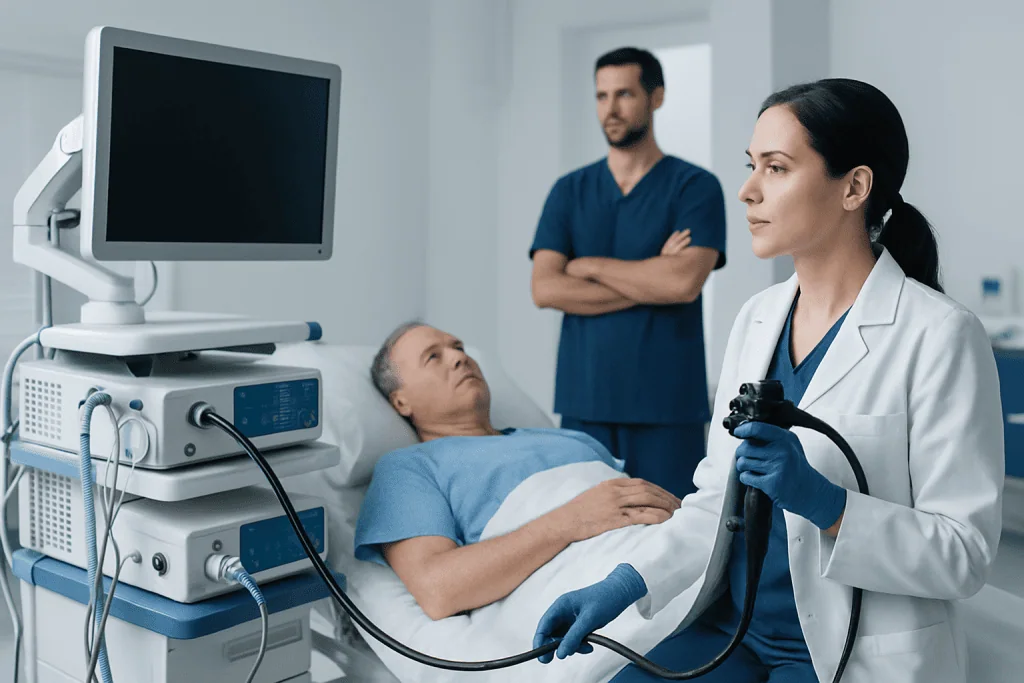
For uncomplicated diverticulitis, treatment may include rest, drinking enough fluids, temporary dietary adjustments and pain relief recommended by a clinician. Some medically stable people who do not have significant immune suppression, severe infection or complications may be observed without antibiotics. Close follow-up is important, since symptoms should begin to improve rather than worsen.
Antibiotics remain appropriate for many patients, including those with more pronounced symptoms, certain long-term health conditions, impaired immunity or evidence of systemic infection. They may be given by mouth for stable patients or intravenously in hospital when illness is more severe. The purpose is to treat bacterial infection when the likely benefit outweighs potential side effects.
If imaging shows a larger collection of infected fluid, called an abscess, a radiologist may place a thin tube through the skin to drain it. This is called percutaneous drainage. It is usually guided by CT or ultrasound and can control infection while avoiding or postponing emergency surgery. Learn more about interventional radiology procedures that may support image-guided treatment.
When surgery is needed, surgeons may remove the affected segment of colon and reconnect the healthy ends. laparoscopic colorectal surgery uses small incisions and a camera when it is safe and suitable, often allowing less tissue disruption than traditional open surgery. Emergency operations may sometimes require a temporary or permanent stoma, particularly if there is widespread infection or the bowel cannot safely be reconnected.
Who May Be a Candidate for Advanced Treatment?
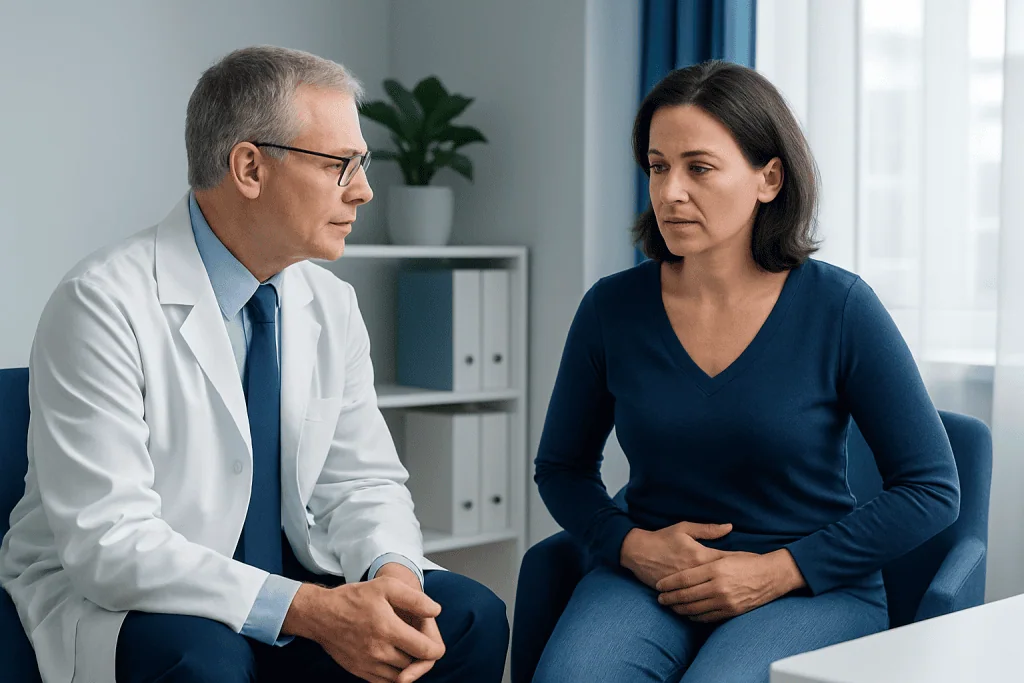
Most first, uncomplicated episodes improve with non-surgical care. More advanced treatment may be considered when CT shows an abscess, free air from a perforation, bowel obstruction, a fistula between the bowel and another organ, or diffuse infection inside the abdomen. These situations require hospital-based assessment and may involve gastroenterologists, colorectal surgeons, radiologists and infectious disease specialists.
Elective surgery is no longer routinely recommended simply after a set number of attacks. Instead, clinicians consider the pattern and impact of disease. Repeated episodes that interfere substantially with daily life, persistent symptoms despite recovery, narrowing of the colon, fistulas, or a history of complicated diverticulitis can all make a surgical discussion reasonable.
Age alone does not determine candidacy. Doctors consider immune status, heart and lung health, nutritional status, prior abdominal surgery, imaging findings and a person’s preferences. People taking immune-suppressing medicines may need earlier specialist review because infection can progress more quickly or present less typically.
A complete evaluation also helps exclude other explanations for symptoms. Following an episode, a clinician may recommend a colonoscopy after inflammation has settled, particularly if a recent high-quality examination has not been performed. This can help evaluate the colon and rule out conditions that can resemble colon cancer.
What to Expect From Drainage or Surgery
Before a procedure, the care team reviews scans, blood tests, medications, allergies and medical conditions. Patients may be asked to stop or adjust certain medicines, especially blood thinners, but this should only be done under medical guidance. For planned colon surgery, preparation may include a bowel-cleansing plan and preventive measures to reduce infection and blood-clot risks.
During image-guided drainage, local anesthetic and sometimes sedation are used. The radiologist guides a needle and then a catheter into the abscess, allowing infected fluid to drain into a collection bag. The drain commonly remains in place for several days, with monitoring of symptoms, drainage volume and repeat imaging when needed.
During laparoscopic colon resection, the surgeon makes several small abdominal incisions, removes the diseased colon section and, where safe, reconnects the bowel. Some cases need a larger incision for safety or because of extensive inflammation or scarring. The operation may be planned after inflammation has resolved or performed urgently in a complication.
After either procedure, the team monitors pain, temperature, bowel function, hydration and signs of infection. Eating is restarted gradually based on recovery and the type of treatment received. The plan is individualized; it is important to ask the surgical team what outcomes, restrictions and warning signs apply in the specific case.
Benefits, Risks and Recovery Timeline
The potential benefit of selective treatment is avoiding interventions that are not needed while treating complications early. For uncomplicated disease, avoiding routine antibiotics may reduce medication side effects and antibiotic resistance in appropriately selected patients. Drainage may control an abscess without an emergency operation, and minimally invasive surgery may offer shorter hospitalization and less postoperative discomfort for suitable candidates.
However, every option has limits and risks. Antibiotics can cause nausea, diarrhea, allergic reactions and, rarely, serious bowel infections. Percutaneous drainage can cause bleeding, injury to nearby structures, incomplete drainage or catheter-related infection. Surgery can involve bleeding, wound infection, blood clots, bowel leakage, changes in bowel habits, scar tissue and, in some cases, a stoma.
Recovery from a mild outpatient episode may take days to a few weeks, although bowel habits and energy can normalize gradually. After drainage, recovery depends on infection control and the need for further treatment. Recovery after laparoscopic surgery often involves a hospital stay followed by several weeks of steadily increasing activity; open or emergency surgery may require longer.
Follow-up is essential. Persistent pain does not always mean another infection, and repeat antibiotics should not be started without medical review. A clinician may use symptoms, examination, blood tests and imaging to determine whether recovery is on track or whether a complication needs attention.
Prevention and Self-care After an Episode
Once acute symptoms have resolved, long-term habits can support colon health and may lower the chance of future episodes. A gradual return to a fiber-rich eating pattern is often encouraged, along with adequate fluids. Fruit, vegetables, beans, whole grains and other fiber-containing foods can be introduced according to individual tolerance and professional advice.
Regular physical activity, maintaining a weight that is healthy for the individual, avoiding smoking and limiting unnecessary use of anti-inflammatory pain medicines such as ibuprofen may also be discussed. These measures do not guarantee prevention, but they support general digestive and cardiovascular health.
Nuts, seeds and popcorn do not generally need to be avoided solely because of diverticular disease. Dietary choices should be practical, balanced and based on symptoms. People with diabetes, kidney disease, inflammatory bowel disease or special dietary needs should ask their clinician or dietitian for individualized guidance.
For ongoing bowel symptoms or repeat attacks, evaluation by a digestive health specialist can clarify whether symptoms are related to diverticular disease, irritable bowel syndrome, medication effects or another cause. Care may overlap with assessment of related digestive conditions, including irritable bowel syndrome, when clinically appropriate.
When to Seek Medical Care
New or worsening abdominal pain should be assessed promptly, especially if it is persistent or associated with fever, chills, nausea or altered bowel habits. Prompt evaluation is particularly important for older adults, pregnant people and anyone with a weakened immune system, because symptoms can be less typical and complications may develop more quickly.
Urgent medical care is needed for severe or spreading abdominal pain, a rigid or markedly swollen abdomen, repeated vomiting, fainting, confusion, inability to keep fluids down, significant rectal bleeding, high fever or signs of dehydration. These symptoms may indicate a complication or another urgent abdominal condition.
People who have been diagnosed with diverticulitis should contact their care team if symptoms fail to improve as expected, return soon after treatment, or if they have concerns about medication side effects. It is safer not to self-treat suspected diverticulitis with leftover antibiotics or restrictive diets without advice.
Acibadem International’s multidisciplinary specialists and JCI-accredited hospitals assess and treat diverticulitis for international patients, including coordinated imaging, interventional and colorectal surgical care when required.
Frequently asked questions
What is the newest treatment approach for diverticulitis?
The newer approach is personalized rather than one single treatment. Clinicians use imaging and risk assessment to identify people who may recover with supportive care, those who may benefit from antibiotics, and those who need drainage or surgery for complications.
Can diverticulitis be treated without antibiotics?
Some people with mild, uncomplicated diverticulitis can be managed without antibiotics under clinical supervision. Antibiotics are still important for many patients, including those with severe symptoms, complications, certain medical conditions or reduced immune function.
When is surgery needed for diverticulitis?
Surgery may be needed for perforation, obstruction, fistulas, uncontrolled infection or some abscesses. It may also be discussed electively for recurrent or persistent disease that has a major effect on quality of life, rather than automatically after a certain number of episodes.
What is percutaneous drainage for diverticulitis?
Percutaneous drainage is an image-guided procedure used to drain an abscess near the colon. A radiologist places a small catheter through the skin into the collection, which can help control infection and may avoid immediate emergency surgery.
How long does recovery from diverticulitis take?
Mild uncomplicated symptoms often begin improving within a few days, but full recovery may take several weeks. Recovery is longer after hospitalization, abscess drainage or colon surgery and depends on the severity of infection and the treatment used.
Does diverticulitis always come back?
No. Many people do not have another episode, while others may have recurrent symptoms or confirmed repeat inflammation. Follow-up care, a fiber-rich eating pattern when recovered, physical activity and review of individual risk factors can support long-term colon health.
References
- American Society of Colon and Rectal Surgeons
- American Gastroenterological Association
- National Institute of Diabetes and Digestive and Kidney Diseases
- National Health Service
- World Society of Emergency Surgery
This article is for general information only and is not a substitute for professional medical advice. Please consult a qualified doctor about your individual situation.
Diverticulitis in Turkey — costs, top hospitals & a free quote
JCI-accredited · board-certified surgeons · reply within 24h
Add us as a Preferred Source to see more of our trusted health content across Google Search, AI Overviews and Discover.

General Surgery
Open, laparoscopic and robotic surgery for a broad range of abdominal and soft-tissue conditions.
120 specialists in this unitMore from the Health Library



Related Specialists

Prof. Dr. Meral Bayramoğlu
Physical Medicine & Rehabilitation
Prof. Dr. Can Gönen
Gastroenterology
Dr. İletişim | 444 55 44
Emergency Service
Asst. Prof. Dr. Yiğit Umur Cırdı
Orthopedic Surgery & Traumatology