Diverticulosis: Early Signs, Risk Factors, and How It Is Treated
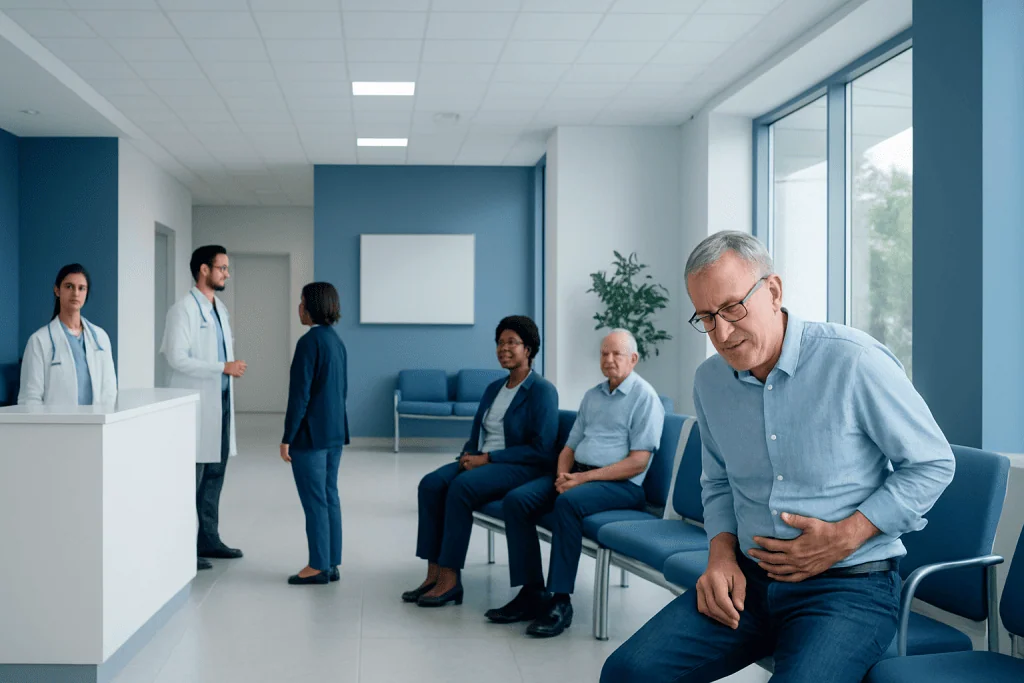
Diverticulosis means small pouches, called diverticula, are present in the colon. Many people have no symptoms and learn about diverticulosis during a routine colonoscopy or imaging test.
Key Takeaways
- Diverticulosis means small pouches, called diverticula, are present in the colon.
- Many people have no symptoms and learn about diverticulosis during a routine colonoscopy or imaging test.
- A high-fiber eating pattern, good hydration, and regular physical activity can help support bowel health.
- Diverticulosis is different from diverticulitis, which happens when diverticula become inflamed or infected.
- New or severe abdominal pain, fever, rectal bleeding, or changes in bowel habits should be assessed by a doctor.
Diverticulosis is a common condition in which small pouches form in the wall of the colon, especially with age. It often causes no symptoms, but some people notice mild digestive changes, and treatment usually focuses on diet, bowel habits, and preventing complications.
Overview: What Diverticulosis Means
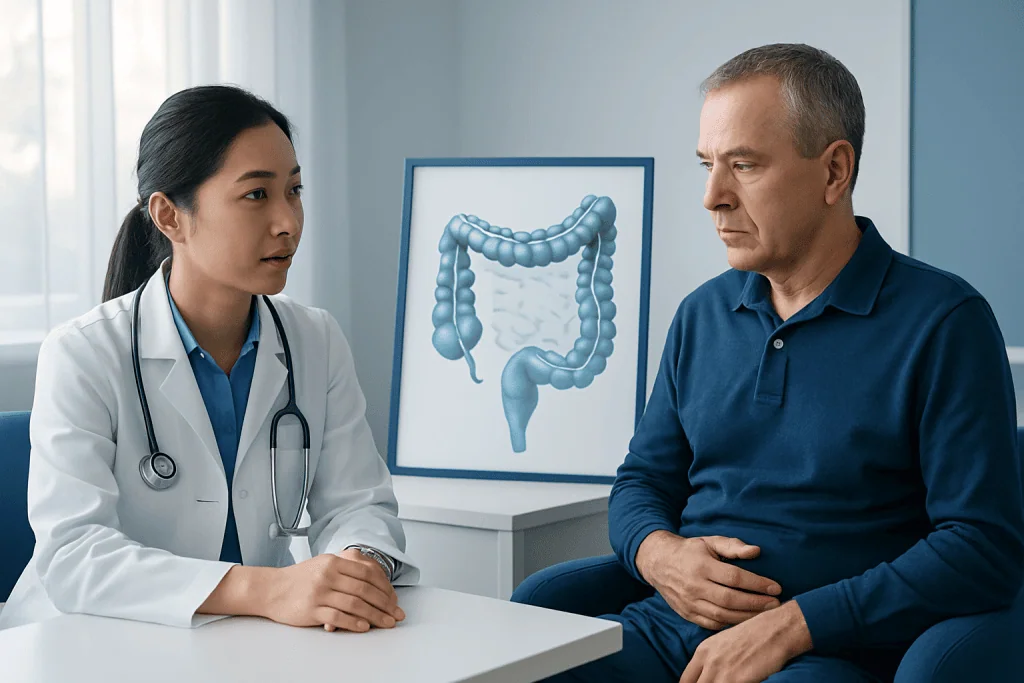
Diverticulosis is the term used when small, bulging pouches called diverticula form in the lining of the large intestine, also known as the colon. These pouches are most often found in the lower part of the colon. In many people, diverticulosis does not cause discomfort and may only be discovered during a colonoscopy or a scan done for another reason.
The condition becomes more common with age. Over time, pressure inside the colon and changes in the strength of the bowel wall can contribute to pouch formation. Having diverticulosis does not automatically mean a person will develop complications. Most people live with it without major problems, especially when bowel habits are regular and overall digestive health is supported.
It is helpful to distinguish diverticulosis from related terms. Diverticulosis refers to the presence of pouches. Diverticulitis happens when one or more of these pouches become inflamed or infected, which usually causes more noticeable symptoms. Doctors may also use the broader term diverticular disease to describe the spectrum of symptoms and complications linked to diverticula.
Early Signs and Symptoms
Many people with diverticulosis have no symptoms at all. When symptoms do occur, they are often mild and can overlap with other common digestive conditions. Some people notice bloating, mild cramping, constipation, or less often diarrhea. Others describe a feeling of incomplete bowel emptying or occasional discomfort in the lower abdomen.
These symptoms are not specific to diverticulosis, which means they can also occur with irritable bowel syndrome, changes in diet, dehydration, or other bowel conditions. For that reason, a diagnosis should not be based on symptoms alone. A doctor will usually consider a person’s age, medical history, bowel pattern, and any warning signs before deciding whether testing is needed.
Symptoms that suggest a complication rather than uncomplicated diverticulosis include persistent or worsening abdominal pain, fever, nausea, vomiting, blood in the stool, or tenderness when the abdomen is touched. Those symptoms may point to inflammation, infection, bleeding, or another digestive problem and should be evaluated promptly.
Why It Happens: Causes and Risk Factors
Diverticulosis develops when weak points in the colon wall bulge outward under pressure. Experts do not attribute it to one single cause. Instead, it appears to result from a combination of aging, bowel motility, stool consistency, pressure inside the colon, and individual differences in connective tissue and colon structure.
Age is one of the strongest risk factors. Diverticulosis becomes more common as people get older because the bowel wall may gradually lose elasticity and strength. Lifestyle factors can also influence risk. A low-fiber eating pattern may contribute to harder stools and straining, which can increase pressure in the colon. Limited physical activity, excess body weight, smoking, and chronic constipation may also play a role.
Some medicines are linked to a higher risk of complications in people with diverticular disease, including certain pain relievers such as nonsteroidal anti-inflammatory drugs. Family history may matter as well, suggesting a genetic component in some individuals. Although older advice often warned against eating nuts, seeds, or popcorn, current evidence does not support routinely avoiding these foods simply because a person has diverticulosis.
- Increasing age
- Low dietary fiber intake
- Constipation or straining
- Physical inactivity
- Overweight or obesity
- Smoking
- Some medications, depending on the individual situation
How Diverticulosis Is Diagnosed
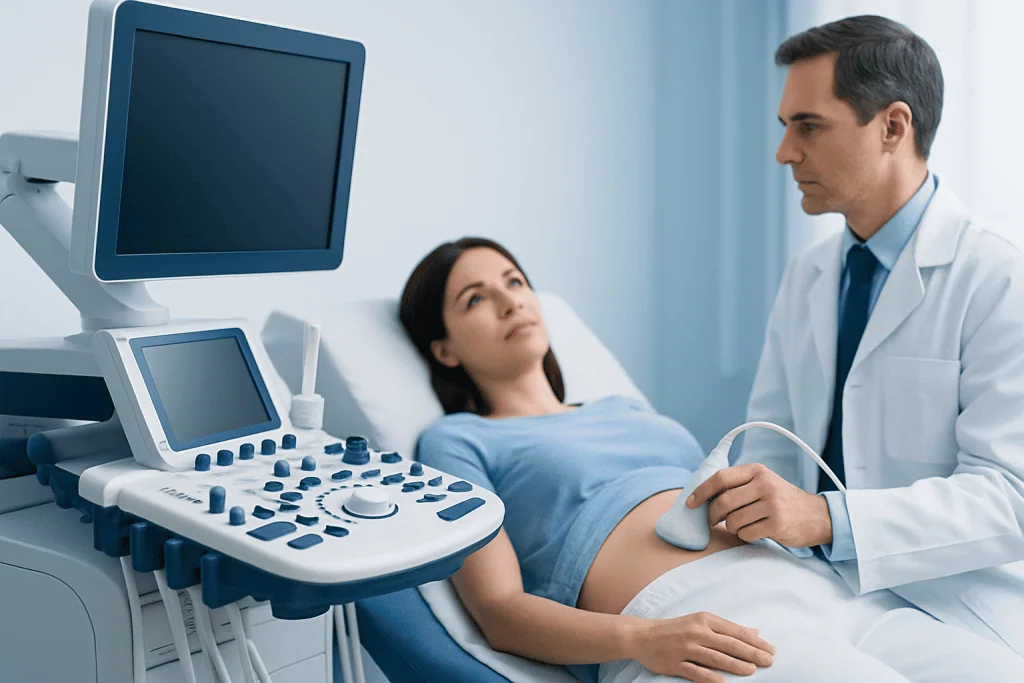
Diverticulosis is often found incidentally. A person may have a colonoscopy for colorectal cancer screening or evaluation of bowel symptoms, and the doctor sees diverticula during the procedure. It can also be identified on abdominal imaging, such as a CT scan, performed for another concern.
If a person has mild digestive symptoms, the doctor may begin by asking about bowel habits, pain patterns, diet, medications, and family history. A physical exam and, when appropriate, blood or stool tests may help rule out infection, inflammation, anemia, or other causes of symptoms. The goal is not only to confirm diverticulosis but also to determine whether another condition better explains the symptoms.
During an episode of suspected diverticulitis, CT imaging is often more useful than colonoscopy because it can show inflammation around the colon and identify complications. Colonoscopy is generally used after recovery or in routine evaluation rather than during acute severe inflammation. If broader digestive testing is needed, colonoscopy and other gastroenterology evaluation approaches may help guide care.
Treatment and Long-Term Management
Treatment for uncomplicated diverticulosis is usually conservative. If there are no symptoms, specific treatment may not be necessary beyond general bowel health measures. When mild symptoms are present, doctors often recommend gradual increases in fiber intake, adequate fluid intake, regular movement, and attention to bowel habits. The aim is to help stools stay soft and easier to pass, which may reduce straining and support comfort.
Fiber can come from fruits, vegetables, legumes, whole grains, and, in some cases, supplements if advised by a doctor. Changes are usually made gradually to reduce bloating. Some people benefit from keeping a symptom diary to identify whether certain foods or bowel patterns seem to trigger discomfort. Medical treatment varies from person to person because digestive symptoms may have more than one cause.
If complications occur, treatment depends on the problem. Diverticulitis may require rest for the bowel, medicines, or hospitalization in more serious cases. Ongoing bleeding, repeated severe inflammation, narrowing of the colon, or other complications can lead doctors to consider procedural or surgical care. In selected situations, colon and rectal surgery may be recommended after careful assessment.
For people who have recurrent pain or other persistent symptoms, doctors may look for additional digestive conditions rather than assuming diverticulosis is the only explanation. This individualized approach can be important because symptoms sometimes overlap with irritable bowel syndrome or other gastrointestinal disorders.
Prevention and Self-Care for Everyday Bowel Health
Although diverticula that have already formed usually do not disappear, healthy habits may help lower the chance of symptoms and support bowel function. A balanced, fiber-rich eating pattern is one of the most practical measures. Many people find it helpful to increase fiber slowly and drink enough water so the digestive system can adjust comfortably.
Regular physical activity supports normal bowel motility and overall health. Even moderate activity, such as walking most days of the week, can be beneficial. Avoiding smoking and managing weight may also support digestive and general health. Responding to the urge to have a bowel movement and avoiding repeated straining can help reduce pressure in the colon.
Self-care should be realistic and consistent rather than extreme. There is no single food that universally causes diverticulosis symptoms, so unnecessary food restriction is usually not needed. A doctor or dietitian can help tailor advice if a person has other digestive conditions, special dietary needs, or persistent symptoms.
- Choose more fruits, vegetables, legumes, and whole grains
- Increase fiber gradually rather than all at once
- Drink enough fluids unless a doctor has advised restriction
- Stay physically active on a regular basis
- Avoid smoking and discuss medicine use with a doctor
- Seek medical advice for ongoing constipation or new symptoms
When to Seek Medical Care
Medical care is important if symptoms are new, persistent, or changing. A doctor should assess abdominal discomfort that lasts, repeated constipation or diarrhea, unexplained bloating, or any digestive symptom that interferes with daily life. This is especially important for adults over routine screening age or those with a personal or family history of bowel disease.
Urgent medical attention is needed for severe or worsening abdominal pain, fever, chills, vomiting, faintness, rectal bleeding, or black stools. These symptoms can suggest diverticulitis, significant bleeding, or another condition that needs prompt evaluation. New bowel symptoms should also be assessed if they occur with unintentional weight loss or weakness.
Specialist assessment can help distinguish uncomplicated diverticulosis from inflammation or other colon disorders, including colon cancer when appropriate screening is due. Near the end of the care pathway, patients may benefit from multidisciplinary evaluation; Acibadem International’s specialists in JCI-accredited hospitals diagnose and treat diverticular conditions for international patients.
Frequently asked questions
Is diverticulosis the same as diverticulitis?
No. Diverticulosis means small pouches are present in the colon, while diverticulitis means those pouches have become inflamed or infected. Diverticulitis usually causes more noticeable symptoms, such as pain and fever, and may need more urgent treatment.
Can diverticulosis cause pain?
It can, but many people have no pain at all. When symptoms occur, they are often mild and may include bloating, cramping, or discomfort in the lower abdomen. Because these symptoms are not specific, a doctor may look for other digestive causes as well.
What foods should someone with diverticulosis eat?
A fiber-rich eating pattern is commonly recommended, including fruits, vegetables, legumes, and whole grains. Fiber should usually be increased gradually, along with adequate fluid intake, to help avoid extra bloating. Individual needs can vary, so personalized advice may be helpful.
Do nuts, seeds, and popcorn need to be avoided?
In general, routine avoidance is not recommended just because someone has diverticulosis. Earlier advice suggested limiting these foods, but current evidence does not show that they need to be excluded for most people. If a specific food seems to worsen symptoms, it can be discussed with a doctor or dietitian.
How is diverticulosis usually found?
It is often found during a colonoscopy or abdominal imaging done for another reason. Many people do not know they have it until a test shows the pouches in the colon. If symptoms are present, doctors may use additional tests to rule out other conditions.
Can diverticulosis be cured?
The pouches themselves usually do not go away once they have formed. However, many people remain well with no symptoms or only mild symptoms, especially when bowel health is supported through diet, hydration, and activity. Treatment focuses on managing symptoms and preventing complications rather than removing the pouches.
References
- National Institute of Diabetes and Digestive and Kidney Diseases
- American College of Gastroenterology
- National Health Service
- Mayo Clinic
- National Institute for Health and Care Excellence
This article is for general information only and is not a substitute for professional medical advice. Please consult a qualified doctor about your individual situation.
Persistent digestive symptoms? Get evaluated in Turkey
JCI-accredited · board-certified surgeons · reply within 24h
Add us as a Preferred Source to see more of our trusted health content across Google Search, AI Overviews and Discover.