Doctor for Alzheimer’s: How Diagnosis, Treatment, and Follow-Up Are Coordinated

Several doctors may be involved in Alzheimer’s care, but a neurologist or geriatric specialist often leads the evaluation. Diagnosis usually includes medical history, cognitive testing, physical and neurological exams, blood tests, and sometimes brain imaging.
Key Takeaways
- Several doctors may be involved in Alzheimer’s care, but a neurologist or geriatric specialist often leads the evaluation.
- Diagnosis usually includes medical history, cognitive testing, physical and neurological exams, blood tests, and sometimes brain imaging.
- Treatment focuses on symptom management, safety, daily function, and support for caregivers as well as the patient.
- Regular follow-up helps adjust medicines, monitor changes, and address behavior, sleep, nutrition, and mobility concerns.
- Early assessment is important because some causes of memory problems are treatable and may not be Alzheimer’s disease.
A doctor for Alzheimer’s is often a neurologist, geriatrician, or psychiatrist who helps confirm the diagnosis, rule out other causes of memory loss, and organize ongoing care. Because Alzheimer’s changes over time, treatment and follow-up are usually coordinated by a team that supports both the patient and family caregivers.
Overview: Which Doctor Treats Alzheimer’s?
When a person develops memory loss or other thinking changes, families often ask what kind of doctor they should see first. A doctor for Alzheimer’s may be a neurologist, a geriatrician, a geriatric neurologist, a psychiatrist, or a primary care physician with experience in memory disorders. In many cases, the first step is a visit with a primary care doctor, who can assess the symptoms and arrange referral to the most appropriate specialist.
Alzheimer’s disease is a progressive brain disorder that affects memory, reasoning, language, and daily function. Because these changes can overlap with other conditions, diagnosis is rarely based on one symptom or one test alone. The aim of the medical team is to understand what is causing the changes, whether Alzheimer’s is the most likely explanation, and what support is needed now and in the future.
Care is often coordinated across several specialties. A neurologist may focus on the brain and nervous system, a geriatrician on the health needs of older adults, and a psychiatrist on mood, behavior, or sleep symptoms. Nurses, neuropsychologists, radiologists, social workers, occupational therapists, and speech therapists may also play important roles in a comprehensive care plan.
When to Seek Evaluation for Memory or Thinking Changes
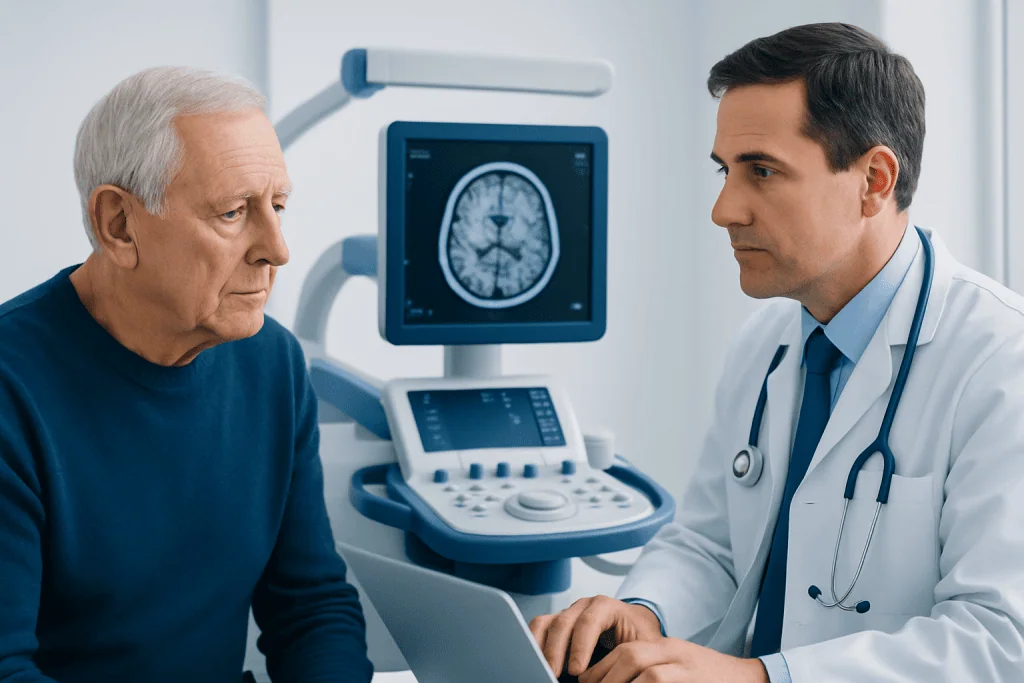
Occasional forgetfulness can happen with stress, poor sleep, or normal aging, but persistent changes deserve medical attention. People should consider seeing a doctor if memory problems are interfering with work, medication management, finances, driving, conversations, or other everyday tasks. Family members are often the first to notice repeated questions, getting lost, missed appointments, or difficulty following familiar routines.
Alzheimer’s symptoms do not begin the same way in every person. Early signs may include poor short-term memory, difficulty finding words, reduced judgment, confusion about time or place, or withdrawal from social activities. Some people show more problems with planning, organizing, or completing multistep tasks than with memory alone.
Medical assessment is also important because not all cognitive decline is caused by Alzheimer’s disease. Conditions such as depression, thyroid disorders, vitamin deficiencies, medication side effects, sleep apnea, infections, stroke, and other forms of dementia can cause similar symptoms. Early evaluation creates the best opportunity to identify reversible problems and begin proper support.
- Memory loss that disrupts daily life
- Confusion in familiar places
- Changes in language or judgment
- Difficulty managing bills, medicines, or appointments
- Noticeable personality, mood, or behavior changes
How Alzheimer’s Is Diagnosed

Diagnosing Alzheimer’s usually starts with a detailed medical history. The doctor asks about symptoms, when they began, how quickly they have changed, and how they affect daily life. Information from a spouse, adult child, or close friend can be especially helpful, because the person experiencing symptoms may not notice every change.
The evaluation often includes cognitive screening tests that assess memory, attention, language, and problem-solving. A physical and neurological examination can help identify signs of stroke, movement disorders, nerve problems, or other neurological conditions. Blood tests may be ordered to look for vitamin deficiencies, thyroid disease, infection, metabolic problems, or other treatable causes of cognitive symptoms.
Brain imaging may also be part of the workup. MRI or CT scans can help exclude tumors, bleeding, hydrocephalus, stroke, or significant vascular changes. In some cases, a specialist may recommend more advanced testing, such as formal neuropsychological assessment or biomarker-based studies, to better clarify the type of dementia and the stage of disease.
The doctor does not diagnose Alzheimer’s from imaging alone. Instead, the diagnosis is made by combining medical history, examination findings, cognitive testing, lab results, and imaging information. If another condition appears more likely, the doctor may investigate that diagnosis first, such as Parkinson’s disease or other neurological disorders that can affect cognition.
Who Coordinates Care After Diagnosis?
After Alzheimer’s is diagnosed, one doctor usually takes the lead in coordinating treatment and follow-up. This may be a neurologist, geriatrician, or memory clinic specialist, depending on the person’s age, health status, and local services. The lead clinician monitors symptoms over time, reviews medications, and helps the family plan for changing care needs.
Coordination is important because Alzheimer’s affects more than memory. It can influence sleep, mood, balance, mobility, nutrition, communication, and personal safety. For that reason, the doctor may work closely with mental health professionals, rehabilitation specialists, and community support services to create a practical plan that fits the person’s stage of illness.
Family and caregivers are a central part of follow-up. They often help track symptoms, supervise medicines, attend appointments, and report concerns such as wandering, falls, agitation, or poor appetite. Good coordination means caregivers have clear information about what to monitor, when to ask for help, and how to prepare for future decisions.
In specialized centers, coordination may include access to advanced evaluation methods and supportive therapies. Depending on the person’s symptoms, the care team may use neurological rehabilitation to support function, communication, mobility, or safe daily activity alongside medical treatment.
Treatment Options and Ongoing Management
There is no single cure for Alzheimer’s disease, so treatment focuses on maintaining function, managing symptoms, and supporting quality of life. Doctors may prescribe medicines that help some people with memory and thinking symptoms, while also addressing sleep problems, depression, anxiety, or behavioral changes when appropriate. Medication decisions are individualized, especially in older adults who may already take several drugs for other conditions.
Non-drug strategies are equally important. Structured routines, regular physical activity, good sleep habits, hearing and vision support, and a calm environment can reduce confusion and stress. Occupational therapy may help adapt daily tasks, while speech and language support can be useful if communication becomes harder.
Doctors also review safety at home and in the community. They may discuss driving, fall prevention, medication supervision, cooking safety, wandering risk, and emergency planning. If swallowing, weight loss, balance, or mobility problems develop, additional specialists may be involved to prevent complications and preserve independence for as long as possible.
Some patients may need brain imaging during the diagnostic process or later follow-up if symptoms change unexpectedly. In that setting, tests such as MRI can help assess structural changes or look for another neurological cause, while rehabilitation and supportive care remain central to long-term management.
Follow-Up Visits: What Doctors Monitor Over Time
Regular follow-up helps doctors understand how Alzheimer’s is progressing and whether the care plan still matches the patient’s needs. At these visits, the doctor may reassess memory, attention, communication, daily function, mood, sleep, and walking ability. Small changes can matter, especially if they affect safety, independence, or caregiver strain.
The doctor also watches for new medical problems that can worsen confusion, such as infections, dehydration, constipation, uncontrolled pain, medication interactions, or hospital-related delirium. Even when Alzheimer’s is established, a sudden decline is not always due to the disease itself, so new symptoms should be evaluated carefully.
Follow-up appointments are also a time to review future planning. Discussions may include legal and financial arrangements, advance care preferences, home support, respite services, and when more supervision may be needed. Families often find these conversations easier when they start early, before urgent decisions arise.
When symptoms are complex, a multidisciplinary approach can be especially helpful. Acibadem International’s multidisciplinary specialists in JCI-accredited hospitals diagnose and treat Alzheimer’s-related conditions for international patients, with coordinated input from neurology, geriatrics, psychiatry, imaging, and rehabilitation teams.
Supporting Daily Life: Self-Care and Caregiver Guidance
Self-care in Alzheimer’s disease is not only about the patient; it also includes the health of the caregiver. Doctors often encourage simple routines, physical activity suited to ability, balanced meals, hydration, medication organization, and regular sleep-wake schedules. Familiar surroundings, calendars, labels, and reminder cues may support daily function in the earlier stages.
Caregivers benefit from practical strategies such as giving one-step instructions, reducing background noise, allowing extra time, and avoiding arguments over confusion or misremembered events. When behavior changes occur, it helps to look for triggers such as pain, overstimulation, hunger, fatigue, or urinary problems rather than assuming the person is being difficult.
Support groups, respite care, and counseling can reduce caregiver stress and burnout. Doctors may suggest community dementia services, home safety assessments, or social work support to help families navigate changing needs. If movement changes, falls, or other neurological symptoms appear, related conditions such as dementia subtypes or vascular problems may need further review.
When to See a Doctor Urgently
Although Alzheimer’s usually progresses gradually, some symptoms need prompt medical attention. Families should contact a doctor urgently if the person has a sudden change in confusion, a new inability to walk, severe agitation, hallucinations that begin abruptly, fever, chest pain, shortness of breath, signs of stroke, or a fall with possible injury. Sudden worsening may point to infection, medication effects, dehydration, or another acute illness rather than the expected course of dementia.
It is also wise to seek medical advice if eating and drinking become difficult, weight loss is significant, sleep is severely disturbed, or the caregiver can no longer manage safely at home. These are common turning points when the care plan may need to change. Earlier support can help prevent crises and reduce stress for everyone involved.
If the diagnosis is uncertain, or if symptoms suggest another brain condition, referral for specialist evaluation may be needed. Depending on the findings, the team may arrange further cognitive testing, CT (computed tomography) or MRI imaging, or assessment by a psychiatrist or rehabilitation specialist to guide the next steps.
Frequently asked questions
What kind of doctor is best for Alzheimer’s?
A neurologist, geriatrician, or geriatric neurologist often plays the main role in Alzheimer’s care. A primary care doctor may start the evaluation and then refer the person to a memory specialist when needed. Psychiatrists can also help, especially when mood, sleep, or behavioral symptoms are prominent.
Can a primary care doctor diagnose Alzheimer’s?
Yes, a primary care doctor can begin the evaluation and may diagnose Alzheimer’s in some cases, especially when the symptoms and test results are clear. However, many patients are referred to a specialist for a more detailed assessment or to rule out other causes of cognitive decline.
What tests are usually done to diagnose Alzheimer’s?
Doctors usually combine medical history, cognitive screening, physical and neurological examination, and blood tests. Brain imaging such as MRI or CT may be used to look for stroke, tumors, bleeding, or other conditions that can mimic dementia. Some people may also need formal neuropsychological testing.
How often should a person with Alzheimer’s have follow-up visits?
The timing depends on the stage of disease, current symptoms, and treatment plan. Many people are seen regularly to monitor memory, daily function, safety, medication effects, and caregiver concerns. Visits may become more frequent if symptoms change or new problems arise.
Is there a cure for Alzheimer’s disease?
There is currently no cure that fully reverses Alzheimer’s disease. Treatment aims to manage symptoms, support daily function, improve safety, and help caregivers cope with changing needs. Early and ongoing medical care can still make a meaningful difference.
Should family members attend Alzheimer’s appointments?
Yes, it is often very helpful for a family member or trusted caregiver to attend appointments. They can describe changes that the patient may not notice, help track medications and symptoms, and understand the care plan. Their involvement also improves coordination and safety at home.
References
- World Health Organization
- National Institute on Aging
- Alzheimer's Association
- American Academy of Neurology
- National Health Service
This article is for general information only and is not a substitute for professional medical advice. Please consult a qualified doctor about your individual situation.
Explore treatments in Turkey — costs, top hospitals & a free quote
JCI-accredited · board-certified surgeons · reply within 24h
Add us as a Preferred Source to see more of our trusted health content across Google Search, AI Overviews and Discover.