Doctor for Alzheimer’s: How to Choose the Right Specialist and Center

A doctor for Alzheimer’s may be a neurologist, geriatrician, psychiatrist, or memory-disorders specialist. Early evaluation can help identify reversible causes of memory problems and confirm whether Alzheimer’s disease is likely.
Key Takeaways
- A doctor for Alzheimer’s may be a neurologist, geriatrician, psychiatrist, or memory-disorders specialist.
- Early evaluation can help identify reversible causes of memory problems and confirm whether Alzheimer’s disease is likely.
- A good center offers team-based care, including cognitive testing, brain imaging when needed, and support for caregivers.
- Families should look for clear communication, experience with dementia care, and a practical long-term follow-up plan.
- Bringing a symptom history, medication list, and input from a close family member can improve the first visit.
Choosing a doctor for Alzheimer’s often starts with understanding which specialists diagnose memory problems and how comprehensive care is organized. The right center can help confirm the cause of symptoms, create a treatment plan, and support both the patient and family over time.
Overview: Who Is the Right Doctor for Alzheimer’s?
A doctor for Alzheimer’s is usually a physician with experience in memory loss, thinking changes, and dementia. In many cases, the first step is a primary care doctor, who can review symptoms, check for common medical causes, and refer the person to a specialist when needed. Specialists commonly involved include neurologists, geriatricians, geriatric neurologists, psychiatrists, and doctors who work in dedicated memory clinics.
Alzheimer’s disease is the most common cause of dementia, but it is not the only one. Memory and behavior changes can also be related to medication side effects, depression, sleep disorders, vitamin deficiencies, thyroid problems, stroke, or other neurological conditions. Because the causes can overlap, choosing the right doctor means choosing someone who can look at the whole picture rather than focusing on one symptom alone.
For many families, the best choice is a center that provides multidisciplinary care. This means different professionals work together, such as doctors, neuropsychologists, radiologists, nurses, and rehabilitation experts. A coordinated team can help with diagnosis, treatment planning, safety concerns, caregiver education, and follow-up as needs change over time.
Which Specialists Diagnose and Treat Alzheimer’s?
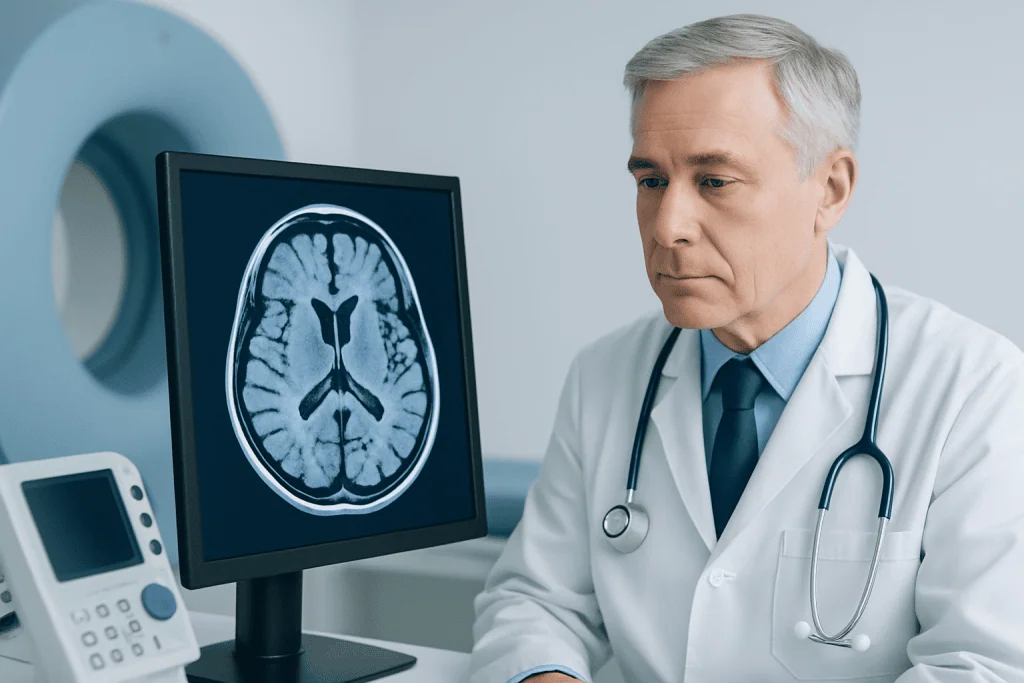
Several types of doctors may diagnose and manage Alzheimer’s disease. A neurologist specializes in the brain and nervous system and often evaluates memory problems, language changes, confusion, or difficulty with daily activities. A geriatrician focuses on the health needs of older adults and may be especially helpful when memory changes occur alongside frailty, multiple medications, or other chronic conditions.
A geriatric neurologist combines expertise in aging and neurological disease. This can be particularly useful when symptoms are complex or when there may be more than one cause of cognitive decline. Some people are also assessed by psychiatrists, especially if mood changes, hallucinations, anxiety, or sleep problems are prominent. In addition, neuropsychologists do not prescribe medicines, but they perform detailed testing that helps define the pattern and severity of cognitive changes.
Many larger hospitals offer a memory clinic or cognitive disorders center. These centers are designed for a more complete evaluation and are often helpful if symptoms are early, unusual, progressing quickly, or difficult to classify. If a doctor suspects Alzheimer’s disease, referral to a memory-focused service can improve diagnostic accuracy and care planning.
Signs It May Be Time to See an Alzheimer’s Specialist

Normal aging can involve occasional forgetfulness, such as misplacing an item or needing more time to remember a name. Alzheimer’s-related changes are usually more persistent and interfere with daily life. Examples include repeating the same questions, getting lost in familiar places, struggling to manage finances or medications, missing appointments, or having increasing trouble with language, planning, or judgment.
Family members often notice changes before the person affected does. Mood or personality changes may appear as withdrawal, irritability, apathy, suspicion, or reduced interest in hobbies. In some cases, the first sign is not memory loss but difficulty handling familiar tasks, confusion about time, or problems finding words during conversation.
A specialist evaluation is especially important if symptoms are getting worse, started suddenly, or are accompanied by falls, tremor, weakness, severe depression, hallucinations, or changes in walking. These features may point to another condition or to a mixed picture that needs careful review. Seeking help early can also make it easier to plan treatment, safety measures, and support while the person can still participate in decisions.
How Alzheimer’s Is Diagnosed at a Specialist Center
There is no single office test that diagnoses Alzheimer’s disease in every case. Diagnosis usually begins with a detailed medical history, including when symptoms started, how they have changed, and how they affect everyday life. The doctor also reviews medications, sleep, mood, alcohol use, other illnesses, and family history. Input from a spouse, adult child, or close friend is often very helpful because they may notice changes the patient does not recognize.
The medical evaluation commonly includes a physical and neurological examination as well as brief cognitive screening. Depending on the situation, more detailed neuropsychological testing may be recommended to measure memory, attention, language, visual-spatial skills, and executive function. Blood tests are often used to check for reversible or contributing causes such as thyroid disease, vitamin deficiencies, infection, or metabolic problems.
Brain imaging may be part of the work-up to look for stroke, bleeding, tumor, normal-pressure hydrocephalus, or patterns of shrinkage that support a neurodegenerative diagnosis. A doctor may request MRI imaging or a CT scan, depending on the person’s history and needs. In selected cases, advanced tests such as biomarker studies, lumbar puncture, or PET imaging may be discussed to clarify whether Alzheimer’s is the most likely explanation.
The goal of a thorough assessment is not only to label the condition but also to understand the stage, the risks, and the care needs. A good center explains the results in plain language and helps the family understand what is known, what remains uncertain, and what the next steps should be.
What to Look for in the Right Specialist and Center
When choosing a doctor for Alzheimer’s, experience matters. Families may want to ask whether the doctor regularly evaluates dementia, whether the center offers formal cognitive testing, and whether follow-up care is available. It is also reasonable to ask who will coordinate care over time, especially if the person has heart disease, diabetes, depression, sleep apnea, or other conditions that can affect cognition.
Communication is just as important as expertise. The right specialist should listen carefully, explain findings clearly, and involve both the patient and family in decision-making. Dementia care often unfolds over years, so a respectful and organized approach can make a significant difference. Written summaries, medication reviews, and practical guidance on driving, home safety, and future planning are often signs of a strong care model.
Centers with multidisciplinary support can be especially valuable. Depending on needs, this may include psychiatry, physiotherapy, occupational therapy, speech and language therapy, nutrition advice, and social work. If mobility, balance, or daily function are changing, a doctor may recommend supportive therapies such as physical therapy and rehabilitation to help maintain independence and safety.
For international patients or families seeking coordinated neurological evaluation, it can be helpful to choose a hospital with integrated diagnostic services and specialist teams. Near the end of the care pathway, some families also value centers such as Acibadem International, where multidisciplinary specialists in JCI-accredited hospitals evaluate and treat memory disorders with personalized follow-up planning.
Treatment and Ongoing Care After Diagnosis
Treatment for Alzheimer’s focuses on symptoms, daily function, safety, and quality of life. While current therapies do not cure the disease, they may help some people with memory, attention, or daily performance for a period of time. Doctors also address sleep problems, anxiety, depression, agitation, or other symptoms when they appear, always balancing potential benefits with possible side effects.
Care plans usually include more than medication. Structured routines, regular physical activity, social engagement, hearing and vision support, and management of medical conditions can all help overall function. If swallowing problems, speech changes, or weakness become concerns, targeted supportive therapies may be added. Some people also need help with mobility, fall prevention, or adapting the home environment.
Because Alzheimer’s can progress gradually, regular follow-up is important. A specialist may monitor changes in cognition, behavior, nutrition, driving safety, and the ability to manage finances, cooking, or medications. The doctor may also review whether another neurological condition is present, such as Parkinson’s disease, vascular changes, or another form of dementia that could influence treatment decisions.
Families should expect care to evolve over time. As needs increase, the center may help arrange caregiver education, occupational support, community resources, and advance care planning. A good doctor for Alzheimer’s sees treatment as an ongoing partnership rather than a single consultation.
How to Prepare for the First Appointment
Preparation can make the first visit much more useful. It often helps to bring a written timeline of symptoms, including when memory or behavior changes first appeared and how quickly they have progressed. Families should also bring a complete medication list, including over-the-counter products, vitamins, sleep aids, and herbal supplements, since some substances can worsen confusion.
It is usually a good idea for a trusted family member or friend to attend the appointment. They can provide examples of missed bills, repeated questions, getting lost, cooking mistakes, changes in mood, or unsafe situations at home. Specific examples often give the doctor a clearer picture than general statements like “memory is worse.”
Patients and families may also want to prepare questions in advance. Useful questions include what conditions are being considered, what tests are needed, what the likely stage is, how often follow-up will be needed, and what changes at home should happen now. If the evaluation may include imaging or procedural testing, the doctor can explain whether services such as neurological rehabilitation or other supportive interventions might become part of care later.
Finally, families should remember that an evaluation for Alzheimer’s is not only about diagnosis. It is also an opportunity to discuss daily function, caregiver strain, emotional support, legal planning, and future goals. The most helpful specialists create a realistic plan that supports both the patient and those involved in care.
When to Seek Prompt Medical Attention
Although Alzheimer’s usually develops gradually, some symptoms should be assessed quickly. Sudden confusion, abrupt worsening over hours or days, weakness on one side, trouble speaking, high fever, severe dehydration, new falls, or loss of consciousness may suggest a medical emergency rather than typical progression. In these cases, urgent medical evaluation is important.
Prompt review is also needed if the person becomes unsafe at home, stops eating or drinking, wanders, leaves appliances on, or shows severe agitation, hallucinations, or suspiciousness. These changes can sometimes be triggered by infection, medication effects, pain, constipation, poor sleep, or another medical problem that can be treated.
Even when symptoms are not urgent, families should not wait too long to ask for help. Early assessment can clarify the diagnosis, improve symptom management, and give the person more opportunity to take part in care decisions. A qualified doctor can guide the next steps in a way that is practical, respectful, and centered on long-term well-being.
Frequently asked questions
What kind of doctor is best for Alzheimer’s?
The best doctor for Alzheimer’s is often a neurologist, geriatrician, geriatric neurologist, or memory-disorders specialist. The right choice depends on the person’s age, symptoms, other health conditions, and whether a team-based memory clinic is available.
Can a primary care doctor diagnose Alzheimer’s?
A primary care doctor can begin the evaluation, review medications, order initial blood tests, and look for common causes of memory problems. If symptoms are ongoing or complex, referral to a specialist is often helpful for a more detailed diagnosis.
When should someone see a specialist for memory loss?
A specialist visit is a good idea when memory changes interfere with daily life, worsen over time, or are accompanied by confusion, personality changes, or difficulty managing usual tasks. Early evaluation can help rule out treatable causes and support better planning.
What tests are usually done for suspected Alzheimer’s?
Doctors usually combine a medical history, physical and neurological exam, cognitive testing, and blood tests. Brain imaging such as MRI or CT may also be used, and some people may need more specialized biomarker testing.
Is there a difference between a neurologist and a geriatrician for Alzheimer’s care?
Yes. A neurologist focuses on diseases of the brain and nervous system, while a geriatrician focuses on the broader health needs of older adults. Many people benefit from both, especially if they have memory problems along with multiple medical conditions.
What should families bring to the first Alzheimer’s appointment?
It helps to bring a list of symptoms, when they began, examples of daily difficulties, and a complete medication list. A family member or close friend should attend if possible, because their observations can improve the accuracy of the evaluation.
References
- World Health Organization
- National Institute on Aging
- Alzheimer's Association
- National Institute of Neurological Disorders and Stroke
- American Academy of Neurology
This article is for general information only and is not a substitute for professional medical advice. Please consult a qualified doctor about your individual situation.
Explore treatments in Turkey — costs, top hospitals & a free quote
JCI-accredited · board-certified surgeons · reply within 24h
Add us as a Preferred Source to see more of our trusted health content across Google Search, AI Overviews and Discover.

More from the Health Library



Related Specialists

Dyt. Eylül Çarpar
Nutrition & Diet
Prof. Dr. Dilaver Özturan
Otorhinolaryngology
Dr. Ahmet Varolan
Gynecology & Obstetrics
Dr. Ersin Adem Hadzhiyusein
Inpatient Clinic Physicians Clinical Service