Does Cataract Surgery Last a Lifetime: Procedure, Recovery and Results

Cataract surgery removes the natural lens, so the same cataract does not return. The implanted intraocular lens is intended to remain in the eye permanently.
Key Takeaways
- Cataract surgery removes the natural lens, so the same cataract does not return.
- The implanted intraocular lens is intended to remain in the eye permanently.
- Clouding of the lens capsule, called posterior capsule opacification, can blur vision months or years later and is usually treated with a laser procedure.
- Visual results depend on overall eye health, including the retina, optic nerve, cornea and presence of glaucoma or diabetes-related eye disease.
- Most people recover gradually over several weeks, with follow-up care helping the surgical team monitor healing and vision.
Cataract surgery is generally a permanent treatment because the eye’s natural cloudy lens is removed and replaced with an artificial intraocular lens that is designed to remain in place for life. Although a cataract cannot grow back, some people develop a treatable clouding behind the implant or have other eye conditions that affect vision later.
Does cataract surgery last a lifetime?
For most people, cataract surgery lasts a lifetime. During surgery, the eye’s cloudy natural lens is removed and replaced with a clear artificial lens called an intraocular lens (IOL), which is designed to stay in place permanently. Because the original lens has been removed, the same cataract cannot come back.
However, eyesight can still change as a person ages. A common reason for vision to become cloudy again is posterior capsule opacification (PCO), sometimes called a “secondary cataract.” This is not a new cataract: it is clouding of the thin membrane that supports the IOL. It can usually be cleared with a brief outpatient laser treatment.
The long-term quality of vision also depends on other parts of the eye. Conditions affecting the retina, optic nerve, cornea or eye pressure may influence the result before or after surgery. An ophthalmologist can explain what level of improvement is realistic for the individual eye.
How cataract surgery works
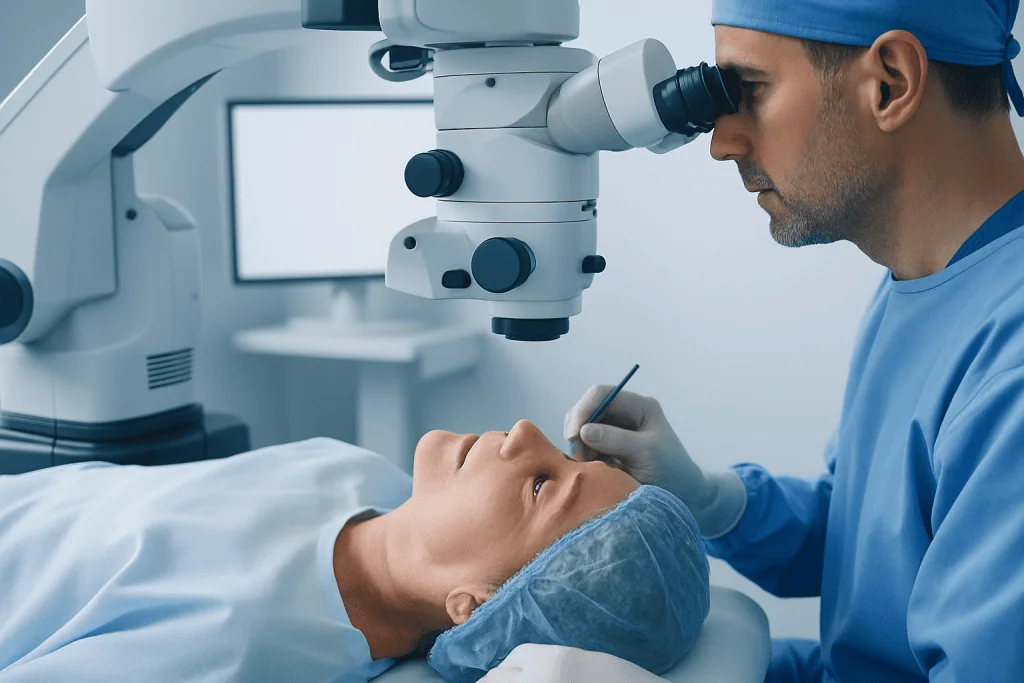
A cataract forms when the natural lens inside the eye becomes less transparent. This may make vision seem blurred, dim, faded or more sensitive to glare. Cataracts are most often related to aging, although they can also occur after an eye injury, with certain medicines, or alongside some health conditions.
The standard operation is usually phacoemulsification. Through a very small opening in the cornea, the surgeon uses ultrasound energy to break up the cloudy lens and gently removes the fragments. The thin lens capsule is usually left in place because it supports the artificial lens.
The surgeon then places an IOL inside the capsule. IOLs may be selected to address distance vision, near vision, astigmatism, or a combination of visual goals. The choice should be based on eye measurements, daily activities, eye health and a discussion of possible benefits and trade-offs. People considering surgery can learn more about cataract surgery and lens planning during a comprehensive ophthalmology assessment.
Who may benefit and how candidacy is assessed

Cataract surgery is typically considered when visual symptoms interfere with daily life, such as reading, driving, work, recognizing faces or safely managing activities at home. A cataract does not always need to be removed immediately; the timing is usually based on symptoms, examination findings and the person’s priorities rather than cataract appearance alone.
Before surgery, an ophthalmologist checks vision, eye pressure and the health of the cornea, retina and optic nerve. Measurements of the eye help calculate IOL power. The clinician also reviews medicines, allergies, past eye procedures and general health conditions that could affect planning or recovery.
Some people have eye conditions that may limit the amount of visual improvement possible, such as macular degeneration, diabetic retinopathy, glaucoma or corneal disease. Cataract removal may still be helpful, but clear preoperative counseling is important. Existing retinal problems, including diabetic retinopathy, may need monitoring and treatment alongside cataract care.
A person should tell the surgical team about blood-thinning medicines, prostate medicines, eye drops and any previous laser or eye surgery. They should not stop prescribed medication unless the clinician coordinating their care advises it.
What happens during the procedure
Cataract surgery is commonly performed as an outpatient procedure. The eye is usually numbed with anesthetic drops and, in some cases, additional local anesthesia or medicine to help the person relax may be used. The person remains awake in many cases but should not feel pain; mild pressure or awareness of lights may occur.
After cleaning the area around the eye, the surgeon makes a tiny incision, opens the front of the lens capsule and removes the cloudy lens using phacoemulsification or another appropriate technique. The selected IOL is then folded through the small opening and positioned inside the lens capsule. Most small incisions seal without stitches.
The procedure itself often takes a relatively short time, though the total visit includes preparation and recovery monitoring. Surgery is usually performed on one eye at a time. If both eyes need surgery, the second operation is commonly scheduled after the first eye has been assessed, although the timing varies by clinical circumstances.
Afterward, vision may initially be hazy, and the eye can feel mildly scratchy or watery. A protective shield may be used, particularly while sleeping, and a companion is generally needed to help the person travel home safely.
Recovery timeline and lasting visual results
Recovery differs from person to person, but many people notice some improvement within days. Vision can fluctuate early on as the eye heals, swelling settles and the brain adapts to the new lens. It may take several weeks for vision to stabilize, especially when there are pre-existing eye conditions or when a more complex surgery is needed.
Prescription eye drops are commonly used after surgery to reduce inflammation and lower the risk of infection. The exact schedule and duration are individualized. Follow-up appointments allow the ophthalmologist to check healing, eye pressure and vision, and to identify any complications early.
For a period advised by the surgeon, patients may need to avoid rubbing the eye, getting unclean water in the eye, heavy lifting, strenuous exercise and activities that could cause an injury. They should use any protective shield and eye drops exactly as directed. Reading, watching television and gentle walking are often possible soon after surgery if comfortable.
Even when surgery is successful, glasses may still be useful for certain tasks. This depends on the IOL selected, the person’s refractive needs and the health of the eye. An updated glasses prescription is normally considered after the eye has healed sufficiently.
Benefits, risks and posterior capsule opacification
The main expected benefit of cataract surgery is clearer vision and less glare caused by the cataract. Many people find that colors appear brighter and everyday tasks become easier. Surgery can also allow the ophthalmologist to examine and manage the retina more clearly when another eye condition is present.
Like all operations, cataract surgery has potential risks. These include infection, inflammation, bleeding, elevated or low eye pressure, corneal swelling, retinal detachment, changes in the position of the IOL and persistent visual symptoms. Serious complications are uncommon, but they require prompt assessment and can affect sight.
PCO is a common delayed cause of blurred vision after otherwise successful surgery. Cells can grow on the back portion of the lens capsule, making it less clear. If PCO is affecting vision, an ophthalmologist may recommend a YAG laser capsulotomy, which creates a small clear opening in the clouded capsule. This does not replace the IOL or mean the cataract has returned.
New flashes of light, a sudden increase in floaters, a curtain-like shadow, significant pain or rapid vision loss should not be assumed to be normal recovery. These symptoms need urgent eye assessment.
When to seek medical care
Anyone experiencing gradually worsening blurred vision, glare from headlights, difficulty reading despite updated glasses, faded colors or frequent changes in glasses prescription should arrange an eye examination. These symptoms can be caused by cataracts, but they may also occur with other eye conditions that need different care.
After cataract surgery, patients should contact their eye team promptly if they develop increasing pain, worsening redness, discharge, marked light sensitivity, nausea with eye pain, or vision that becomes substantially worse rather than gradually improving. Sudden vision loss, a dark curtain in the visual field, or new flashes and many floaters warrants urgent medical attention.
Regular eye examinations remain valuable after cataract surgery, even when vision is good. They help detect conditions that can develop independently of cataracts, such as glaucoma, retinal disease or changes related to diabetes.
Acibadem International’s multidisciplinary specialists and JCI-accredited hospitals provide assessment and treatment for international patients with cataracts and related eye-health needs.
Frequently asked questions
Can a cataract come back after surgery?
No. A cataract cannot come back because the natural lens in which it formed has been removed. Vision may become cloudy later because of posterior capsule opacification, which is a separate and commonly treatable condition.
How long does the artificial lens last after cataract surgery?
An intraocular lens is designed to remain in the eye permanently. It does not wear out in the way a natural lens becomes cloudy, although uncommon problems such as lens displacement can occur and need ophthalmic review.
Why is my vision cloudy years after cataract surgery?
Posterior capsule opacification is a frequent reason for cloudier vision months or years after surgery. An ophthalmologist can confirm the cause during an eye examination and may recommend a YAG laser capsulotomy if appropriate.
How soon can vision improve after cataract surgery?
Some people notice clearer vision within a few days, but the pace of recovery varies. Vision commonly continues to settle over several weeks, and recovery can take longer when other eye conditions are present.
Will glasses still be needed after cataract surgery?
Possibly. Whether glasses are needed depends on the selected IOL, the person’s prescription and the tasks they want to perform comfortably. Some people use glasses for reading, detailed work, driving or other specific activities.
What are warning signs after cataract surgery?
Increasing pain, worsening redness, discharge, severe light sensitivity or a significant drop in vision should be reported promptly. Sudden flashes, many new floaters or a curtain-like shadow require urgent eye assessment because they can indicate a retinal problem.
References
- American Academy of Ophthalmology
- National Eye Institute
- Mayo Clinic
- Royal College of Ophthalmologists
This article is for general information only and is not a substitute for professional medical advice. Please consult a qualified doctor about your individual situation.
Cataract Surgery in Turkey — costs, top hospitals & a free quote
JCI-accredited · board-certified surgeons · reply within 24h
Add us as a Preferred Source to see more of our trusted health content across Google Search, AI Overviews and Discover.

Ophthalmology
Comprehensive eye care from laser vision correction to retina, cornea and cataract surgery.
75 specialists in this unit