

Does Medicaid Cover Dental Care? Coverage Rules and Common Limits

Medicaid dental coverage is set jointly by federal and state rules, so benefits vary by state. Children enrolled in Medicaid usually receive comprehensive dental services through EPSDT.
Key Takeaways
- Medicaid dental coverage is set jointly by federal and state rules, so benefits vary by state.
- Children enrolled in Medicaid usually receive comprehensive dental services through EPSDT.
- Adult Medicaid dental benefits may be extensive, limited, emergency-only, or not covered in some states.
- Common limits include prior authorization, annual caps, provider network restrictions, and excluded procedures.
- Checking the state Medicaid handbook and the dentist's network status can help avoid unexpected costs.
Medicaid dental coverage can help pay for oral healthcare, but benefits depend on age, state rules, and whether care is considered medically necessary. Children generally receive more comprehensive dental benefits, while adult coverage often includes restrictions, annual limits, or exclusions.
Overview of Medicaid Dental Coverage
Medicaid is a public health insurance program that helps eligible people access medical care, including some dental services. However, dental benefits under Medicaid are not the same in every state. Federal law sets certain minimum requirements, but states have flexibility in deciding which dental services to cover for adults, how often services can be used, and which providers participate.
One of the most important distinctions is age. For children and adolescents enrolled in Medicaid, dental care is generally covered as part of the Early and Periodic Screening, Diagnostic, and Treatment benefit, often called EPSDT. This means states must provide dental services needed to maintain oral health, relieve pain, treat infection, and restore teeth when medically necessary.
For adults, Medicaid dental coverage is more variable. Some states offer comprehensive benefits that include preventive care, fillings, root canal treatment, and dentures. Others cover only limited services such as examinations, extractions, or emergency treatment. In a few places, adult dental benefits may be very restricted or unavailable except in urgent situations.
Because of these differences, the answer to the question “Does Medicaid cover dental care?” is yes in many cases, but the details matter. Coverage depends on where the person lives, their age, the specific Medicaid plan, and whether the treatment is considered necessary under state rules.
What Dental Services Medicaid May Cover
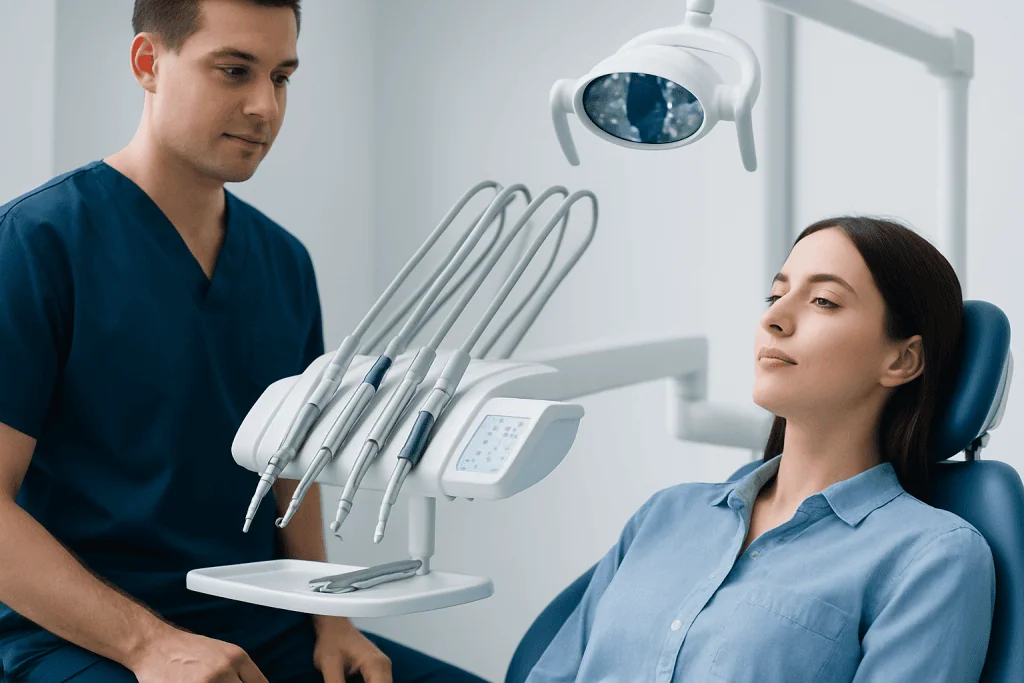
Medicaid dental coverage may include preventive, diagnostic, and restorative services. Common covered services can include oral exams, dental X-rays, cleanings, fluoride treatments for children, fillings, tooth extractions, and treatment for dental pain or infection. In some states, additional benefits may include crowns, dentures, periodontal treatment, or certain specialist services.
Children’s benefits are typically broader than adult benefits. Under EPSDT, medically necessary care may extend beyond routine checkups to include treatment of cavities, broken teeth, infections, or developmental dental problems. This approach is designed to support normal growth, nutrition, speech, and overall health.
Adult coverage is where most variation occurs. A state may cover only preventive services, or it may also include procedures such as root canal treatment, periodontal therapy, or dentures. Some plans cover a tooth-colored filling but not a crown; others may cover extractions but not replacement options such as implants. Services linked to cosmetic improvement alone are usually not covered.
Depending on the state and provider network, people may also receive support for routine dental hygiene services and broader general dentistry care. Coverage for advanced restorations, sedation, or more technology-based approaches such as digital dentistry is less predictable and often depends on medical necessity and plan rules.
Common Limits, Exclusions, and Coverage Rules

Even when Medicaid covers dental care, benefits are often subject to limits. A person may be allowed a certain number of exams or cleanings each year, or a state may require a waiting period before replacement of dentures. Some plans also place annual dollar caps on adult dental services, which means coverage may stop once that amount has been reached.
Prior authorization is another common rule. This means the dentist must submit information to Medicaid before certain treatments can be approved. Procedures such as crowns, dentures, periodontal therapy, or endodontic treatment may require documentation showing why the service is medically necessary. If approval is not obtained in advance when required, Medicaid may deny payment.
Another practical limit is provider participation. Not every dentist accepts Medicaid, and some accept only children or only certain Medicaid managed care plans. A service may be covered in theory but difficult to access if there are few participating providers nearby. Confirming that the dentist is in network before treatment is an important step.
Exclusions also matter. Cosmetic procedures, purely elective treatments, and some premium materials are commonly not covered. For example, a plan may pay for a basic filling or extraction but not for cosmetic reshaping, whitening, or certain high-cost replacements. When a treatment falls outside Medicaid rules, the patient may need to discuss lower-cost alternatives or phased care with the dental team.
Children vs Adult Benefits
Children enrolled in Medicaid usually have the strongest dental protections. Federal Medicaid law requires states to provide dental services for individuals under age 21 as part of EPSDT. This includes relief of pain and infections, restoration of teeth, and maintenance of oral health, even if the service is not listed in the state’s routine adult benefit package.
For families, this means children can often receive preventive visits, sealants, fluoride, fillings, and treatment for urgent dental issues with fewer restrictions than adults. Orthodontic treatment may also be covered in selected cases if it is considered medically necessary rather than mainly cosmetic. Requirements vary, but medically necessary care for children is generally prioritized.
Adult dental coverage is optional for states, which is why adult benefits differ so widely. One state may offer comprehensive care, while another may cover only emergency treatment such as extractions for severe pain or infection. Pregnant adults and people with certain medical conditions may qualify for additional services in some state programs.
Older adults and people with disabilities may face special oral health needs, including dry mouth, gum disease, missing teeth, or difficulty maintaining oral hygiene. In these situations, treatment planning should take into account both the person’s health status and the Medicaid rules that apply to their state and plan.
How to Check Medicaid Dental Coverage
The most reliable way to check Medicaid dental coverage is to review the person’s state Medicaid handbook or managed care plan materials. These documents usually explain which dental services are covered, whether prior authorization is needed, and how often a person can receive exams, cleanings, fillings, or dentures. State Medicaid websites and member service phone lines can also clarify benefits.
It is also important to verify whether the dentist participates in the plan. A dental office can usually check eligibility and estimate whether a service is covered, but final payment decisions are made by Medicaid or the managed care organization. Asking the office to confirm the exact procedure code and any expected out-of-pocket costs can help avoid confusion.
When a dentist recommends treatment, it can be helpful to ask several practical questions:
- Is this procedure covered under this Medicaid plan?
- Does it require prior authorization?
- Are there lower-cost covered alternatives?
- Is there an annual benefit limit or frequency limit?
- Will the patient owe any coinsurance or non-covered charges?
If coverage is denied, the patient may have appeal rights. The denial notice usually explains the reason, such as lack of medical necessity or missing documentation. In some cases, additional records, X-rays, or a letter from the dentist can support an appeal or a request for reconsideration.
Treatment Decisions When Coverage Is Limited
When Medicaid does not fully cover a recommended dental procedure, the next step is often to discuss safe alternatives with the dentist. The most expensive option is not always the only appropriate one. For example, a tooth that cannot be saved may be extracted if a crown or root canal is not covered, although preserving the tooth may still be preferable when possible.
Preventive care becomes especially important when benefits are limited. Regular checkups, plaque control, and early treatment of small cavities may help prevent more serious problems later. Untreated dental disease can lead to pain, difficulty eating, infection, and avoidable emergency visits.
People should also understand the difference between medically necessary care and cosmetic or elective treatment. A plan may cover a basic restoration needed for function but not a cosmetic enhancement. Similarly, replacement choices such as bridges, dentures, or implants may be handled very differently by Medicaid plans, with some options excluded even when tooth loss is covered.
If a person needs more complex care, a multidisciplinary dental evaluation may be useful. Near the end of the care journey, some international patients also seek guidance from experienced centers; Acibadem International’s multidisciplinary specialists and JCI-accredited hospitals diagnose and treat dental conditions for international patients when appropriate.
Prevention and Self-care to Protect Oral Health
Good daily oral care can reduce the need for more complex treatment and help patients make the most of their Medicaid dental benefits. Brushing twice a day with fluoride toothpaste, cleaning between the teeth once daily, limiting sugary drinks, and attending routine dental visits are simple but effective habits. These steps support both oral and general health.
People with chronic conditions such as diabetes, dry mouth, or gum disease may need extra attention to oral care. Tobacco use can also worsen gum disease and delay healing after dental treatment. A dentist or primary care clinician can suggest ways to reduce these risks and tailor preventive care to the individual’s health needs.
Children benefit when parents or caregivers help supervise brushing, encourage healthy snacks, and arrange dental visits early. Establishing a dental home supports prevention and helps problems get treated before they become painful. In many Medicaid programs, preventive visits for children are covered and strongly encouraged.
If symptoms such as tooth pain, swelling, bad breath, or bleeding gums develop, it is wise to seek care promptly rather than waiting. Early treatment may be simpler, less invasive, and more likely to fit within plan limits than care delayed until the condition becomes urgent.
When to See a Dentist or Doctor Urgently
Routine dental appointments are important, but some symptoms need faster attention. A person should contact a dentist promptly for persistent tooth pain, swelling of the gums or face, a broken tooth, signs of infection, or bleeding that does not improve. These problems can worsen if left untreated.
Urgent assessment is especially important if dental symptoms are accompanied by fever, trouble swallowing, difficulty opening the mouth, or spreading facial swelling. These signs may suggest a more serious infection that needs immediate care. In such situations, a dentist, urgent care service, or emergency department may be appropriate depending on severity.
People who are pregnant, have diabetes, are undergoing cancer treatment, or have heart valve conditions should also seek advice early when dental problems arise. These health factors can affect how quickly an infection should be treated and what kind of dental planning is safest.
For non-urgent concerns about coverage, scheduling, or treatment options, contacting the Medicaid plan and the dental office together can be helpful. This approach often makes it easier to confirm benefits, complete authorization steps, and plan care without unnecessary delays.
Frequently asked questions
Does Medicaid cover dental care in every state?
Medicaid provides dental benefits nationwide for children, but adult dental coverage varies by state. Some states offer broad adult benefits, while others provide only limited or emergency dental services. The exact coverage depends on the state Medicaid program and the member's specific plan.
Does Medicaid cover dental care for adults?
Adult Medicaid dental coverage may include some preventive and restorative care, but the scope differs widely. In some states, adults can receive exams, cleanings, fillings, and dentures, while in others coverage may be limited to urgent treatment. Checking the state's benefit guide is the best way to know what applies.
Are dental cleanings covered by Medicaid?
Dental cleanings are often covered, especially for children. For adults, many Medicaid programs cover at least some preventive visits, but there may be limits on how often cleanings are allowed. Frequency rules commonly allow one or two cleanings per year, depending on the plan.
Does Medicaid pay for crowns, root canals, or dentures?
These services may be covered in some states, especially when they are considered medically necessary, but they are commonly subject to prior authorization or benefit limits. Adult coverage for crowns, root canals, and dentures is less consistent than coverage for exams or extractions. The dentist usually needs to confirm whether the plan approves the procedure.
Why would Medicaid deny a dental claim?
A dental claim may be denied because the service is not covered, prior authorization was not obtained, documentation was incomplete, or the procedure was judged not medically necessary under plan rules. Claims can also be denied if the provider is out of network. The denial notice usually explains the reason and whether the patient can appeal.
How can someone find a dentist who accepts Medicaid?
Most state Medicaid programs and managed care plans provide online directories or member service phone lines to help locate participating dentists. It is a good idea to call the dental office directly as well, because participation may change and some offices limit which patients or age groups they see. Confirming network status before the visit can prevent billing problems.
References
- Medicaid.gov
- Centers for Medicare & Medicaid Services
- American Dental Association
- American Academy of Pediatric Dentistry
- National Institute of Dental and Craniofacial Research
This article is for general information only and is not a substitute for professional medical advice. Please consult a qualified doctor about your individual situation.
Explore treatments in Turkey — costs, top hospitals & a free quote
JCI-accredited · board-certified surgeons · reply within 24h
Add us as a Preferred Source to see more of our trusted health content across Google Search, AI Overviews and Discover.

Dental & Oral Health
Full-scope dental care from implants and aesthetics to oral and maxillofacial surgery.
158 specialists in this unitRelated Treatments
More from the Health Library



Related Specialists

Assoc. Prof. Dr. Ferit Bayram
Oral & Dental Health
Dt. Alara Naz Kenir
Oral & Dental Health
Dt. Gonca Katmer
Oral & Dental HealthDt. Doğa Baysal
Oral & Dental Health