

Does Wearing a Hat Cause Hair Loss? Causes, Explanations, and Next Steps

Everyday hat use usually does not cause permanent hair loss. Hair loss is more commonly linked to genetics, hormones, stress, illness, medications, or nutritional issues.
Key Takeaways
- Everyday hat use usually does not cause permanent hair loss.
- Hair loss is more commonly linked to genetics, hormones, stress, illness, medications, or nutritional issues.
- Very tight hats or helmets may irritate the scalp or contribute to traction-related hair loss in some people.
- Red flags include sudden shedding, patchy bald spots, scalp pain, redness, scaling, or hair loss with other symptoms such as fatigue or weight changes.
- A doctor can often identify the cause through a scalp exam, medical history, and sometimes blood tests or a skin sample.
In most cases, wearing a hat does not cause hair loss. Hair shedding or thinning is more often related to genetics, hormones, stress, illness, nutrition, medications, or scalp disease, although very tight headwear can occasionally contribute to breakage or traction-related hair loss.
Overview: Does Wearing a Hat Cause Hair Loss?
For most people, the short answer is no: wearing a hat does not usually cause hair loss. Routine use of caps, beanies, or other hats does not stop hair from growing, and it does not typically damage the hair follicle in a way that leads to permanent thinning.
This concern is common because people often notice hair in a hat, on a pillow, or in the shower and assume the hat caused it. In reality, shedding a certain number of hairs each day is normal, and hats may simply make those loose strands more noticeable. Hair loss is more often related to inherited pattern hair loss, hormonal changes, stress, illness, nutritional deficiencies, medications, or scalp conditions.
There are a few exceptions worth knowing. If headwear is very tight, causes repeated friction, or pulls on the same area of hair every day, it may contribute to hair breakage or a form of hair loss called traction alopecia. This is not the same as ordinary hat-wearing, and it usually develops from chronic tension rather than simply covering the scalp.
Because most cases are harmless and not caused by a hat, the focus should be on recognizing patterns that suggest another explanation. Sudden shedding, patchy hair loss, redness, flaking, pain, or itching deserve closer attention and may benefit from medical review.
How Hair Grows and Why Hats Are Often Blamed
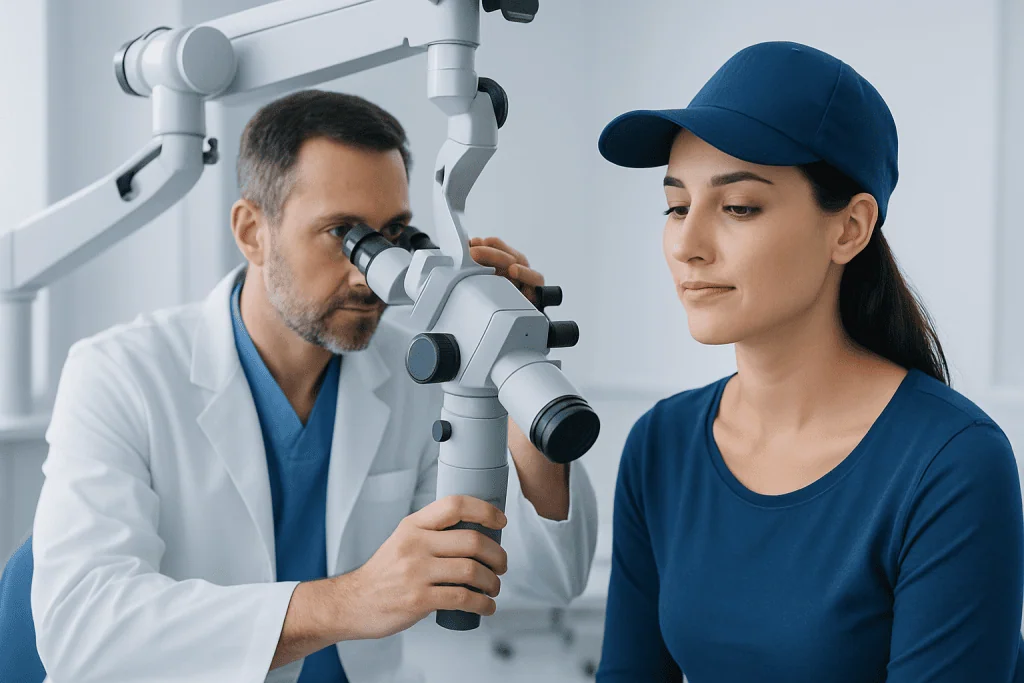
Hair grows from follicles in the scalp through a natural cycle of growth, transition, rest, and shedding. At any given time, some hairs are actively growing while others are nearing the end of their cycle. This is why daily shedding happens even in healthy scalps.
Hats do not usually interfere with this process. A common myth is that hats “smother” the scalp or reduce oxygen to the hair follicles. In normal daily use, this is not how hair biology works. Hair follicles receive blood supply and oxygen from beneath the skin, not from the air around the hair shaft.
Another reason hats get blamed is timing. Many people start wearing a hat more often during stress, seasonal weather changes, or after they begin noticing thinning. The hat may seem like the cause when it is actually unrelated. A careful look at the pattern of loss, how long it has been happening, and whether there are scalp symptoms often gives a clearer answer.
That said, headwear can affect the hair in indirect ways. Friction may increase breakage in fragile hair, sweating under a hat may worsen irritation in people prone to dandruff, and tight bands may repeatedly tug on the hairline. These effects can matter, but they are different from the broader and much more common medical causes of hair loss.
What Hair Loss Is More Likely to Mean

If a person is noticing more hair shedding or visible thinning, the cause is more likely to be one of several common medical or lifestyle factors. The most frequent cause is inherited pattern hair loss, which can affect both men and women and often develops gradually over time. This type may show up as a receding hairline, thinning at the crown, or widening of the part line.
Temporary shedding can also follow physical or emotional stress, fever, surgery, significant weight loss, childbirth, or an illness. In these situations, more hairs shift into the shedding phase at once. Hormonal changes, thyroid disorders, low iron, low protein intake, and certain medications may also contribute.
Scalp disorders are another important possibility. Conditions such as dandruff, seborrheic dermatitis, fungal infection, psoriasis, or inflammatory skin disease can affect the scalp environment and may lead to shedding or broken hairs. Patchy hair loss may point toward alopecia areata, an autoimmune condition that causes smooth, round bald patches.
When hair loss appears along with acne, irregular periods, increased facial hair, marked fatigue, unexplained weight changes, or brittle nails, the pattern may suggest a hormonal or nutritional issue rather than a problem caused by a hat. In these cases, a medical assessment can help identify the underlying reason and guide treatment.
Can Tight Hats or Helmets Ever Contribute?
Yes, but this is more limited than many people think. Very tight hats, helmets, headbands, or coverings that repeatedly rub the same area can contribute to mechanical stress on the hair. This may lead to hair shaft breakage, scalp irritation, or in some cases traction alopecia, especially if the hair is already pulled tightly underneath.
Traction alopecia develops when hair is under ongoing tension over time. It is more often linked to tight hairstyles such as braids, buns, extensions, or ponytails, but frequent use of constrictive headwear can add to the strain. Early signs can include soreness, small broken hairs near the hairline, or thinning where the pressure is greatest.
Helmets used for sports or work can also trap sweat and oil, which may worsen itching or irritation in people with sensitive scalps. However, this does not mean the helmet directly causes baldness. Usually, it is the combination of friction, moisture, and prolonged pressure that creates discomfort rather than permanent follicle damage.
Simple adjustments may help reduce this risk:
- Choose hats that fit comfortably rather than tightly.
- Avoid wearing the same high-pressure style every day for long periods.
- Keep hats and helmet liners clean.
- Let the scalp dry after exercise or sweating.
- Avoid combining tight headwear with tightly pulled hairstyles.
Red Flags and When to Seek Medical Care
Most hair loss is not an emergency, and many causes are treatable or manageable. Still, certain features make a medical review more important. A person should seek care if hair loss is sudden, severe, or clearly increasing over a short period of time.
Other reasons to be evaluated include bald patches, a rapidly receding hairline, thinning with scalp redness or scaling, pain, burning, pus, or significant itching. Hair loss that begins after a new medication, after a major illness, or along with changes in weight, energy, or menstrual cycles also deserves medical attention.
Children, teenagers, and anyone with hair loss plus signs of infection should be assessed promptly. Scarring forms of hair loss are less common, but early treatment matters because permanent follicle damage can occur if inflammation continues unchecked.
If concerns persist despite stopping tight headwear or changing hair habits, it is reasonable to arrange an appointment with a dermatologist or another qualified doctor. This is especially true when the pattern suggests more than simple breakage.
How Doctors Diagnose the Cause of Hair Loss
Diagnosis usually begins with a detailed medical history and scalp examination. The doctor may ask when the hair loss started, whether it is diffuse or patchy, how much shedding is noticed, what hairstyles or headwear are used, and whether there has been recent illness, stress, pregnancy, weight loss, or medication changes.
The scalp and hair are then examined closely for thinning patterns, broken hairs, inflammation, scaling, scarring, or signs of infection. In many cases, the appearance alone strongly suggests the cause. For example, a patterned distribution may indicate inherited hair loss, while smooth patches may raise suspicion for alopecia areata.
Depending on the findings, a doctor may recommend blood tests to look for thyroid problems, low iron, nutritional deficiency, or hormonal imbalance. Sometimes a gentle hair-pull test is used to assess active shedding. If the diagnosis remains uncertain, a small scalp biopsy may be advised to distinguish inflammatory or scarring disorders from non-scarring types of hair loss.
This step-by-step approach is helpful because hair loss has many possible triggers, and treatment works best when it matches the underlying cause. It also helps separate harmless shedding from conditions that need targeted care.
Treatment and Next Steps
Treatment depends on the reason for the hair loss, not on the presence of a hat alone. If friction or tension is contributing, the first step is reducing the mechanical stress by loosening headwear, changing hairstyles, and minimizing repeated pressure on the same area. If the problem is mainly breakage, gentle hair care and less heat or chemical processing may be enough.
For inherited pattern thinning, a doctor may discuss evidence-based options used to slow loss and support regrowth. These may include medical therapies, monitoring, and treatment of associated scalp issues. People with more advanced or persistent thinning may ask about specialist approaches such as hair transplant evaluation when appropriate.
If the cause is inflammatory or autoimmune, treatment may focus on calming the scalp and protecting follicles. This can include prescription medicines and close follow-up, particularly for conditions such as alopecia areata. In some cases, doctors may investigate broader hormonal or metabolic contributors and coordinate care accordingly.
When hair loss is linked to an underlying health issue, addressing that condition is often the most important next step. Depending on the findings, this may involve assessment in dermatology or a broader review in endocrinology if thyroid or hormonal factors are suspected. Near the end of the care journey, Acibadem International’s multidisciplinary specialists in JCI-accredited hospitals also diagnose and treat hair loss causes for international patients when specialist evaluation is needed.
Prevention and Scalp-Smart Self-Care
Healthy scalp habits can reduce breakage, irritation, and unnecessary worry. A hat that fits well, feels comfortable, and is kept clean is unlikely to harm hair. Washing according to hair type, managing dandruff or itch early, and avoiding harsh chemical or heat damage can support overall hair and scalp health.
People who regularly wear helmets or close-fitting hats may benefit from breathable materials, clean liners, and scalp care after sweating. If a hat leaves pressure marks or causes tenderness, it may be too tight. Rotating styles and avoiding prolonged daily tension on the same area can help protect the hairline.
General health also matters. Adequate nutrition, sufficient protein, stress management, and treatment of medical conditions can all influence hair growth more than hat use itself. It can also help to take photos over time rather than judging changes day to day, since normal shedding naturally varies.
If a person is unsure whether the issue is shedding, breakage, or true thinning, keeping notes on timing and triggers can be useful before a medical visit. This often makes it easier to identify patterns and decide whether further tests are necessary.
Frequently asked questions
Does wearing a hat every day cause baldness?
Usually no. Daily hat use does not normally damage hair follicles or stop hair growth. If a hat is extremely tight or causes repeated pulling or friction, it may contribute to breakage or traction-related thinning in some cases.
Why do I see hair inside my hat if the hat is not causing hair loss?
Loose hairs often shed naturally during the day, and a hat can simply collect them. This can make normal shedding more noticeable. Seeing some hairs in a hat does not automatically mean the hat caused the shedding.
Can hats make dandruff or scalp itch worse?
They can in some people, especially if heat, sweat, and oil build up under the hat. This may irritate an already sensitive scalp or worsen dandruff symptoms. Keeping hats clean and allowing the scalp to dry after sweating may help.
What kind of hair loss is linked to tight headwear?
The main concern is traction alopecia or mechanical breakage. This happens when hair is repeatedly pulled or rubbed, especially around the hairline or other pressure points. It is more likely when tight hats are combined with tightly styled hair.
How can I tell whether I have breakage or true hair loss?
Breakage often shows up as shorter, uneven hairs and frizz, especially where there is friction. True hair loss is more likely to cause visible thinning at the roots, increased shedding from the scalp, or patchy bald areas. A doctor can help distinguish between the two if it is unclear.
When should hair loss be checked by a doctor?
A medical review is a good idea if hair loss is sudden, patchy, painful, itchy, inflamed, or getting worse quickly. It should also be assessed if it follows a new medication or comes with fatigue, weight change, menstrual changes, or other symptoms. Early evaluation is especially important if scarring hair loss is suspected.
References
- American Academy of Dermatology
- National Institute of Arthritis and Musculoskeletal and Skin Diseases
- National Health Service
- Mayo Clinic
- British Association of Dermatologists
This article is for general information only and is not a substitute for professional medical advice. Please consult a qualified doctor about your individual situation.
Hair transplant in Turkey — costs, graft counts & a free assessment
JCI-accredited · board-certified surgeons · reply within 24h
Add us as a Preferred Source to see more of our trusted health content across Google Search, AI Overviews and Discover.
Check your numbers in seconds
BMI, calories, due date, blood pressure and 30+ more clinical calculators — free, instant, doctor-reviewed ranges.

More from the Health Library



Related Specialists

Prof. Dr. Taner Güneş
Orthopedic Surgery & Traumatology
Dr. Bedirhan Kahraman
Emergency Service
Assoc. Prof. Dr. Ertuğrul Emre Güntürk
Cardiology
Fzt. Canberk Altan
Physical Medicine & Rehabilitation