Dyslipidemia Treatment: How It Works, Results and What to Expect

Dyslipidemia often has no symptoms, so a blood test is essential for diagnosis and follow-up. Treatment targets LDL cholesterol, triglycerides and overall cardiovascular risk rather than one number alone.
Key Takeaways
- Dyslipidemia often has no symptoms, so a blood test is essential for diagnosis and follow-up.
- Treatment targets LDL cholesterol, triglycerides and overall cardiovascular risk rather than one number alone.
- Diet, physical activity, weight management and avoiding tobacco support treatment at every risk level.
- Statins are commonly used, but several medication options are available when additional lowering is needed.
- Regular monitoring helps clinicians adjust treatment safely and assess progress over time.
Dyslipidemia treatment lowers unhealthy cholesterol or triglyceride levels to reduce the long-term risk of heart attack, stroke and other blood-vessel disease. Care is individualized and usually combines sustainable lifestyle measures with medication when a person’s lipid levels or overall cardiovascular risk make it appropriate.
Dyslipidemia Treatment: How It Works
Dyslipidemia treatment improves abnormal levels of fats, called lipids, in the blood. These lipids include low-density lipoprotein (LDL) cholesterol, often called “bad” cholesterol; high-density lipoprotein (HDL) cholesterol; and triglycerides. Treatment focuses especially on lowering LDL cholesterol because excess LDL can build up in artery walls over time and contribute to atherosclerosis.
For many people, treatment begins with practical lifestyle changes and a repeat lipid blood test after an agreed period. If lipid levels remain high, or if the person has diabetes, cardiovascular disease, kidney disease, a strong family history, or other risk factors, a clinician may recommend medication alongside lifestyle care. The purpose is not simply to improve a laboratory result, but to lower the chance of future cardiovascular events.
There is no single treatment plan that suits everyone. A clinician considers the full lipid profile, age, blood pressure, smoking status, medical history, family history, current medicines and possible secondary causes. This personalized approach is part of the wider evaluation of coronary artery disease risk.
Is Dyslipidemia a Serious Condition?
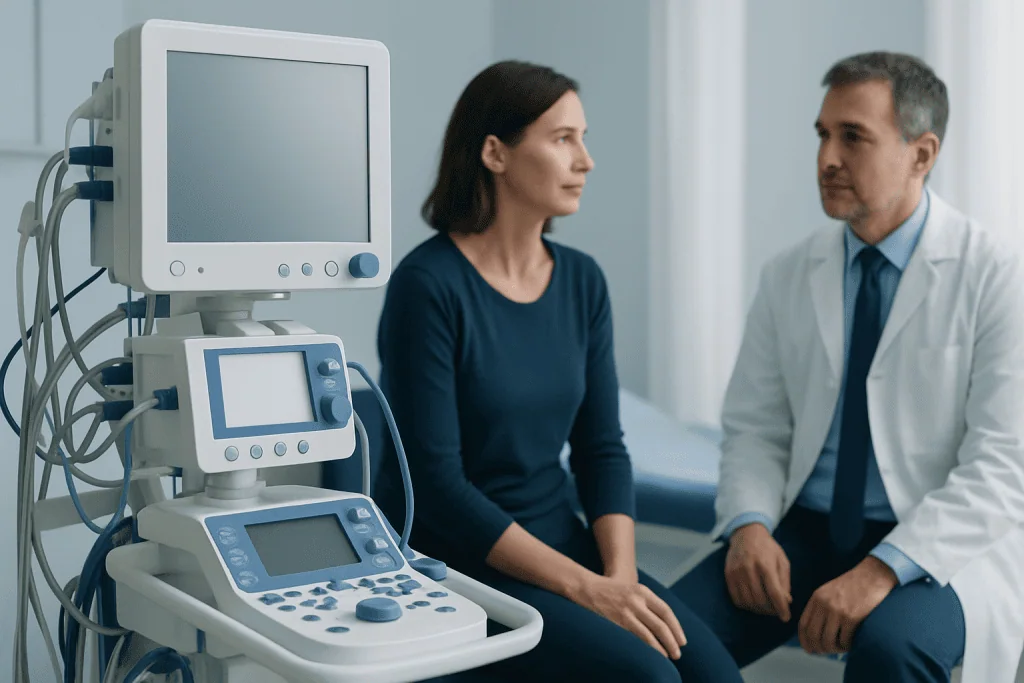
Dyslipidemia can be serious because persistently high LDL cholesterol or triglycerides may damage blood vessels gradually without causing noticeable symptoms. Over years, fatty deposits can narrow or stiffen arteries, increasing the risk of coronary artery disease, heart attack, stroke and peripheral artery disease.
The degree of risk varies substantially. A mildly elevated cholesterol level in an otherwise healthy person does not carry the same immediate concern as very high LDL cholesterol in someone with diabetes or established heart disease. Very high triglyceride levels can also raise the risk of acute pancreatitis, an inflammation of the pancreas that requires prompt medical assessment.
The reassuring point is that dyslipidemia is identifiable with a simple blood test and can usually be managed effectively. Early assessment and consistent treatment can meaningfully reduce long-term cardiovascular risk.
Who May Need Dyslipidemia Treatment?
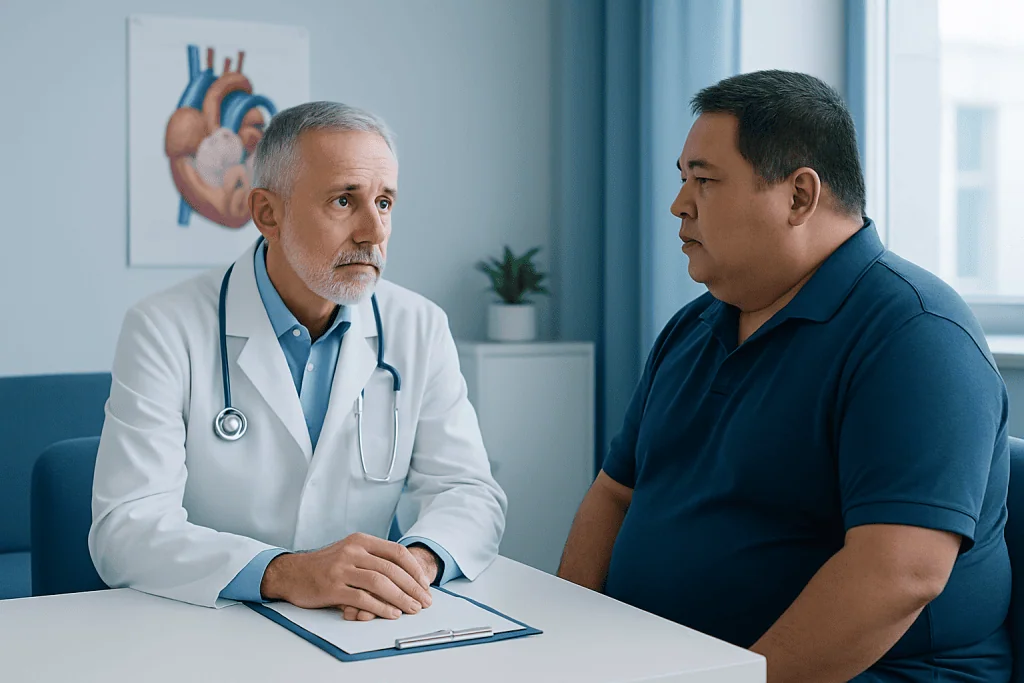
A lipid panel may be recommended during routine preventive care and more often for people with cardiovascular risk factors. Candidates for active treatment include people with high LDL cholesterol, elevated triglycerides, low HDL cholesterol in the context of other risks, or known atherosclerotic cardiovascular disease.
Medication may be considered sooner when LDL cholesterol is markedly elevated, when a person has had a heart attack or stroke, or when diabetes, chronic kidney disease or inherited lipid disorders are present. Familial hypercholesterolemia is an inherited condition that can cause very high LDL cholesterol from an early age and often needs intensive, lifelong management.
Clinicians also look for reversible contributors. These may include hypothyroidism, uncontrolled diabetes, kidney or liver disease, excess alcohol intake, certain medicines, dietary patterns and low physical activity. Addressing an underlying cause can be an important part of the treatment plan.
- Family history of early heart disease or very high cholesterol
- Diabetes, high blood pressure, obesity or smoking
- Prior heart attack, stroke or artery disease
- Persistently abnormal lipid blood tests
- Very high triglycerides or LDL cholesterol
What Is the Best Treatment for Dyslipidemia?
The best treatment for dyslipidemia is the one matched to the individual’s lipid pattern, causes and overall cardiovascular risk. Lifestyle measures are recommended for nearly everyone, while cholesterol-lowering medication is added when risk is higher or lifestyle changes alone are unlikely to achieve an appropriate LDL reduction.
Statins are commonly the first medication choice because they reduce LDL cholesterol and have strong evidence for lowering cardiovascular events in appropriate patients. Depending on the situation, clinicians may also use cholesterol-absorption inhibitors, injectable lipid-lowering therapies, bile acid sequestrants, or medicines aimed primarily at high triglycerides. The selection depends on treatment goals, other health conditions, tolerance and potential medicine interactions.
Rather than a one-time procedure, treatment is a continuing care process. It commonly involves a baseline assessment, shared treatment decisions, follow-up blood tests, review of side effects and adjustment where necessary. In some cases, specialist assessment through cardiology care is helpful, particularly for people with established cardiovascular disease, complex risk factors or suspected inherited dyslipidemia.
What to Expect: Assessment, Treatment Steps and Follow-Up
The first step is usually a fasting or non-fasting lipid panel, depending on the clinical question and local guidance. The clinician may also check blood pressure, blood glucose or hemoglobin A1c, thyroid function, kidney and liver function, and review family history and medications. These results help determine whether dyslipidemia is primary, inherited or related to another condition.
Next, the clinician discusses realistic goals and a treatment plan. This can include dietary changes, an activity plan, smoking cessation support, weight management when appropriate and medication. If medicine is prescribed, the person receives advice on how to take it, what side effects to report, and which follow-up tests are needed.
Blood lipids are often rechecked after treatment starts or changes, then at intervals based on individual risk and response. LDL cholesterol commonly improves within weeks of starting effective medication, while the long-term cardiovascular benefit develops through ongoing control. Treatment may be intensified, simplified or changed if targets are not being met or side effects occur.
There is generally no physical recovery period because dyslipidemia care does not involve surgery or an invasive procedure. The adjustment period is mainly practical: building sustainable habits, taking medication consistently and attending scheduled monitoring appointments.
Benefits, Possible Risks and Everyday Self-Care
The main benefit of dyslipidemia treatment is a lower risk of atherosclerotic cardiovascular disease over time. Lowering LDL cholesterol is especially important for people who already have heart or vascular disease, but preventive treatment can also benefit people at elevated risk before a first event occurs.
Lifestyle care usually emphasizes vegetables, fruits, legumes, whole grains, nuts, seeds and unsaturated fats such as olive oil; choosing fish and lean protein more often; and increasing dietary fiber. Regular aerobic activity and strength exercise, within a person’s abilities, can support healthier triglyceride levels, weight, blood pressure and blood sugar.
Medication side effects are possible but many people tolerate treatment well. Some people taking statins report muscle aches, while uncommon complications can include liver test abnormalities or changes in blood sugar. Clinicians can assess symptoms, check for other causes, adjust the dose or try another medicine if needed. Medicines should not be stopped without discussing concerns with the prescribing clinician.
For high triglycerides, limiting alcohol and reducing added sugars and refined carbohydrates may be particularly important. A clinician or registered dietitian can provide dietary advice that is safe, culturally appropriate and realistic for the individual.
Does Dyslipidemia Go Away?
Dyslipidemia may improve substantially with lifestyle changes, treatment of an underlying health condition and medication when needed. For example, lipid levels may improve after better diabetes control, treatment of hypothyroidism, weight loss where appropriate, reduced alcohol intake or changes to a medicine that affects lipids.
However, many people have a long-term tendency toward high cholesterol because of genetics, age, metabolism or ongoing health conditions. In these situations, dyslipidemia is managed rather than permanently cured. Stopping an effective medication often allows cholesterol levels to rise again, especially when an inherited cause is present.
Long-term treatment should be viewed as preventive care, similar to managing blood pressure. Regular follow-up allows the plan to evolve as health needs, risk factors and treatment preferences change.
What Foods Should You Avoid If You Have Dyslipidemia?
People with dyslipidemia do not usually need to avoid every favorite food forever, but it is helpful to limit foods that are high in saturated fat, trans fat, added sugar and heavily refined carbohydrates. The right balance depends on whether LDL cholesterol, triglycerides or both are elevated.
Foods to limit include processed meats, fatty cuts of red meat, butter, cream, full-fat cheese, pastries, commercially fried foods and products containing partially hydrogenated oils. Sugary drinks, sweets, frequent large portions of white bread or refined snacks, and excess alcohol can raise triglycerides in some people.
Instead, healthier swaps can include olive or other unsaturated oils in place of butter, high-fiber grains in place of refined grains, beans or fish in place of processed meats, and water in place of sugary beverages. A clinician can advise whether referral for nutrition support is useful, especially when triglycerides are very high or several medical conditions affect food choices.
When to Seek Medical Care
Arrange a routine medical appointment if a blood test shows high cholesterol or triglycerides, if there is a family history of early heart disease, or if a close relative has very high cholesterol. A clinician can assess cardiovascular risk, check for contributing conditions and discuss whether lifestyle measures alone are appropriate.
Seek urgent medical care for symptoms that could suggest a heart attack or stroke, including chest pressure or pain, sudden shortness of breath, fainting, new weakness or numbness on one side of the body, facial drooping, trouble speaking, or sudden severe confusion. These symptoms require emergency evaluation and should not be attributed to cholesterol alone.
Prompt medical review is also important for severe, persistent upper abdominal pain with nausea or vomiting, particularly in someone known to have very high triglycerides. Acibadem International’s multidisciplinary specialists and JCI-accredited hospitals diagnose and manage lipid disorders and related cardiovascular conditions for international patients.
Frequently asked questions
How long does dyslipidemia treatment take to work?
Lifestyle changes and lipid-lowering medicines can begin improving blood lipid levels within weeks. The timing of follow-up testing varies, but clinicians commonly recheck levels after starting or changing treatment. Cardiovascular protection depends on maintaining control over the long term.
Can dyslipidemia be treated without medication?
Some people with mild lipid abnormalities and low overall cardiovascular risk may improve with dietary changes, regular physical activity, weight management and avoiding tobacco. However, medication may still be recommended for very high LDL cholesterol, high cardiovascular risk, diabetes or established heart and vascular disease. A clinician can help determine the safest approach.
Are statins safe for long-term use?
Statins are widely used and are considered safe and effective for many people when clinically indicated. Side effects can occur, so symptoms and relevant blood tests should be discussed with the prescribing clinician. If one statin is not well tolerated, another dose or treatment option may be considered.
What level of cholesterol is dangerous?
There is no single cholesterol number that has the same meaning for every person. LDL cholesterol levels are interpreted alongside age, blood pressure, diabetes, smoking, kidney disease, family history and prior cardiovascular events. Very high LDL cholesterol or triglycerides should be assessed promptly by a healthcare professional.
Can high triglycerides cause symptoms?
High triglycerides usually do not cause symptoms. Extremely high levels can increase the risk of pancreatitis, which may cause severe upper abdominal pain, nausea and vomiting. Routine blood testing is the most reliable way to identify elevated triglycerides.
Should dyslipidemia treatment continue if cholesterol becomes normal?
Normal results may mean that lifestyle measures or medication are working. A person should not stop prescribed treatment based on one result without speaking to their clinician, because lipid levels can rise again after treatment is stopped. Ongoing monitoring helps guide safe decisions.
References
- American Heart Association
- American College of Cardiology
- National Heart, Lung, and Blood Institute
- European Society of Cardiology
- World Health Organization
This article is for general information only and is not a substitute for professional medical advice. Please consult a qualified doctor about your individual situation.
Heart care in Turkey — expert evaluation and treatment
JCI-accredited · board-certified surgeons · reply within 24h
Add us as a Preferred Source to see more of our trusted health content across Google Search, AI Overviews and Discover.
Check your numbers in seconds
BMI, calories, due date, blood pressure and 30+ more clinical calculators — free, instant, doctor-reviewed ranges.