Eczema on Black People Skin: An Evidence-Based Guide for Patients

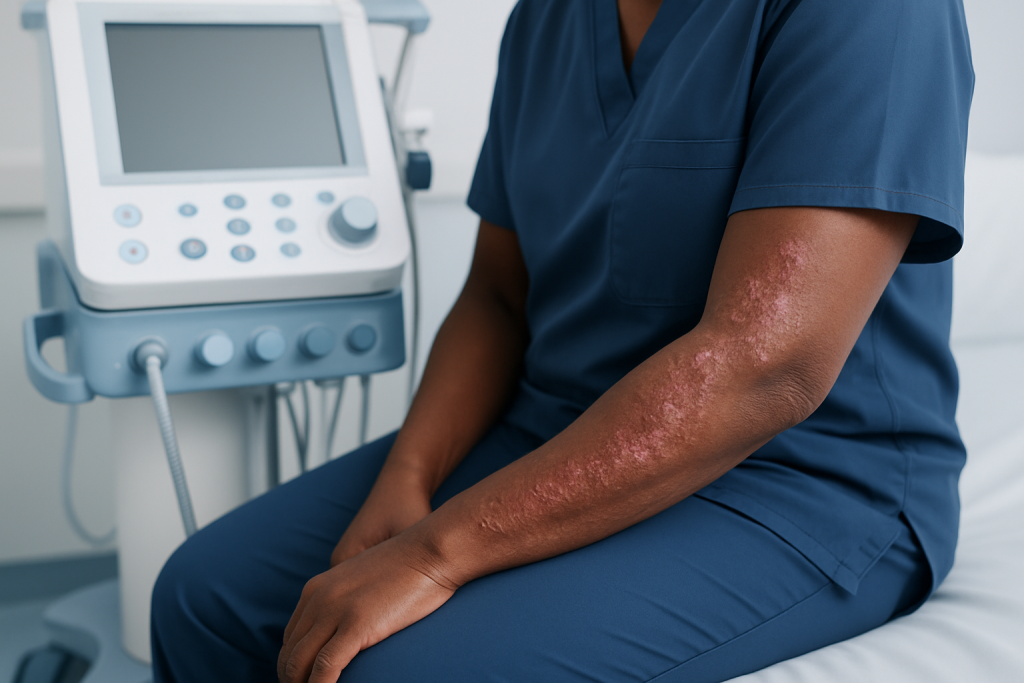
Eczema in darker skin may look gray, violet, brown, or ashen instead of bright red. Itching, dryness, thickened skin, and post-inflammatory color changes are common.
Key Takeaways
- Eczema in darker skin may look gray, violet, brown, or ashen instead of bright red.
- Itching, dryness, thickened skin, and post-inflammatory color changes are common.
- Diagnosis is usually clinical, but patch testing or other evaluation may be needed if the rash is persistent or unclear.
- Treatment focuses on gentle skin care, trigger control, and anti-inflammatory medicines when needed.
- Early treatment can help reduce flares, discomfort, and long-lasting pigmentation changes.
Eczema on black people skin often appears differently than it does on lighter skin, so it may be missed or mistaken for another rash. In darker skin tones, eczema can look violet, gray, dark brown, or ashen and may leave lasting light or dark marks after inflammation settles.
Overview: how eczema can look on Black skin
Eczema on black people skin is common, but it may not match the images many patients see online or in general health materials. Instead of appearing pink or bright red, inflamed areas may look dark brown, purple, gray, or ashy. This difference matters because it can delay recognition and treatment, especially when the main symptoms are severe itching, dryness, and rough patches rather than obvious redness.
The term eczema usually refers to a group of inflammatory skin conditions, with atopic dermatitis being the most common type. It weakens the skin barrier, making the skin more likely to lose moisture and react to irritants, allergens, heat, sweating, and friction. In people with richly pigmented skin, repeated inflammation may also lead to post-inflammatory hyperpigmentation or hypopigmentation, meaning the skin becomes darker or lighter after a flare.
Black patients may also be more likely to develop certain patterns of eczema, including bumps around hair follicles, thickened plaques from chronic scratching, and accentuated lines on the palms or affected skin. Because these features can overlap with other disorders, accurate assessment by a clinician familiar with skin of color can be especially helpful. Related conditions such as psoriasis or fungal rashes can sometimes look similar at first glance.
Symptoms and visible changes
The most common symptom of eczema is itching. The itch may be mild at first or intense enough to disturb sleep, concentration, or daily comfort. Dryness, tightness, rough texture, and recurring rash are also typical. In infants and children, eczema often affects the cheeks, scalp, and outer limbs, while older children and adults more often develop it in the elbow creases, behind the knees, on the hands, neck, eyelids, or around the ankles.
On darker skin, the rash may appear:
- Gray, purple, dark brown, or ashen rather than red
- Raised with small bumps, especially around hair follicles
- Thickened or leathery from repeated rubbing or scratching
- Dry and scaly with fine cracking
- Lighter or darker than the surrounding skin after healing
Scratching can worsen inflammation and may break the skin, increasing the chance of infection. Signs that suggest infection include oozing, crusting, unusual tenderness, warmth, pus, or rapidly increasing pain. If eczema affects visible areas such as the face or hands, it can also affect self-confidence and quality of life, particularly when discoloration lasts longer than the active rash.
Some patients also notice seasonal flares or symptoms linked to soaps, fragrances, laundry products, wool, stress, dust, or sweating. Keeping track of where and when symptoms appear can help identify patterns and support more individualized treatment.
Why eczema happens and what can trigger it

Eczema is not caused by poor hygiene. It develops through a combination of genetics, immune system activity, and environmental exposures. Many people with atopic dermatitis have a skin barrier that does not hold moisture well, which leaves the skin dry and more vulnerable to irritation. A personal or family history of eczema, asthma, or allergies can increase the likelihood of developing it.
Common triggers vary from person to person but often include fragranced products, harsh cleansers, long hot showers, low humidity, dust mites, sweating, overheating, stress, and rough fabrics. In some cases, allergic contact dermatitis can occur alongside eczema, making the rash harder to control until the trigger is identified. Nickel, hair products, preservatives, and some topical ingredients may be relevant for certain patients.
For Black patients, several practical factors can influence symptoms. Daily routines involving hair and skin products may introduce fragrances or preservatives that irritate sensitive skin. Some moisturizers feel too light to control severe dryness, while others may be too fragranced or comedogenic for facial areas. The goal is usually to find fragrance-free, barrier-supportive care that can be used consistently without discomfort or cosmetic concerns.
Diagnosis and conditions that can mimic eczema
Doctors usually diagnose eczema by examining the skin and asking about itching, flare patterns, family history, and possible triggers. There is no single blood test that confirms eczema in most cases. Because inflammation appears differently on darker skin, diagnosis depends on the full clinical picture rather than redness alone.
Several conditions can resemble eczema, including fungal infections, seborrheic dermatitis, scabies, contact dermatitis, lichen planus, and psoriasis. In children, pityriasis alba or other causes of lighter patches may also be considered. If the rash is unusual, one-sided, painful, infected, or not improving with standard treatment, the clinician may reassess the diagnosis.
Additional tests are sometimes useful. Patch testing may help if allergic contact dermatitis is suspected, especially when symptoms affect the face, eyelids, hands, or areas exposed to cosmetics, hair products, or metals. Less commonly, a skin scraping or biopsy may be recommended to rule out other conditions. Seeing a dermatologist experienced with skin of color can help avoid misdiagnosis and support treatment that also addresses pigmentation concerns.
Treatment options and skin care strategies
Treatment aims to calm inflammation, reduce itching, repair the skin barrier, and prevent future flares. For most patients, the foundation is regular moisturizing with a thick, fragrance-free cream or ointment applied at least once or twice daily and after bathing. Short lukewarm showers, gentle cleansers, and immediate moisturization can make a meaningful difference over time.
When eczema is active, doctors often prescribe anti-inflammatory medicines such as topical corticosteroids or non-steroid creams. The choice depends on the patient’s age, the location of the rash, the severity, and how often flares occur. In moderate to severe disease, additional options may include light therapy, oral medicines, or biological therapy under specialist supervision. The treatment plan should also consider the risk of post-inflammatory pigment changes and the cosmetic impact of visible lesions.
Patients with thickened, itchy skin may need a different approach than those with mainly dry, patchy eczema. Wet wrap therapy, itch-control routines, and treatment of secondary infection can be helpful in selected cases. If allergic triggers are suspected, clinicians may advise patch testing and stricter avoidance of irritants. In persistent or complex cases, a dermatology evaluation can help confirm the diagnosis and refine therapy.
If color changes remain after the flare has settled, doctors usually focus first on stopping active inflammation and preventing scratching. Pigmentation often improves gradually, but it can take time. Treatment for discoloration should be individualized, especially on darker skin, where irritation from overly aggressive products may worsen the problem rather than improve it.
Prevention, daily routines, and self-care
Prevention often centers on protecting the skin barrier and reducing triggers. A simple, consistent routine is usually more effective than using many products at once. Fragrance-free cleansers, rich moisturizers, breathable clothing, and avoiding known irritants are common starting points. During dry weather, a humidifier may help some people, especially if indoor air is very dry.
Helpful self-care habits include:
- Bathing with lukewarm rather than hot water
- Using mild, fragrance-free skin and laundry products
- Applying moisturizer immediately after bathing
- Keeping nails short to reduce skin injury from scratching
- Managing heat, sweating, and friction during exercise or warm weather
- Seeking advice before trying strong exfoliants or heavily fragranced oils
Stress does not cause eczema by itself, but it can contribute to flares for some people. Sleep support, stress reduction techniques, and realistic skin care routines can improve symptom control. Parents of children with eczema may benefit from keeping a symptom diary to identify patterns with clothing, weather, soaps, and school or household exposures.
Patients should be cautious with home remedies promoted on social media. Natural does not always mean gentle, and some oils, acids, or herbal products may irritate inflamed skin or trigger allergic reactions. If a rash is spreading or painful, self-treatment should not replace medical advice.
When to seek medical care
Medical care is appropriate if a rash is persistent, very itchy, painful, interfering with sleep, or affecting daily life. A doctor should also evaluate eczema that is spreading, recurring frequently, or not improving with gentle skin care and over-the-counter measures. Early assessment can be especially useful when the appearance is subtle but the itch is severe.
Prompt medical attention is important if there are signs of infection, such as yellow crusting, pus, warmth, fever, or rapidly worsening tenderness. People should also seek help if they notice widespread color change after flares, uncertain diagnosis, or possible triggers related to cosmetics, metals, or work exposures. In children, medical review is advisable if feeding, sleep, or growth seems affected by skin symptoms.
For patients who need specialist assessment, Acibadem International’s multidisciplinary specialists and JCI-accredited hospitals diagnose and treat skin conditions for international patients. Depending on the case, clinicians may coordinate allergy evaluation or other supportive care when eczema overlaps with allergic disease.
Frequently asked questions
What does eczema look like on Black skin?
Eczema on Black skin may look purple, gray, dark brown, or ashen rather than red. It can also appear as small raised bumps, thickened patches, or dry scaly areas with lighter or darker marks left behind after the flare improves.
Is eczema more severe in darker skin tones?
Severity varies from person to person, but eczema in darker skin can be underrecognized because the color changes may be less obvious to non-specialists. Delayed diagnosis or treatment may allow itching, thickening, and pigment changes to become more noticeable.
Can eczema cause dark spots or light spots?
Yes. After inflammation settles, eczema can leave darker or lighter areas called post-inflammatory hyperpigmentation or hypopigmentation. These changes often improve gradually, but they may take weeks to months and are best managed by controlling active inflammation early.
How is eczema treated on Black skin?
Treatment principles are the same across skin tones: repair the skin barrier, avoid triggers, and reduce inflammation. Doctors often recommend fragrance-free moisturizers and, when needed, prescription topical medicines or other therapies based on severity and body area.
Can hair and skin products trigger eczema?
Yes. Fragrances, preservatives, certain oils, and other ingredients in hair or skin products may irritate sensitive skin or cause allergic contact dermatitis. If flares often affect the hairline, face, neck, or hands, a clinician may review product ingredients or suggest patch testing.
When should someone with eczema see a dermatologist?
A dermatologist should be considered if the rash is severe, frequently recurring, infected, or not improving with basic skin care and standard treatment. Specialist review is also helpful when the diagnosis is uncertain or when long-lasting discoloration is a major concern.
This article is for general information only and is not a substitute for professional medical advice. Please consult a qualified doctor about your individual situation.
Eczema in Turkey — costs, top hospitals & a free quote
JCI-accredited · board-certified surgeons · reply within 24h
Add us as a Preferred Source to see more of our trusted health content across Google Search, AI Overviews and Discover.

More from the Health Library

Inj HCG — Explained by Medical Evidence, Not Myths

Argininum: A Complete Medical Overview

Vitreous Humor — Explained by Medical Evidence, Not Myths

Pink Noise for Sleep: An Evidence-Based Guide for Patients

Bleeding Tummy Button: What Patients Need to Know