

Eczema on Eyelid: What Patients Need to Know
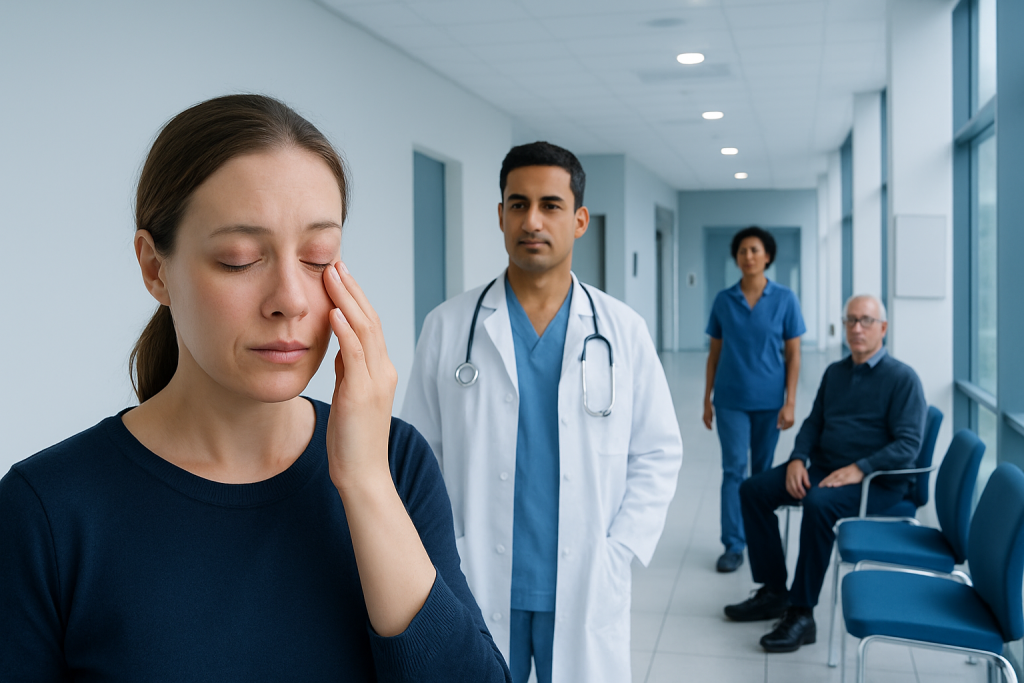
Eczema on eyelid commonly causes itching, dryness, redness, scaling, and burning on the delicate eyelid skin. Common triggers include cosmetics, skin care products, airborne allergens, rubbing, and underlying skin conditions such as atopic dermatitis or contact dermatitis.
Key Takeaways
- Eczema on eyelid commonly causes itching, dryness, redness, scaling, and burning on the delicate eyelid skin.
- Common triggers include cosmetics, skin care products, airborne allergens, rubbing, and underlying skin conditions such as atopic dermatitis or contact dermatitis.
- Because eyelid skin is very thin, treatment should be guided by a qualified clinician and may include gentle moisturizers and carefully selected prescription medicines.
- Persistent, painful, swollen, or infected-looking eyelid rash should be assessed by a doctor, especially if vision changes are present.
- Avoiding triggers and protecting the skin barrier are important parts of long-term control.
Eczema on eyelid usually causes dry, itchy, red, or irritated skin on the eyelids and around the eyes. It is often linked to sensitive skin, allergies, irritants, or other forms of dermatitis, and it can usually be managed with gentle skin care and appropriate medical treatment.
Overview: what eczema on eyelid means
Eczema on eyelid refers to inflammation of the delicate skin of the upper or lower eyelids. Patients often notice itching, dryness, redness, scaling, stinging, or a feeling of tightness around the eyes. In many cases, this is a form of dermatitis rather than a single disease, and the cause may be irritation, allergy, or an underlying tendency toward sensitive skin.
The eyelids are especially vulnerable because the skin in this area is thin and frequently exposed to products and environmental triggers. Even items that are tolerated elsewhere on the face or body may irritate the eyelids. Small amounts of shampoo, soap, makeup, nail products, fragrance, or airborne particles can be enough to trigger a reaction.
Eyelid eczema is often manageable, but the best approach depends on the cause. Some people have flare-ups related to atopic dermatitis, while others develop symptoms from contact dermatitis after exposure to a trigger. Because the eye area is sensitive, persistent symptoms should be evaluated rather than treated repeatedly without guidance.
Common symptoms and how it may look
Symptoms can range from mild dryness to more noticeable inflammation. The eyelids may appear pink, red, darker than usual, or mildly swollen. Patients often describe itching, burning, tenderness, or flaking, and some wake up with irritated eyelids after contact with an overnight trigger such as creams, hair products, or pillow residue.
During a flare, the skin may become rough, cracked, or thickened from repeated rubbing. In lighter skin tones, eczema often looks red and scaly. In darker skin tones, it may appear purple-brown, gray-brown, or darker than the surrounding skin. After inflammation settles, temporary color changes can remain for some time.
Watery eyes, sensitivity, or discomfort around the lash line may occur, but eczema itself usually affects the skin rather than the inside of the eye. If crusting is severe, the eyelid is very swollen, or there is pus, warmth, significant pain, or visual change, another condition such as infection or an eye disorder may need to be ruled out.
- Itching or burning
- Dry, flaky, or scaly skin
- Redness or skin darkening
- Mild swelling
- Cracking or tenderness
- Symptoms that come and go with product use or environmental exposure
Why eyelid eczema happens

Eyelid eczema can happen for several different reasons. One common cause is irritant dermatitis, where the skin reacts to substances that disrupt the skin barrier. Examples include cleansers, soaps, makeup removers, shampoos, retinoids, acne products, or over-washing. Because the eyelids have limited natural protection, they react quickly to drying or irritating ingredients.
Another frequent cause is allergic contact dermatitis. This happens when the immune system reacts to a specific ingredient after repeated exposure. Common triggers include fragrance, preservatives, nail polish, eyelash glue, hair dye, metals such as nickel, topical antibiotics, and certain eye drops. Sometimes the product causing the rash is not used on the eyelid at all; it may be transferred by the fingers from the hands or nails.
Some patients have eyelid eczema as part of a broader skin condition. Seborrheic dermatitis can affect the eyelid margins and nearby facial skin, while atopic dermatitis increases skin sensitivity and dryness overall. Less commonly, eyelid inflammation can be related to rosacea, blepharitis, psoriasis, or other dermatologic and ophthalmic conditions. This is one reason a careful diagnosis matters.
Triggers and risk factors to know
Triggers vary from person to person, and identifying them is often one of the most useful parts of care. Cosmetics are a common source, including mascara, eyeliner, eye shadow, concealer, sunscreen, anti-aging creams, and makeup remover. Fragranced facial products and essential oils are also common irritants, especially when applied close to the eyes.
Not all triggers are obvious. Nail polish, artificial nails, and hand creams can be transferred to the eyelids through touching or rubbing. Airborne exposures such as dust, pollen, sprays, and workplace chemicals may settle on the eyelids. Cold weather, low humidity, stress, and lack of sleep can worsen an already fragile skin barrier.
People with a history of eczema, asthma, hay fever, sensitive skin, or allergies may be more prone to eyelid dermatitis. Frequent rubbing because of itchy eyes can make symptoms persist. Contact lens solutions, medicated eye drops, and even some “natural” products can also trigger reactions, so it is helpful to review everything that goes on the face, scalp, hands, and nails.
How doctors diagnose eyelid eczema
Diagnosis usually begins with a clinical assessment. A doctor asks when the rash started, whether it comes and goes, what products are used on the face and hair, and whether there is a personal history of eczema or allergies. The appearance and location of the rash can provide important clues, especially if one or both eyelids are involved.
An examination helps distinguish eczema from other causes of eyelid irritation such as infection, blepharitis, rosacea, psoriasis, or swelling linked to an eye problem. If symptoms are recurrent or there is suspicion of allergy, patch testing may be recommended. Patch testing can identify allergic contact dermatitis by checking whether the skin reacts to specific substances over time.
When eye symptoms are prominent, an ophthalmologist may also be involved. This is especially important if there is significant eyelid swelling, crusting, eye pain, light sensitivity, or concern about the ocular surface. In multidisciplinary settings, evaluation may include dermatology and ophthalmology; for some patients this overlaps with services such as dermatology care or ophthalmology evaluation to confirm the diagnosis and guide safe treatment.
Treatment options and what to avoid
Treatment focuses on calming inflammation, repairing the skin barrier, and preventing further exposure to triggers. The first step is usually to stop suspected irritants and simplify the skin-care routine. Patients are often advised to use a bland, fragrance-free moisturizer suitable for sensitive skin and to avoid scrubs, strong actives, heavy fragrance, and unnecessary products around the eyes during a flare.
Doctors may prescribe anti-inflammatory treatment, but the eyelid area requires special caution because the skin is thin and absorbs medication easily. Short, carefully supervised courses of low-potency topical steroids may be used in selected cases, while non-steroidal prescription creams can be appropriate for some patients. Treatment choice depends on severity, recurrence, age, and whether the condition appears allergic, irritant, or related to chronic eczema.
Cold compresses may soothe itching, and oral antihistamines can sometimes help if allergy symptoms coexist, though they do not treat all forms of eczema directly. If infection is suspected, medical assessment is important before applying additional products. For persistent or complex cases, patients may benefit from coordinated skin assessment such as allergy evaluation when allergic triggers are suspected. Self-treating repeatedly with random eye creams, strong steroid ointments, or essential oils is best avoided unless a clinician has advised it.
Daily skin care, prevention, and self-care
Long-term control often depends on reducing exposure to triggers and protecting the skin barrier. Gentle cleansing with lukewarm water and a mild, fragrance-free cleanser may help, but over-cleansing can worsen dryness. A simple moisturizer recommended for sensitive skin can be applied regularly if tolerated. When trying a new product, it is wise to introduce one item at a time rather than several at once.
Patients with eyelid eczema may find it helpful to pause eye makeup during active flares. Makeup brushes should be cleaned regularly, and old or heavily fragranced products should be discarded. If nail products seem linked to symptoms, avoiding polish, gel nails, or glue-on nails for a period can be revealing. Hands should be washed after applying hair dye, styling products, or household cleaners, and rubbing the eyes should be minimized.
Environmental and lifestyle steps can also help. Using protective eyewear in dusty settings, managing seasonal allergies, and keeping indoor air from becoming overly dry may reduce flare frequency. If a pattern is unclear, keeping a symptom diary with products, exposures, and timing of flares can make medical visits more productive and speed up identification of triggers.
When to seek medical care
Medical care is appropriate when eyelid eczema is severe, keeps returning, or does not improve with gentle skin care and trigger avoidance. Assessment is also important when the diagnosis is uncertain, since several skin and eye conditions can look similar. Early evaluation may help prevent ongoing irritation and reduce the risk of complications such as skin cracking or secondary infection.
Urgent medical assessment is needed if there is marked swelling, significant pain, fever, pus, rapidly spreading redness, or changes in vision. These features are not typical of simple eczema and may suggest infection or another eye problem that needs prompt attention. Any rash affecting the eye area in infants, very young children, or people with a weakened immune system also deserves timely professional review.
For international patients needing coordinated care, Acibadem International’s multidisciplinary specialists and JCI-accredited hospitals evaluate eyelid skin conditions and related eye concerns with dermatology and ophthalmology support. A qualified doctor can confirm the cause and recommend treatment that is safe for the sensitive skin around the eyes.
Frequently asked questions
What does eczema on eyelid usually look like?
It often looks like dry, red, flaky, or irritated skin on the upper or lower eyelids. Some people also develop mild swelling, burning, or darkening of the skin, especially if rubbing is frequent.
Can eczema on eyelid go away on its own?
Mild cases may improve if the triggering product or irritant is removed and the skin barrier is supported with gentle care. However, repeated or persistent flares usually need medical assessment to identify the cause and choose safe treatment for the eye area.
Is eyelid eczema the same as an eye infection?
No. Eyelid eczema is a skin inflammation, while an eye infection may cause more pronounced swelling, pain, discharge, warmth, or vision-related symptoms. Because these problems can overlap in appearance, a doctor should assess symptoms that are severe or not improving.
What products commonly trigger eyelid eczema?
Common triggers include cosmetics, moisturizers with fragrance, makeup removers, shampoos, hair dye, sunscreen, nail polish, eyelash adhesives, and some eye drops. Sometimes the trigger reaches the eyelids indirectly from the hands, nails, or airborne particles.
Should patients use steroid cream on the eyelids?
Only under medical guidance. The eyelid skin is very thin, so strong or prolonged steroid use can cause problems; when steroids are needed, doctors usually choose carefully and for limited periods.
Can allergies cause eczema around the eyes?
Yes. Allergic contact dermatitis is a common cause of eyelid eczema, and seasonal or environmental allergies can also worsen rubbing and irritation. In recurrent cases, patch testing or allergy assessment may help identify a specific trigger.
References
- American Academy of Dermatology
- National Eczema Association
- American Academy of Ophthalmology
- National Institute of Allergy and Infectious Diseases
- British Association of Dermatologists
This article is for general information only and is not a substitute for professional medical advice. Please consult a qualified doctor about your individual situation.
Eczema in Turkey — costs, top hospitals & a free quote
JCI-accredited · board-certified surgeons · reply within 24h
Add us as a Preferred Source to see more of our trusted health content across Google Search, AI Overviews and Discover.

More from the Health Library



Related Specialists

Assoc. Prof. Dr. Şafak Yılmaz Baran
Gynecology & Obstetrics
Embriyolog Firuze Sönmez
Vitro Fertilization and Reproductive Medicine Center
Dr. Güven Genç
Orthopedic Surgery & Traumatology
Dr. Aliye Sevil Sarıkaya
Pediatric Endocrinology