Effects of Hormone Treatment: How It Works, Results and What to Expect

Hormone treatment replaces, blocks or modifies hormonal signals, depending on the medical condition being treated. Menopausal hormone therapy commonly improves hot flashes and night sweats within weeks, although full benefit may take longer.
Key Takeaways
- Hormone treatment replaces, blocks or modifies hormonal signals, depending on the medical condition being treated.
- Menopausal hormone therapy commonly improves hot flashes and night sweats within weeks, although full benefit may take longer.
- Possible side effects include breast tenderness, bloating, headaches and irregular bleeding; more serious risks depend on the treatment type and personal risk factors.
- The safest plan uses an individualized hormone type, dose and route, with regular review of symptoms and health history.
- Hormone therapy is not appropriate for everyone, especially people with certain cancers, unexplained vaginal bleeding or a history of blood clots.
The effects of hormone treatment depend on the hormone used, the reason for treatment, the dose and the individual’s health history. For menopause, hormone therapy may ease hot flashes, night sweats and vaginal symptoms, but it should be chosen and monitored with a qualified clinician because benefits and risks vary.
Effects of Hormone Treatment: An Overview
The effects of hormone treatment can be positive, neutral or unwanted, depending on why it is prescribed. Hormones are chemical messengers that help regulate processes such as reproduction, metabolism, mood, bone strength, sleep and temperature control. Treatment may add a hormone that is low, reduce the action of a hormone that is excessive, or change how the body responds to hormonal signals.
This article focuses mainly on menopausal hormone therapy, often called HRT or MHT, because it is a common reason people search for hormone treatment effects. It usually involves estrogen alone or estrogen combined with a progestogen. Estrogen can reduce menopause symptoms, while progestogen helps protect the uterine lining in people who still have a uterus.
Hormone therapy is not a single procedure with one expected outcome. A clinician considers symptoms, age, menstrual and surgical history, personal preferences, current medicines and risks such as clotting or hormone-sensitive cancer. The aim is to use an appropriate treatment plan for the individual rather than to treat laboratory results alone.
How Hormone Treatment Works
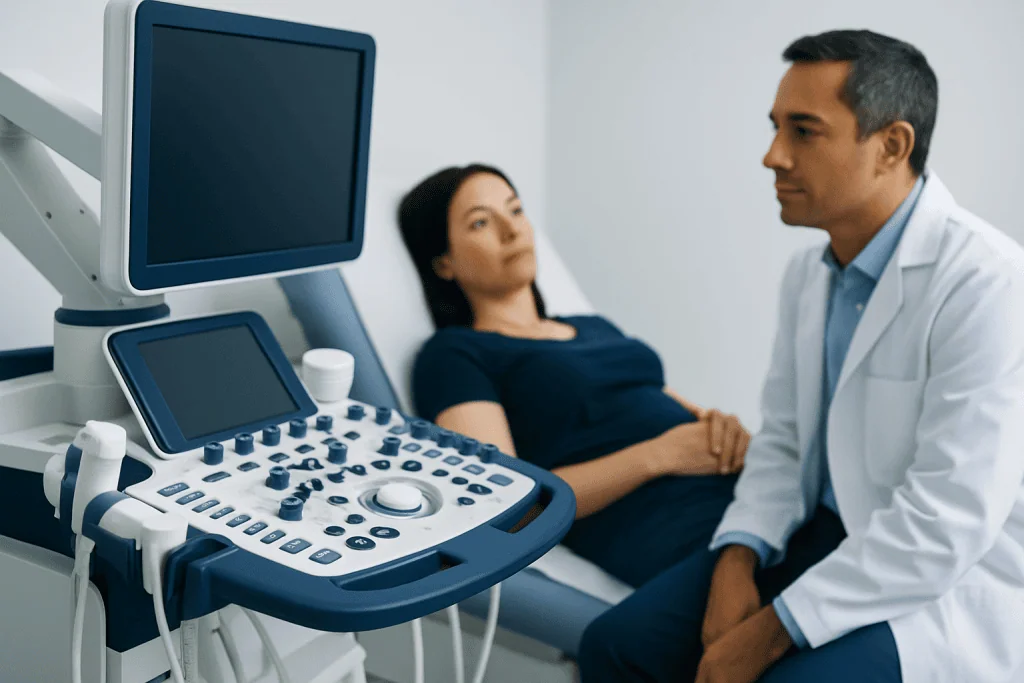
During the menopause transition, the ovaries gradually produce less estrogen. Changing estrogen levels can affect the brain’s temperature-regulation center, vaginal and urinary tissues, bone remodeling and sleep. Menopausal hormone therapy supplies estrogen to reduce symptoms related to this decline. It may be taken as a tablet, skin patch, gel, spray, vaginal preparation or, in selected cases, another prescribed form.
Systemic treatment, such as tablets, patches, gels and sprays, circulates through the body and may help hot flashes, night sweats, sleep disruption and bone loss. Local vaginal estrogen is designed primarily for vaginal dryness, discomfort during sex, and some urinary symptoms. It generally has much lower absorption into the bloodstream than systemic therapy, but suitability should still be discussed with a clinician.
If a person has a uterus, estrogen taken systemically is usually paired with a progestogen. This reduces the chance of estrogen causing overgrowth of the endometrium, the lining of the uterus. People who have had a hysterectomy may often use estrogen alone, though there are individual exceptions.
Hormonal care can also be used for other conditions, including thyroid disorders, low testosterone due to confirmed medical causes, endometriosis, fertility treatment and some cancers. These treatments have different goals, benefits and risks, so the effects of one type of hormone therapy should not be assumed to apply to another.
Who May Be a Candidate for Hormone Therapy?

Menopausal hormone therapy may be considered for people with bothersome hot flashes, night sweats, sleep disturbance related to vasomotor symptoms, or genitourinary symptoms of menopause such as vaginal dryness and pain with sex. It may also be considered for bone protection in selected people when other options are not suitable. It is often most favorable for healthy individuals who are younger than 60 or within about 10 years of menopause onset, but timing is only one part of decision-making.
A clinician will ask about the severity and pattern of symptoms, menstrual history, family history, pregnancy possibility, blood pressure, migraine, liver disease and current medications. They may also discuss whether a patch or gel is preferable to an oral medicine, particularly when clotting risk or certain metabolic factors are relevant.
Hormone therapy may not be suitable for people with unexplained vaginal bleeding, a current or previous estrogen-sensitive cancer, active liver disease, a history of certain blood clots, stroke or heart attack. Some people can still use local vaginal estrogen or nonhormonal symptom treatments, but this requires individualized guidance from the treating team.
Assessment may involve gynecology, endocrinology, primary care, oncology or cardiology depending on the person’s needs. A careful review is especially important for anyone with a complex medical history rather than starting hormones based only on symptoms or online advice.
Starting Hormone Treatment: Step by Step
The process generally begins with a consultation rather than a routine laboratory test. For many people in typical midlife menopause, symptoms and menstrual history are more useful than one hormone blood test because levels can fluctuate widely. Tests may be recommended when symptoms are atypical, menopause occurs early, pregnancy is possible, or another condition such as thyroid disease needs to be assessed.
Next, the clinician and patient agree on treatment goals. For example, the goal may be fewer nighttime awakenings from sweats, less vaginal discomfort, or improved day-to-day functioning. They discuss the likely benefits, possible adverse effects, treatment route and the need for uterine protection with progestogen when relevant.
Hormone therapy is commonly started at a low effective dose. The patient uses the medication exactly as prescribed and records meaningful changes, such as the frequency of hot flashes, sleep quality, bleeding, breast symptoms, headaches or mood changes. Follow-up is usually arranged to review response, tolerability and any need for adjustment.
Regular preventive care remains important. This includes age-appropriate breast and cervical screening, blood pressure checks and attention to bone health, nutrition, activity, smoking and alcohol use. Hormone therapy should be reviewed periodically to confirm that its ongoing benefits continue to outweigh its risks.
Benefits, Results and Recovery Timeline
There is usually no physical recovery period after beginning menopausal hormone therapy. However, the body may need time to adapt, and the treatment plan may need adjustment. Some people notice fewer hot flashes and night sweats within days to several weeks. For others, meaningful improvement may take several weeks, with a fuller assessment of response often made after about three months.
Vaginal symptoms may improve gradually over several weeks. Improvements in sleep and daytime energy may follow as night sweats become less frequent, although sleep problems can have other causes and may need separate assessment. Protection against bone loss is a longer-term effect and does not mean that symptoms will improve immediately.
Early, usually manageable effects can include breast tenderness, nausea, bloating, fluid retention, headaches, mood changes or spotting. Irregular bleeding can occur when combined therapy is started or changed, particularly during the first months. It should be reported if it is heavy, persistent, begins after a period of no bleeding, or occurs after menopause.
The best result is not necessarily the highest dose or the complete absence of every symptom. A successful plan is one that provides meaningful symptom relief with acceptable side effects and appropriate safety monitoring. Lifestyle measures such as regular movement, a balanced diet, sleep routines and avoiding known hot-flash triggers can complement medical treatment.
What Is the Downside to Hormone Therapy?
The downside to hormone therapy is that it can cause side effects and may increase certain health risks for some people. The specific risk profile depends on the hormone formulation, dose, route, duration of use, whether progestogen is included, age at initiation and personal health history. It is therefore important not to view all hormone therapies as equivalent.
Common early side effects may include breast tenderness, bloating, headaches, nausea, skin irritation from patches, mood changes and irregular bleeding. These may settle as the body adjusts or improve after changing the dose, type or route. A clinician should evaluate symptoms that are severe, persistent or new after a stable period on treatment.
Systemic combined estrogen-progestogen therapy can be associated with a small increase in breast cancer risk with longer use, while oral estrogen may increase the risk of blood clots and stroke in some people. Risks are influenced by baseline health and can differ between oral and transdermal treatment. Estrogen without adequate progestogen in a person with a uterus can increase the risk of endometrial cancer.
A balanced discussion also recognizes the risks of untreated symptoms and the potential benefits of treatment. An individualized review helps identify whether hormone therapy, local treatment, nonhormonal medicine or a combination of approaches is most appropriate.
How Long Does It Take for Hormone Therapy to Kick In?
For menopausal hot flashes and night sweats, hormone therapy may begin to help within a few days to a few weeks. Many people can judge whether there is meaningful improvement by around six to twelve weeks, although the timing varies with the symptom being treated, the formulation and the dose.
Vaginal estrogen may provide gradual improvement in dryness, burning or discomfort over several weeks. Bone-related benefits develop over months to years and are assessed through overall fracture risk and, when appropriate, bone-density testing rather than immediate symptoms.
If symptoms have not improved after a reasonable trial, the person should not change the dose independently. A clinician can check whether the diagnosis is correct, whether the treatment is being used as intended, and whether another formulation or a nonhormonal option would be more helpful.
What Are the First Signs That HRT Is Working?
The first signs that HRT is working are often fewer or less intense hot flashes and night sweats. A person may also notice improved sleep because they are waking less often overheated, as well as fewer episodes of flushing, sweating or chills during the day.
For local vaginal treatment, early signs may include less dryness, irritation, burning or discomfort during sexual activity. Urinary urgency or recurrent discomfort may also improve for some people, although urinary symptoms can have several causes and should be assessed if they persist.
Response can be subtle at first. Keeping a simple symptom diary before and after starting treatment can help identify meaningful changes and support a productive follow-up discussion. It is also useful to note unwanted effects, including bleeding patterns and headaches.
Is Hormone Therapy Really Worth It?
Hormone therapy can be worth it for people whose menopause symptoms are affecting sleep, comfort, work, relationships or daily quality of life and who have an appropriate medical risk profile. For eligible patients, it is the most effective treatment for vasomotor symptoms such as hot flashes and night sweats.
Whether it is worthwhile is a personal, clinical decision. Some people achieve sufficient relief through lifestyle changes, local vaginal therapy or nonhormonal medicines. Others find that systemic hormone therapy offers benefits that better match their symptom burden and treatment goals.
The decision should be revisited over time rather than treated as permanent. Periodic review allows the person and clinician to consider current symptoms, evolving health conditions, side effects and preferences, and to decide whether to continue, modify or stop treatment.
When to Seek Medical Care
Medical advice should be sought before starting, stopping or changing hormone treatment. A clinician should promptly assess heavy vaginal bleeding, bleeding after menopause, new breast changes, severe headaches, fainting, chest pain, sudden shortness of breath, coughing blood, or swelling and pain in one leg. These symptoms can have different causes but require timely evaluation.
People using hormone therapy should also arrange review if symptoms remain disruptive, side effects are difficult to tolerate, or they develop a new health condition or start a medicine that could affect their treatment. Do not use another person’s prescription or unregulated “bioidentical” hormone products, as their dose and safety may be uncertain.
Acibadem International’s multidisciplinary specialists and JCI-accredited hospitals can assess menopausal symptoms and hormonal concerns for international patients, coordinating care when gynecologic, endocrine or other medical expertise is needed. A qualified clinician can help create a plan that is evidence-based and aligned with the individual’s health needs.
Frequently asked questions
Are the effects of hormone treatment the same for everyone?
No. Effects vary according to the reason for treatment, hormone type, dose, route of administration, age and medical history. Two people using the same medicine may have different levels of symptom relief or side effects, so follow-up and individualized adjustments are important.
Can hormone therapy cause weight gain?
Weight changes are common around midlife, but hormone therapy is not generally considered a direct cause of significant weight gain. Changes in sleep, activity, muscle mass, appetite and metabolism can all contribute. A clinician can help assess unexpected or rapid weight change.
Does HRT improve mood and anxiety?
Some people feel emotionally better when hot flashes and poor sleep improve. However, HRT is not a primary treatment for all forms of depression or anxiety. Persistent low mood, panic, loss of interest or thoughts of self-harm need dedicated mental health assessment and support.
Can hormone therapy be stopped suddenly?
Some people can stop without major difficulty, while others have returning symptoms. A clinician may recommend a gradual reduction in some circumstances, but there is no single approach that suits everyone. The decision should account for symptoms, treatment type and personal preference.
Is vaginal estrogen the same as systemic HRT?
No. Vaginal estrogen is usually a low-dose local treatment for vaginal and urinary symptoms, while systemic HRT circulates throughout the body and is used for symptoms such as hot flashes and night sweats. Their benefits, absorption and safety considerations differ.
Do people need hormone blood tests while taking HRT?
Routine hormone level testing is not usually needed to monitor menopause HRT. Treatment is commonly adjusted according to symptom response, side effects and safety review. Testing may be appropriate in selected situations, such as uncertain diagnosis or possible thyroid or other endocrine conditions.
References
- North American Menopause Society
- American College of Obstetricians and Gynecologists
- National Institute for Health and Care Excellence
- U.S. Food and Drug Administration
- World Health Organization
This article is for general information only and is not a substitute for professional medical advice. Please consult a qualified doctor about your individual situation.
Medical weight-loss options in Turkey — costs & eligibility
JCI-accredited · board-certified surgeons · reply within 24h
Add us as a Preferred Source to see more of our trusted health content across Google Search, AI Overviews and Discover.
Check your numbers in seconds
BMI, calories, due date, blood pressure and 30+ more clinical calculators — free, instant, doctor-reviewed ranges.