

Egg freezing Before & After: What Realistic Results Look Like

Egg freezing preserves unfertilized mature eggs for possible future use; it does not guarantee a future baby. Age at freezing is one of the strongest factors affecting egg quality and expected future success.
Key Takeaways
- Egg freezing preserves unfertilized mature eggs for possible future use; it does not guarantee a future baby.
- Age at freezing is one of the strongest factors affecting egg quality and expected future success.
- A typical cycle includes assessment, 10–14 days of ovarian stimulation, egg retrieval, and vitrification.
- Most people return to usual light activities within a few days after egg retrieval, although bloating and mild cramps are common temporarily.
- The number of eggs retrieved and frozen varies according to age, ovarian reserve, medication response, and clinical circumstances.
- A fertility specialist can explain individualized expectations and whether one or more cycles may be appropriate.
Egg freezing before and after can look very different from person to person: some people collect several mature eggs in one cycle, while others may need more than one cycle to meet their personal goals. The procedure can preserve options for future family building, but it cannot guarantee fertilization, embryo development, implantation, or pregnancy later on.
Egg Freezing Before and After: What Changes Realistically
Egg freezing, medically called oocyte cryopreservation, is a fertility preservation procedure in which mature eggs are collected from the ovaries and frozen for possible use in the future. Before treatment, a person may be deciding whether to preserve fertility because of age-related concerns, a medical diagnosis, planned treatment that could affect fertility, or personal timing. After treatment, they will have a known number of frozen mature eggs, but not a prediction or promise of a future pregnancy.
A realistic “before and after” perspective focuses on the whole pathway rather than the retrieval day alone. Before egg freezing, fertility testing helps estimate ovarian reserve and plan medication. After retrieval, the laboratory reports how many eggs were collected and how many were mature enough to freeze. If the eggs are used later, they must survive warming, be fertilized, develop into embryos, and implant in the uterus; each stage affects the eventual outcome.
Eggs frozen at a younger reproductive age are generally more likely to lead to healthy embryos than eggs frozen later. However, age is not the only factor. Egg number, sperm factors, embryo development, uterine health, and pregnancy-related factors also matter. For a detailed overview of the process, patients can review egg freezing treatment.
Who May Consider Egg Freezing
Egg freezing may be considered by people who want to preserve the possibility of using their own eggs later. Some choose it because they are not ready to pursue pregnancy now but may wish to try in the future. Others are advised to consider fertility preservation before treatments such as chemotherapy, pelvic radiation, or ovarian surgery that may reduce ovarian function.
It may also be relevant for people with conditions or circumstances that can affect fertility, including some forms of endometriosis, repeated ovarian surgery, or a family history of earlier menopause. Individual assessment is important because the likely response to stimulation and the potential benefit of freezing eggs vary widely.
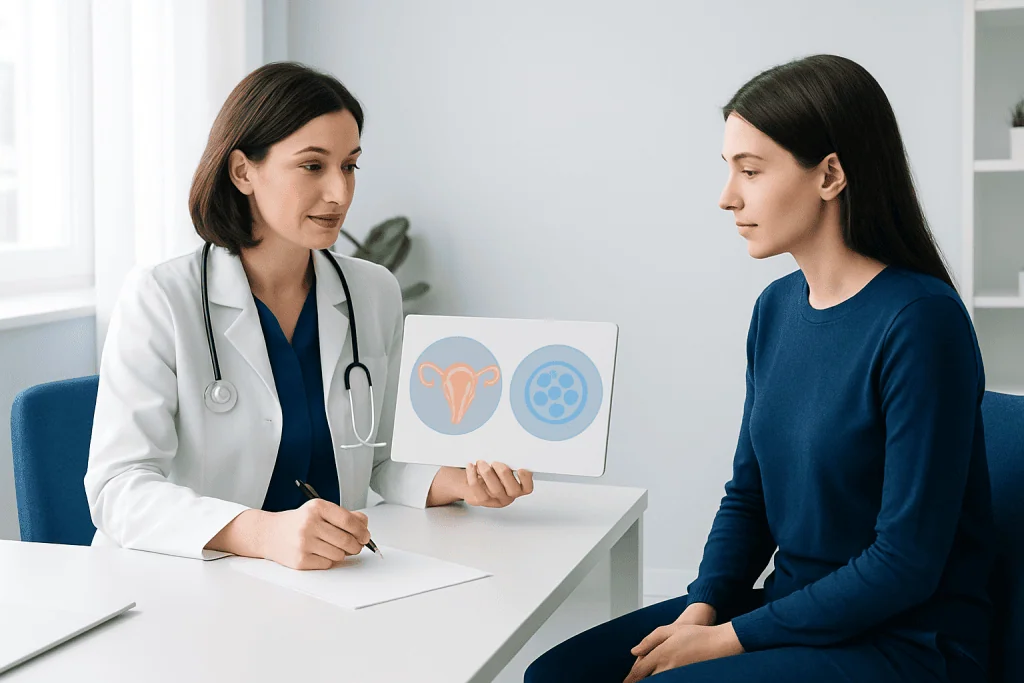
Initial consultation usually includes a medical and reproductive history, menstrual history, ultrasound assessment of the ovaries, and blood tests that may include anti-Müllerian hormone testing. These findings do not measure egg quality directly or predict pregnancy with certainty, but they help the fertility team discuss likely egg yield and whether more than one treatment cycle could be considered.
How Egg Freezing Works: Step by Step
Egg freezing is usually completed over approximately two weeks, although the exact schedule depends on the menstrual cycle and treatment plan. The first stage is ovarian stimulation. Injectable hormone medications encourage several follicles, the fluid-filled sacs that may contain eggs, to develop during the same cycle. This differs from a natural cycle, when usually one egg matures.
During stimulation, the clinic monitors follicle growth with vaginal ultrasound examinations and blood tests. Medication may be adjusted according to the response. When the follicles are appropriately developed, a final “trigger” medication helps the eggs complete maturation. Egg retrieval is scheduled at a precise time after this injection.
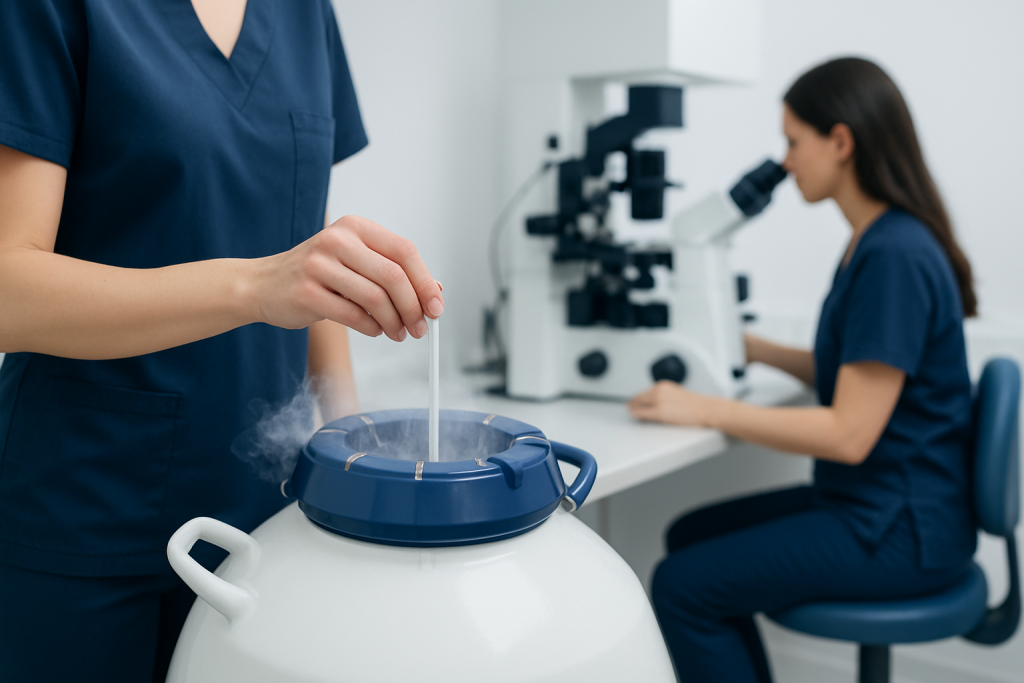
For retrieval, a specialist uses ultrasound guidance to pass a thin needle through the vaginal wall into the ovaries and collect follicular fluid. The procedure is generally performed with sedation or anesthesia. In the laboratory, embryologists identify the eggs and assess which are mature. Mature eggs are rapidly frozen using vitrification, a method designed to limit ice crystal formation during storage.
The procedure does not use up eggs that would otherwise remain available for future cycles. Instead, it collects eggs from follicles that were already recruited in that month and would otherwise naturally stop developing. The response, number collected, and number frozen can differ substantially between individuals and between cycles.
Realistic Results: What the Numbers Mean
The result immediately after egg freezing is usually described in stages: the number of follicles seen during monitoring, the number of eggs retrieved, and the number of mature eggs frozen. These numbers are useful for planning, but none can be translated into a guaranteed number of future embryos or babies. Not every follicle contains an egg, not every retrieved egg is mature, and not every frozen egg will survive warming.
Consider two simplified examples. A person in their early 30s may retrieve and freeze a number of mature eggs that provides a meaningful future opportunity, while still needing to understand that pregnancy is not assured. A person in their late 30s or early 40s may retrieve fewer mature eggs per cycle or may be advised to consider additional cycles, because egg quality and chromosomal normality tend to decline with age. These are examples of planning discussions, not individual predictions.
When frozen eggs are used, they are warmed and fertilized in a laboratory, commonly with intracytoplasmic sperm injection (ICSI). Resulting embryos may be cultured for several days and then transferred to the uterus in a later cycle. This is part of in vitro fertilization treatment, and outcomes depend on the age when the eggs were frozen as well as later laboratory and pregnancy factors.
Egg freezing can offer reassurance and additional reproductive choice, but it should not be viewed as insurance against infertility. A fertility specialist can explain how age, ovarian reserve, health history, and family-building plans influence realistic expectations.
Recovery Timeline and Everyday Experience
After egg retrieval, most people rest at the clinic until the effects of sedation have worn off and then go home with an accompanying adult. Mild pelvic cramping, light spotting, bloating, breast tenderness, fatigue, or mood changes can occur after stimulation and retrieval. These effects are usually temporary and often improve over several days.
On the day of retrieval, driving, alcohol, strenuous exercise, and important decisions should be avoided because of sedation. Light daily activity may be resumed when the person feels comfortable, but the clinical team may recommend avoiding high-impact exercise, heavy lifting, and sexual intercourse temporarily while the ovaries remain enlarged.
Many people can return to work or routine non-strenuous activities within one to a few days. The next menstrual period may arrive somewhat earlier or later than expected and can be heavier or more uncomfortable for some people. The treatment team should provide individualized instructions, including when normal exercise and sexual activity can safely resume.
Benefits, Limitations, and Possible Risks
The main benefit of egg freezing is the chance to preserve eggs at the age they are collected, potentially allowing their use later if natural conception is more difficult or if fertility has been affected by medical treatment. It can also give people time to make future reproductive decisions without needing to create embryos or identify a sperm source at the time of freezing.
Its limitations are equally important. Egg freezing does not prevent age-related changes in the uterus or general health, and it does not guarantee that frozen eggs will produce embryos or a pregnancy. It also does not protect against all causes of infertility, including tubal factors, sperm-related factors, or pregnancy complications that may develop later.
Most cycles are completed without serious complications. Less common risks include an excessive response to stimulation, called ovarian hyperstimulation syndrome, bleeding, infection, injury to nearby structures during retrieval, or anesthesia-related problems. Modern monitoring and individualized medication protocols aim to reduce these risks. People with severe or worsening abdominal pain, rapid weight gain, shortness of breath, persistent vomiting, marked abdominal swelling, heavy bleeding, fever, or reduced urination should contact their clinic urgently.
Emotional considerations also matter. Some people feel relief after freezing eggs, while others feel disappointed by the number retrieved or uncertain about future decisions. Clear counseling before treatment can help ensure that the decision reflects personal values, health circumstances, and realistic expectations.
When to Seek Medical Care
A person considering egg freezing may benefit from a fertility consultation if they are concerned about declining fertility, have a condition or planned treatment that could affect ovarian function, or want individualized information before delaying pregnancy. Early discussion can be particularly useful when cancer treatment or another time-sensitive medical treatment is planned, as fertility preservation may need to be coordinated promptly with the wider care team.
After egg retrieval, the clinic should be contacted if symptoms feel more severe than expected or are not improving. Urgent medical advice is important for difficulty breathing, chest pain, fainting, severe abdominal pain, persistent vomiting, fever, very heavy vaginal bleeding, or significant reduction in urine output.
Acibadem International’s multidisciplinary specialists and JCI-accredited hospitals support international patients with fertility assessment and treatment planning. A consultation can help clarify whether egg freezing is suitable, what results may be realistic, and what follow-up care is appropriate.
Frequently asked questions
How long does egg freezing take from start to finish?
One treatment cycle commonly takes around 10 to 14 days of ovarian stimulation, followed by egg retrieval. The initial assessment and planning appointments may take place before this. Timing can vary according to the menstrual cycle, medication protocol, and individual response.
What should someone expect immediately after egg freezing?
After retrieval, mild cramping, bloating, light spotting, and tiredness are common for a short time. The fertility laboratory will report how many eggs were retrieved and how many were mature enough to freeze. This is an important outcome, but it is not a guarantee of future pregnancy.
Does egg freezing guarantee a baby later?
No. Frozen eggs may not all survive warming, fertilize, develop into embryos, implant, or result in a live birth. The age at which eggs are frozen is a major factor in likely success, but individual outcomes cannot be guaranteed.
How many eggs should be frozen?
There is no single number that is right for everyone. The preferred number depends on age, ovarian reserve, expected response to stimulation, and whether a person hopes for one or more children. A fertility specialist can discuss whether one cycle may be sufficient or whether additional cycles may be considered.
Is egg retrieval painful?
Egg retrieval is generally performed under sedation or anesthesia, so people should not feel pain during the procedure itself. Mild cramps, pelvic pressure, or bloating can occur afterward and usually settle within a few days. The clinic can advise on suitable pain relief and recovery measures.
Can a person get pregnant naturally after freezing eggs?
Yes. Egg freezing does not stop natural ovulation in the future or prevent natural conception. Frozen eggs are an additional option that may be used later if needed, depending on the person’s fertility circumstances and preferences.
References
- American Society for Reproductive Medicine
- European Society of Human Reproduction and Embryology
- National Institute for Health and Care Excellence
- Centers for Disease Control and Prevention
- Human Fertilisation and Embryology Authority
This article is for general information only and is not a substitute for professional medical advice. Please consult a qualified doctor about your individual situation.
IVF & fertility treatment in Turkey — success rates and costs
JCI-accredited · board-certified surgeons · reply within 24h
Add us as a Preferred Source to see more of our trusted health content across Google Search, AI Overviews and Discover.

More from the Health Library



Related Specialists

Dr. Mutlu Duran
Otorhinolaryngology
Asst. Prof. Dr. Müjde Arapoğlu
Pediatrics
Dyt. Büşra Nur Enez Baş
Nutrition & Diet
Dr. Gül Sema Can
Gynecology & Obstetrics